New Skyfall mission plans revolutionary deployment of 6 scout helicopters on Mars
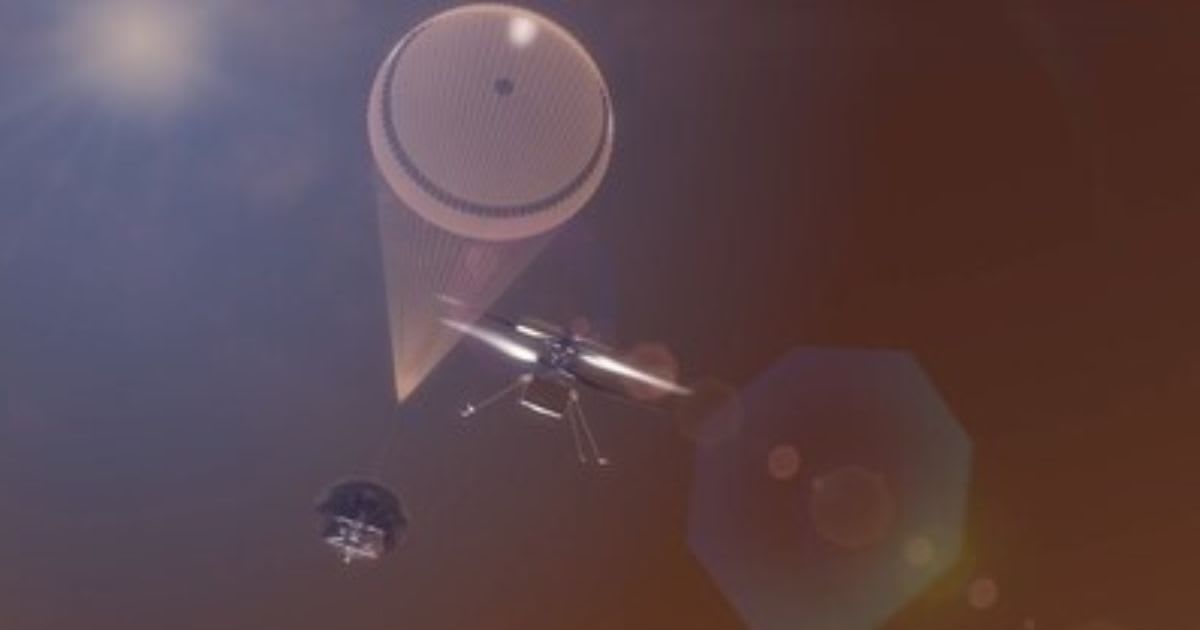
A groundbreaking new Mars mission concept, dubbed "Skyfall," aims to revolutionize Red Planet exploration by deploying a fleet of six scout helicopters directly from the Martian atmosphere. This innovative approach seeks to provide critical data for future crewed missions and advance the search for past life on Mars. The Skyfall mission is designed to release its six rotorcraft during their entry, descent, and landing sequence, allowing each helicopter to fly independently to the Martian surface. This "Skyfall Maneuver" eliminates the need for a traditional landing platform, a component typically associated with high costs, complexity, and risk in Mars missions, according to a statement released by AeroVironment.
We made history with Ingenuity, the first powered flight on another planet. Now, we’re ready to do it again. Introducing Skyfall: a potential future Mars mission concept developed with @NASAJPL for next-gen Mars Helicopters to help explore resources, scout potential landing… pic.twitter.com/fiLpvJs7jD
— AV (@aerovironment) July 24, 2025
Once deployed, the helicopters would fan out to explore potential landing sites for America's first Martian astronauts. Their primary objectives include beaming back high-resolution surface imagery and subsurface radar data to Earth. This information is crucial for identifying safe landing zones with abundant water ice and other vital resources, as well as contributing to the ongoing quest to determine if Mars ever harbored life.
Skyfall - six scout helicopters to Mars, to explore landing sites for the first Martian astronauts. Very cool idea! @NASA @aerovironment https://t.co/hrC9BGFRXx https://t.co/6KuSw03KOd pic.twitter.com/riJdd4ufrO
— Chris Hadfield (@Cmdr_Hadfield) July 24, 2025
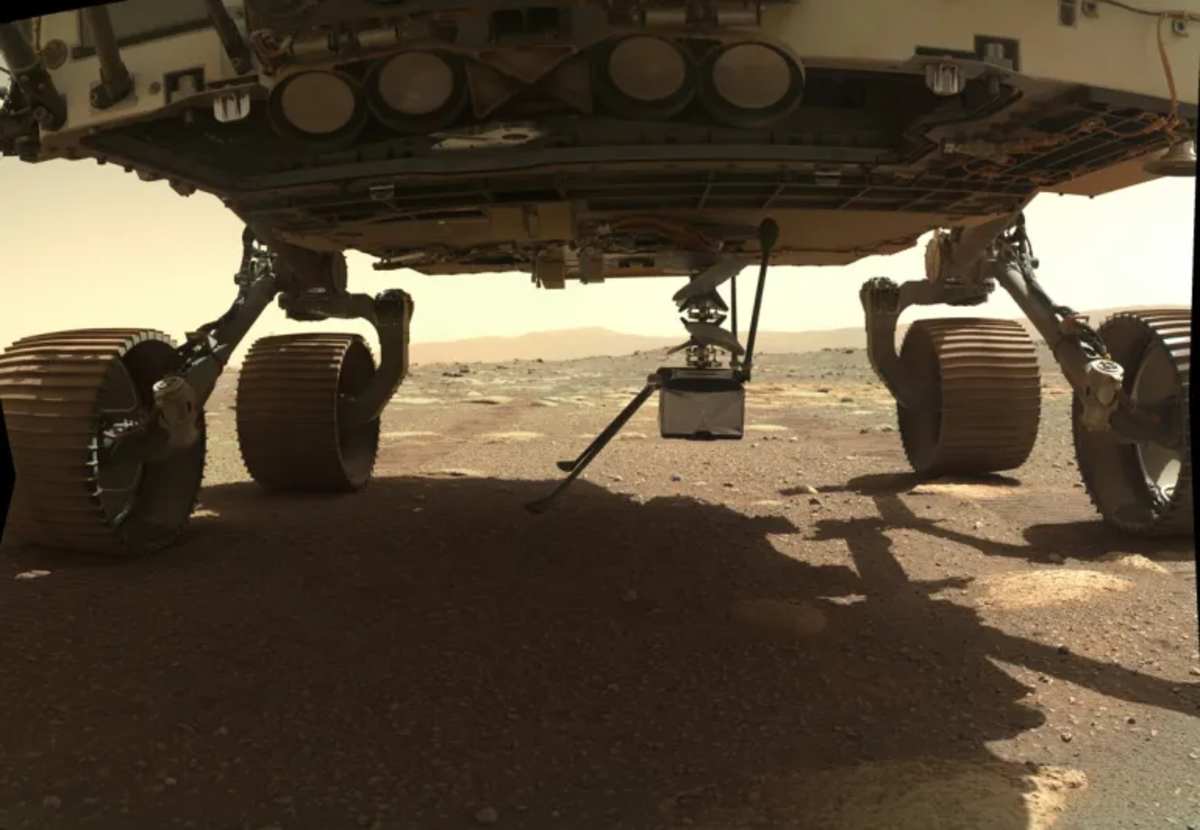
The Skyfall concept leverages the significant success of the Ingenuity Mars Helicopter program, a collaborative effort between AV and JPL. Ingenuity, which completed an astounding 72 flights on Mars and far exceeded its performance and longevity targets, demonstrated the viability and benefits of aerial operations on another world. "Skyfall offers a revolutionary new approach to Mars exploration that is faster and more affordable than anything that's come before it," stated William Pomerantz, Head of Space Ventures at AV. "Thanks to a true partnership between industry and government, we're expanding the unprecedented success of Ingenuity. With six helicopters, Skyfall offers a low-cost solution that multiplies the range we would cover, the data we would collect, and the scientific research we would conduct, making humanity's first footprints on Mars meaningfully closer."
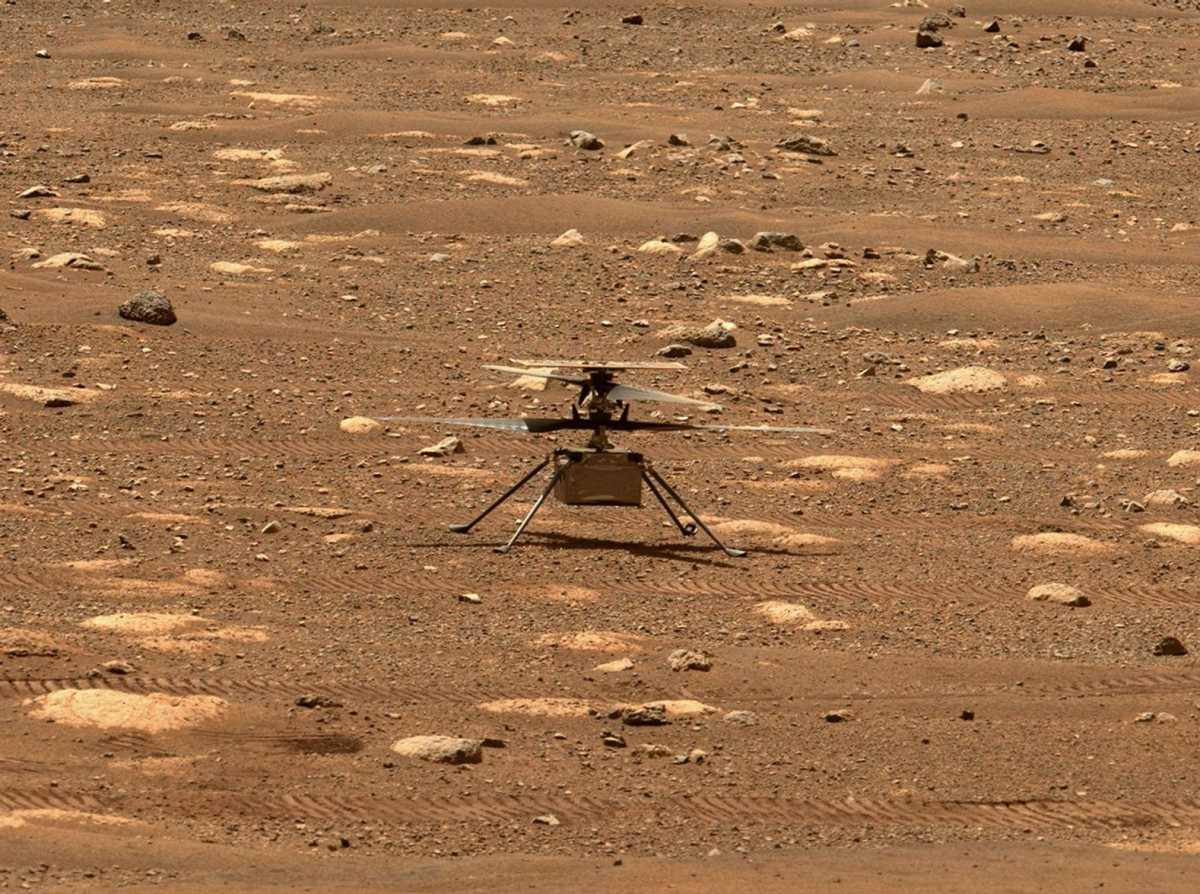
The mission aims to capitalize on AV's expertise in autonomous systems and its proven capabilities developed through the Ingenuity program, including the design of lightweight aircraft structures suitable for Mars' thin atmosphere. JPL plans to transfer key components of its Ingenuity work to AV, commercializing proven avionics, flight software, and modeling techniques for the new endeavor.
Trace Stevenson, President of Autonomous Systems at AV, highlighted the strategic importance of the Skyfall initiative. "Ingenuity established the United States as the first and only country to achieve powered flight on another planet. Skyfall builds on that promise, providing detailed, actionable data from an aerial perspective that will not only be of use planning for future crewed missions, but can also benefit the planetary science community in their search for evidence that life once existed on Mars." He continued, "From ground to air to sea and now to space, our fleet of uncrewed systems is unleashing American drone dominance across all domains and inspiring the next generation of American scientists, engineers, and explorers to ensure that dominance persists for generations to come."
AV's involvement in the Skyfall mission is rooted in its extensive history of delivering advanced solutions. The company is recognized for its ability to combine cutting-edge innovation with deep expertise and decades of battle-proven experience, providing integrated capabilities that meet complex demands, as per AeroVironment. AV emphasizes urgent execution, precise engineering, and scalable, reliable solutions, bringing together essential talent, infrastructure, and technology to achieve current mission objectives and shape future advancements.