New research identifies where water is most likely to be found on the Moon
Water on the Moon has never been delivered by a giant comet in a single stroke. Instead, it has built up on the lunar surface over billions of years, suggests a new study published in the journal Nature Astronomy;, just as the Artemis II astronauts prepare to bring back new observations from their recent lunar flyby on April 10. Time and again, NASA missions and other sources have hinted that water is abundant on the lunar surface. Those studies indicated that water remains as ice, which is trapped beneath the surface in dark craters mostly around the lunar South Pole. How did the ice get trapped in the darkest places of the Moon? Questions like this have puzzled scientists for decades.
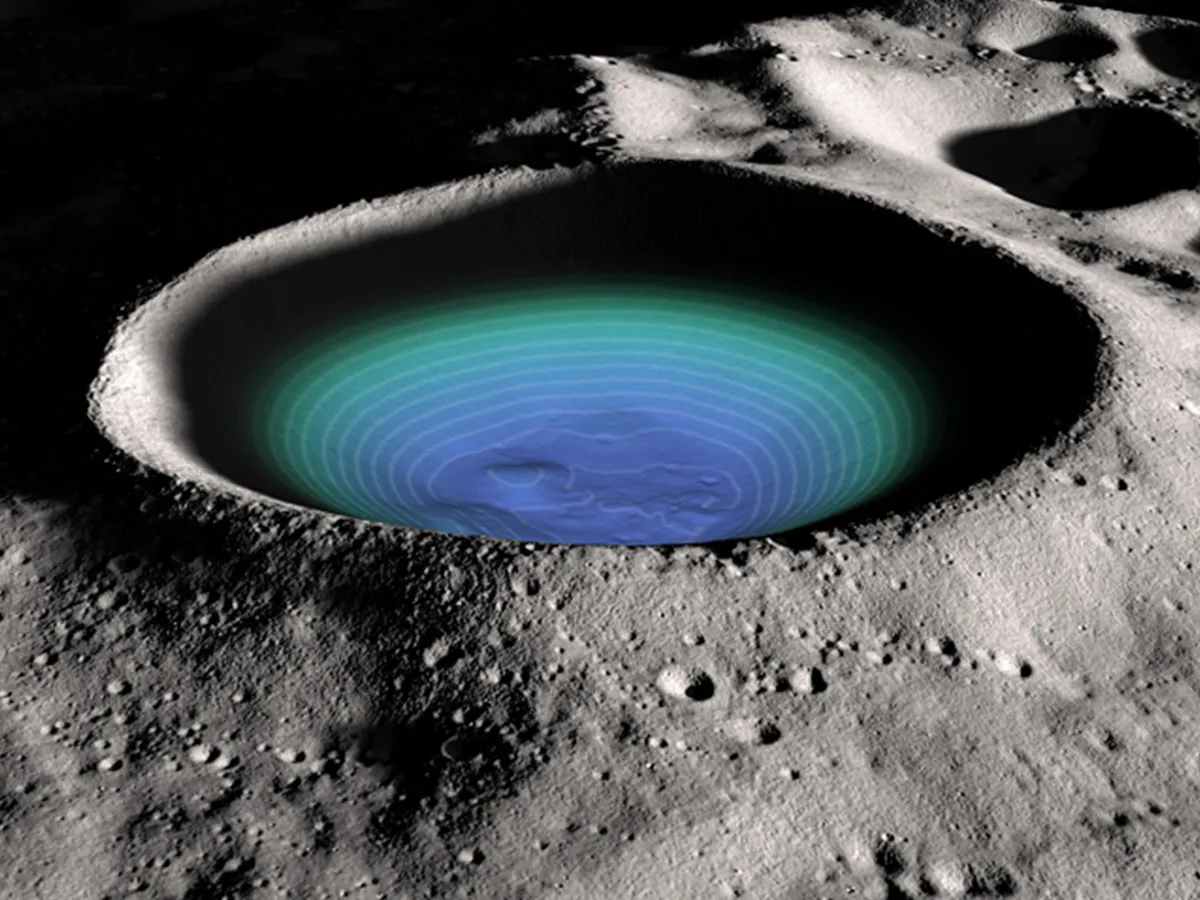
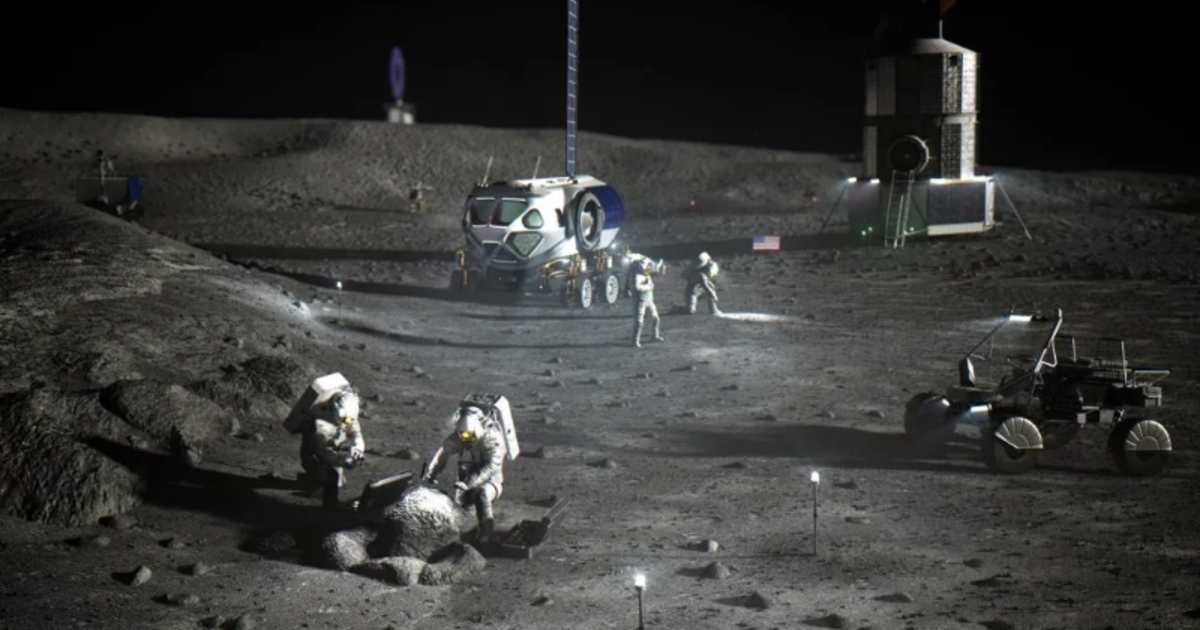
Although Hayne and his colleagues were unable to pinpoint the exact source of the ice, they identified several possibilities. “It looks like the moon’s oldest craters also have the most ice,” said co-author and planetary scientist Paul Hayne, an associate professor at the Laboratory for Atmospheric and Space Physics (LASP) of the University of Colorado (CU) Boulder, in a release by the CU. “That implies the moon has been accumulating water more or less continuously for as much as 3 or 3.5 billion years.” Further, Hayne added, “Water on the moon would be a goldmine for astronauts.” Future Moon explorers can convert the ice into drinking water and even split the water molecules into hydrogen and oxygen atoms. Then they can use these elements as rocket fuel.
In their study, Hayne and his peers suggested several possible sources for the lunar water. They speculate that volcanoes in the distant past probably ferried water from deep inside the Moon to its surface. Water might have reached the lunar surface through repeated bombardments by comets and meteorites. Solar wind, a steady stream of charged particles, might have aided the formation of water on the Moon. “Through the solar wind, a constant stream of hydrogen bombards the moon, and some of that hydrogen can be converted to water on the lunar surface,” Hayne explained.
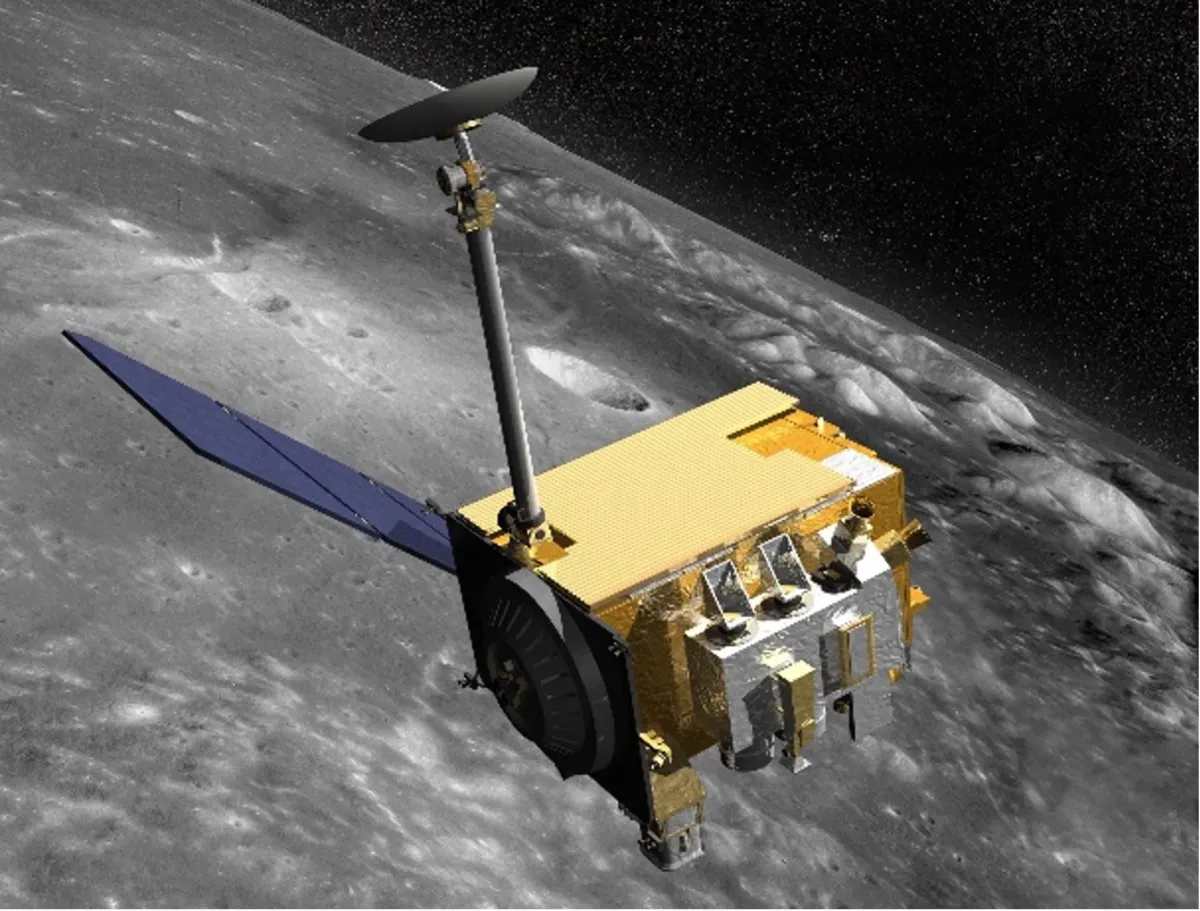
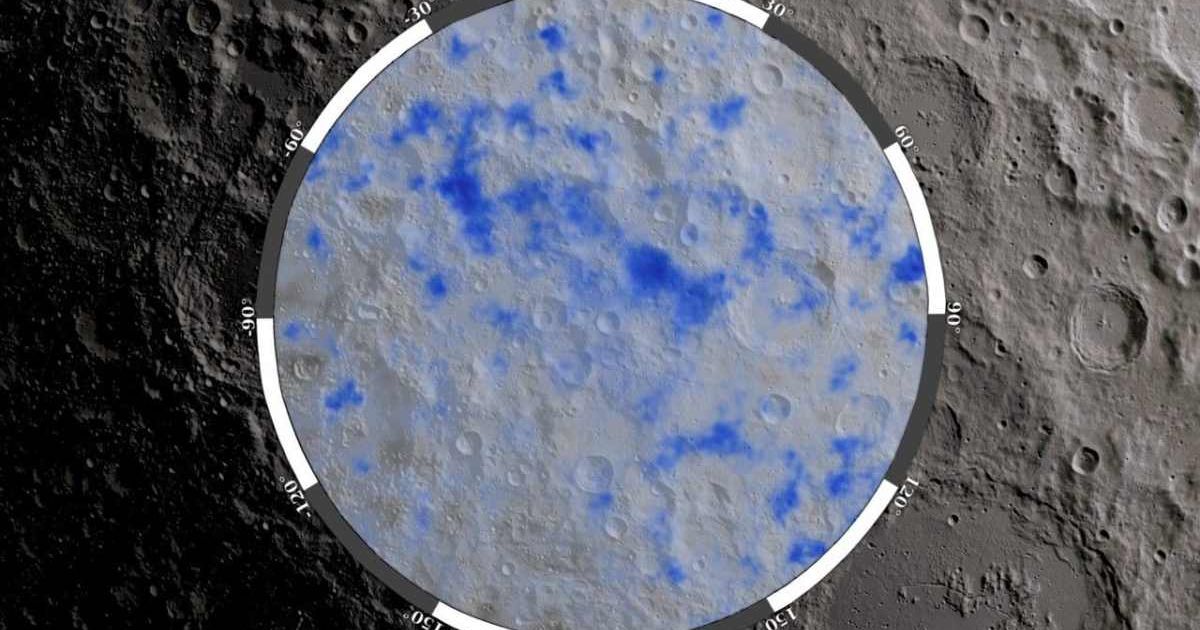
Hayne and other scientists are pretty sure that ice has accumulated in what is known as "cold traps” – craters in shadowed regions that have not seen the Sun for billions of years. The Lyman Alpha Mapping Project (LAMP) instrument on NASA’s Lunar Reconnaissance Orbiter (LRO) has zoomed in on those craters and found signs of ice in them. “What’s clear is that the ice has a patchy distribution,” Hayne said. “It’s not concentrated in the same quantities in every crater. And there was no great explanation for that.” What triggered such a patchy ice distribution? To find an answer, Hayne and his team reconstructed lunar history through computer simulations that shed light on the evolution of the craters.
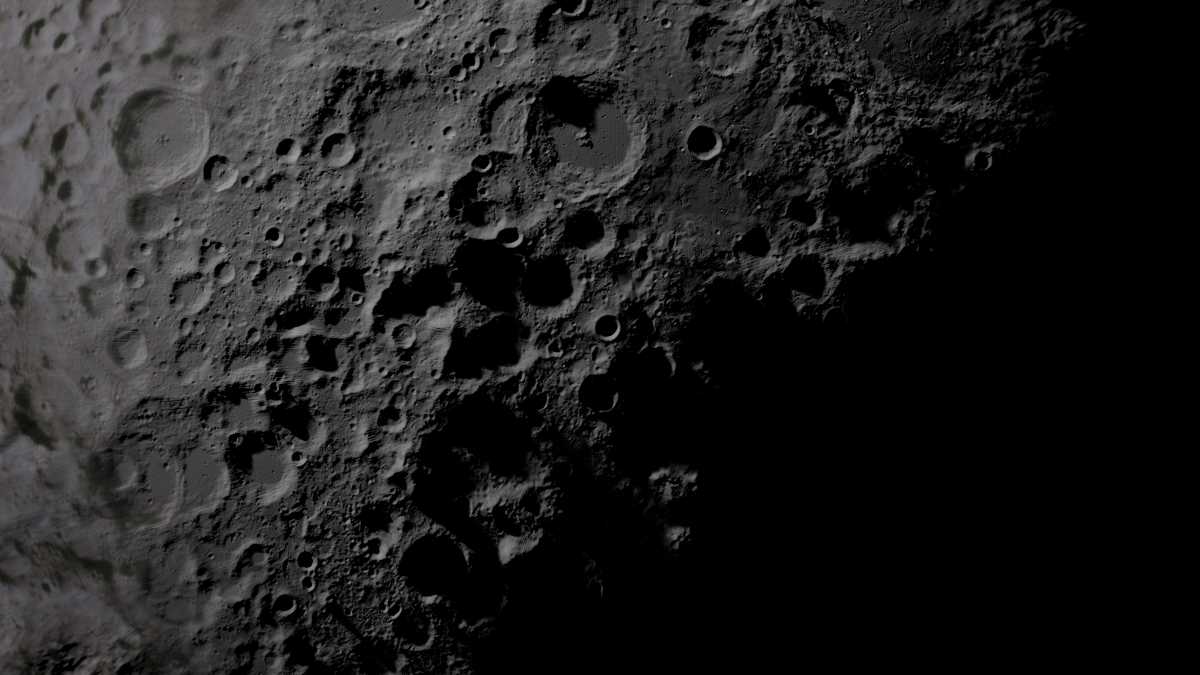
They found that the Moon’s tilt relative to Earth has changed over time. This suggests that craters that are now in shadow may not always have been in shadow. The simulations guided the researchers to prepare a list of the darkest cold traps that didn’t see the Sun for a long time. They then analyzed images captured by LAMP. To their surprise, the team found that the Moon’s oldest and darkest craters showed the greatest signs of ice. These results are encouraging since they are likely to give leads for locations where future astronauts can look for water.
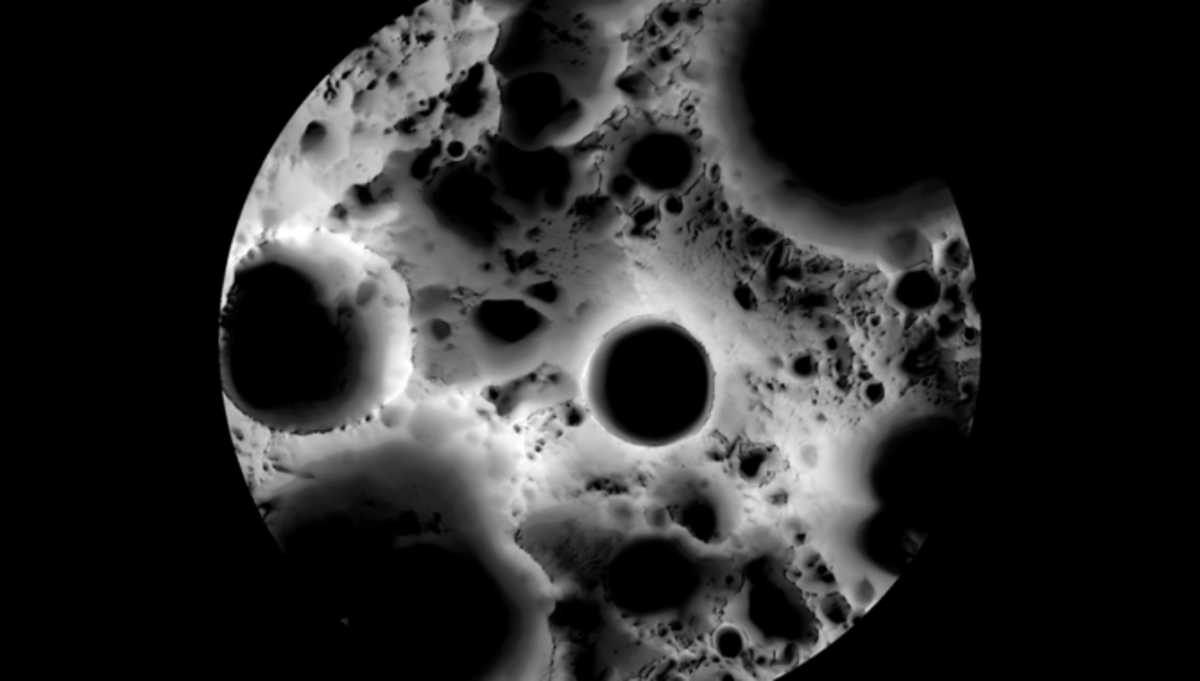
Haworth Crater, which is near the South Pole, has been in shadow for 3.5 billion years. “It’s a top candidate for storing a lot of ice,” Hayne said. Hayne is developing a new instrument to carry out detailed observations of ice-harboring craters. The instrument, called the Lunar Compact Infrared Imaging System (L-CIRiS), is to be deployed by NASA near the moon’s South Pole in late 2027. “Ultimately, the question of the source of the moon’s water will only be solved by sample analysis,” Hayne said. “We will need to go to the moon to analyze those samples there or find ways to bring them from the moon back to Earth.”
More on Starlust
This NASA tool will fly aboard a JAXA-ISRO mission to look for water in the Moon's south pole