NASA lays out timeline for new US Space Academy, first class set for 2028
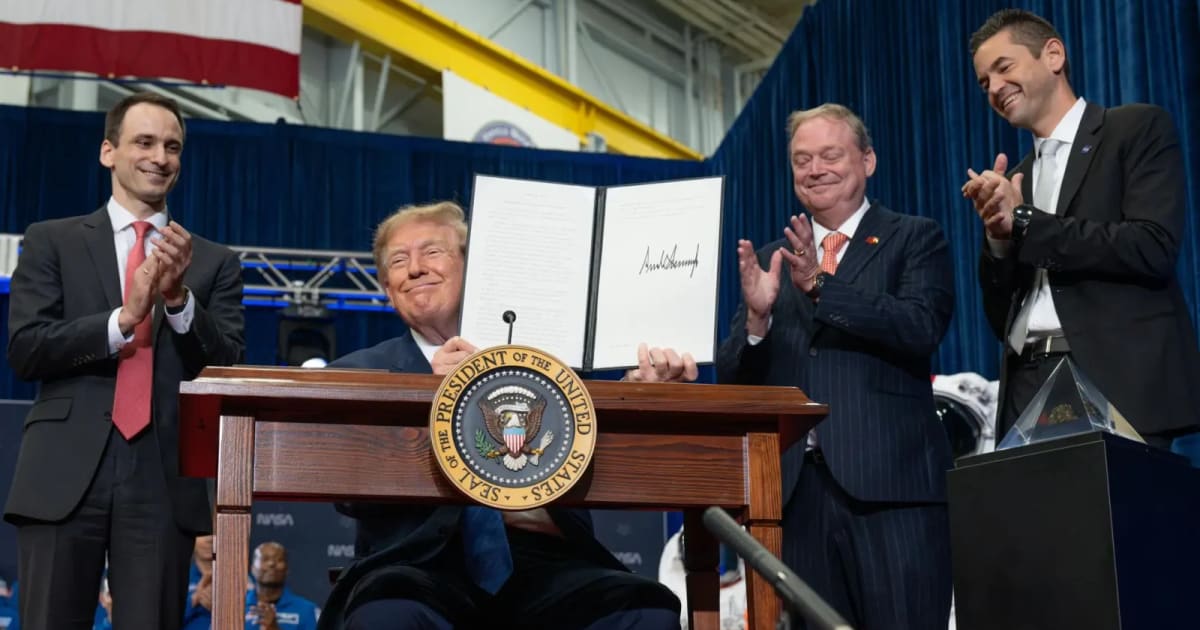
Earlier on August 28, 2026, President Donald J. Trump signed a new executive order to establish the first-ever Space Academy in the United States. And now, NASA is asking states to compete for the right to host an entirely new school built to train the next generation of space workforce. States now have until October 26, 2026, to submit their pitch to the space agency. After that, one candidate will be selected, and construction work for the permanent academy will begin no earlier than 2027. The academy is expected to begin its operations in 2031.
Today, @NASADepAdmin and I hosted the first meeting of the Commission on the United States Space Academy. We were honored to welcome @SecWar, @SecAFOfficial, and leaders from @NASA, @WHOMB, @WHOSTP47, @WhiteHouse and across the Administration to @NASA Headquarters.
— NASA Administrator Jared Isaacman (@NASAAdmin) September 9, 2026
Under… pic.twitter.com/7YQ7sOTJ54
On September 9, NASA Administrator Jared Isaacman chaired the first meeting of a commission that is tasked with building the United States Space Academy. The agency also opened a formal request for proposals from state governments. Isaacman said, "Our first Commission meeting made clear how much talent and commitment we have behind President Trump's vision for the U.S. Space Academy. I'm grateful to our partners across government for getting right to work. Now, with the RFI underway, states across the country have an opportunity to help us shape a legacy institution built for America's future in space."

What will the US Space Academy include?
As per NASA, the academy will train the next generations of warfighters as well as scientists, engineers, and astronauts who will take on the future missions. Additionally, it will include a dedicated pipeline for technical fields the country is short on and the kind of specialized programs that are needed to keep America competitive in space.
A new NASA-led institution for the next era of American leadership in space.
— NASA Administrator Jared Isaacman (@NASAAdmin) August 28, 2026
The U.S. Space Academy will help develop the technical talent, discipline, and leadership our nation needs to meet the challenges ahead.
Thank you, @POTUS, for investing in the next generation that… https://t.co/t97Qj0l7sA
Commenting on the location, Deputy Administrator Matt Anderson said, "The location of the U.S. Space Academy is foundational to its success." He added that NASA wants states to bring "the infrastructure, the partnerships and the community that can compete with the elite options this caliber of student will have and match the boundless ambition of our future space leaders."
What’s the timeline for US Space Academy?
As of now, NASA has broken this big project into phases. The first class will include a total of 300 students, and it is expected to start in 2028. The location for the same will most likely be at one or more partner institutions, since a permanent campus won't be ready by then. As for the permanent academy, the construction process will start as early as 2027. The finished campus will include all the necessary facilities for students, such as teaching buildings, dorms, research space, dining halls, and athletic facilities. The campus is expected to start its operations by 2031.
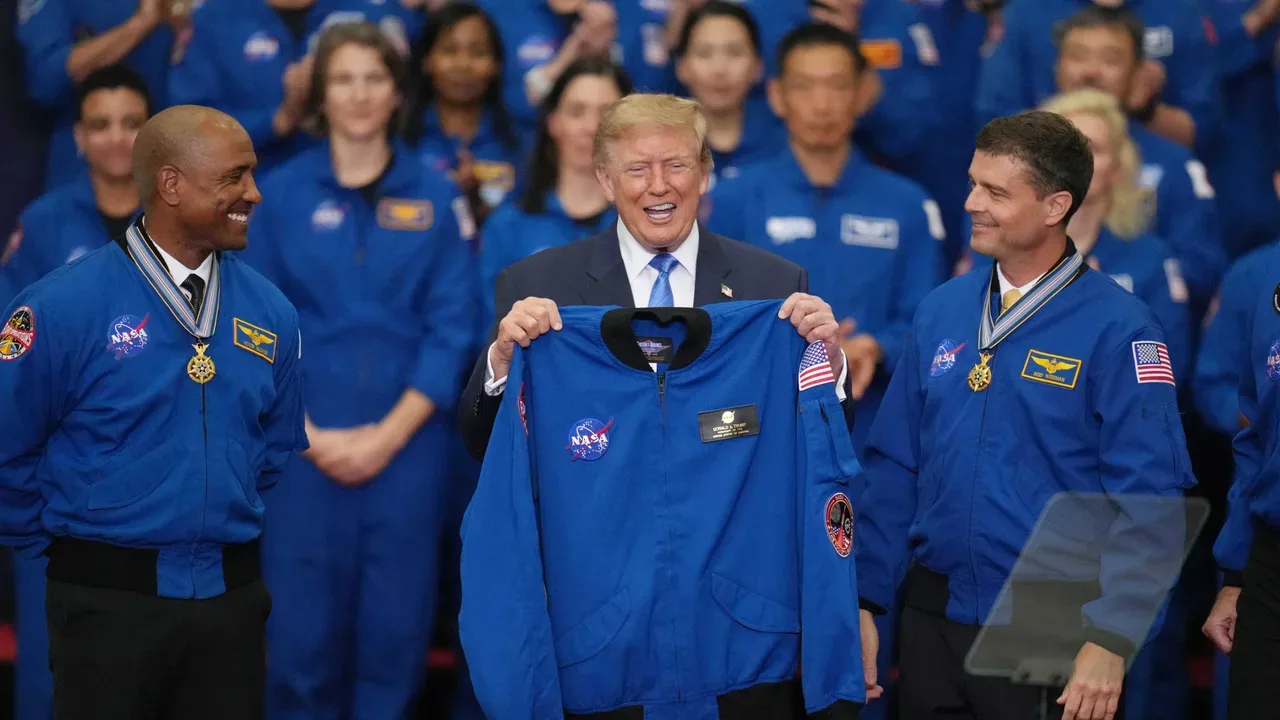
The commission meeting has brought together officials from across the federal government, including Secretary of War Pete Hegseth, National Economic Council Director Kevin Hassett, Air Force Secretary Troy Meink, and U.S. Chief Technology Officer Ethan Klein. The members will work together through decisions on governance and service commitments for graduates. Commenting on the significance of the US Space Academy, President Trump said, "That's a big deal. So you think of West Point, and you think of Annapolis, and you think of the Air Force Academy, and you think of the Coast Guard academies. Great, they're all great. But we're going to have the Space Force. We're going to have an academy for what the people in this room love the most."
More on Starlust:
Artemis II astronauts receive America's highest space honor from President Trump
SpaceX's Ship 40 is finally on its way home after more than a month at sea