NASA's Perseverance rover discovers bizarre alien rock on Mars
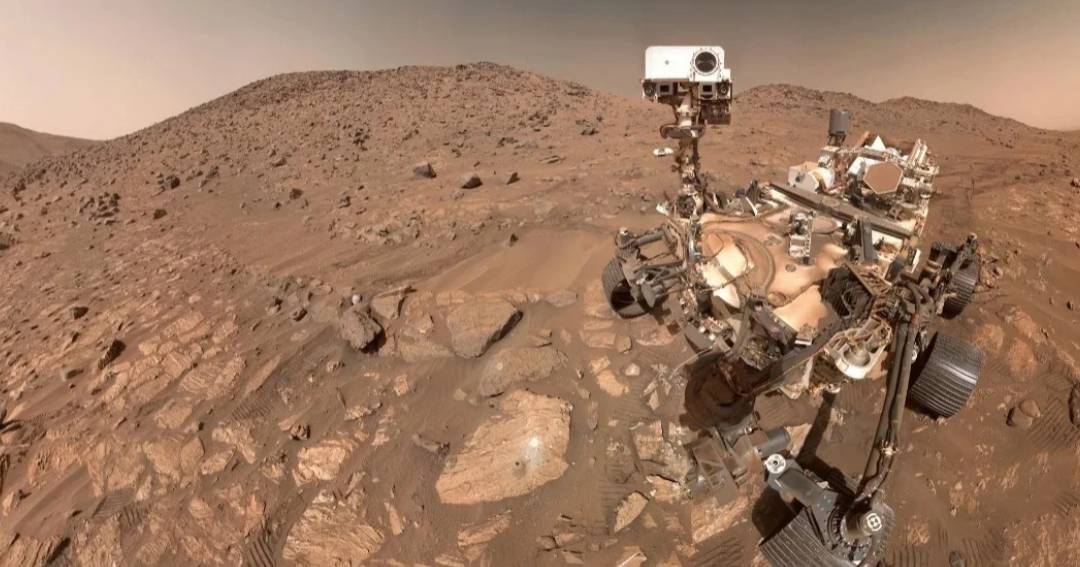
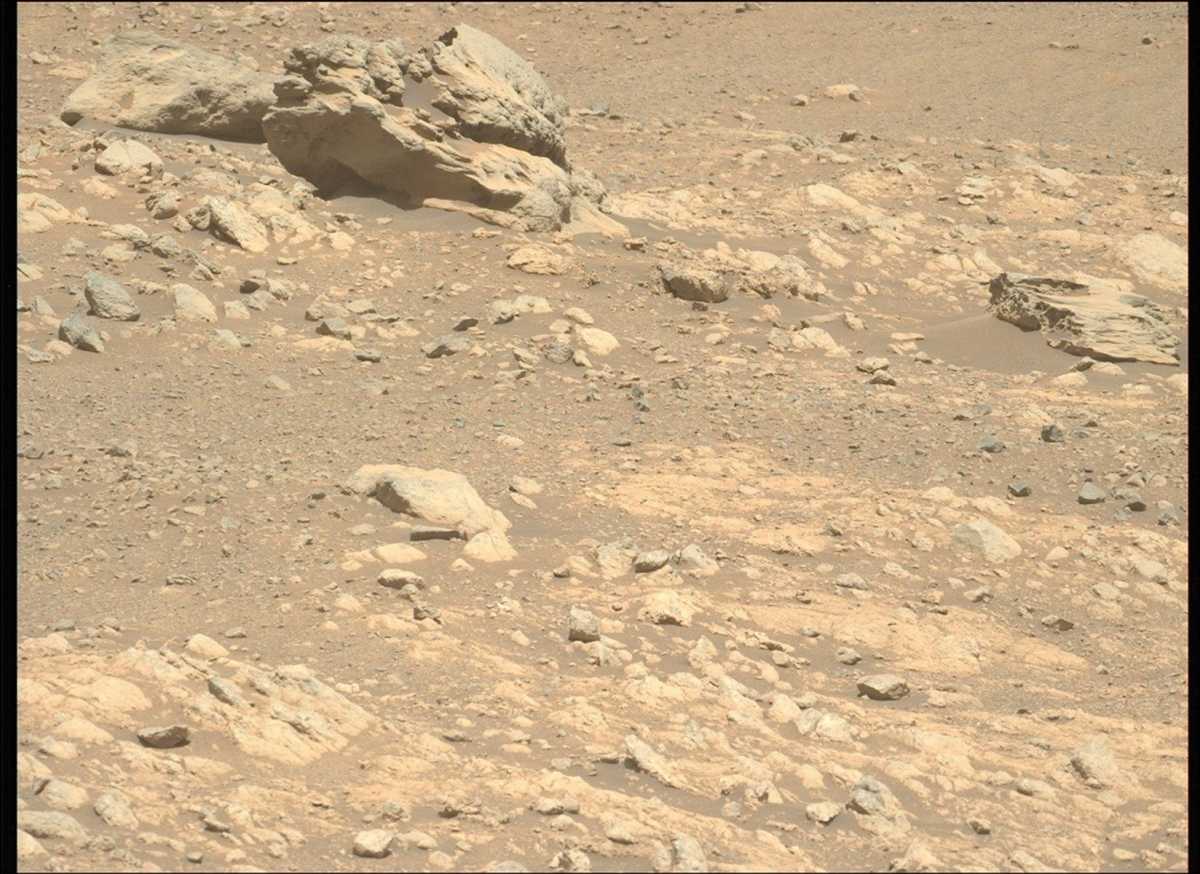
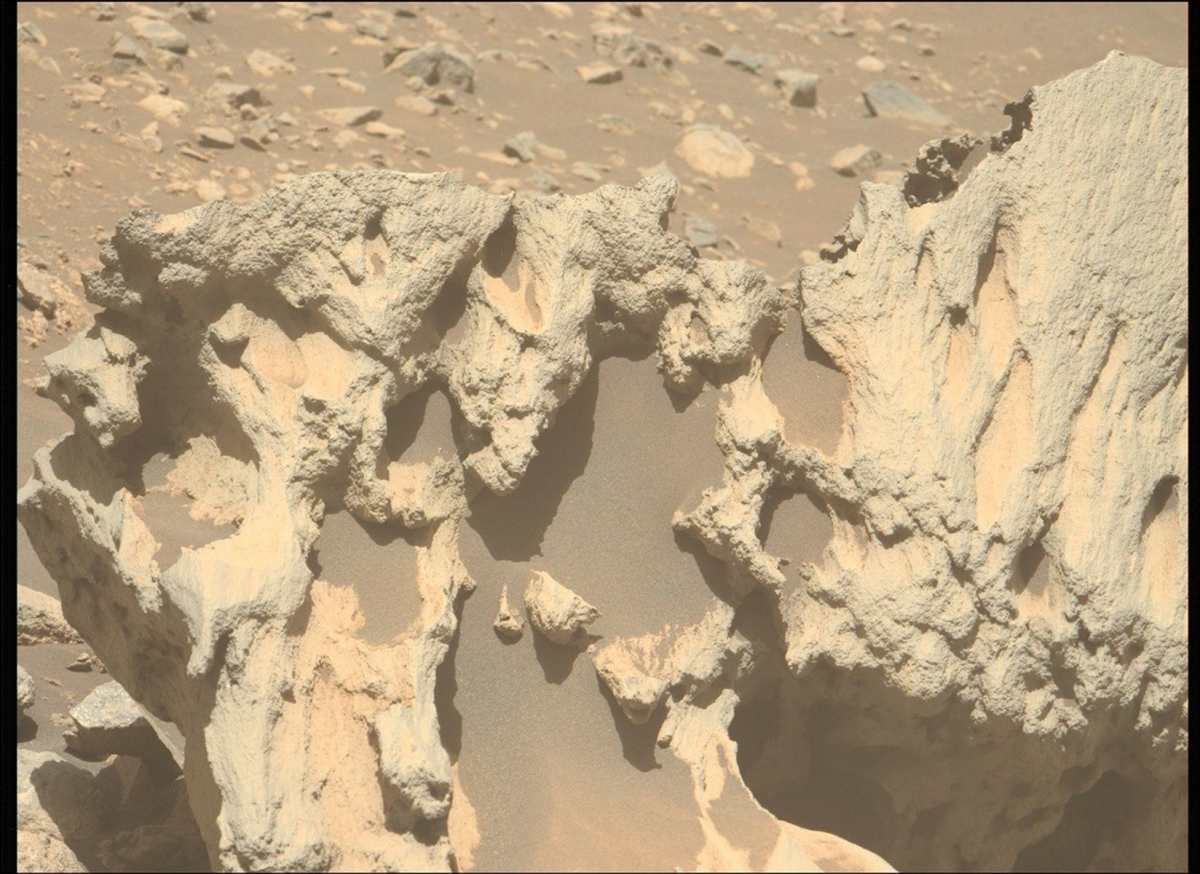
The Vernodden area of Jezero Crater hid something interesting, which was unearthed by NASA’s Perseverance Mars rover. The rover found an unusually shaped rock that was atypical for the Martian surface. Upon investigating, it was found that the rock, likely a meteorite, had elements typical of iron-nickel meteorites formed in the core of large asteroids, per NASA's blog post. The rock, named “Phippsaksla,” has a diameter of about 31 inches and was targeted by the rover for its unique appearance. One of the primary components of the Earth’s core is also a nickel-iron alloy.

The identified rock stood out amidst the fragmented rocks that lay low, and the rover was able to analyze it using the SuperCam instrument. This uses a camera, a laser, and a spectrometer to examine rocks and soils, measuring their optical properties. The SuperCam and the rover are also looking for chemical materials associated with past life on Mars. The Jezero Crater was the site where the rover first landed on the Martian surface in February 2021. An earlier announcement revealed that the clearest signs of life on Mars to date were found here.
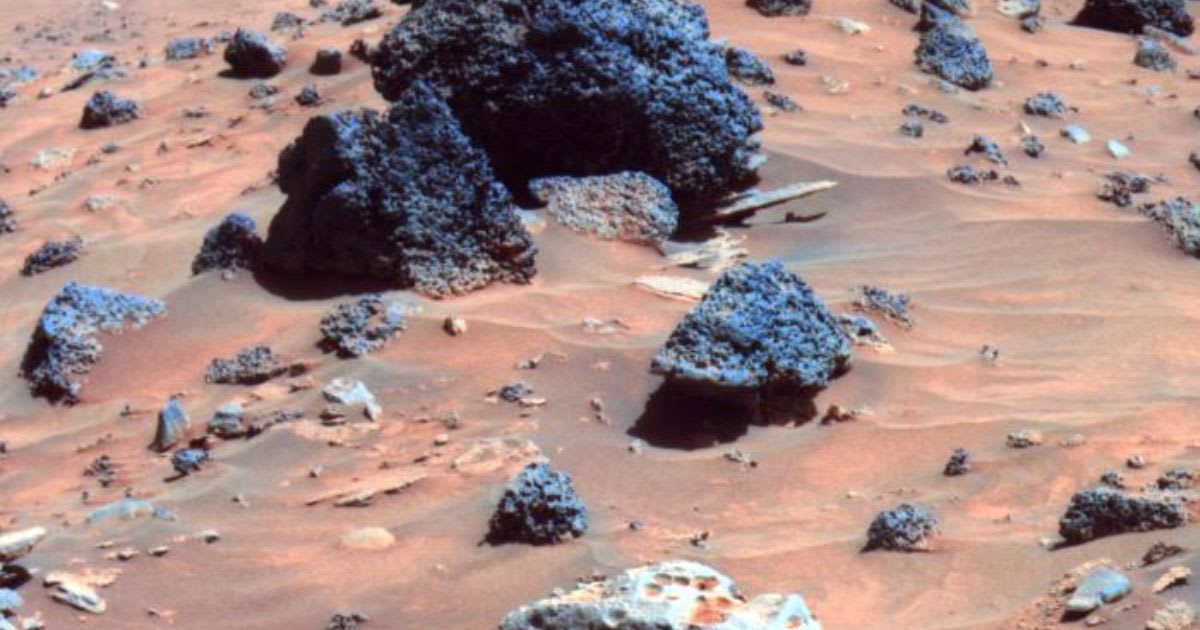
Given the components of the rock, the team noted how past Mars rovers, including Curiosity, Opportunity, and Spirit, had also found iron-nickel meteorites. This included the “Lebanon” meteorite discovered in 2014 and the “Cacao” meteorite observed in 2023. “As such, it has been somewhat unexpected that Perseverance had not seen iron-nickel meteorites within Jezero Crater, particularly given its similar age to Gale Crater and the number of smaller impact craters suggesting that meteorites did fall on the crater floor, delta, and crater rim throughout time,” NASA stated.
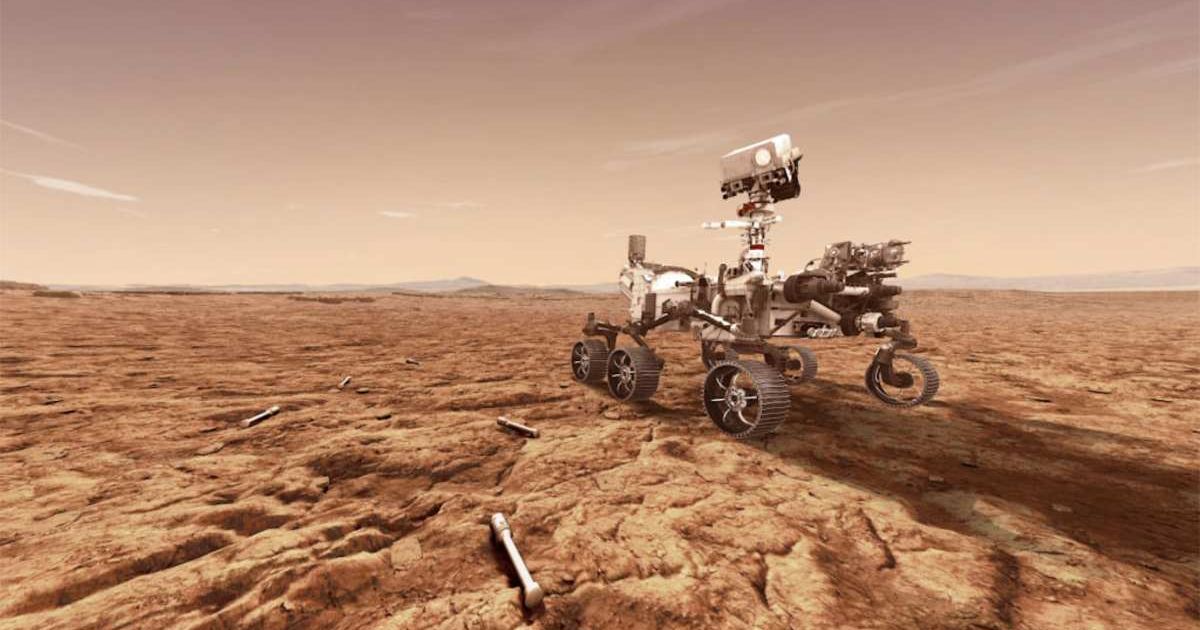
However, further analysis would be needed to confirm whether the rock was indeed the remnants of a meteorite. If confirmed to be so, this would be another significant first for Perseverance and could provide better clues about the Red Planet and its history. “Perseverance can at long last add itself to the list of Mars rovers who have investigated the fragments of rocky visitors to Mars,” NASA added. According to Science Alert, Perseverance is the first rover to collect Martian rock samples and does so with the help of an onboard drill.
The rover has a miniature lab built into it and helps researchers take a better look at the samples to identify their origins. Samples that are collected can also be stored within the rover, and if considered worthy, a piece of Phippsaksla could be returned to Earth. However, another craft is needed to aid the return of these samples, as the rover cannot make it back on its own.

Since it landed on Mars in February 2021, the rover has journeyed across ancient lake beds, found interesting rocks on the surface, and observed signs of life that may have existed on the planet. Perseverance has given us a closer look at some of the elements on the Martian landscape that were impossible to see earlier. The rover also set a new record for road trips on another planet, and the mission has not set an end date, which is a sign that the rover has a chance to achieve more, find new things, and make new discoveries.
More on Starlust
NASA’s Perseverance rover investigating Mars’ megaripples makes fascinating discovery
NASA's Perseverance Mars Rover strikes gold, discovers a trove of ancient rocks on Jezero Crater