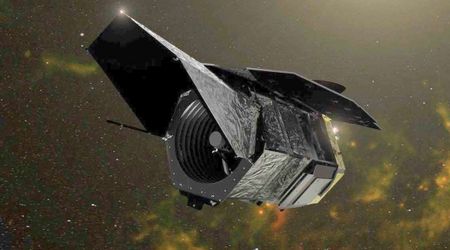
NASA's Nancy Grace Roman Space Telescope has been built—all set to unlock new secrets of the universe
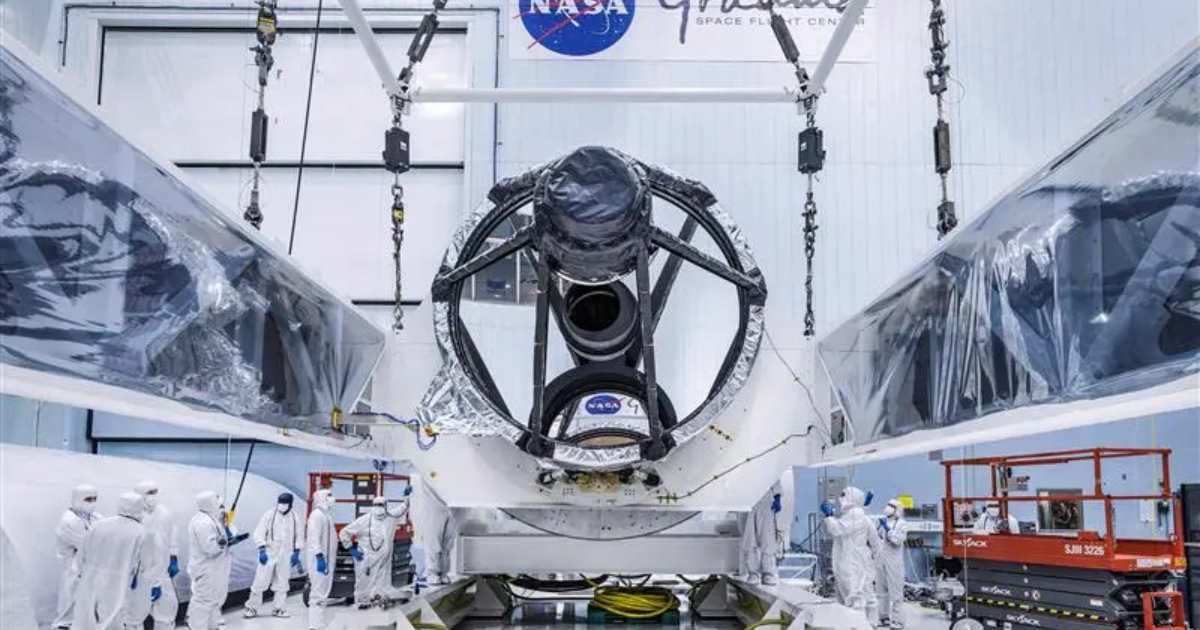
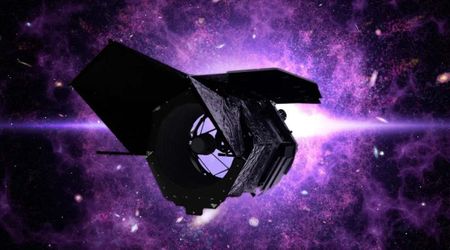
NASA has completed the full assembly of its future flagship observatory, the Nancy Grace Roman Space Telescope, which is destined to offer insights into a variety of cosmic phenomena, from dark energy and black holes to distant worlds. It is now prepared for the final stage of testing, according to the Jet Propulsion Laboratory.
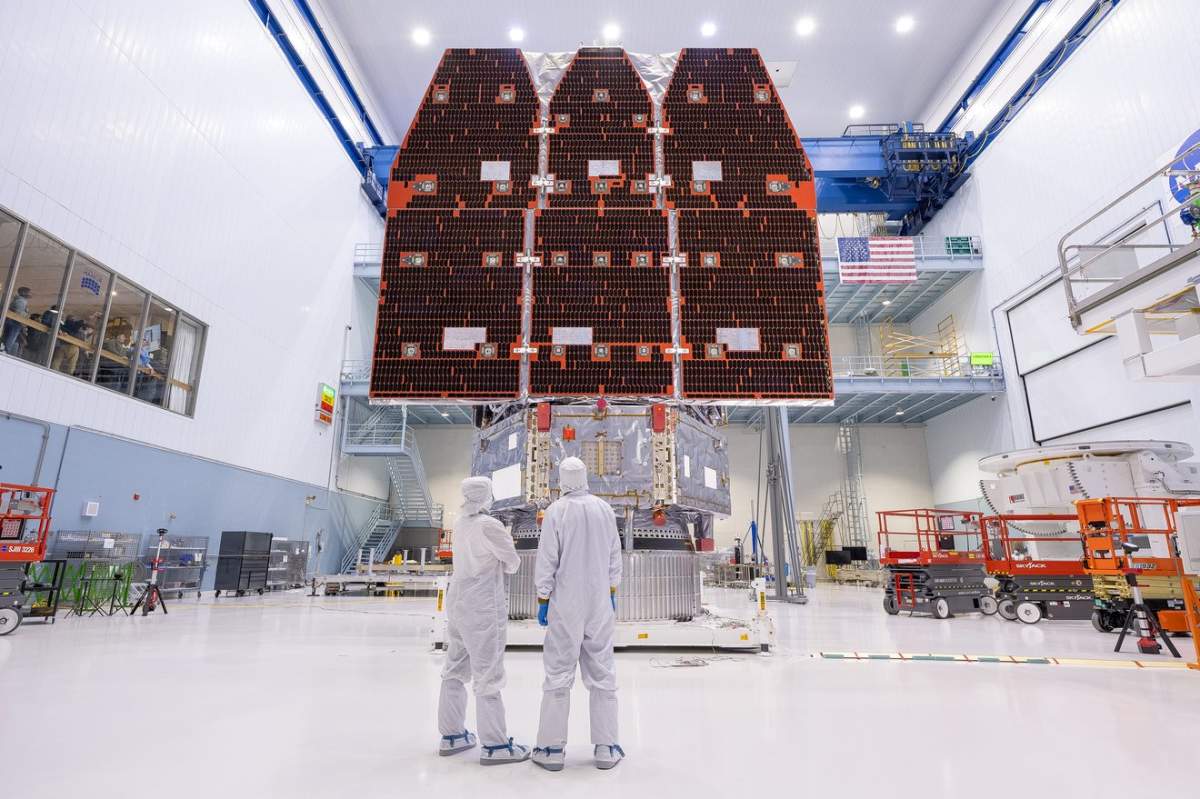
The construction phase concluded on November 25, when technicians joined the inner and outer sections of the giant telescope in the clean room at the Goddard Space Flight Center in Maryland. The Roman Space Telescope is scheduled to launch aboard a SpaceX Falcon Heavy rocket by May 2027, though the team is pushing for liftoff as early as fall 2026.

After final testing, the telescope will move to NASA's Kennedy Space Center in Florida in the summer of 2026 for launch preparations and will travel a million miles from Earth to its operational orbit. “Completing the Roman observatory brings us to a defining moment for the agency,” said NASA Associate Administrator Amit Kshatriya. “Transformative science depends on disciplined engineering, and this team has delivered — piece by piece, test by test — an observatory that will expand our understanding of the universe."
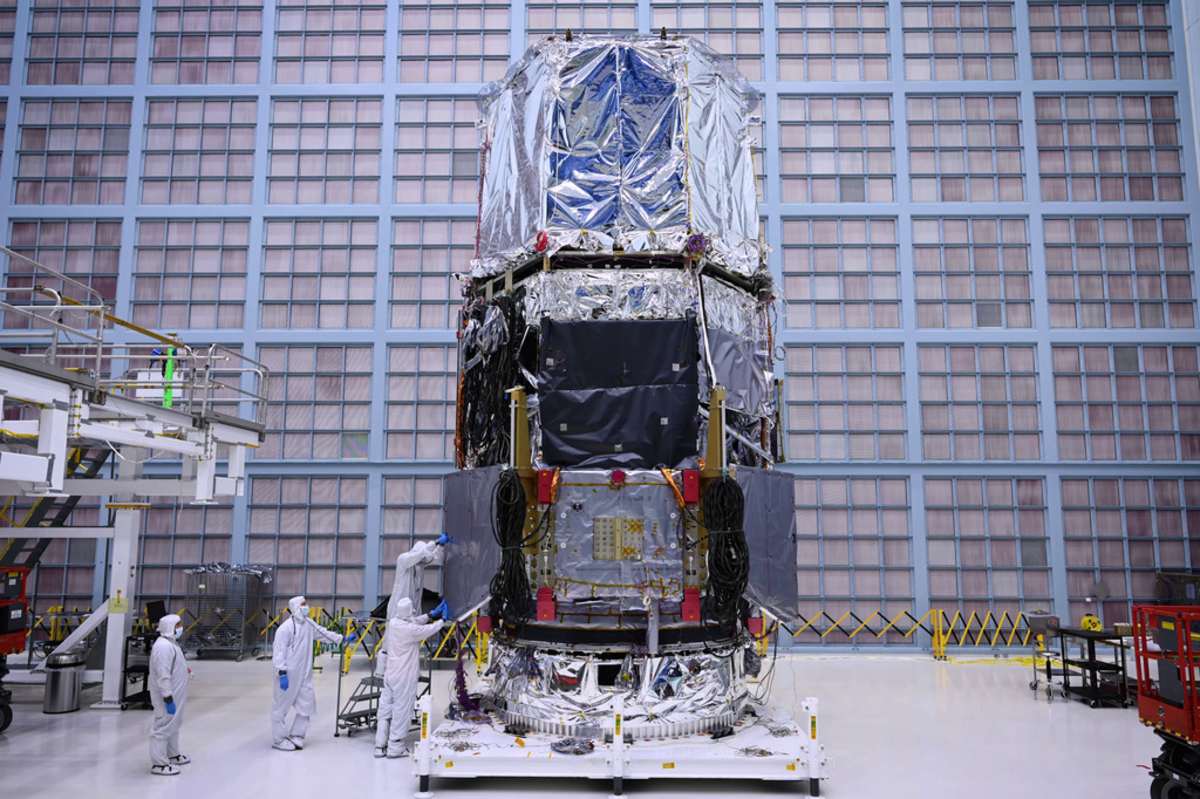
Roman is designed to usher in a new era in astronomy by pairing unprecedented infrared vision with an enormous sweeping view of the cosmos, capturing data hundreds of times faster than the Hubble Space Telescope. Its five-year primary mission is expected to generate upwards of 20,000 terabytes of data. “With Roman’s construction complete, we are poised at the brink of unfathomable scientific discovery,” says Julie McEnery, Roman’s senior project scientist at NASA Goddard. She expects the mission’s first five years to "unveil more than 100,000 distant worlds, hundreds of millions of stars, and billions of galaxies."
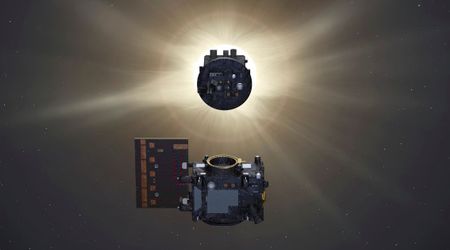
Roman has two main instruments. The Wide Field Instrument, a 288-megapixel camera, will capture patches of the sky larger than the apparent size of a full Moon, taking in everything from our solar system out to the edge of the observable universe. Meanwhile, the coronagraph comes with technologies created to block the bright glare of distant stars, which will enable scientists to directly image faint planets and dusty disks orbiting them, perhaps finding colder, older giant worlds than previously possible.
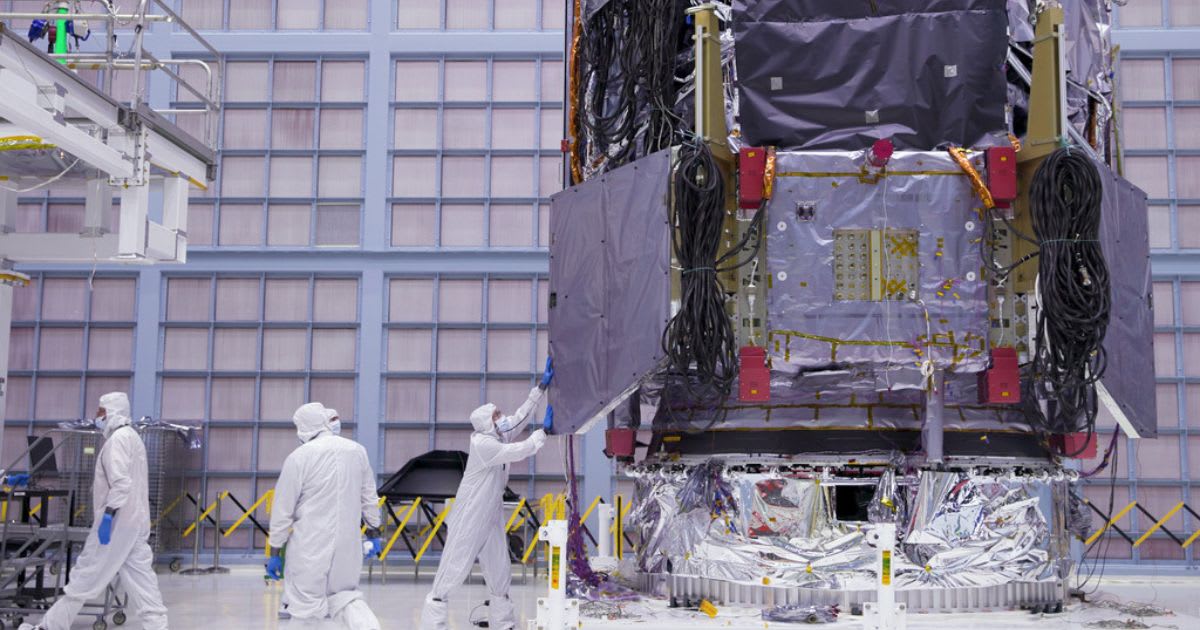
"There is something fundamental about space and time we don’t yet understand, and Roman was built to discover what it is,” said Nicky Fox, associate administrator for the Science Mission Directorate at NASA Headquarters. “With Roman now standing as a complete observatory, which keeps the mission on track for a potentially early launch, we are a major step closer to understanding the universe as never before.”
The powerful capabilities of the Roman Telescope are focused on a two-year observing program called the High-Latitude Time-Domain Survey. This ambitious plan entails repeatedly scanning the same vast swathe of the sky, enabling scientists to create a cosmic time-lapse movie. This dynamic view of the universe is tailor-made to catch celestial events in action. Chief among the mission's targets are Type Ia supernovae, exploding stars that are critical to measuring the universe.
More on Starlust
NASA's Nancy Grace Roman Space Telescope survives another round of tough space tests
NASA's Roman Telescope to probe dark matter using Einstein's gravitational lensing