NASA's astrophysics mission gets delayed amidst significant budget cuts, with new dates in 2026

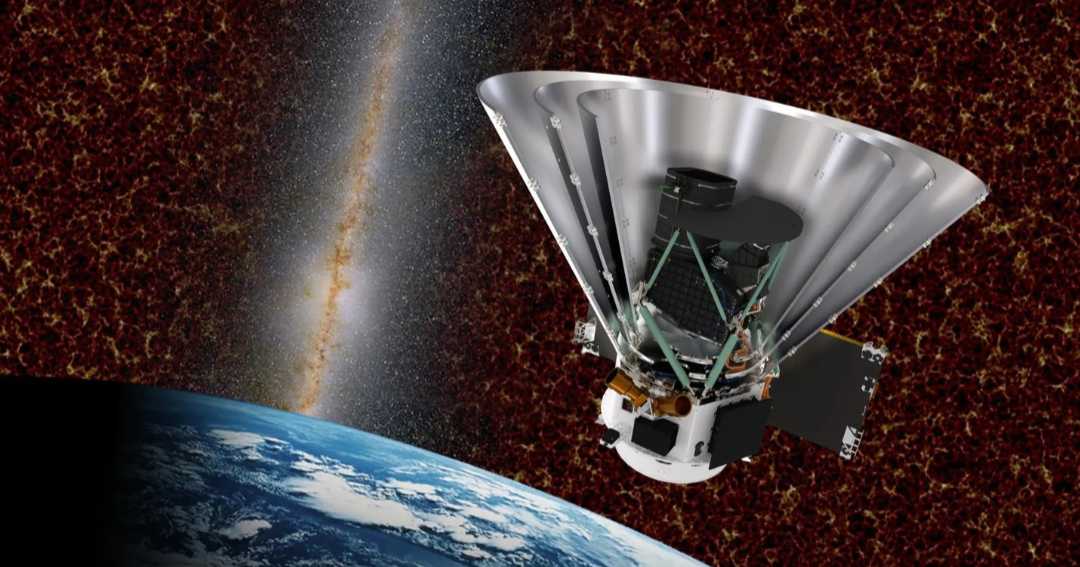
NASA is hitting the brakes on the next competition for an astrophysics mission as it gets delayed until next year. The release of the next announcement of opportunity (AO) for the Small Explorer (SMEX) mission is expected no earlier than April 2026, according to a statement by NASA. These missions are generally low-cost space science investigations that address particular scientific questions in astrophysics. The AO is likely to have a draft in January before it is officially released this April. Though not stated by the agency itself, the delay could be a result of the new budget proposal. It is rumored that there is significant pressure on funds for the agency’s science programs in the proposal, per SpaceNews.

The astrophysics community is pondering the slashing of two-thirds of the budget down to $487 million for astrophysics, reports Ars Technica. This information was acquired from a budget “passback” document that was delivered to NASA by the Office of Management and Budget, which got leaked somehow. Shawn Domagal-Goldman, acting director of NASA’s astrophysics division, had stated earlier this month that they were to release the AO by the end of the month. “The SMEX call is going to be dependent on the budgets that we’re getting for ’26 and beyond,” he commented.

At the time of the statement, NASA had yet to receive the passback that would detail the budget negotiations. “Our plan is to wait until we have knowledge of what the budget climate is going to be under this administration before we go forward with a release,” Domagal-Goldman further stated. The delay of the AO follows the concerns about NASA’s overall science budget being cut by 50%. A group of advocates also reached out to authorities in an attempt to display the grave consequences of the cut on the agency and the science community.

“A 47% reduction to NASA Science would represent a surrender of American leadership in a domain it has long defined,” the advocates' letter expressed. This step was a surrendering of the throne, according to the community, and it would cause “irreparable damage upon the nation’s space science enterprise.” Louise Prockter, the director of NASA’s planetary science division, said while hinting at the release of NASA’s “skinny” budget proposal this month.

The SMEX program and its AO detail the assigned cost for every step, except launch, to be $170 million. The Compton Spectrometer and Imager (COSI) was the most recent astrophysics SMEX mission, selected by the mission in 2021 and scheduled for a planned launch in 2027. The draft AO of NASA reflected on nine-month study contracts for two or three finalists in March 2026. The winning proposal was to be selected in the second quarter of 2027, with a launch before May 2031.

As the agency awaits its complete budget proposal around Memorial Day, they are sure to make some internal changes, strategizing on how to prioritize missions based on assured budget cuts. There are also reports of several NASA employees getting laid off in the aftermath of these events. The scientific community is taken by a wave of concern as the future of science and space studies hangs in the balance. Yet, the progress of the flyby mission to the moon, the subsequent landing mission, and the mission to explore Mars soothes them with hope.