NASA’s 2025 Aerospace Safety Advisory Panel report reveals critical 'risks' for Artemis III mission
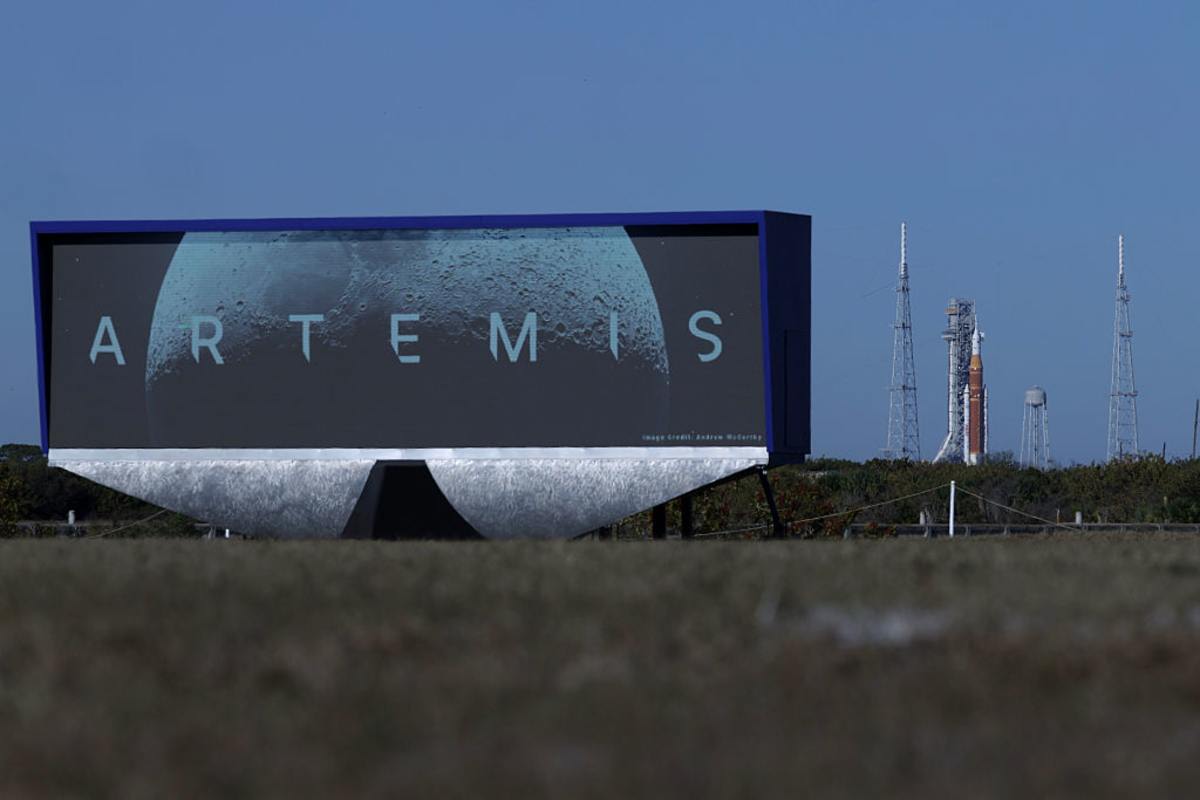
The Aerospace Safety Advisory Panel (ASAP) has submitted its 2025 annual report on the performance of NASA. The report by an independent panel essentially asks NASA to raise its game in operating its various spaceflight programmes. While the panel did note NASA’s achievements in certain aspects, it has pointed out many areas of improvement for the agency in no uncertain terms. One of the key observations brought focus on Artemis III and how NASA’s plans for it might invite risks.
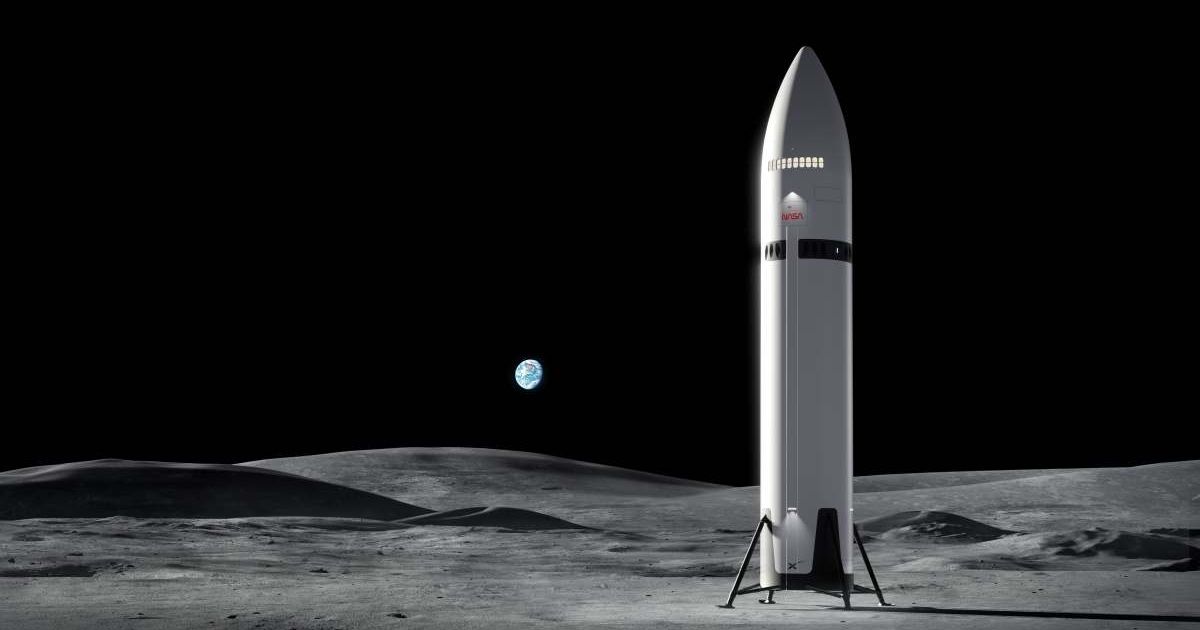
While the pursuit of landing humans on the Moon is a risky proposition by its very nature, the report deals more with the contentious architecture and decisions chosen by NASA’s leadership for this mission. To them, too many objectives have been packed into a single mission after Artemis II, contrary to the gradual approach of Apollo missions more than 50 years ago. For context, NASA contracted SpaceX in 2021 to develop a spacecraft that can land humans on the Moon and bring them back to the Orion capsule safely for Artemis III. SpaceX, while having made some progress on its futuristic-looking Starship Human Landing System (HLS), has met several challenges in testing its flight systems, the report noted. ASAP also deemed the decision to choose a 170-foot-tall HLS for landing on the rough terrain of the lunar poles in poorly-lit conditions "questionable at best."
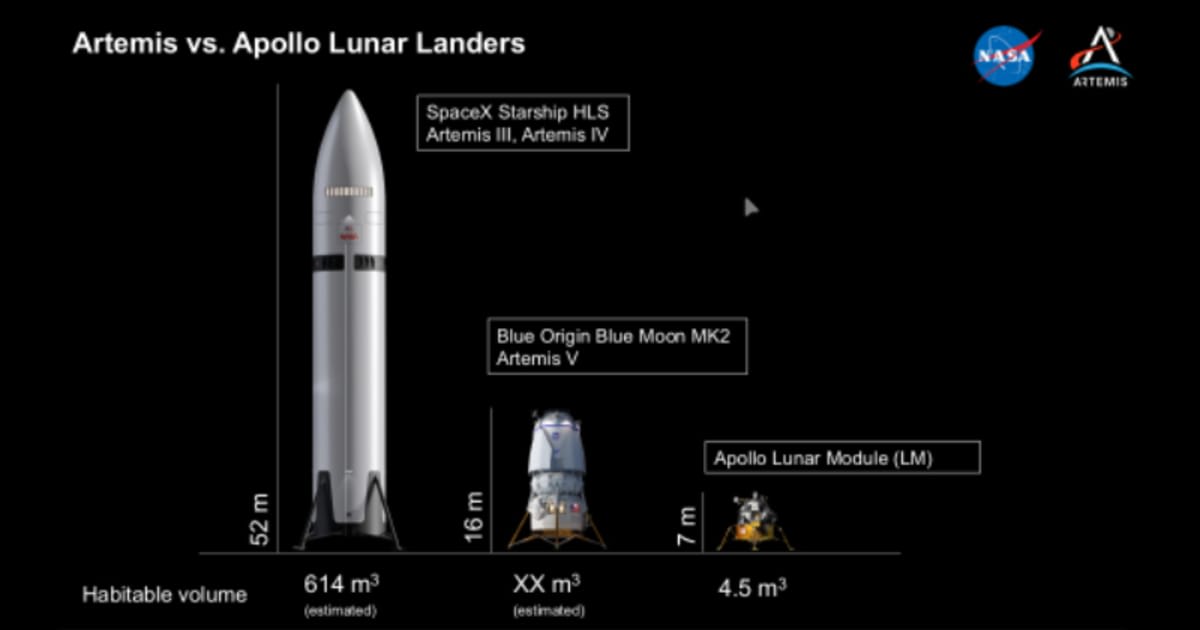
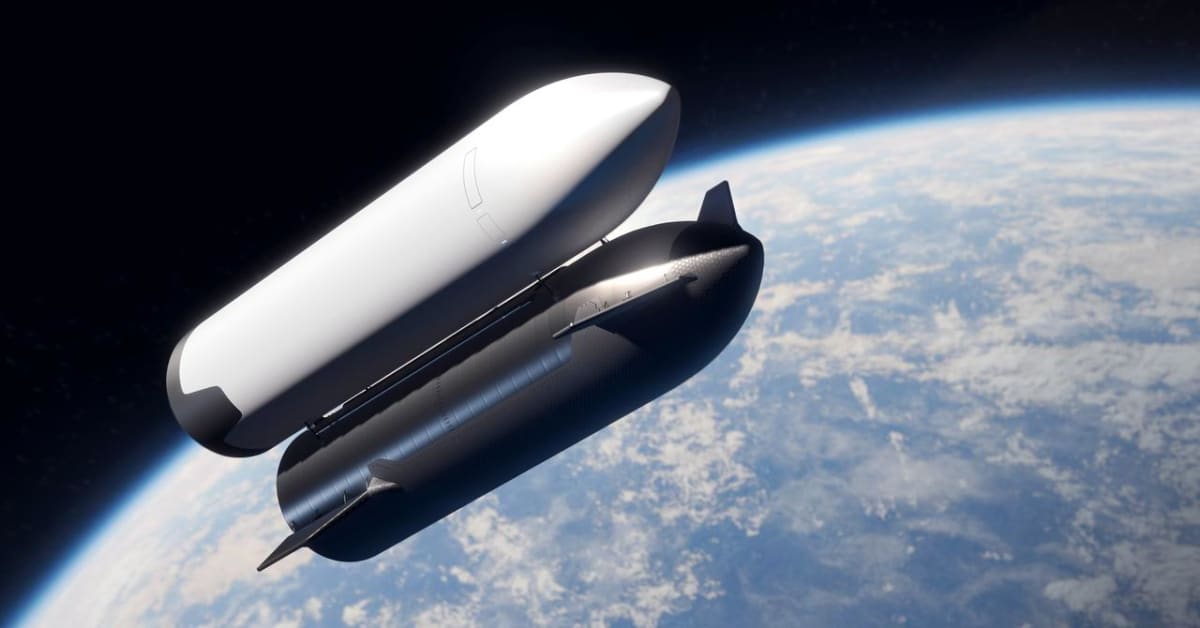
The company has proposed at least twelve “tanker” launches for refuelling Starship HLS in Earth’s orbit before departing for the Moon. The panel, while examining the 2028 launch plans, expressed their reservations about NASA's ability to test every component involved. With delays of multiple years already, a requisite uncrewed lunar touchdown using HLS needed to be achieved by SpaceX before Artemis III seemed unlikely. “This is especially evident with the HLS, given its intricate operational design, complex concept of operations, and challenges during their ongoing flight test program. Taken together, these difficulties cast doubt on the current Artemis III timeline and the feasibility of the Artemis III mission goals,” read the report.
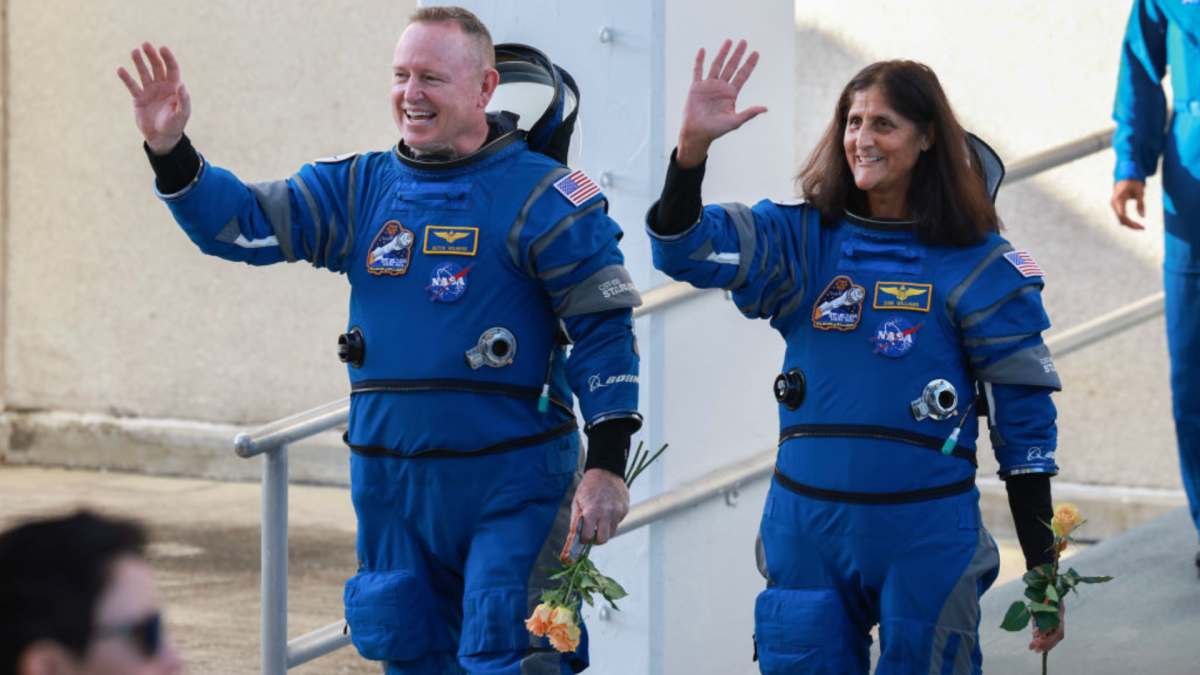
Historically, NASA has always been led by government directives and kept safety at the very top of its agenda. However, the panel has noted a significant shift in how its objectives are programmed and executed with the increasing commercialization of space. The panel, comprising less technically-inclined persons, was set up by the US Congress in 1968 as a means for oversight. It is concerned about a culture of fulfilling service contracts, having spoken with astronauts, employees, and managers at NASA. Rather than working towards mission objectives in unison, the panel has identified a trend of various entities being fogged by their individual responsibilities. They have quoted the Starliner debacle and crew feedback of some externally-delegated aspects of the Commercial Crew Programme as not being isolated events. These instances, they said, speak to a general trend that is alarming.
Scathing as the ASAP report was, especially while addressing Artemis III, it also commended NASA, Boeing and SpaceX for their long-standing contributions to research returning from the International Space Station’s low-Earth orbit. But with ISS on its last legs before a 2030 de-orbit, additional safety risks present themselves, needing extra caution. NASA administrator Jared Isaacman, adopting a tone of taking criticism in their stride, stated, “Independent assessments like this will make NASA better. The panel’s report underscores areas where we must raise the bar, from how we structure oversight and manage integrated risk to how we declare and learn from anomalies. We are wholly committed to transparency. That’s how we protect crews, earn trust, and keep the Artemis lunar campaign and our transition to a commercial presence in low Earth orbit on a safe, sustainable path.”
More on Starlust
All hands on deck: The international collaboration behind Artemis II's SLS rocket and Orion capsule
Artemis II crew will use this roller-coaster-inspired system to escape to safety during emergency