Lockheed Martin to build 2 more critical GPS IIIF satellites for U.S. Space Force, delivery expected by 2031

The U.S. Space Force has contacted Lockheed Martin for two more advanced GPS III Follow-on satellites (numbers 21 and 22), costing $509.7 million. These satellites are crucial for improving global positioning, navigation, and timing services for both military and civilian applications. Expected to be delivered by 2031, this order falls under an existing 2018 contract. The Space Force has now ordered a total of 12 satellites through this contract, bringing its total value to $4.1 billion, as per SpaceNews.

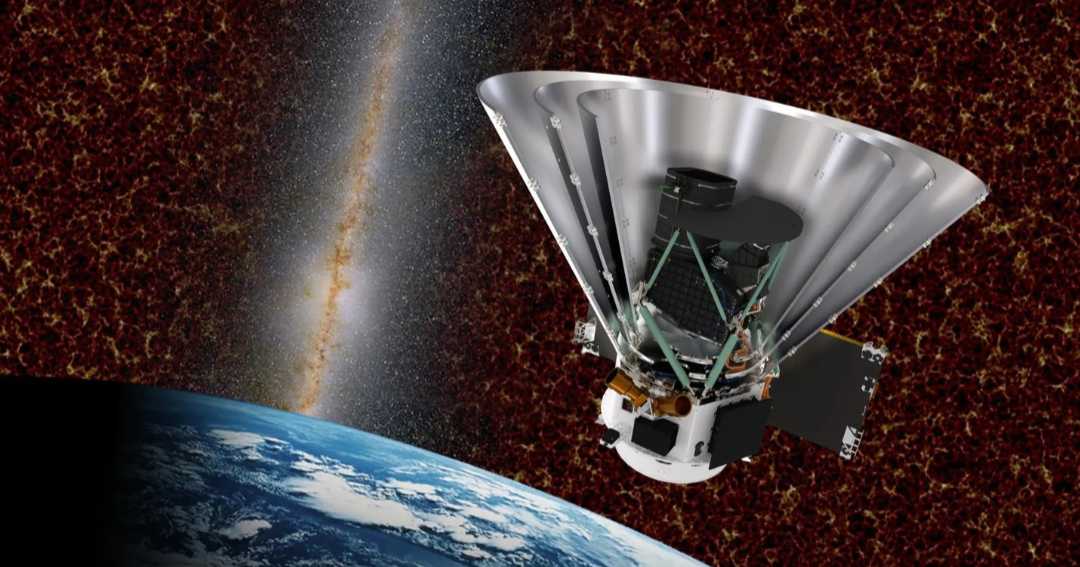
The GPS IIIF series represents the latest advancement in the Global Positioning System, which is used by over 6 billion people worldwide for geolocation. These new satellites offer significant upgrades, including improved resistance to jamming, greater accuracy, and new functionalities. Key among these are an enhanced payload for detecting nuclear detonations and a next-generation system for search and rescue operations.
Further emphasizing Space Force's pivotal role in national security, President Donald Trump's Golden Dome missile defense program will now be led by Space Force General Michael Guetlein. This initiative, briefed in the Oval Office on May 20, 2025, aims to build a comprehensive shield against advanced missile threats to the United States by integrating next-generation technologies across land, sea, and, notably, space. The administration has officially approved an "architecture" for this ambitious program, which, like the GPS IIIF satellites, highlights the increasing reliance on space-based assets for critical defense capabilities, extending beyond navigation to active missile interception and detection.

Previously in 2022, the U.S. Space Force continued its extensive modernization of the Global Positioning System, announcing on November 28 that it had ordered three additional GPS 3F satellites from Lockheed Martin for $744 million. This procurement was part of the fourth option exercised under a 2018 agreement, which held a potential value of $7.2 billion for up to 22 satellites. Prior orders under this contract included a $1.3 billion acquisition in September 2018 for two GPS 3Fs satellites (space vehicles 11 and 12), a $511 million contract option in October 2020 for two more (space vehicles 13 and 14), and a third option for space vehicles 15, 16, and 17, valued at $737 million. The GPS 3F contract option covered space vehicles 18, 19, and 20, per SpaceNews.
This ongoing effort to modernize the GPS constellation is a direct reflection of the Space Force's core mission. Established on December 20, 2019, it marked the first new branch of the armed services since 1947. Its creation stemmed from a broad understanding that space is crucial for national security. Amidst growing threats from strategic competitors in the space domain, it became evident that a dedicated military service was essential to ensure U.S. superiority in space. This move underscored the critical importance of safeguarding and advancing American interests in the increasingly contested orbital environment, as mentioned by the United States Space Force.