Japan’s H3 rocket fails to plant geolocation satellite into orbit, officials report
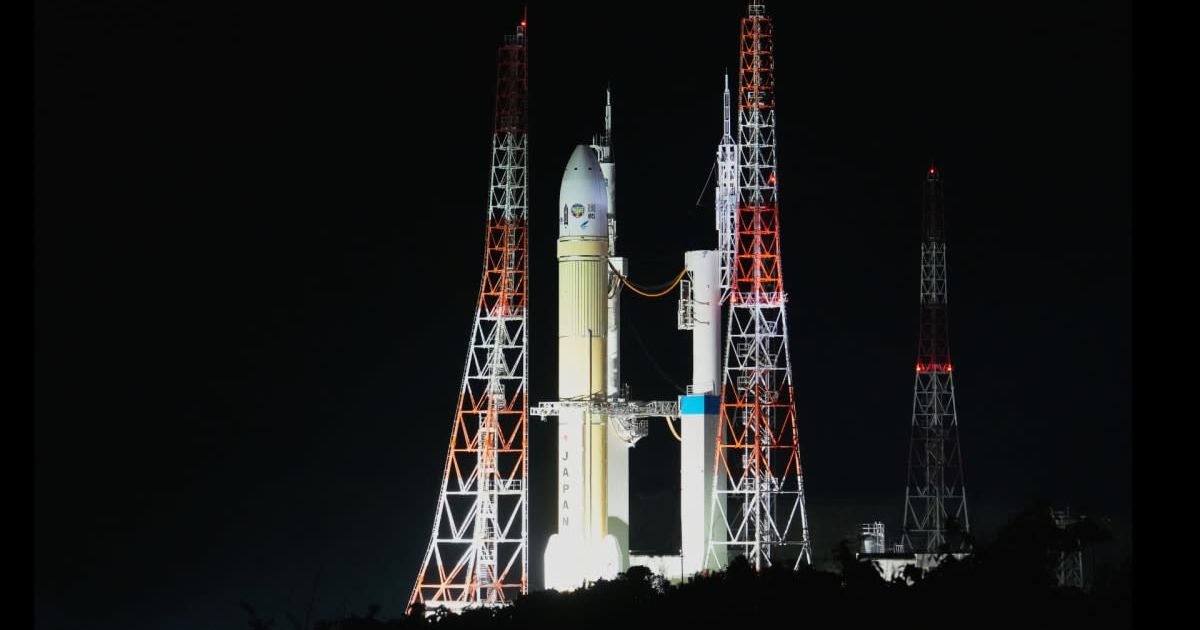
Japan’s new flagship H3 rocket was launched from the Tanegashima Space Center on Sunday, December 21, 2025, at 8:51 p.m. EST (0151 GMT and 10:51 a.m. local Japan time on December 22). However, the eighth-ever mission of the Japan Aerospace Exploration Agency’s (JAXA) H3 rocket hit a snag when it failed to deliver its payload into the planned orbit. According to an official statement by JAXA, the 8th H3 Launch Vehicle (H3 F8) was carrying the Michibiki 5, or QZS-5 satellite. The second-stage engine’s second ignition failed to start normally and shut down prematurely.
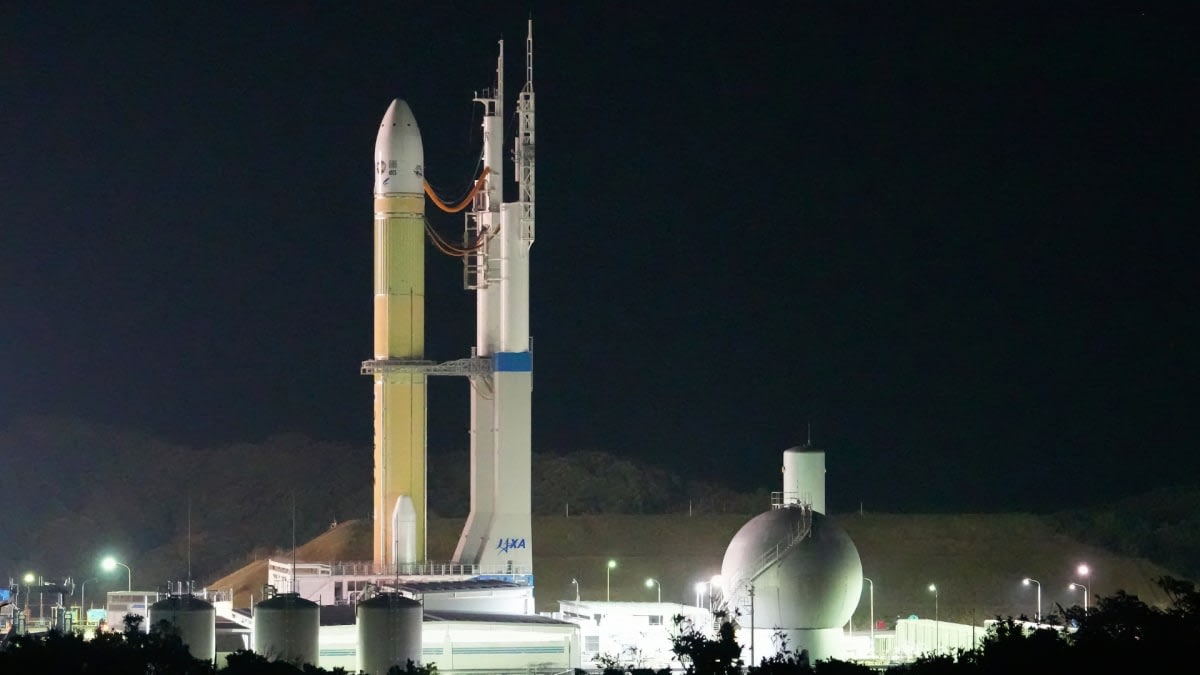
The statement highlighted the high expectations set on the country’s new flagship rocket and its space launch program. They expressed apologies to the team involved with the QZS-5, local organizations, and the public. The space agency confirmed that they set up a special task force headed by President YAMAKAWA, the investigations of which will reveal the cause. Masashi Okada, a JAXA executive and launch director, said during a news conference that the separation of the satellite from the rocket could not be confirmed.
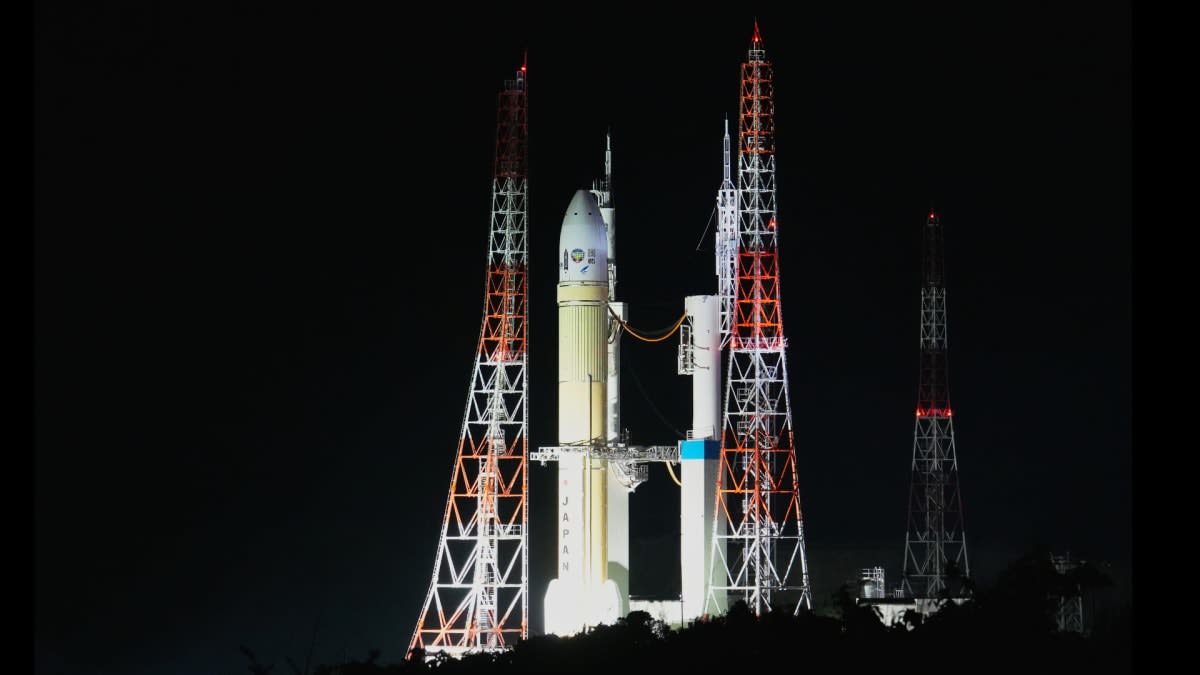
This new flagship mission had six successful flights, and this failure was the second since its botched 2023 debut flight. The Michibiki 5 weighed 10,580 pounds and was to be a part of the Quasi-Zenith Satellite System (QZSS), Japan’s homegrown navigation network in geosynchronous orbit. "QZSS (Michibiki) has been in operation since November 2018 to develop a satellite positioning service that can be used stably in all locations at all times. This system is compatible with GPS satellites and can be utilized with them in an integrated fashion," reads the description of the QZSS project.
I’m not sure but it is possible there was a failure of the @JAXA_en MICHIBIKI No. 5, Quasi-Zenith Satellite System (QZS-5) launch a few minutes ago. This was launched aboard the 8th H3 Launch Vehicle (H3 F8) and the 2nd stage may have cut off almost 1.5 Km/sec early, which would… pic.twitter.com/o3zwtnmXfq
— Joe Tegtmeyer 🚀 🤠🛸😎 (@JoeTegtmeyer) December 22, 2025
The system presently has five operational satellites, and Michibiki 5 was supposed to be the sixth. If the planned launches go smoothly, Japan will have a network of seven satellites by March 2026 and an 11-satellite network by the end of the 2030s. As far as the two-stage H3 rocket is concerned, it is the product of a collaboration between JAXA and Mitsubishi Heavy Industries.
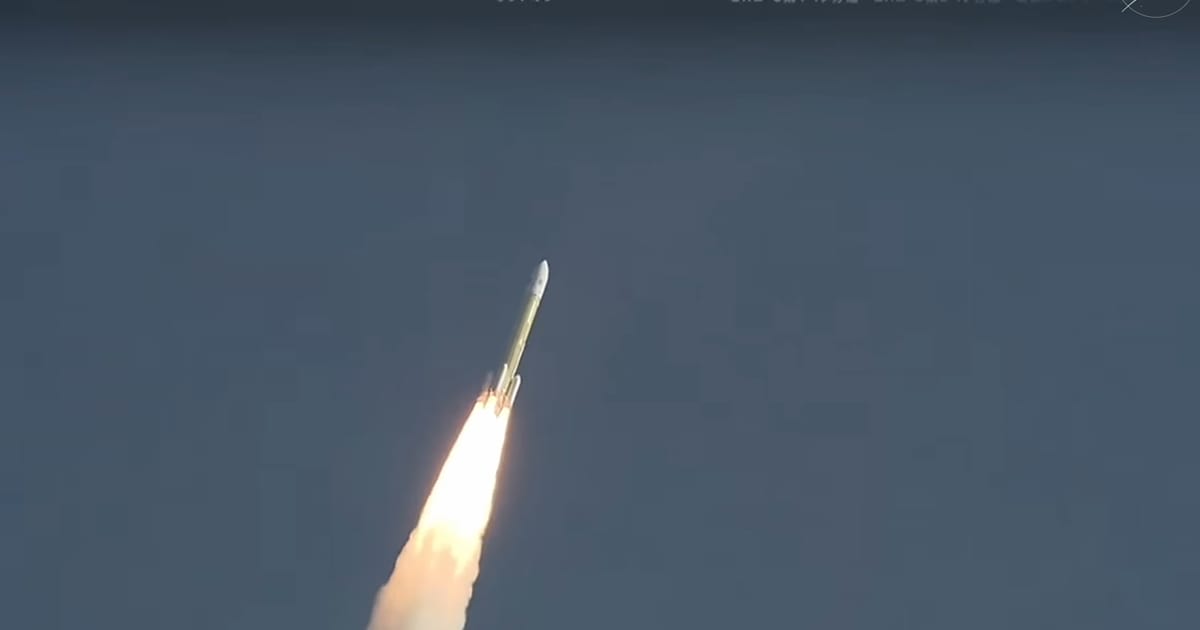
The H3 rocket is the successor to the earlier H-2A, a workhorse launcher that has achieved great success in orbital service. This rocket was retired in June after around 25 years of service, and the H3 is more cost-competitive in the global space market. It is key to Japan’s space program and national security, given its stable and commercially competitive space transport capability. “We will pull ourselves together so that we won’t fall behind rivals. We’ll fully investigate the cause and put H3 back on track,” said Makoto Arita, JAXA’s H3 project manager.
Todays H3 launch from Tanegashima appears to have failed to boost the payload into the final transfer orbit. The second stage hydrogen tank began losing pressure soon after launch, which appears to have affected second stage performance leading to a late SECO, and then a failed… pic.twitter.com/Mm3Z8jVFYY
— Scott Manley (@DJSnM) December 22, 2025
According to the Associated Press, this latest launch took place five days after JAXA aborted 17 seconds before liftoff. They reported something unusual with the water spray system at the launch facility, which followed some issues with the rocket.
More on Starlust
Starship Flight 8 explosion caused by ‘flash' in engines, says SpaceX as it details cause of failure