ISRO aces qualification tests of major spacecraft systems for crewed Gaganyaan mission
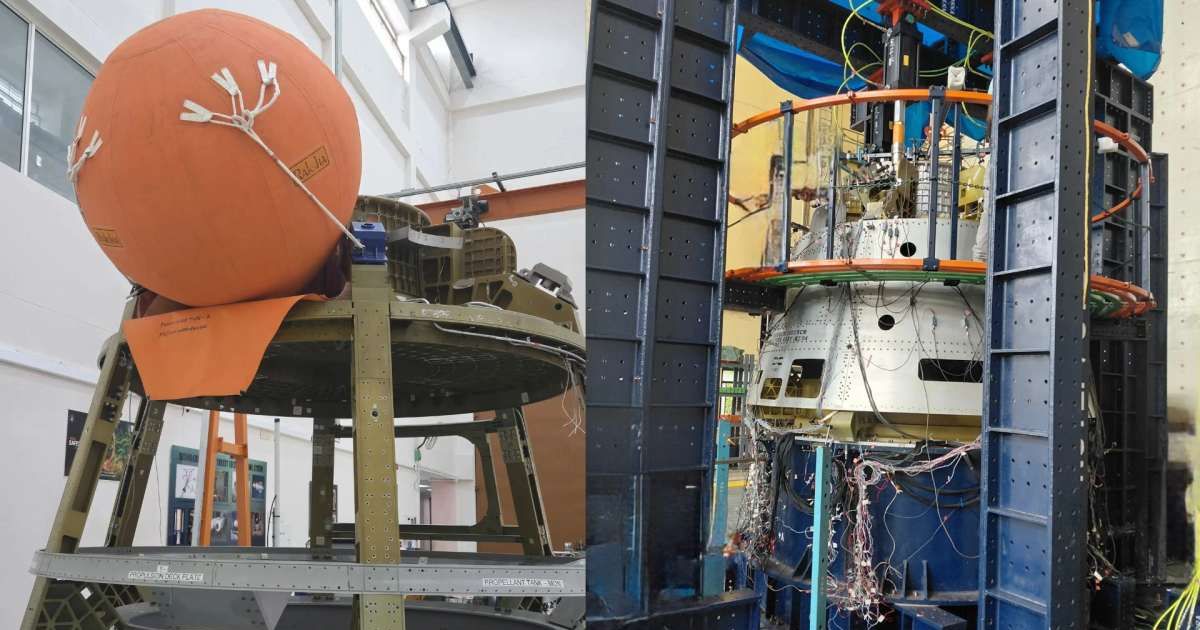
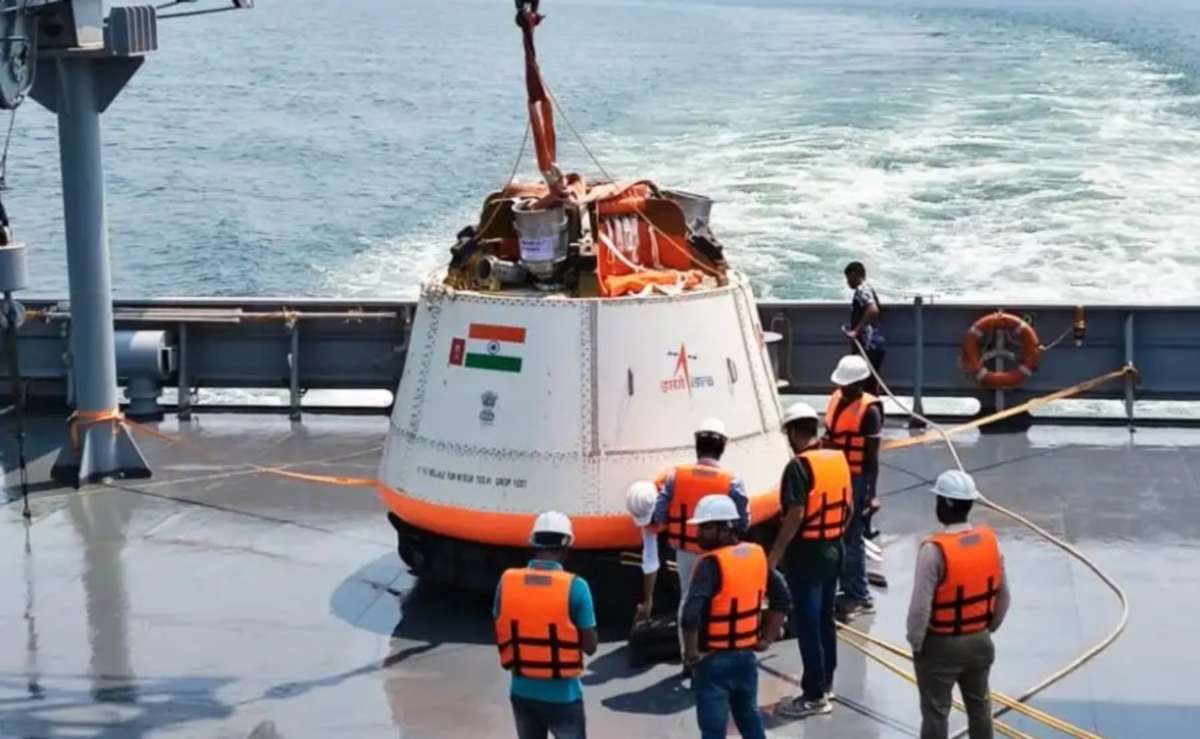
ISRO recently achieved several major milestones that have brought it closer to the launch of India’s first human spaceflight under the Gaganyaan program. In a statement released on July 12, the agency announced the completion of three qualification tests of the Crew Module that will take astronauts to low-Earth orbit soon. All three tests focused on ensuring that the spacecraft makes a safe reentry and splashdown in the ocean at the end of the mission.
The announcement comes as ISRO is gearing up to launch three Indian nationals to a 400-km orbit in a spacecraft entirely developed using homegrown technologies. The mission, which has suffered multiple delays over the last few years, is scheduled to launch no earlier than the first quarter of 2027.
What tests did ISRO complete?
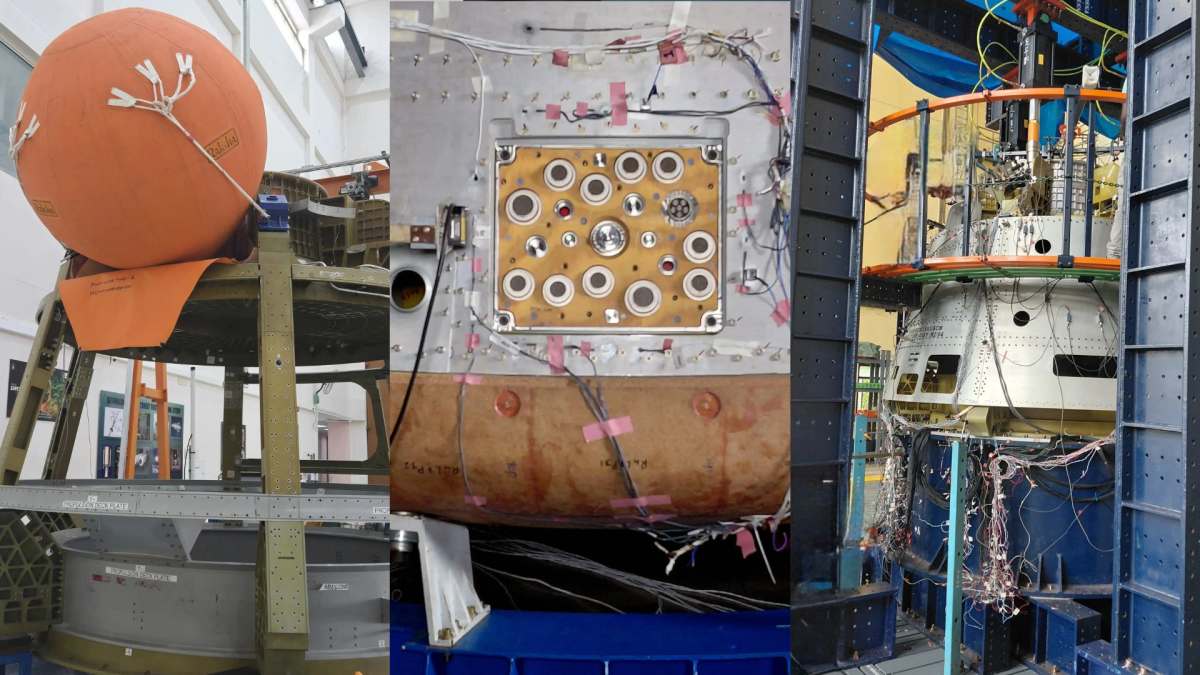
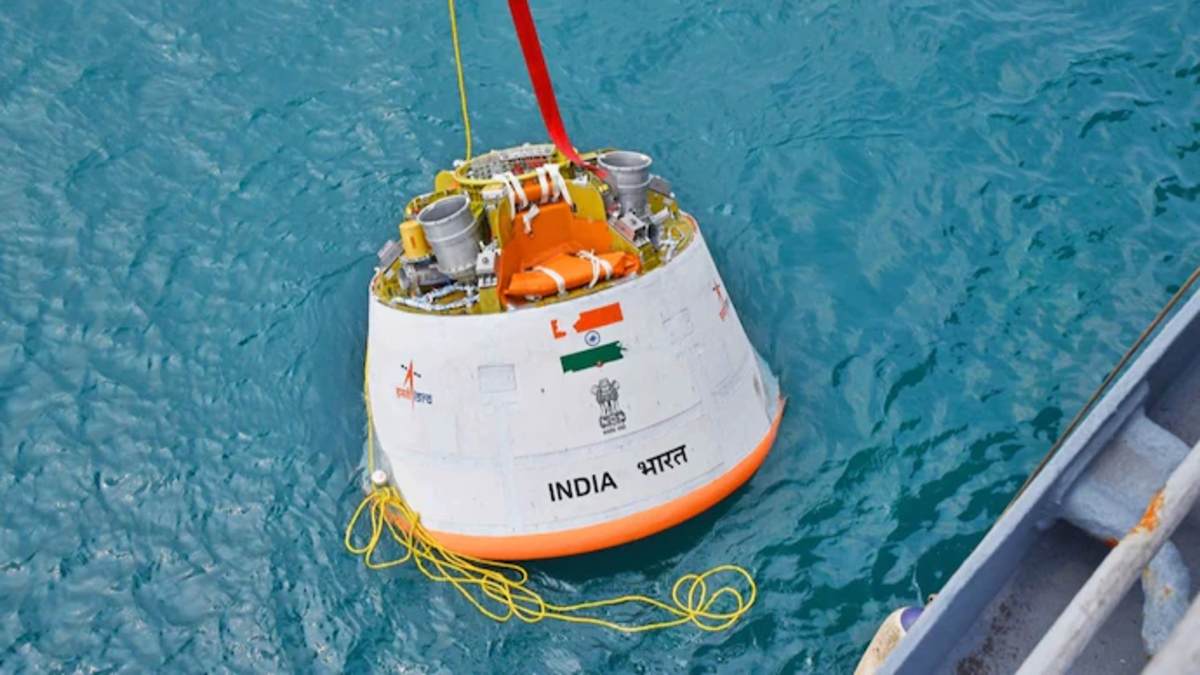
The first of three major tests was the float inflation test of the Crew Module Up-righting System (CMUS). When the spacecraft splashes down after reentry, it should remain upright to ensure the safety of the astronauts and a smooth recovery process. This test was to validate just that. The crew module contains flotation bags that will inflate upon splashdown using gas in a high-pressure gas bottle.
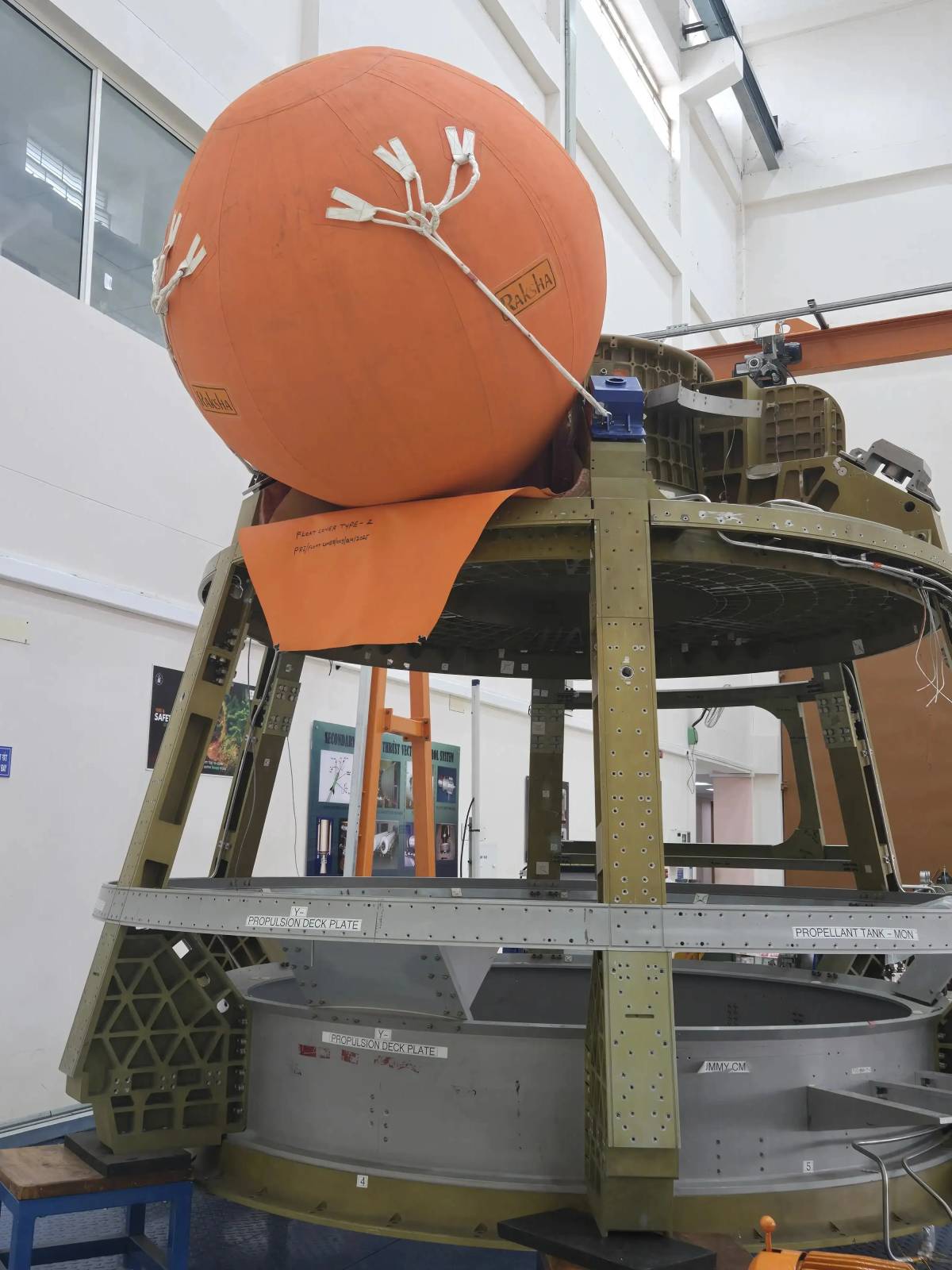
“The tests demonstrated the inflation module meeting the functional and performance requirements for deployment of the primary flotation. The test also demonstrated the inflation time requirements over the complete operating range of gas bottle pressures,” ISRO said in a statement.
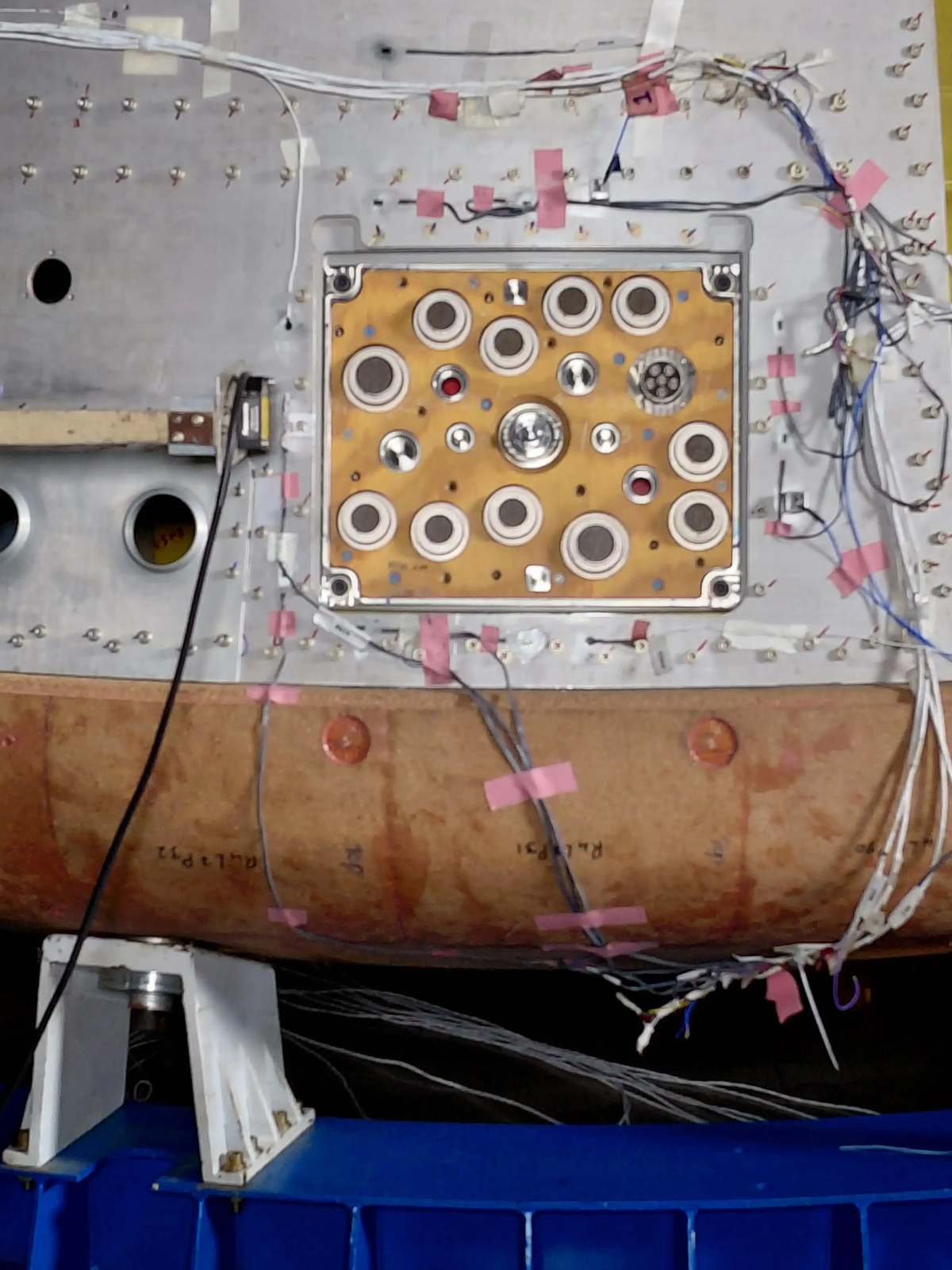
The second test involved the umbilical separation of the Crew Module Service Module - Connect Disconnect System (CS-CDS), which would disconnect the electrical and life-support connections between the crew and service modules before reentry. The Crew Module, where the astronauts sit, and the Service Module, which contains propulsion, power, and support systems, are connected by the CS-CDS system, consisting of electric cables and pipes carrying gases and fluids. According to ISRO, this system has two umbilicals, CSU-1 and CSU-2, and the latter was successfully disconnected from the capsule under simulated conditions.
“The test demonstrated the clean separation of CSU-2 as well as structural stability of the Crew Module panel and their interfaces. The test validated the functionalities of integrated CSU-2 system and demonstrated the required design margins,” ISRO said.
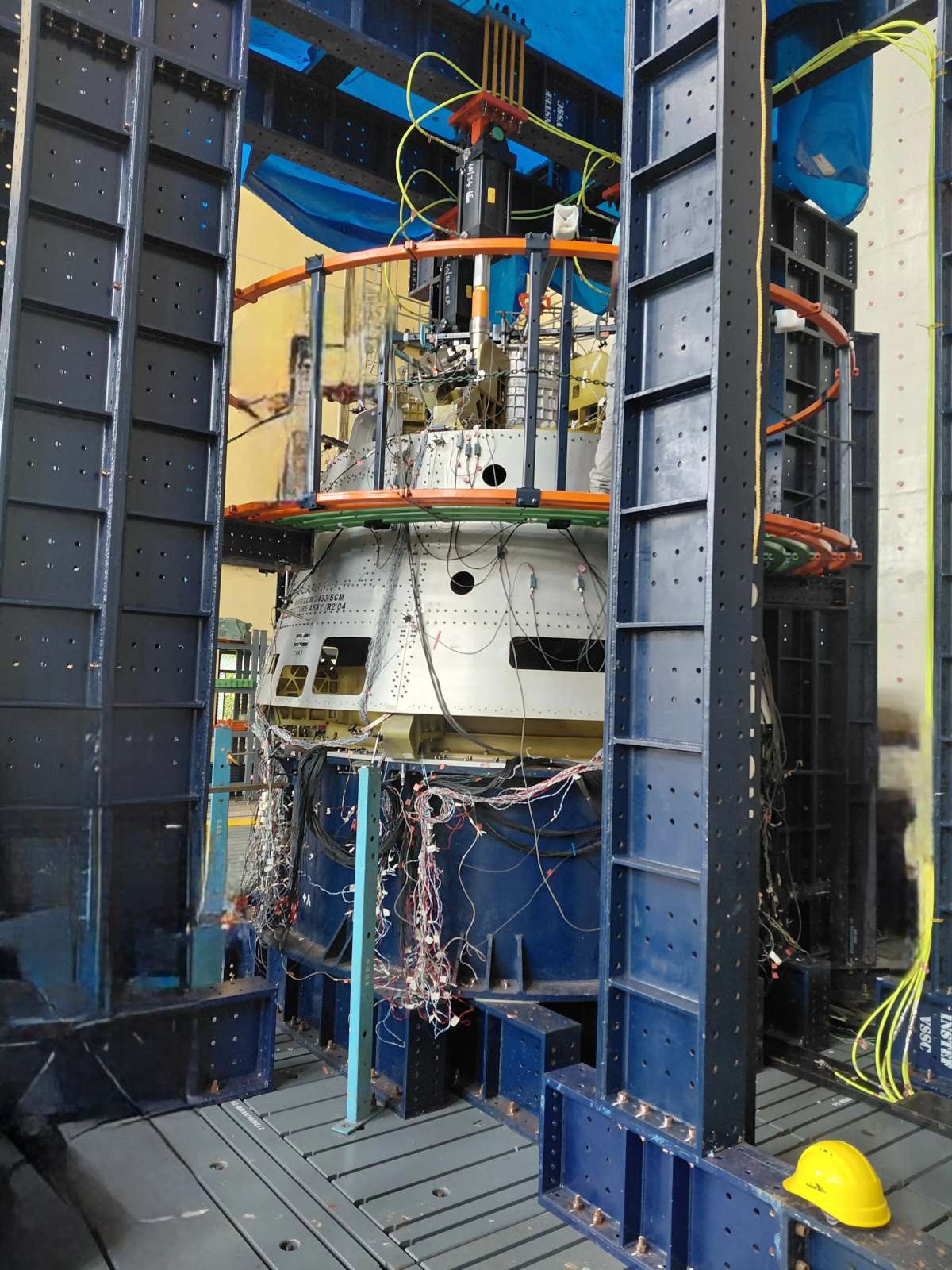
The third major milestone was completing the structural test of the Crew Module during the separation of the apex cover that protects the parachutes and associated subsystems during the mission. The apex cover will separate during the final descent phase using pyrotechnically actuated thrusters, and the spacecraft must withstand the pyrotechnic shock in order to deploy the parachutes for a stable descent.
To test and validate the cover’s structural integrity, ISRO applied approximately 1.75 times the estimated separation loads at identified locations of the spacecraft. All the measured strain and deformations during the tests confirmed the design margins and also validated the structural integrity, the agency said. Just last week, ISRO completed a critical airdrop test to qualify the capsule’s main parachute ahead of the uncrewed test flight that is likely to take place later this year.
More on Starlust:
Rookie NASA astronaut Anil Menon set to blast off to ISS with Russian cosmonauts today—details here
Starship Flight 13 slated for launch on July 16 as SpaceX looks to fix past problems