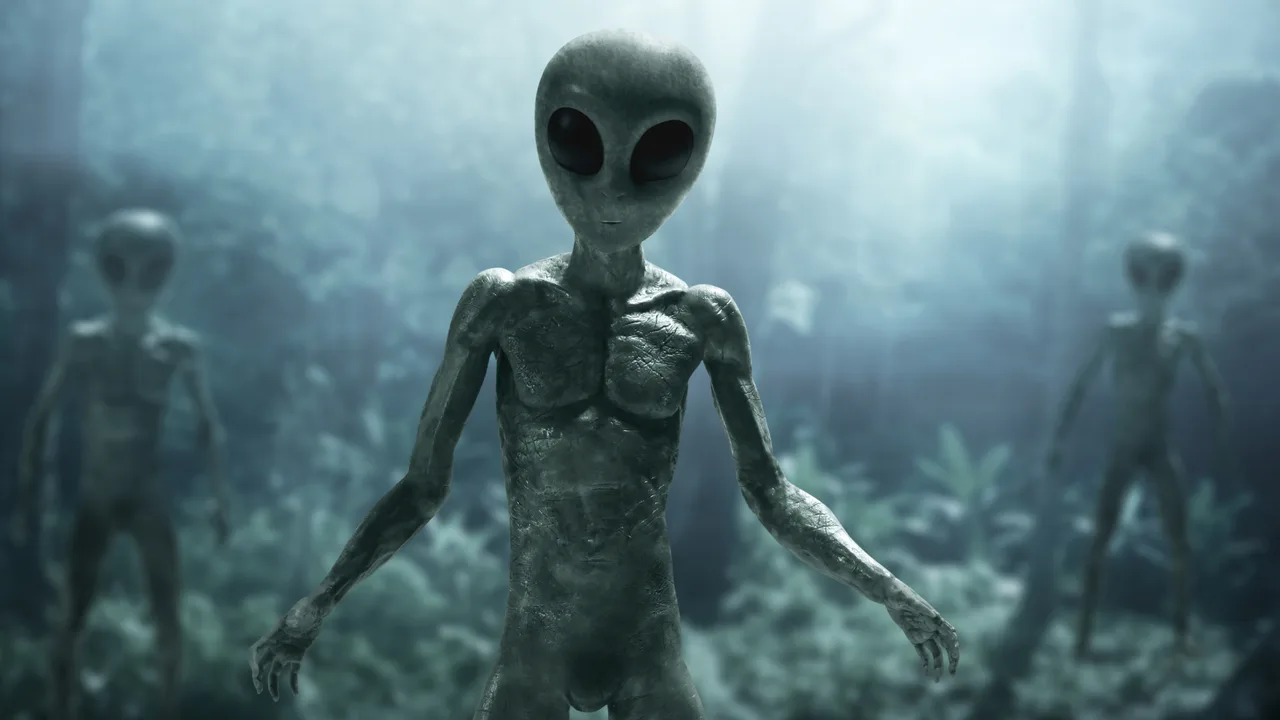
Contacting aliens could be our "biggest mistake in human history," warns physicist; here's why
Is it dangerous to actively search for intelligent aliens?
For decades, scientists around the world have been searching for signals from other worlds in the hope of finding signs of alien life. So far, we have not found any conclusive evidence that intelligent aliens exist. Even then, a growing debate within the scientific community argues that deliberately broadcasting our location into the unknown is a “potentially self-destructive strategy” and could put our planet Earth at risk. Others, however, strongly disagree with that idea.
Here's a look at what scientists believe could pose a real danger if we continue signaling our presence to intelligent alien life.
Why do some scientists think searching for aliens is dangerous?
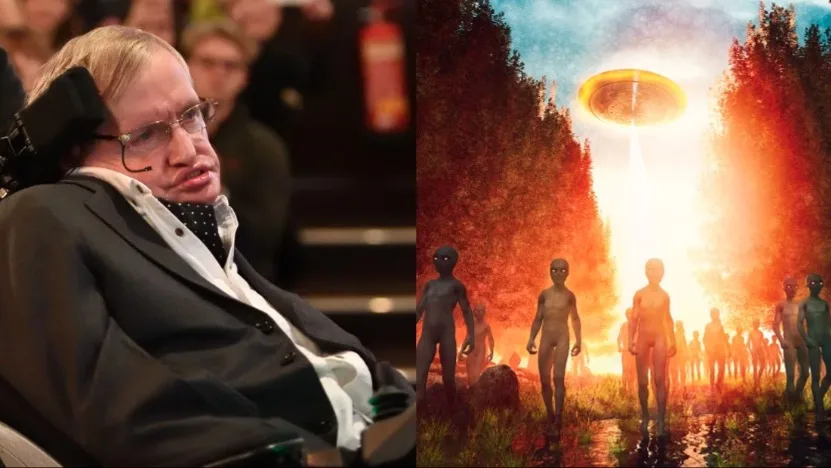
The risk here comes from METI, or Messaging Extraterrestrial Intelligence, which is sometimes referred to as "active SETI." Instead of just scanning the skies, it means deliberately beaming messages at specific star systems. Physicist Michio Kaku has argued strongly against it, saying, "I think the idea of reaching out and advertising our existence is a catastrophically bad idea”.
“In fact, I think it would be the biggest mistake in human history to deliberately try to make contact with an adversary that we know nothing about," he told the New York Times.
Even Stephen Hawking warned it’s a really “bad idea”
In a Discovery Channel documentary titled Into the Universe with Stephen Hawking, released in 2010, he commented, "If aliens visit us, the outcome would be much as when Columbus landed in America, which didn't turn out well for the Native Americans. We only have to look at ourselves to see how intelligent life might develop into something we wouldn't want to meet."
He also believed that intelligent life might not be as hostile as us, and they might as well be looking to conquer and colonize any planets they could find.
Even then, why are we still searching for aliens?
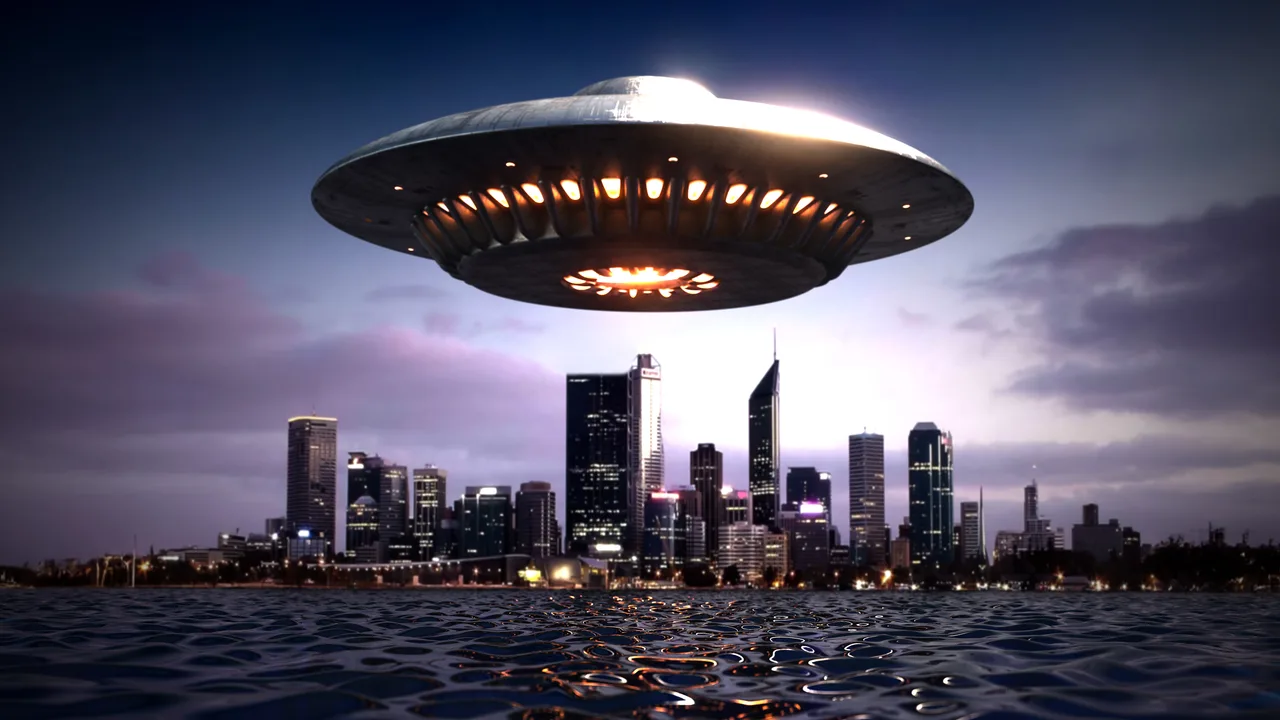
Part of the appeal of reaching out is the hope that a more advanced civilization has already solved problems humanity is still struggling with. That includes achieving sustainable nuclear fusion to solve long-term energy needs, and figuring out how to move past infighting, resource hoarding, and the threat of global war well enough to survive as a species.
Such a civilization might also have a clearer picture of just how common life actually is nearby, on planets, moons, and smaller bodies in their own solar system and beyond. But some say that instead of helping us, they could turn against us altogether.
Could an alien invasion really wipe out humanity?

Physicist Michio Kaku's warning goes further than just discomfort with the unknown. He compared the risk of a hostile encounter to Earth's own history of colonization, cautioning that "it's naive to assume that [aliens are] peaceful, that they want to give us the benefit of their technology, when they could be like Cortez."
Given how far ahead a spacefaring civilization would likely be technologically, the concern is that any conflict would end quickly and badly for humanity, without the last-minute victory movies like to imagine.
But other researchers say staying quiet is the bigger risk
Not everyone agrees that broadcasting is reckless. SETI researcher Douglas Vakoch describes the idea through what's known as the zoo hypothesis, which is the notion that aliens may already be aware of us but are simply observing from a distance.
He put it this way, "We're kind of checking out the animals. We know that they're there already. We're walking by a bunch of zebras. And one of them turns toward us, looks us directly in the eye, and starts pounding out a series of prime numbers with his hoof... I don't know. Maybe... you guys are going to go look at the wildebeests. I'm going to stay around and try to communicate with that." In his view, standing out is what invites contact.