5 facts about our solar system that seem too strange to be true
Our solar system is far stranger than you may think
We might think we're familiar with our cosmic backyard—the solar system—but there are phenomenon that are so strange that they border on the fantastical. Here are five facts about the solar system that may make you rethink what you know about our tiny patch of the Milky Way galaxy.
A storm that could swallow the Earth
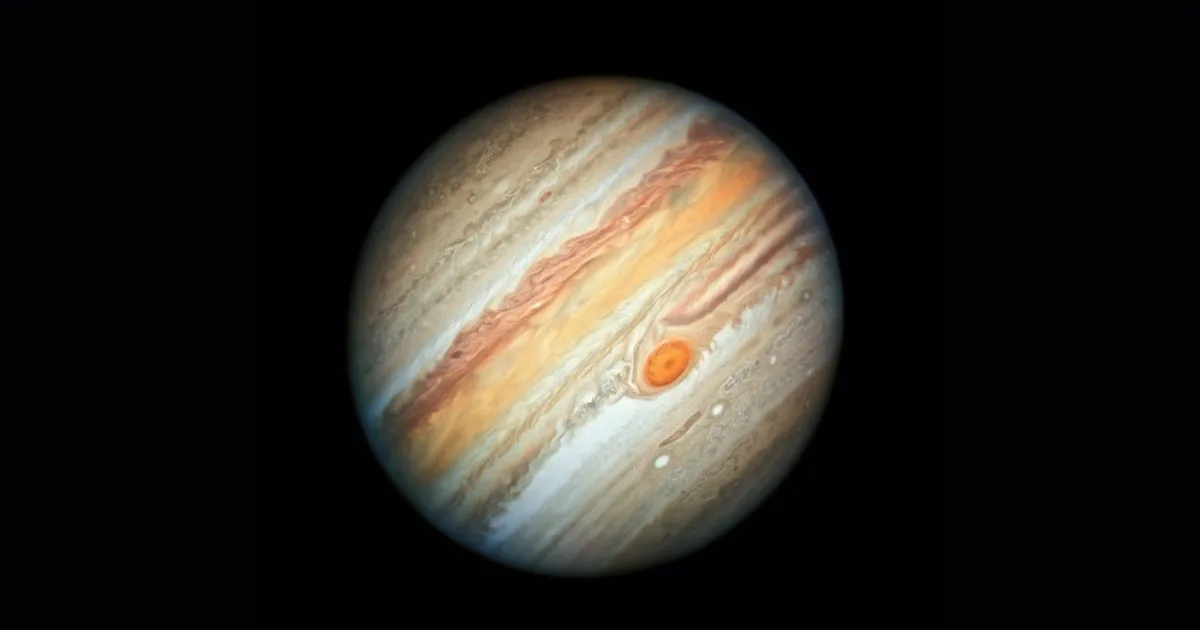
Jupiter's Great Red Spot (GRS) is a colossal storm that has been raging for more than 150 years. With winds howling with a maximum speed of 400 mph, it is an anticyclone that is big enough to swallow Earth. Jupiter, being a gas giant, lacks a solid surface, meaning there is no land to weaken the massive storm. Furthermore, the planet is shrouded in thick clouds, making it difficult for scientists to study its atmosphere. In late 2024, the Hubble Space Telescope observed that the GRS was not stable, but rather jiggled over time like a bowl of gelatin.
This image of Jupiter revealing the gas giant’s trademark Great Red Spot was captured by NASA's Hubble Space Telescope on June 27, 2019.
Harmful belts of radiation surround Earth
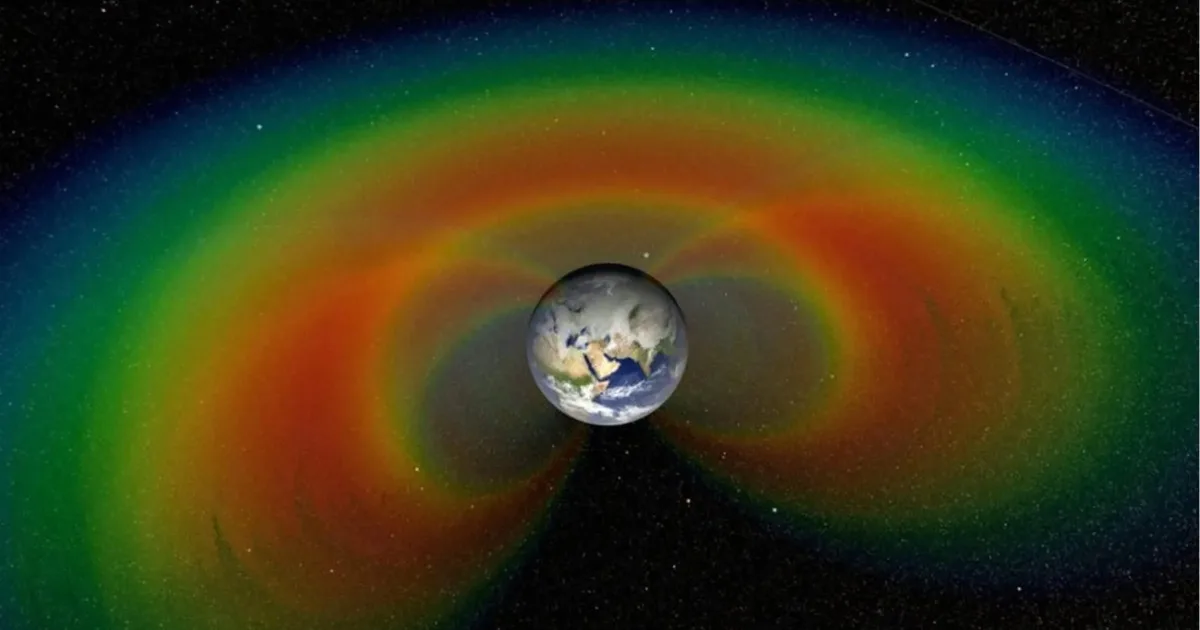
Astronauts who travel to Mars will have to face the hazardous threat of getting exposed to high-energy radiation from solar storms, solar winds, and galactic cosmic rays, which we don't encounter in all their fury on Earth. We are safeguarded from these threats by our planet's magnetosphere, which traps the radiation particles. Earth is surrounded by two giant rings of harmful radiation called the Van Allen belts, which take the shape of huge doughnuts. These belts, located beyond low-Earth orbit, were first discovered by James Van Allen in 1958. When astronauts travel to the Moon or beyond, their spacecraft must pass through these radiation belts. Although these belts pose a threat to astronauts traveling in outer space, they also safeguard our planet from radiation.
This image is an artist’s illustration of the Van Allen belts, depicting how they surround Earth.
Pluto is still geologically active
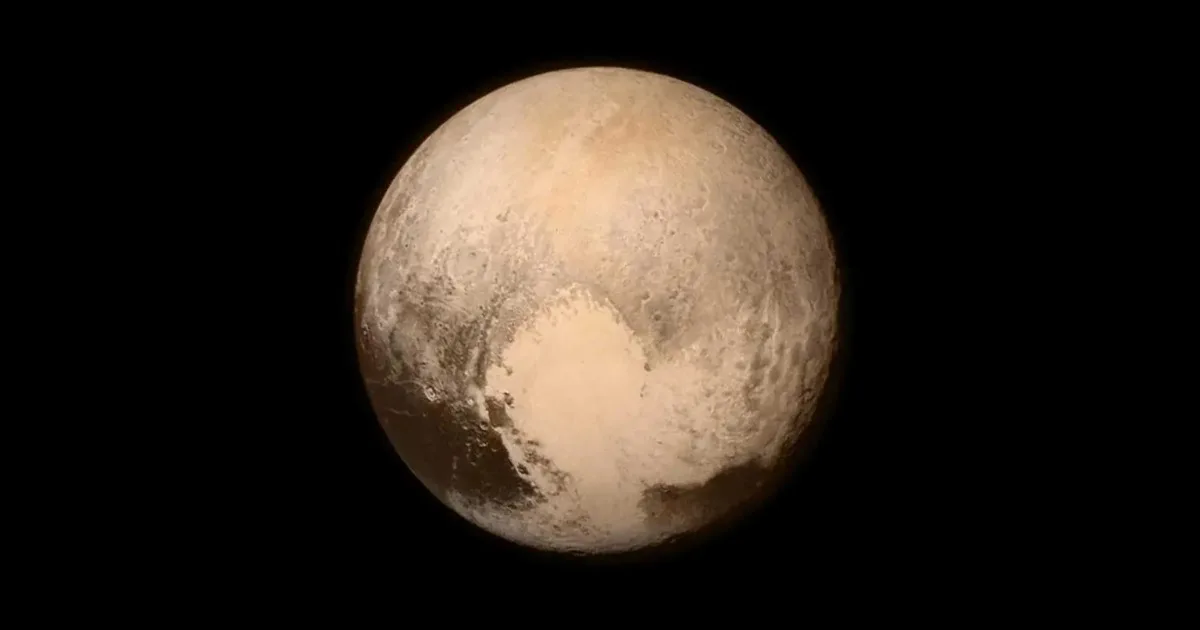
NASA sent New Horizons as the first spacecraft to explore Pluto back on January 19, 2006. Studying observations made by New Horizons, scientists made a surprising conclusion: that both Pluto and its largest moon Charon are still geologically active. The dwarf planet is one of the coldest places in the entire solar system, where temperatures can drop to -375 to -400°F (-226 to -240°C). Despite this, its core is active.
Alan Stern of the Southwest Research Institute (SwRI) stated, “The Pluto system surprised us in many ways, most notably teaching us that small planets can remain active billions of years after their formation.”
This image shows Pluto's "heart" as it was captured by NASA’s New Horizons spacecraft on July 13, 2015.
Volcanoes that spew ice instead of fire
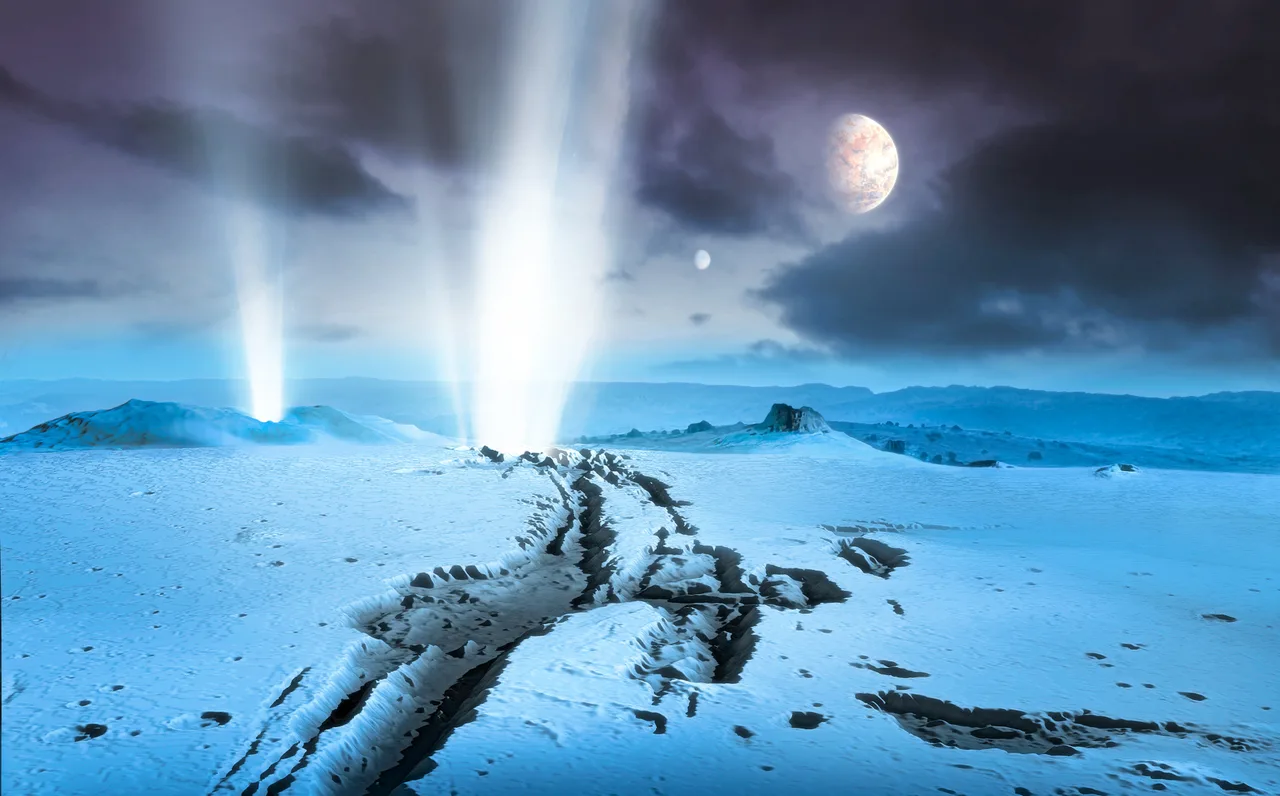
The temperature of Saturn's moon Enceladus remains around -330 degrees Fahrenheit (-201°C), with the moon often experiencing volcanic eruptions at its southern pole. However, instead of hot molten magma, materials like water, ammonia, liquid nitrogen, and methane erupt out of these volcanoes, which referred to as ice volcanoes or cryovolcanoes. Upon reaching the vacuum of space, these eruptions immediately freeze into ice crystals. Alongside Enceladus, several other celestial bodies, including the dwarf planets Ceres and Pluto and Saturn's moon Titan, have cryovolcanoes.
It rains diamonds in some places
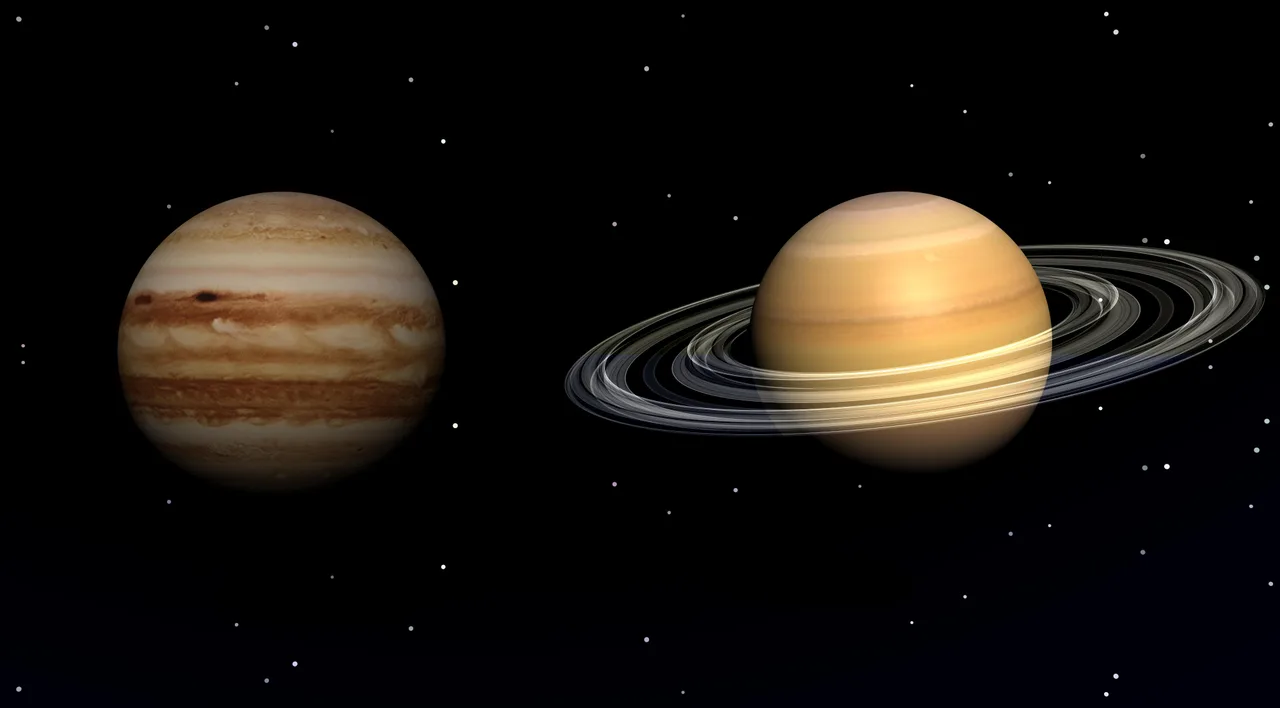
After studying atmospheric data from Saturn and Jupiter, scientists believe that the two gas giants might have diamonds falling from the sky in abundance, like rain on Earth. According to scientists’ calculations, lightning storms on these planets convert methane into soot. While pouring down, this hardens first into graphite, ultimately transforming into diamonds. Revealing their findings at a press conference in 2013, the scientists stated that these diamonds don't persist, and ultimately melt after making contact with the planets' hot cores.