Isaac Newton's 1704 doomsday prophecy predicted the year the world would end
Isaac Newton's doomsday prediction
We all know Sir Isaac Newton for his most groundbreaking work in the laws of motion and the law of gravity that changed how we understand the universe and life on Earth. But among his influential discoveries, he also made a prediction on when our world would come to an end.
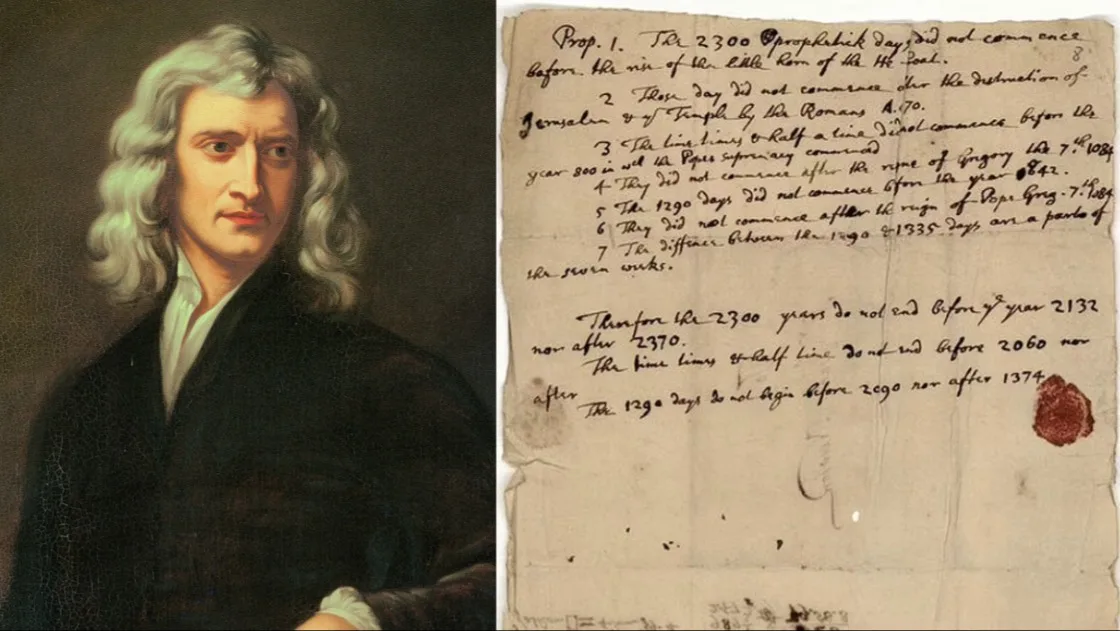
In a 1704 handwritten letter, he shared the year, along with the reasoning he believed would cause the doom. This all happened long before anyone worried about asteroid impacts or the risks of contacting aliens. So, here's what he shared about the end of the world.
When did Newton say the world would end?
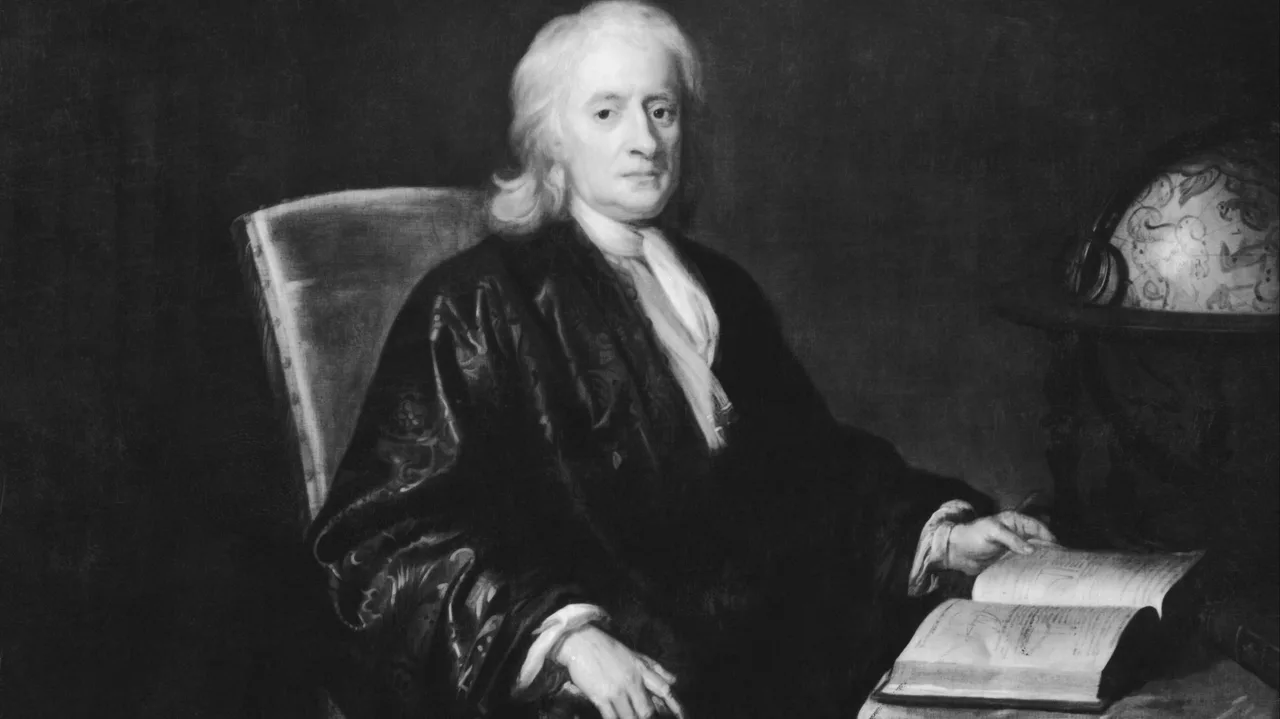
According to his own calculations, the world as we know it would come to an end in the year 2060. He wrote this down in 1704, and now, it's only a few decades out. In the archaic English of his era, Newton wrote, "So then the time times and half a time are 42 months or 1260 days or three years and an half, recconing twelve months to a yeare and 30 days to a month as was done in the Calendar of the primitive year.
"And the days of short lived Beasts being put for the years of lived kingdoms, the period of 1260 days, if dated from the complete conquest of the three kings A.C. 800, will end A.C. 2060.” "It may end later," Newton observed, "but I see no reason for its ending sooner".
So how exactly did he land on 2060?
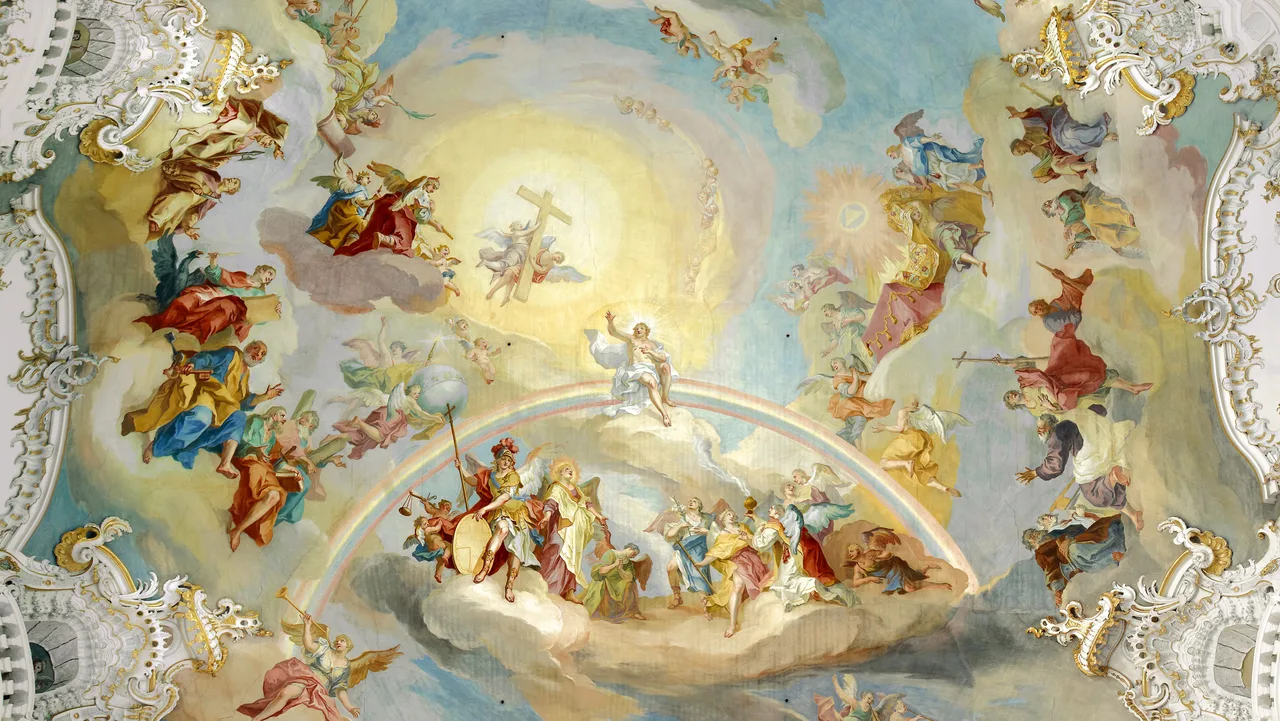
The reason for choosing the year was not tied to physics. For this, Newton turned to the Book of Daniel and the Book of Revelation, both of which mention the numbers 1,260, 1,290, and 2,300 days tied to major turning points in the apocalypse.
For his calculation, Newton took the 1,260-day figure and read it as 1,260 years instead. Then he anchored that stretch of time to 800 AD, the year the Holy Roman Empire was founded, and counted forward to land on 2060.
And he wasn't picturing a total destruction
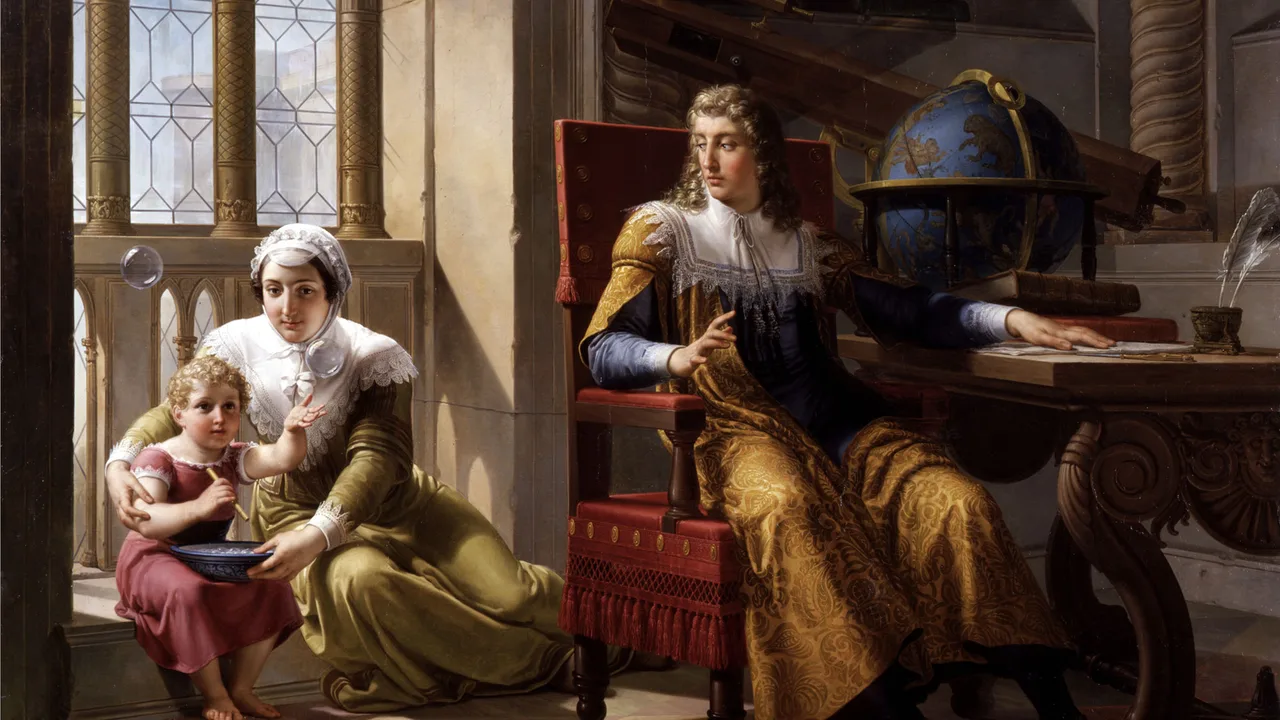
Sir Isaac Newton believed that our world would give way to an actual "Kingdom of Heaven" on Earth, with Christ returning to rule over a thousand-year reign. As part of that vision, he also shared that the Jewish people would go on to build what he called 'a flourishing and everlasting Kingdom' in Israel. This will be done after a stretch of plagues, war, and the ruin of 'wicked nations' had passed.
Even though he made his own prediction, Newton pushed back on anyone else who tried to guess when the world would end. He shared that his goal was "to put a stop to the rash conjectures of fanciful men who are frequently predicting the time of the end, and by doing so bring the sacred prophesies into discredit as often as their predications fail."
But modern scientists do not agree
Snobelen, a historian of science at the University of King's College in Halifax, has argued that Newton doesn't fit neatly into how we think of scientists today. In his words, Newton was "not a scientist" in the modern sense, but rather a "natural philosopher."
As Snobelen put it, "For Newton, there was no impermeable barrier between religion and what we now call science." He added that "throughout his long life, Newton labored to discover God's truth, whether in nature or scripture.” The original letter is still on display today at Jerusalem's Hebrew University.