Are we going through a sixth mass extinction? Here's what scientists say is happening
Are we close to a mass extinction?
Extinction sounds like something that only happens in textbooks or sci-fi movies, but that may not be the case anymore. Scientists say that we might be living through one of the biggest die-offs Earth has ever seen. Species are vanishing far faster than nature can replace them, and researchers are increasingly pointing to one cause: us.
Not every scientist agrees the crisis has technically crossed the threshold of a true mass extinction, but many researchers say the trajectory is unmistakable. So what's actually happening to life on Earth right now, and how worried should we be? Let's take a closer look.
What actually causes a mass extinction?
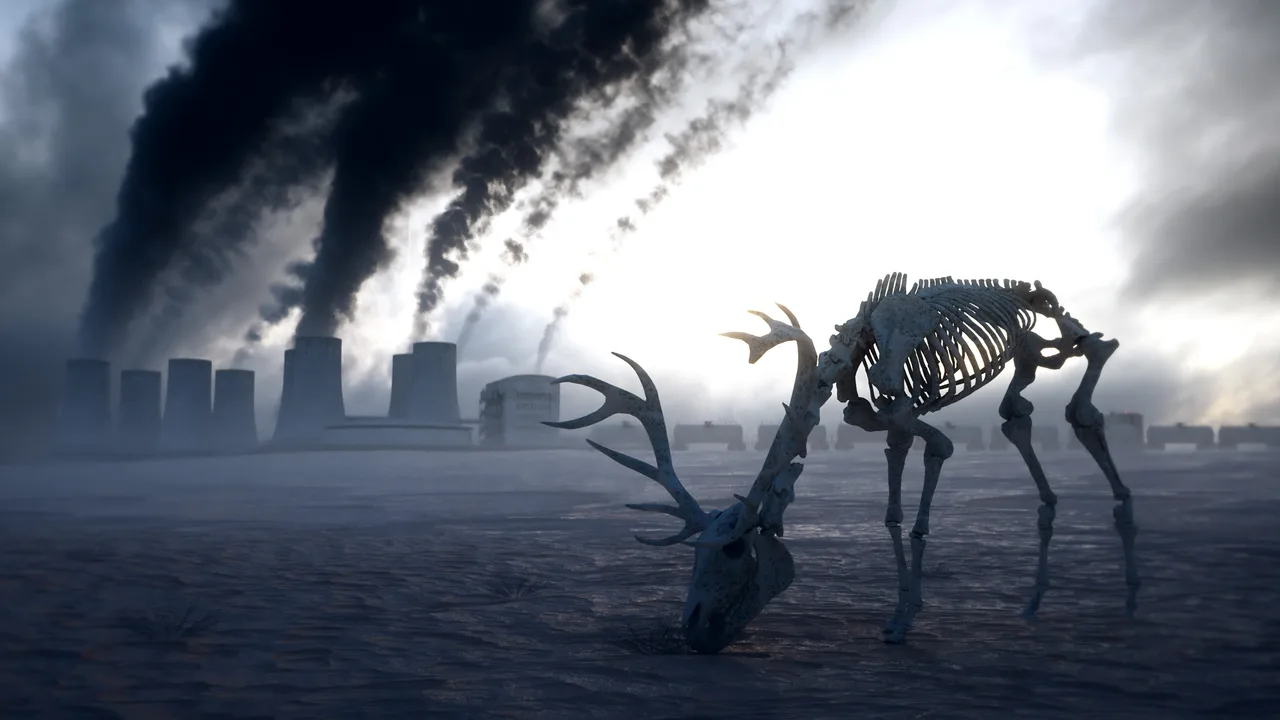
As per the Natural History Museum, Earth has already gone through five major mass extinctions that reshaped life on the planet. These earlier extinction events were caused by changes in temperature and sea level, along with sudden catastrophes like huge volcanic eruptions or asteroid impacts.
As Dr. Katie Collins, Senior Curator of Benthic Molluscs at London's Natural History Museum, puts it, "bivalves have been around for 500 million years, making them one of the oldest groups of fossils we can study and still see how they live and survive today. We get some really good continuous data from them all around the world." We still don't know exactly what caused the mass extinction that wiped out the dinosaurs or how life managed to recover after that.
So, are we really in one right now?
The current data says that roughly 99% of every organism that has ever lived on Earth is already gone. Since the Industrial Revolution, we've been using Earth's natural resources faster than the planet can replace them. On top of that, we've already changed more than 70% of the world's land surface, and we now rely on only about three-quarters of its available freshwater.
Dr. Katie Collins explained that "the current rate of extinction is between 100 and 1,000 times higher than the pre-human background rate of extinction, which is jaw-dropping. We're definitely going through a sixth mass extinction."
What’s causing the sixth mass extinction?
As surprising as it may sound, agriculture is actually one of the factors leading the cause. This is because it's contributing to soil damage, deforestation, pollution, and the kind of habitat loss that leaves animals with nowhere to go. As farmland eats into wild spaces, wildlife gets pushed closer to people, and that usually doesn't end well for the animals.
"Many large animals are culled because they're seen as a risk to humans. People will hunt predatory birds disproportionally as they consider them a threat to farming, although they mostly eat rabbits," added Dr. Collins. Wolves have faced the same fate in parts of North America, as they were removed over fears they'd go after livestock. But taking a top predator out of an ecosystem doesn't just affect that one species. Collins notes it also 'caused a trophic ecological cascade.'
Is there still time to turn things around?
We may still have time, as mass extinctions take millions of years to play out. Even so, Collins warns that floods and wildfires could become a regular part of life over the next 50 years. If that happens, it can put more strain on infrastructure and make existing inequalities even worse.
"These natural disasters are going to exacerbate existing inequalities, but it doesn't have to be that way," Collins said. "Research shows that if we change how we use natural resources now, the future could be a positive one for the next generation." She also believes the impact won't come from individual lifestyle changes alone. Instead, we have to put pressure on policymakers and businesses to cut emissions, especially companies that are among the biggest polluters.