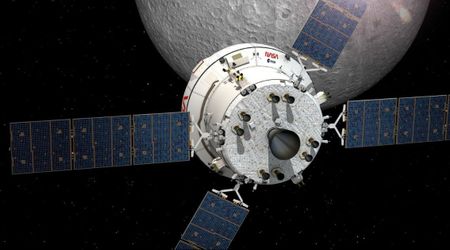
Future satellites could use light as fuel in outer space: 'Propellant-free propulsion future'
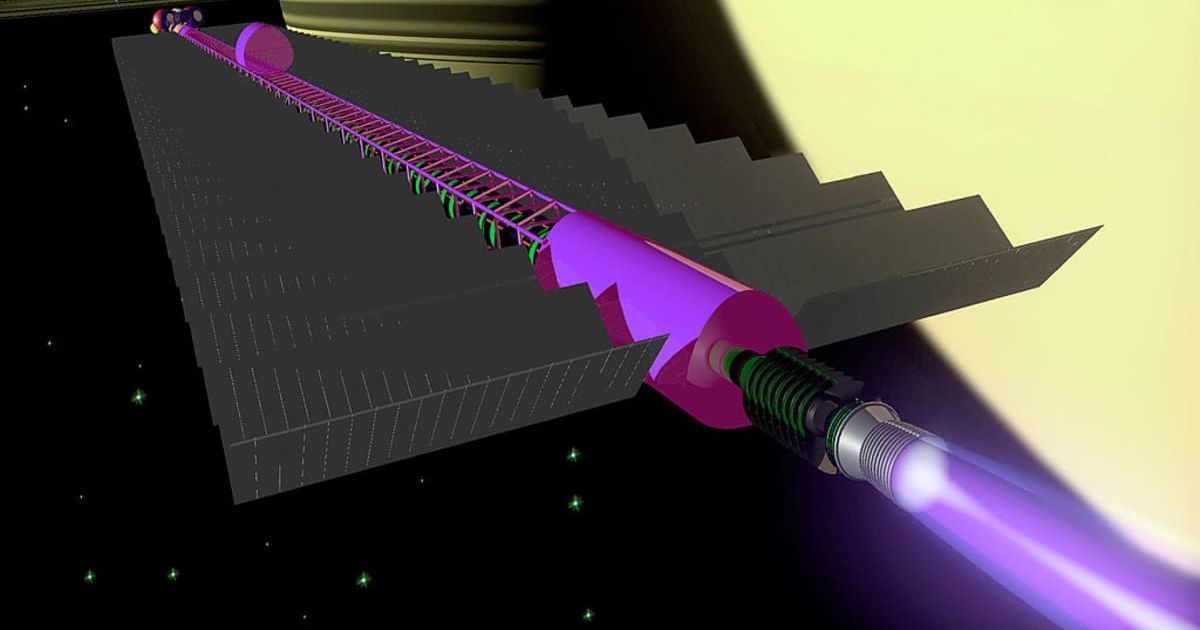
Researchers from the Université Libre de Bruxelles (ULB) in Belgium and Khalifa University in the United Arab Emirates were involved in a study published in Advanced Science that could reshape in-space propulsion. “We are opening the path to a propellant-free propulsion future,” said Ugo Lafont, materials’ physics and chemistry engineer at the European Space Agency, in a statement. Small satellites in the future could have systems in place for solar sail propulsion and control of attitude. These would be composed of ultralight graphene aerogels, which would be pushed by light, thus reducing reliance on conventional fuel.
Graphene lights the way. Literally.
— Human Spaceflight (@esaspaceflight) April 7, 2026
Watch how aerogel cubes made of graphene react to light in microgravity. This innovative material could revolutionise propulsion beyond Earth. 🚀https://t.co/mr0v5Rkl7E pic.twitter.com/HnHZhiOzRf
“Ultralight graphene aerogels are the perfect example of an innovative material created in the lab that could save us large amounts of fuel and hardware in space,” continued Lafont. Graphene aerogels are ultralight and porous materials that merge graphene’s exceptional electrical conductivity with the structural advantages of aerogel architecture. They maintain strong mechanical performance despite their low density. The ESA is said to be exploring the potential for the use of this porous material with the help of the Enable topical team. A wide spectrum of motion—from levitation and rotation to bulk and nanoscale propulsion—has already been revealed by previous research into the interaction between light and graphene.
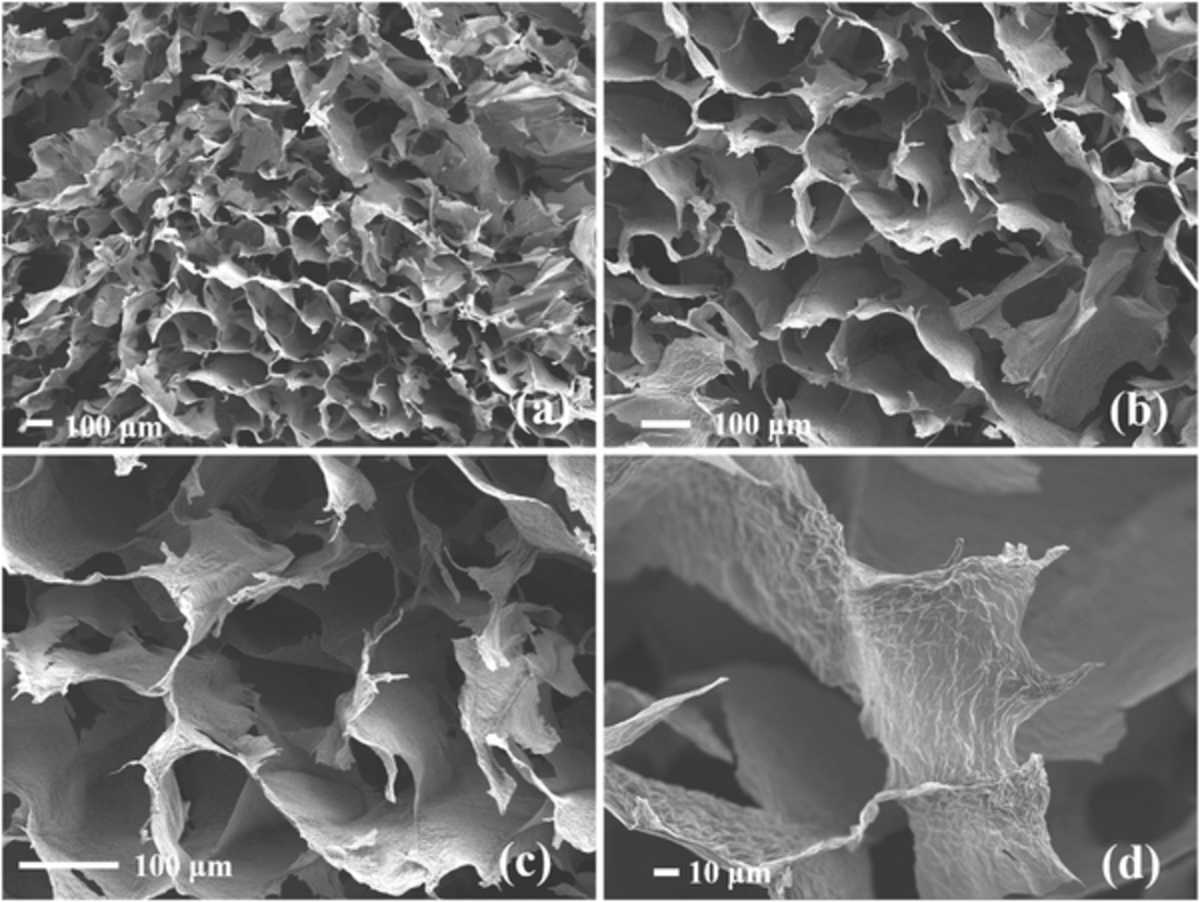
The study in question investigated the results of the experiment that was carried out aboard ESA’s 86th parabolic flight in May 2025. The research team that boarded the 'Zero-G' Airbus A300 brought along a setup featuring three small graphene aerogel cubes inside a vacuum chamber. These cubes were hit with a laser during phases of zero gravity to simulate their behavior in space-like conditions.
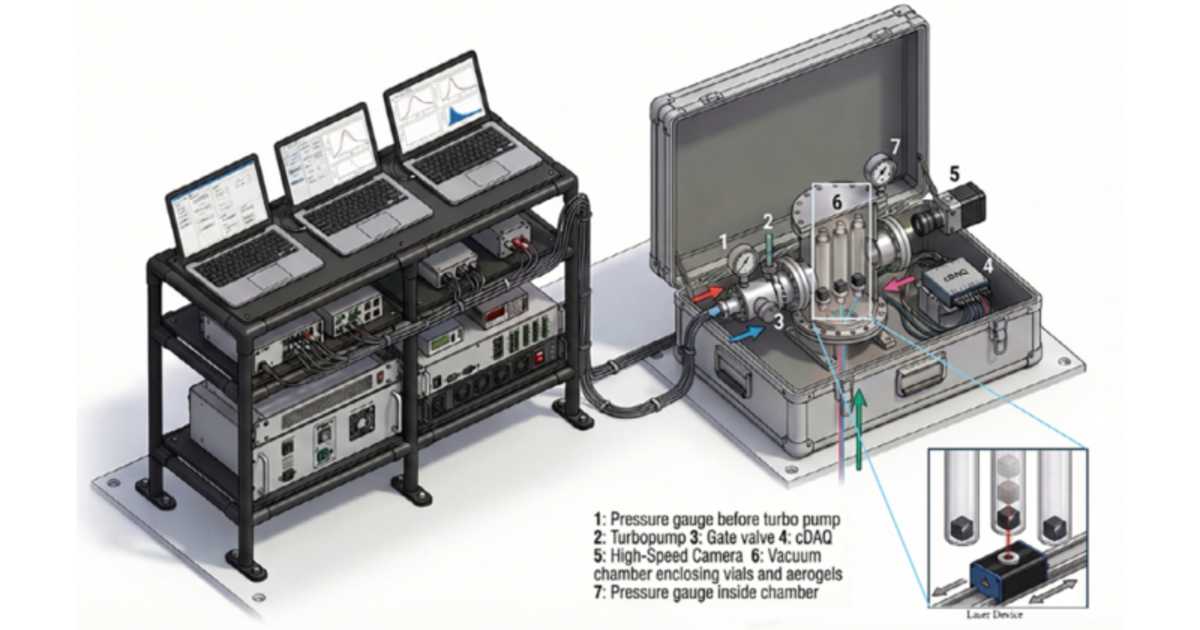
“The reaction was fast and furious. Before you could even begin to blink, the graphene aerogels experienced large accelerations. It was all over in 30 milliseconds,” stated Marco Braibanti, ESA’s project scientist for the experiment Light‑driven propulsion of graphene aerogels in microgravity. The research compared these striking movements with the results seen when the experiment was conducted under Earth's gravity conditions. The aerogel cubes showed very limited movement, showing that microgravity is key for ultralight graphene aerogels to work in propelling a spacecraft. The other ability that the research discovered was that of controlling the propulsion by adjusting the light being beamed at the aerogel. “The stronger the laser, the greater the acceleration. The laser pulse triggers a sharp acceleration peak, after which the aerogels slow down,” added Braibanti. Even though the study of propulsion by means of aerogels and lasers is still at a preliminary stage, the promising nature of these results has also revealed the method to have been efficient.
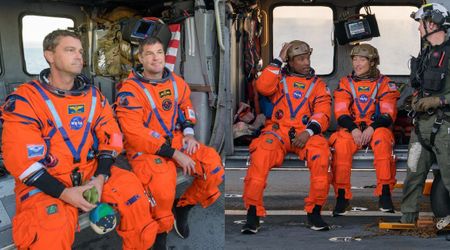
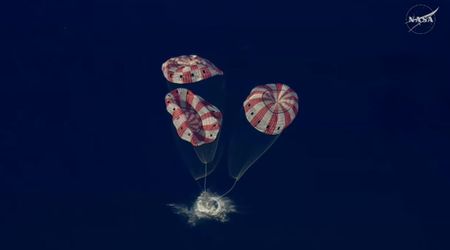
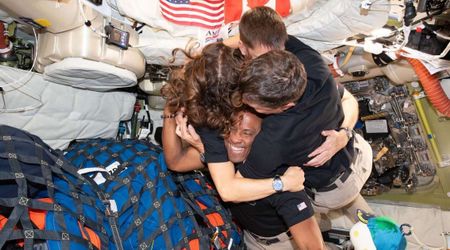
🎉 #Artemis II update: Integrity is back on Earth! At 01:07 BST/02:07 CEST, Orion and its crew splashed down safely in the Pacific Ocean.
— European Space Agency (@esa) April 11, 2026
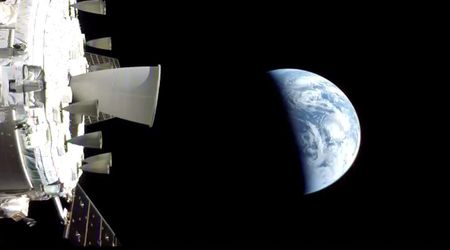
🚀 Our European Service Module propelled Orion over 1 million km through deep space, before burning up in Earth's atmosphere, its job complete… pic.twitter.com/X7DeP3J3WH
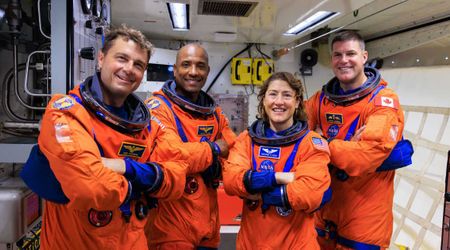
The European Space Agency has used existing propulsion technology to play a vital role in the recently-concluded Artemis II mission by NASA as well, providing the service module that provided solar power using its arrays and performed the Translunar Injection burn before separating prior to splashdown of Orion.
More on Starlust
NASA's Skyfall helicopters to travel to Mars aboard '1st nuclear-powered interplanetary spacecraft'
ESA to launch dedicated SpaceX Crew Dragon mission to ISS in early 2028