Falcon 9 to launch more Starlink satellites as SpaceX builds on two successful missions this year
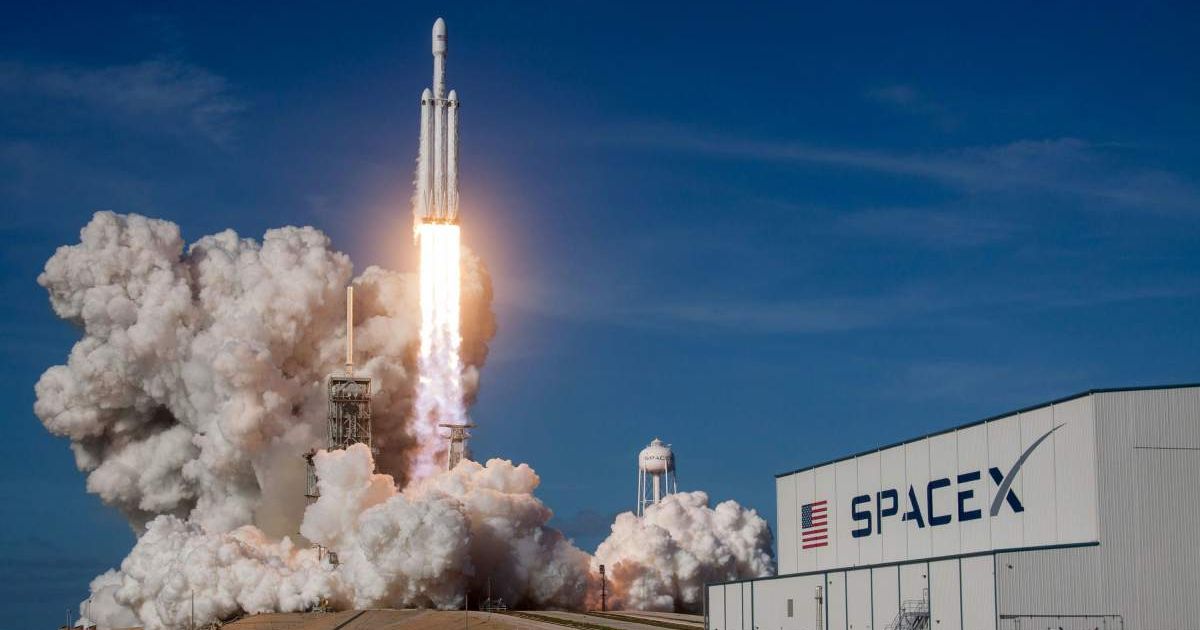
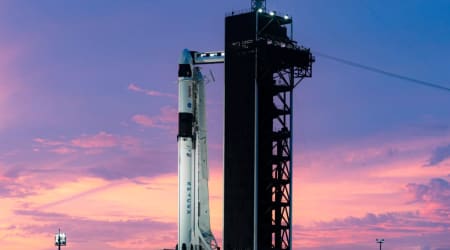
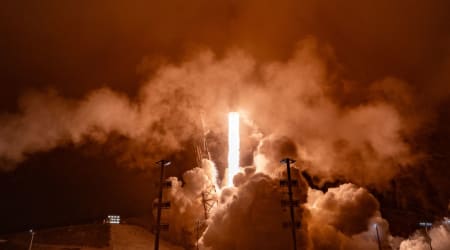
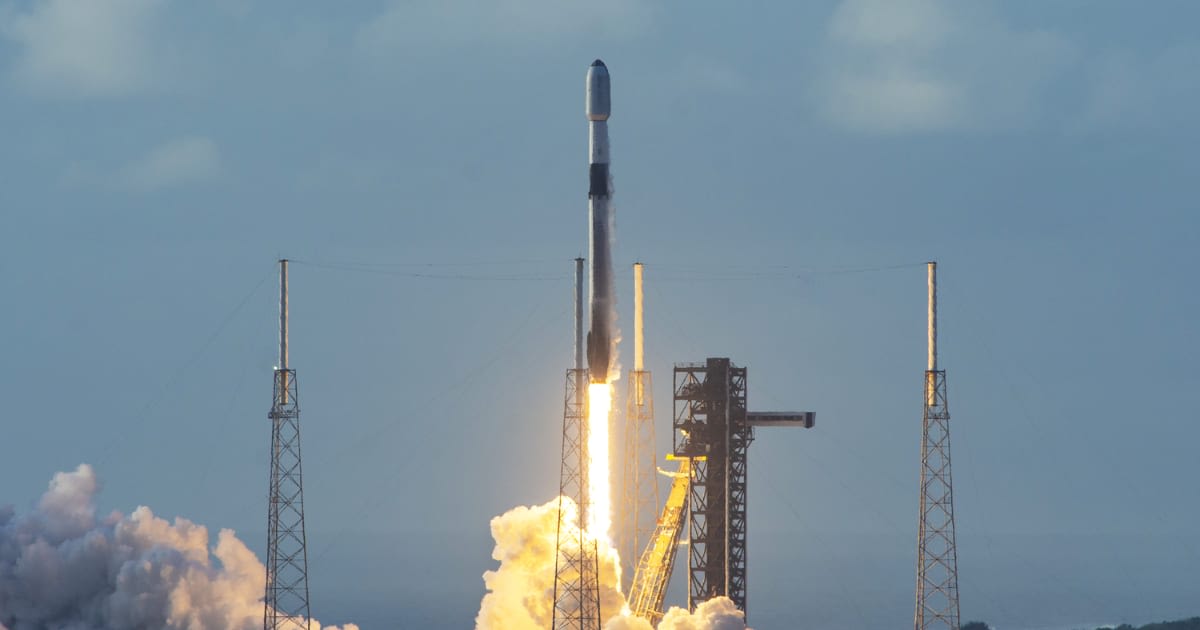
SpaceX is preparing to launch another batch of Starlink satellites as its Falcon 9 rocket stands ready at Space Launch Complex 40 (SLC-40) at Cape Canaveral Space Force Station in Florida. The mission is scheduled for the evening of January 8, 2026, and will see the launch of 29 Starlink satellites into low-Earth orbit, continuing the company's steady launch cadence early this year. According to SpaceX, the launch is targeting a window that opens at 3:29 PM EST and closes at 7:29 PM EST on January 8.
A live webcast of the mission will begin approximately five minutes before liftoff on SpaceX's website and via @SpaceX on X. This mission also marks another milestone for the Falcon 9 reuse program. The first-stage booster assigned to this flight will be flying for the 29th time, showing SpaceX's commitment to rapid reusability. The booster has previously supported missions including the CRS-24, Eutelsat HOTBIRD 13F, OneWeb 1, SES-18, and SES-19.
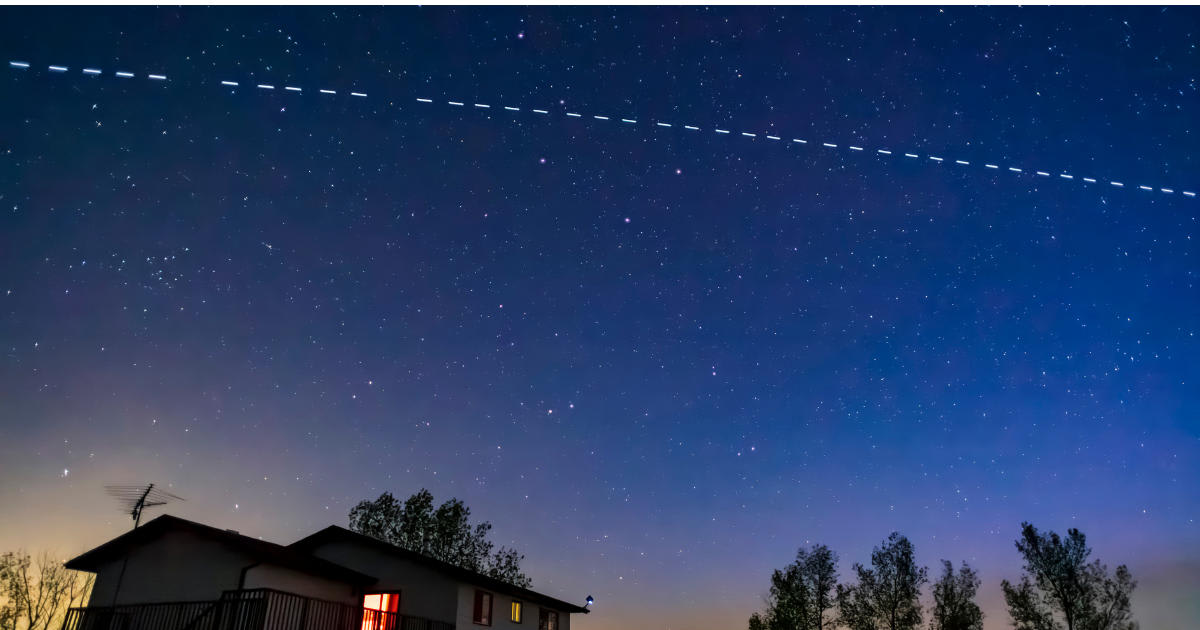
The deployment of the 29 Starlink satellites is expected to take approximately 1 hour, 4 minutes, and 58 seconds after the launch, marking the successful completion of the primary mission objective. This mission closely follows on the heels of the previous Starlink Group 6-88 launch, which was carried out on January 4, 2026, at approximately 1:48 AM EST. SpaceX says on that mission, Falcon 9 deployed 29 Starlink satellites into their intended low-Earth orbit, further enhancing SpaceX's Starlink network that delivers high-speed internet across the globe.

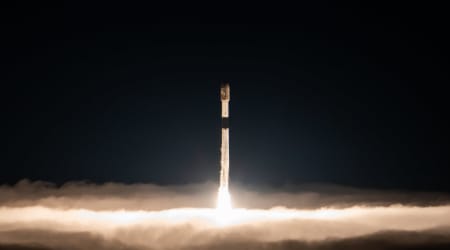
The mission preceding the Group 6-88 was not a part of the Starlink constellation but was equally significant. On January 2, 2026, at 9:09 PM EST, SpaceX successfully launched the COSMO-SkyMed Second Generation FM 3 from Vandenberg Space Force Base in California. Per SpaceX, on this mission, a Falcon 9 rocket carried the Italian Earth-observing satellite to low-Earth orbit for the Italian Space Agency and the Italian Ministry of Defense
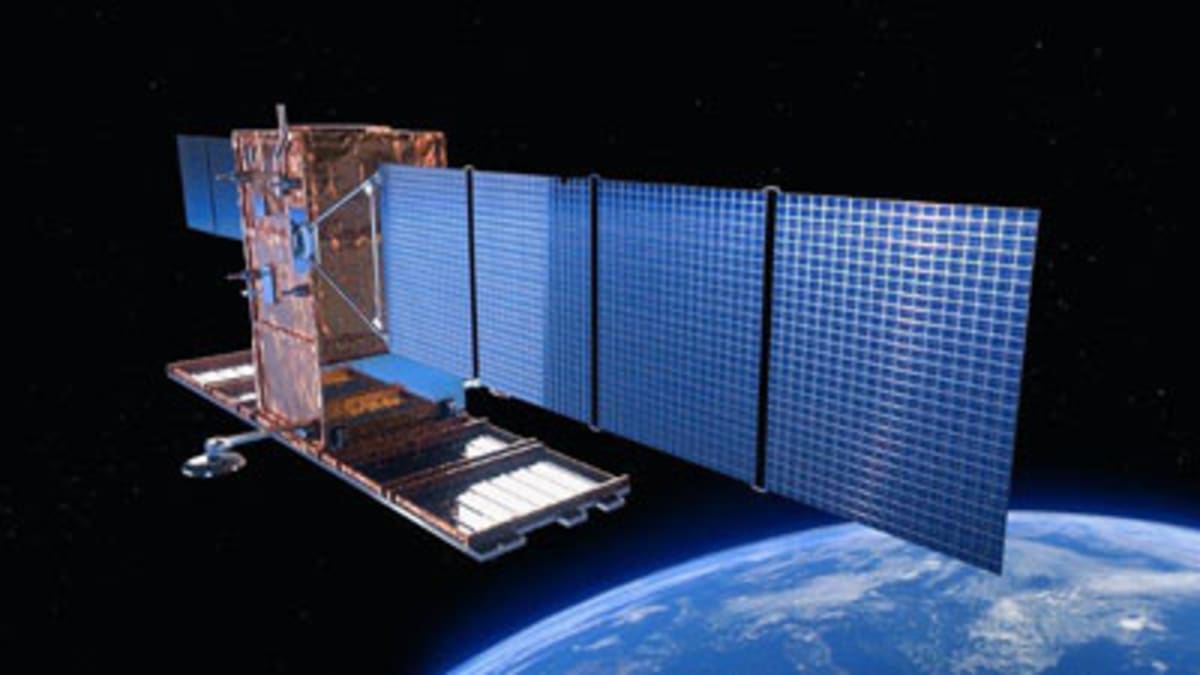
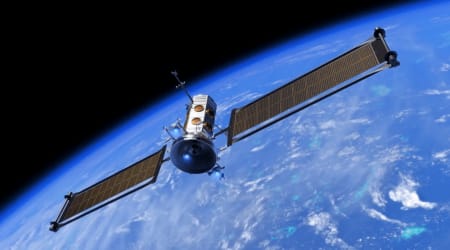
The ESA states that this satellite is equipped with a synthetic aperture radar designed to collect critical data across multiple applications, including emergency management, environmental monitoring, defense, and agriculture. "CSG represents a step ahead to bring the best advantages of the space observation to the largest number of people, to improve the integrity of the environment, quality of life, safety and security," the ESA explains.

Meanwhile, two more Starlink missions are lined up from Space Launch Complex 40 (SLC-40) in Florida, both using Falcon 9 rockets and targeting booster landings on a droneship stationed in the Atlantic Ocean. The first launch is scheduled within a window opening at 3:34 p.m. EST on January 10, 2026, and closing at 7:34 p.m. EST the same day. This will be followed by another Starlink mission with a launch window running from 3:01 p.m. EST to 7:01 p.m. EST on January 14, 2026. The closely spaced missions underscore SpaceX’s sustained launch cadence as it continues to expand its Starlink low-Earth-orbit broadband constellation.
More on Starlust
The Artemis II crew: All about the people powering NASA’s return to the Moon
China launches twin satellites to test detection technology in space