SpaceX’s January 2026 launch calendar signals another big year for the company
SpaceX had a productive 2025. Now, it's ready to kick off 2026 with a mission for the Italian Space Agency and more Starlink launches.
PUBLISHED 2 HOURS AGO
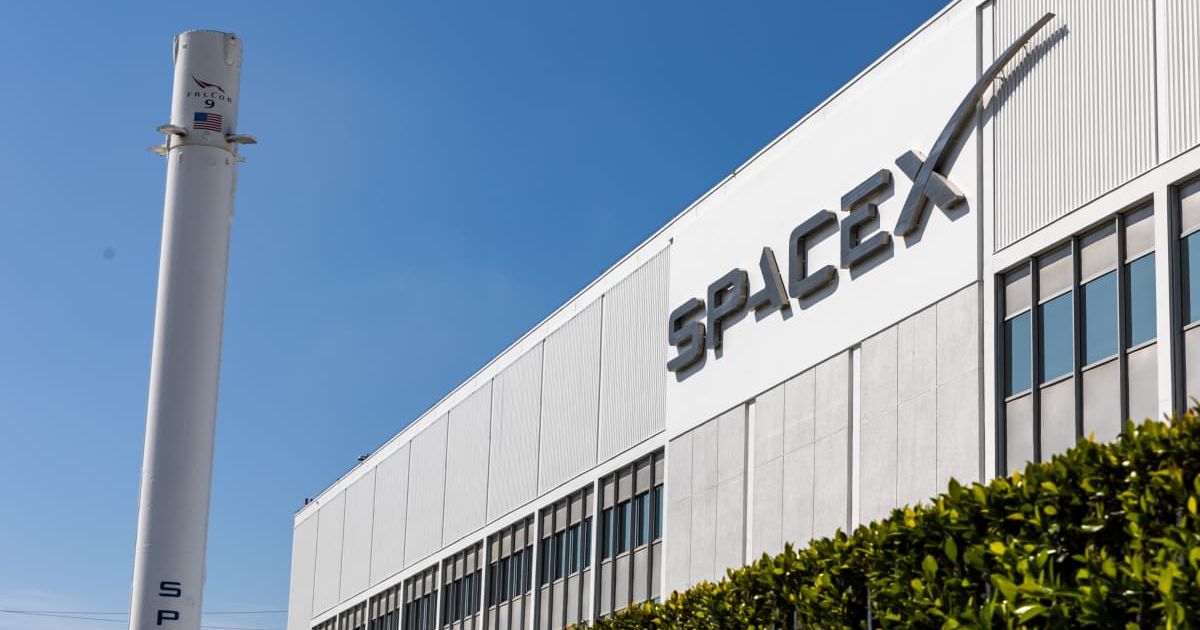
The Headquarters of SpaceX in Hawthorne, California, with a Falcon 9 booster in March 2024. (Cover Image Source: Sven Piper / Getty Images)

What a year it was for SpaceX! The Elon Musk-led company's 2025 launch schedule featured frequent Falcon 9 missions, primarily dedicated to deploying Starlink internet satellites. Diversifying its portfolio with human spaceflight in a year dominated by satellite launches, SpaceX also carried out the Crew-10 launch in March and the Crew-11 launch in August, which transported astronauts to the International Space Station.
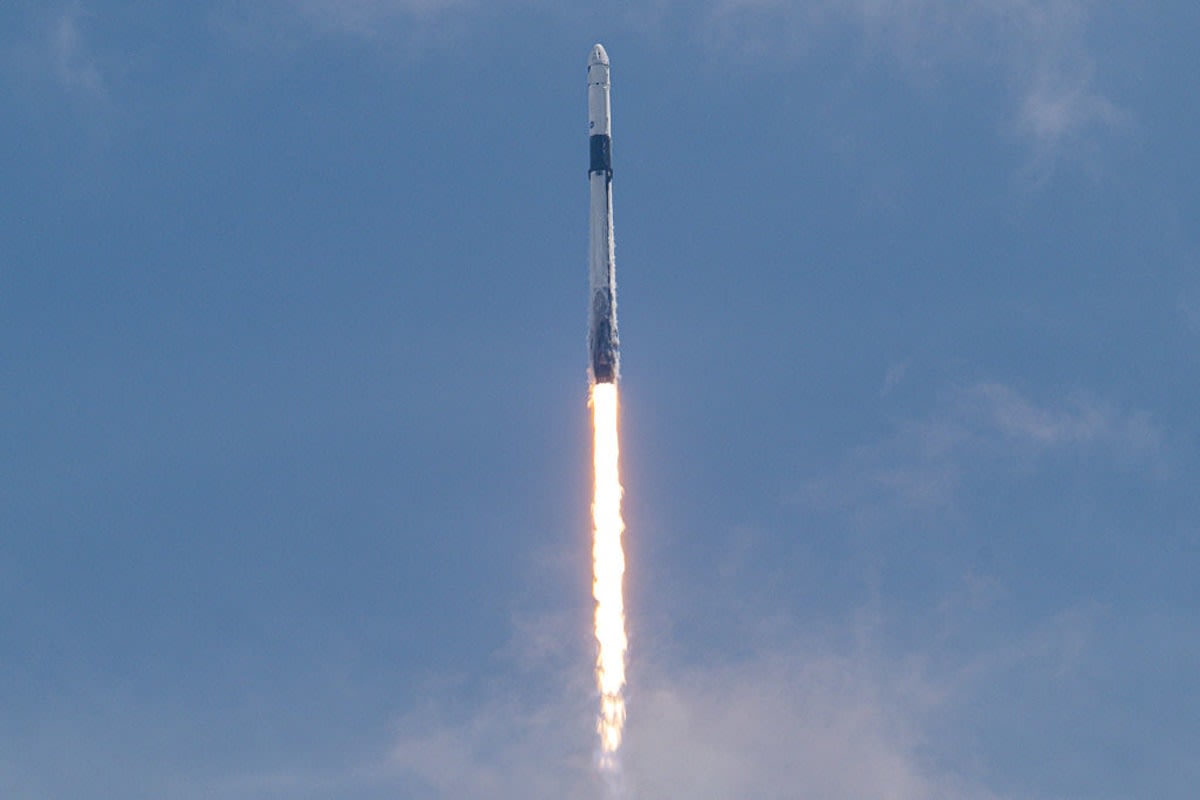
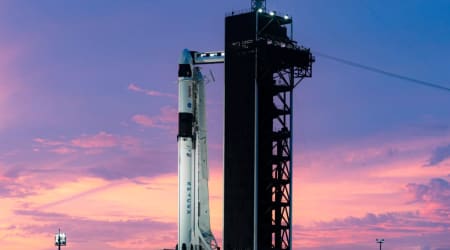
A SpaceX Falcon 9 rocket carrying the Dragon spacecraft is launched on NASA's SpaceX Crew-11 mission from Kennedy Space Center Launch Complex 39A on August 1, 2025, in Cape Canaveral, Florida. (Photo by Miguel J. Rodriguez Carrillo/Getty Images)
A SpaceX Falcon 9 rocket carrying the Dragon spacecraft is launched on NASA's SpaceX Crew-11 mission from Kennedy Space Center Launch Complex 39A on August 1, 2025, in Cape Canaveral, Florida. (Image Source: Getty Images | Photo by Miguel J. Rodriguez Carrillo)

In November, SpaceX’s Falcon 9 deployed the Transporter-15 mission, carrying 140 payloads, to a sun-synchronous orbit. According to SpaceX, these included cubesats, microsatellites, hosted payloads, and orbital transfer vehicles, with 13 payloads scheduled for deployment at a later date. All in all, it was a strong year for SpaceX, which now looks ahead to an exciting 2026. In fact, January itself is going to be a pretty busy month for the company.

COSMO-SkyMed Second Generation mission
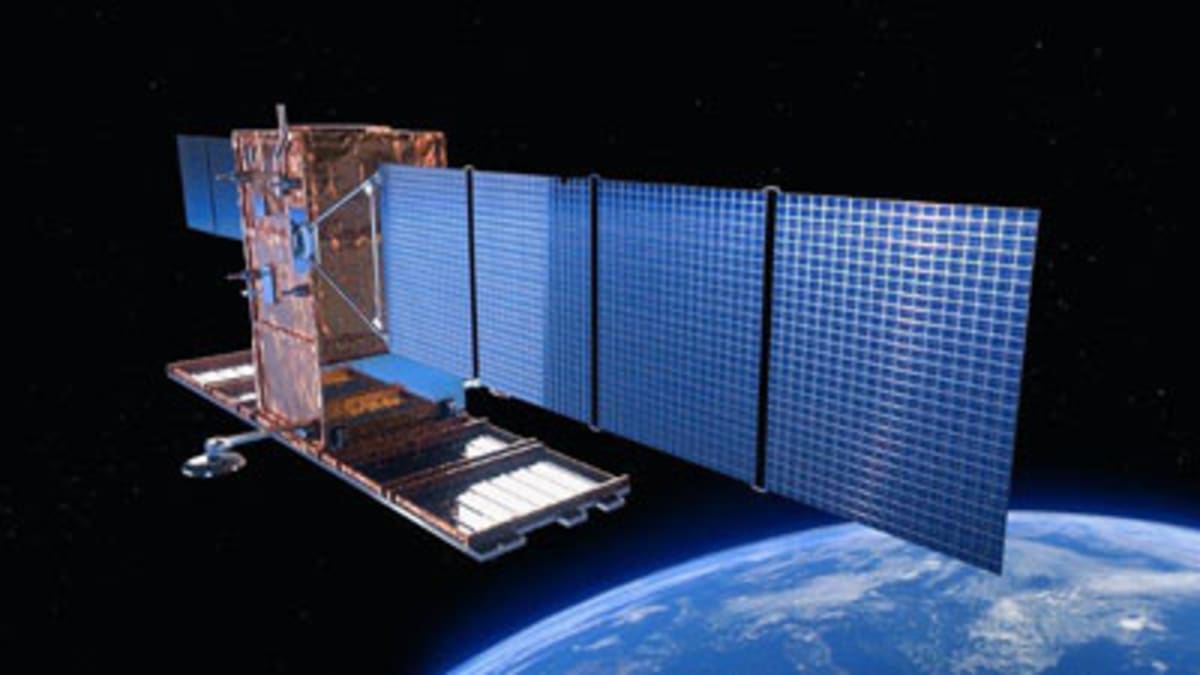
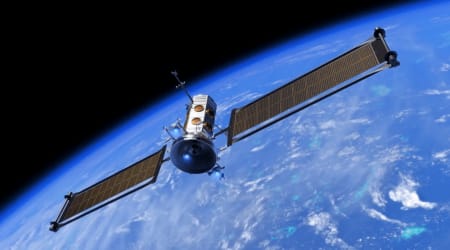
An illustration of a COSMO-SkyMED Second Generation satellite above Earth (Representative Image Source: ESA)
Concept art of a COSMO-SkyMED Second Generation satellite above Earth. (Representative Image Source: ESA)

SpaceX says it is gearing up for the launch of the COSMO-SkyMed Second Generation mission aboard a Falcon 9 rocket from Vandenberg Space Force Base in California. While an official launch date has yet to be announced, the mission is expected to lift off sometime in January. The satellite will be launched for the Italian Space Agency and the Italian Ministry of Defense into low Earth orbit. This will mark the booster’s 21st flight. Following stage separation, the first stage will return to Earth and land at Landing Zone 4 at Vandenberg Space Force Base.
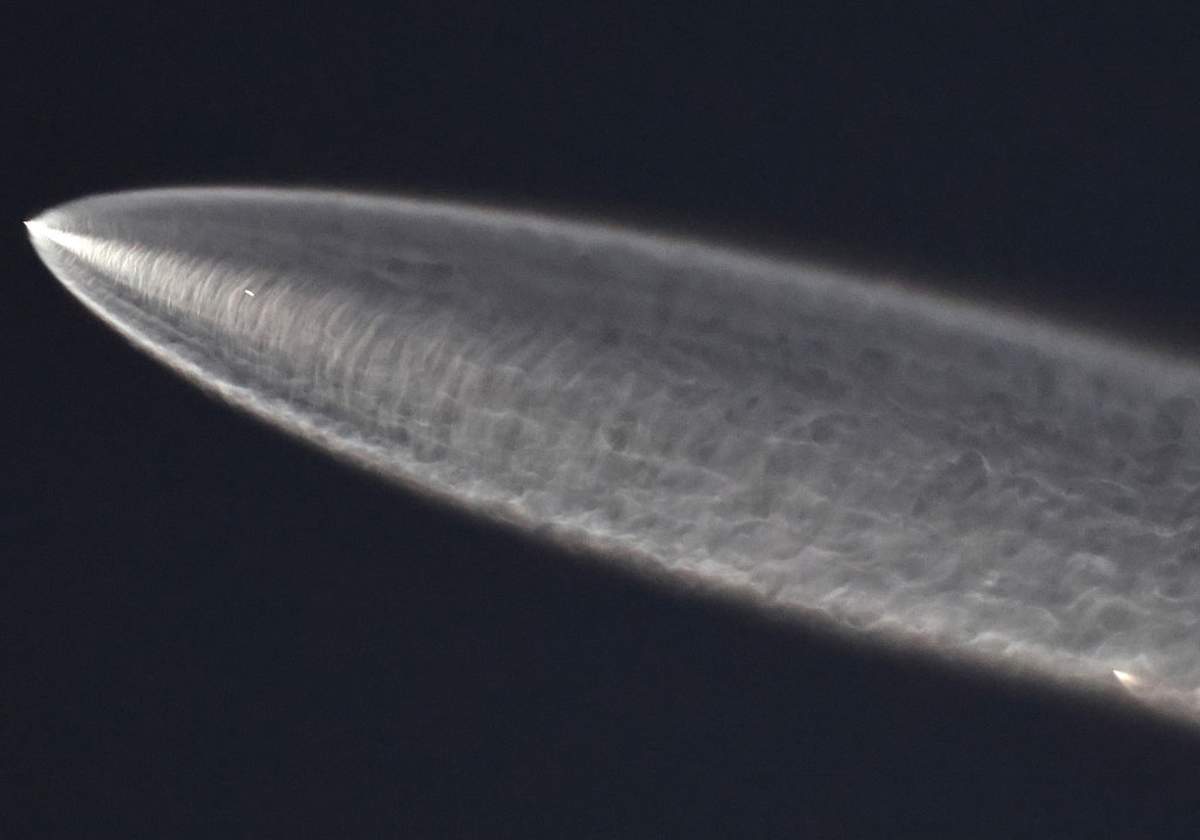
A SpaceX Falcon 9 rocket rises after launching from Vandenberg Space Force Base carrying 28 Starlink internet satellites on September 28, 2025. (Representative Image Source: Getty | Photo by Mario Tama)

Residents of Santa Barbara, San Luis Obispo, and Ventura Counties may hear sonic booms during the launch. COSMO-SkyMed Second Generation (CSG) satellites utilize advanced radar technology to enhance Earth observation capabilities while building upon the capabilities of the earlier COSMO-SkyMed satellites. They are designed to provide very high-quality and precise data, especially for interferometric studies. CSG-1 was launched in December 2019 from French Guiana on a Soyuz rocket, and CSG-2 was launched in January 2022 from Cape Canaveral on a Falcon 9 rocket.

More Starlink missions
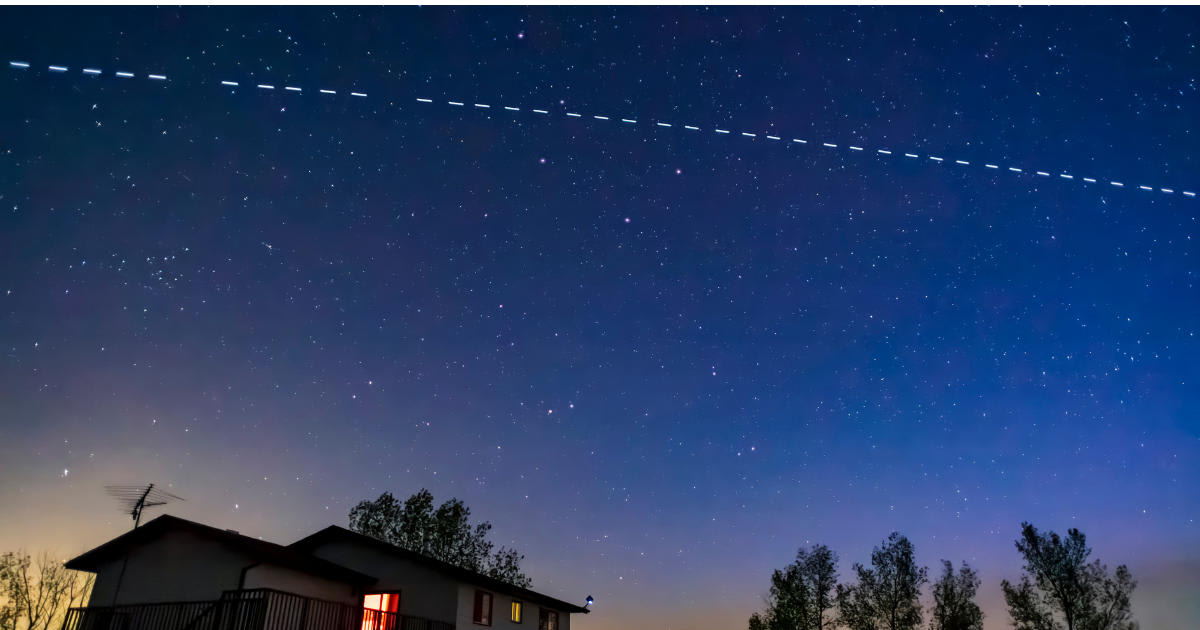
An image of the SpaceX G2-9 Starlink group with the satellite chain. This is looking northwest toward the Big Dipper at the top. The satellite train is traveling from left to right here, from southwest to north (Cover Image Source: Getty Images | Alan Dyer/Stocktrek Images)
An image of the SpaceX G2-9 Starlink group with the satellite chain. This is looking northwest toward the Big Dipper at the top. The satellite train is traveling from left to right here, from southwest to north (Representative Image Source: Getty Images | Alan Dyer/Stocktrek Images)

SpaceX is set to launch a Starlink mission using a Falcon 9 rocket from Space Launch Complex 40 at Cape Canaveral Space Force Station, Florida. On January 4, 2026. The mission will deploy 29 Starlink satellites into low-Earth orbit. A live webcast will begin about five minutes before liftoff and can be watched on SpaceX’s website, on X (@SpaceX), and on the X TV app. This launch will mark the first flight of the Falcon 9 first-stage booster assigned to the mission. After stage separation, the booster is expected to land on the “A Shortfall of Gravitas” droneship positioned in the Atlantic Ocean.A SpaceX Starlink satellite dish stands on a green lawn in the city center for free distribution of the Internet to citizens. (Representative Photo by nndanko / Getty Images)

A SpaceX Starlink satellite dish stands on a green lawn in the city center for free distribution of the Internet to citizens. (Representative Photo by nndanko / Getty Images)

Another Starlink mission is scheduled just days later, on January 8, 2026, again launching 29 Starlink satellites aboard a Falcon 9 from SLC-40 at Cape Canaveral. As with the earlier launch, a live webcast will begin shortly before liftoff and will be available on SpaceX’s official streaming platforms. This mission will be the 29th flight for the first-stage booster, which is planned to land on the A Shortfall of Gravitas droneship after completing its role in the launch.
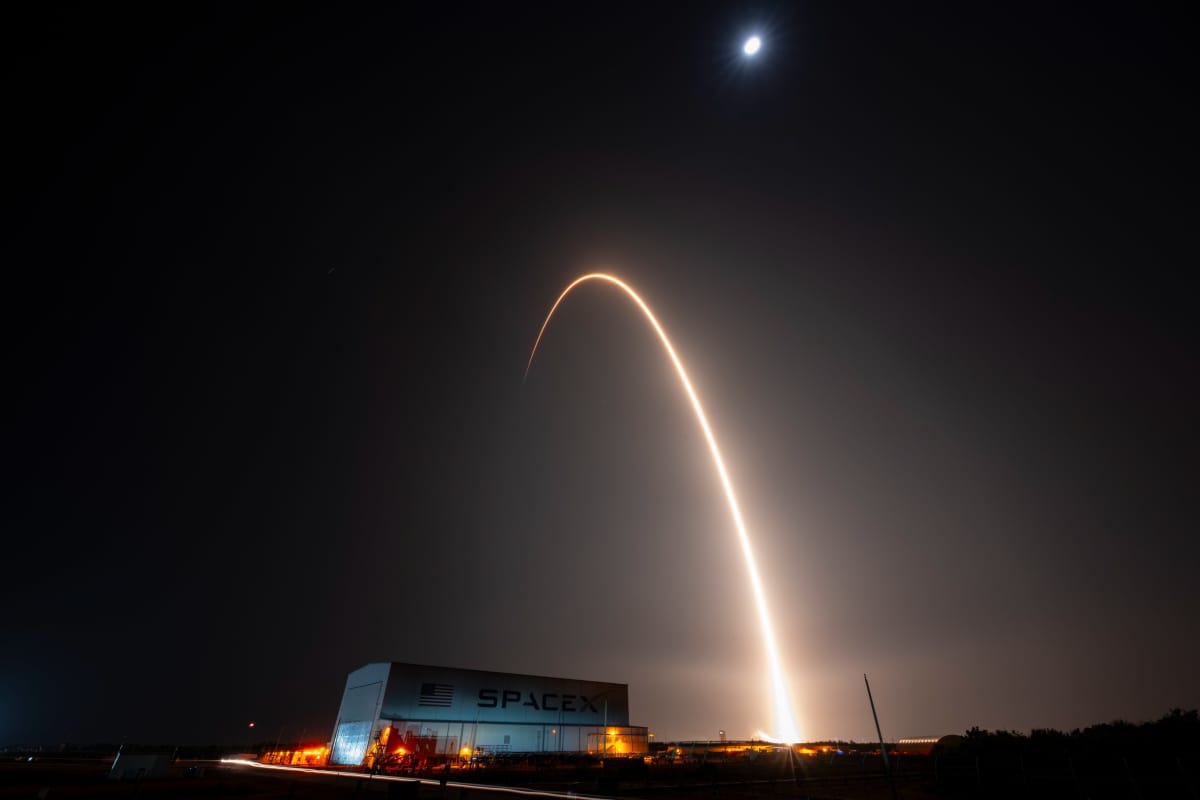
SpaceX Falcon 9 rocket launch 28 Starlink satellites from Cape Canaveral Space Force Station in Florida on May 6, 2025. (Credit: SpaceX)
SpaceX's Falcon 9 rocket launched 28 Starlink satellites from Cape Canaveral Space Force Station in Florida on May 6, 2025. (Representative Image Source: SpaceX)

The third Starlink mission scheduled for the month (January 10, 2026) will see 29 more satellites launched aboard a Falcon 9 rocket, also from SLC-40 at Cape Canaveral. It will be the 25th flight for the first-stage booster, which, like its predecessor, will land on the A Shortfall of Gravitas droneship. Starlink claims to be the most advanced internet system in the world, facilitating streaming, video calling, and online gaming even in remote locations.

More on Starlust

A SpaceX Starlink satellite is tumbling toward Earth after a rare mishap

The Artemis II crew: All about the people powering NASA’s return to the Moon
MORE STORIES

The Shijian-29A and Shijian-29B satellites were launched aboard a Long March-7A carrier rocket.
1 day ago
Before the spacewalks, NASA will conduct a preview on January 6, 2026.
1 day ago
Four astronauts. One lunar flyby. Artemis II tests humanity’s path back to the Moon.
2 days ago
India’s LVM3 sets a new record, launching the 6,100-kg BlueBird Block-2 and boosting global space ambitions.
3 days ago
China’s reusable Long March 12A failed as the first stage was not successfully recovered, widening the scientific gap with the U.S.
6 days ago
The current Russian modules of the ISS will form the core of the Russian Orbital Station.
7 days ago
Ever since its inception, the New Shepard program has tried to make space more accessible.
Dec 23, 2025
The H3 rocket was launched from the Tanegashima Space Center on Sunday, December 21, 2025, at 8:51 p.m EST.
Dec 23, 2025
Rocket Lab smashes its launch record in 2025, closing the year with 21 straight successes and a Japanese satellite launch.
Dec 23, 2025
NASA's Artemis II mission will carry astronauts far beyond the far side of the Moon and back.
Dec 22, 2025