Dark matter may be made of star-sized objects instead of tiny particles, new study suggests
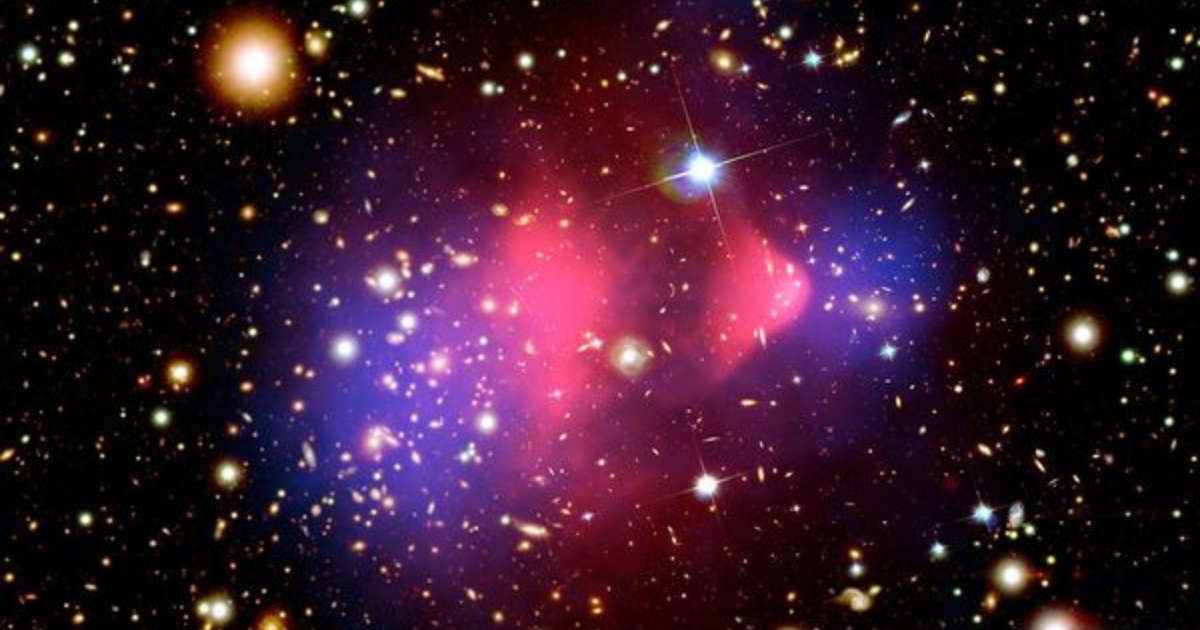
Scientists are redirecting their hunt for the universe's missing matter from minute particles to large, star-sized, near-invisible structures. For a long time, it was hypothesized that dark matter, which is thought to influence the rotation of galaxies and the growth of the biggest structures in the universe, was made of zillions of subatomic particles. However, as extensive experiments have not been able to detect these particles for decades, scientists are entertaining the idea that dark matter could actually be clumps of much bigger structures instead, according to a new research paper posted on the preprint server arXiv.
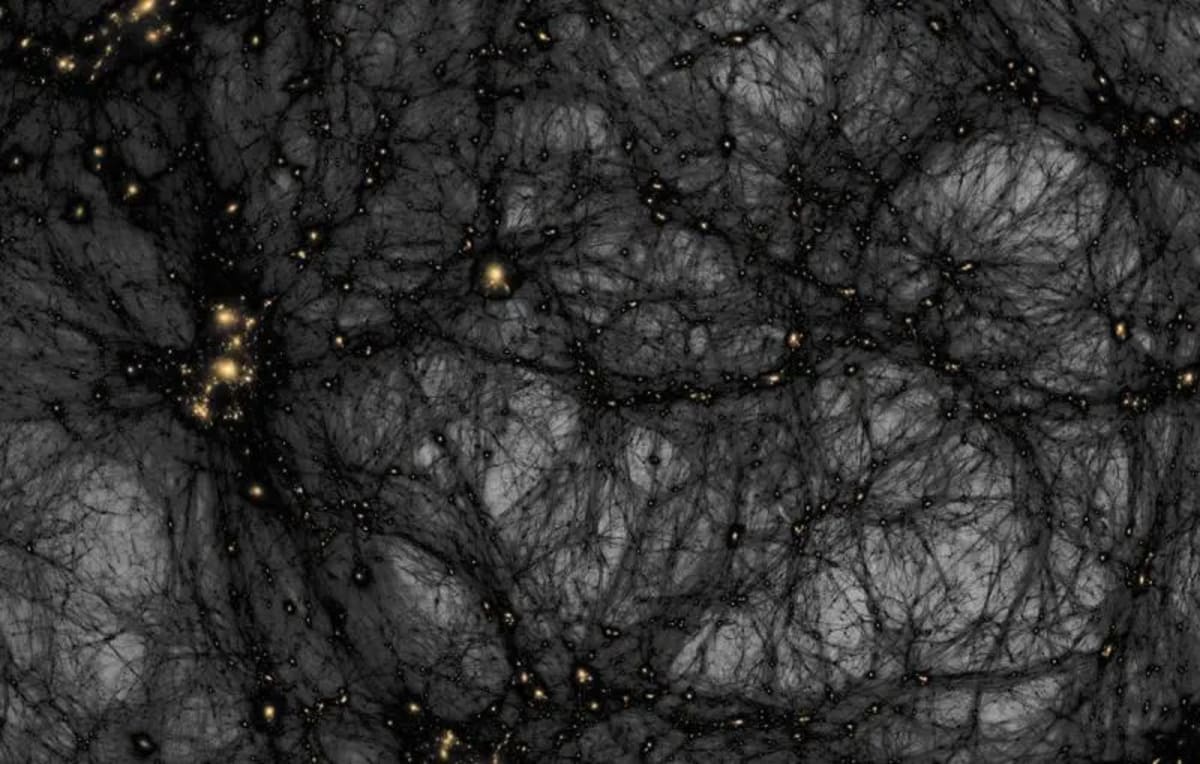
The study suggests that dark matter might be composed of huge, solid-like masses called Exotic Astrophysical Dark Objects (EADOs). To this end, the study looked into two theoretical exotic objects. The first is a boson star. This particular model sees dark matter as composed of a particle that is potentially millions of times lighter than neutrinos, which are the lightest known particles in the universe. The second model concerns Q-balls, where instead of particles, dark matter is theorized as a quantum field soaking up space and time, thereby creating lump-like balls that travel the universe like unmixed flour in gravy, per Space.com.

The objects are not visible through conventional telescopes because they are utterly dark, with no light of their own. Still, they are massive enough to distort the surrounding space. If a distant star happens to be behind one of the giant objects at this very moment, then its gravitational pull spreads like a magnifying glass. The star's brightness is so much amplified that it seems to blink or shift for a moment before resuming to its original place.
The authors of the research suggest that we might already have the means to support the existence of these objects. Poised astronomers would study the Gaia reports for such suspect flickers or changes in position and thus, theoretically, bring thousands of these wonderful objects to light. Even if the exploration turns out to be unproductive, it will still have the merit of letting the theorists eliminate some possibilities concerning dark matter's nature and further narrow the search.
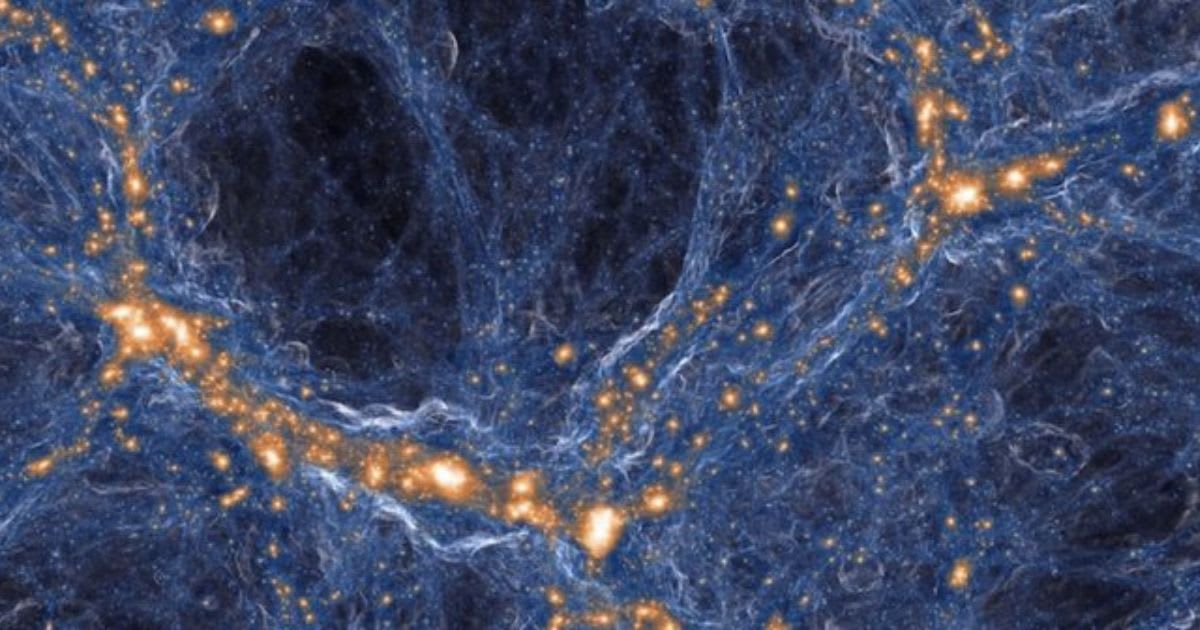
From July 2014 until January 2025, Gaia took more than three trillion observations of two billion stars and objects across the Milky Way and beyond. In fact, the project has resulted in the production of an extremely detailed 3D map of the galaxy, according to the European Space Agency, which will aid scientists in understanding the origin, structure, and evolutionary history of the Milky Way better. And what's more? We are scheduled to receive more data from the mission.

A significant new package (based on 66 months of data), called Data Release 4, is set for December 2026, while the final and complete results from the whole mission will be available no earlier than 2030.
More on Starlust
Century-old mystery solved? Scientists may have 'seen' dark matter for the very first time
Cosmic mystery solved? Dark matter may not be entirely 'dark' after all, new research suggests