China launches its mysterious reusable ‘space plane’ into orbit
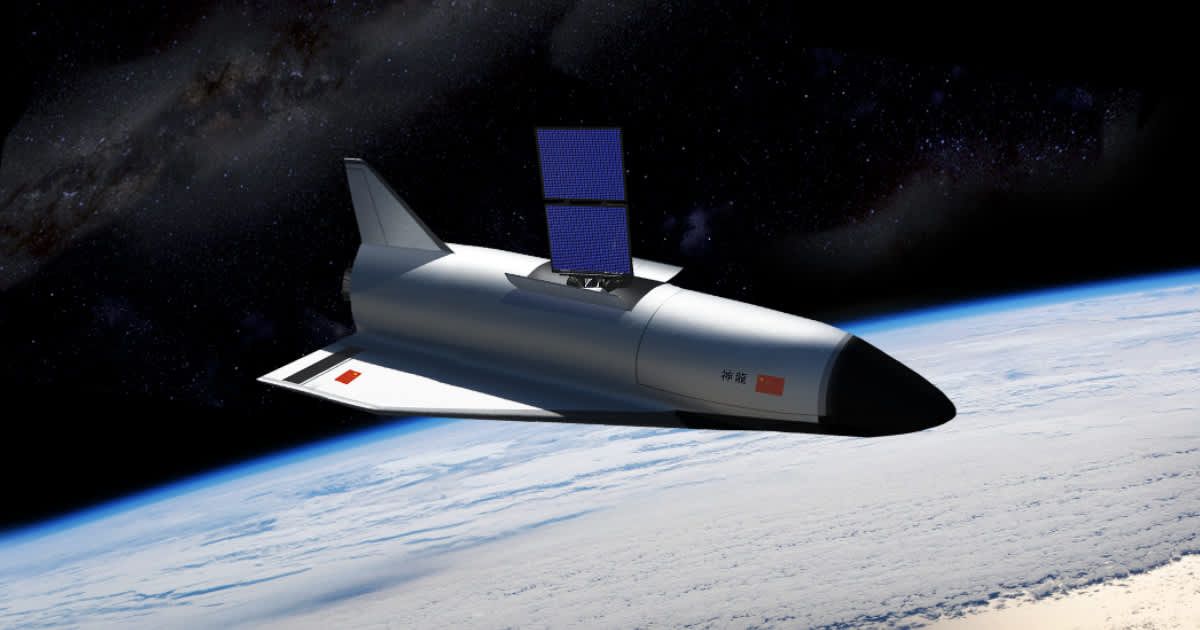
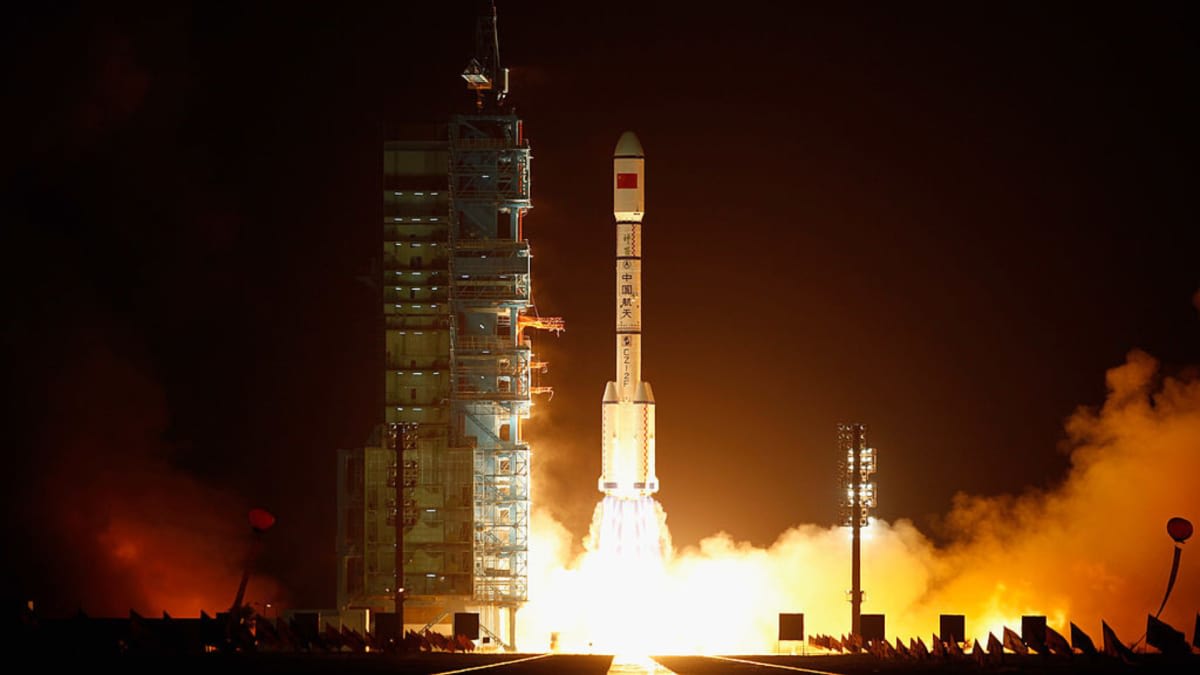
According to the State Council Information Office of China PR, a Long March-2F rocket was used to launch a discreet mission involving a ‘reusable experimental spacecraft’ on Saturday, February 7, 2026. The outlet further stated the place of launch to be the Jiuquan Satellite Launch Center in northwest China. The Long March also made headlines in December after three of its rockets were launched in a matter of hours.
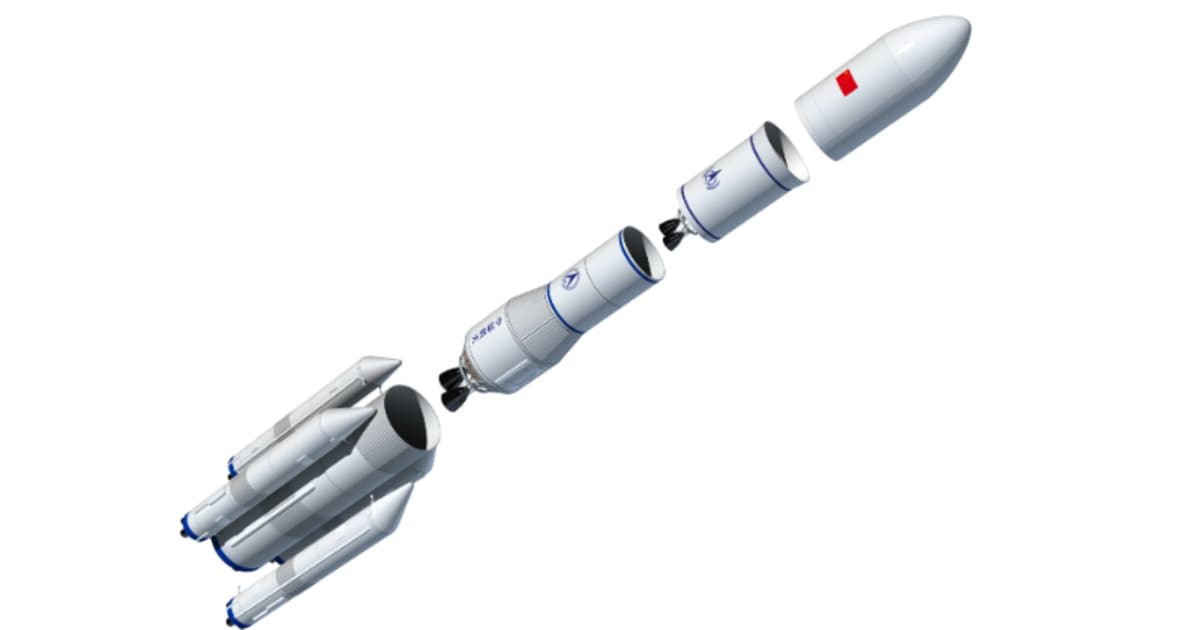
While further specifications of the mission were not explicitly stated, it is being widely reported that this reusable spacecraft is the Shenlong space plane. This reusable spacecraft is believed to resemble the US military's X-37B, which is also shrouded in secrecy, with its payload and activities being classified. Of course, this is largely speculative, due to the Chinese authorities not releasing much information besides the mission’s stated cause, which is to “conduct technological verification for reusable spacecraft, providing technical support for the peaceful use of space."
Orbital Launch no. 27 of 2026 🇨🇳🚀🇩🇿🛰️
— Space Intelligence (@SpaceIntel101) February 9, 2026
CSSHQ 4 | CASC | January 31 | 0401 UTC
China successfully launched its experimental spaceplane on its Long March 2F🚀 from Jiuquan SLS-1 into LEO (Low Earth Orbit).
It is the 4th flight for China's secretive space plane. pic.twitter.com/mXd0ctKj5U
Per the South China Morning Post, China's reusable plane had its launch debut on September 4, 2020, and returned to its designated landing site after two days in orbit. A similar spacecraft was launched later on August 5, 2022. That one spent 276 days in orbit before making the return trip to its landing site on May 8, 2023. A third launch took place on December 14, 2023, with the spacecraft coming back after 268 days, having demonstrated improved thermal shield and power management for long-term missions.
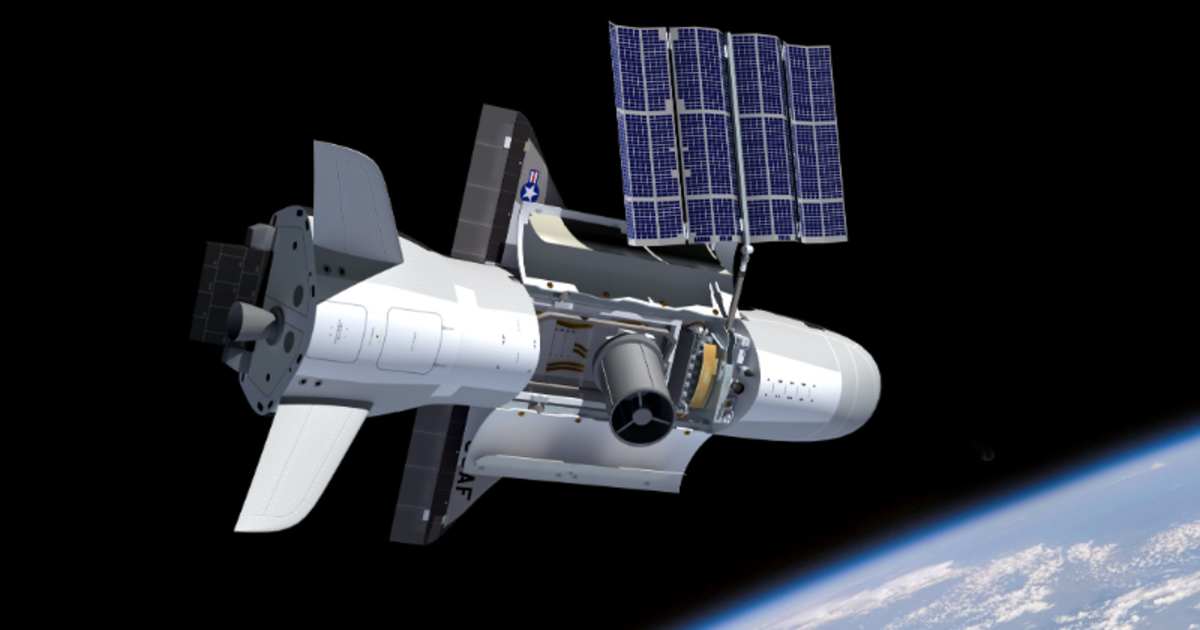
Because of the lack of information from China and a perceived similarity of the Chinese reusable spacecraft to the United States' X-37B, General Chance Saltzman, the US Space Force chief of operations, addressed the third launch back in December 2023. “It’s no surprise that the Chinese are extremely interested in our space plane, and we’re extremely interested in theirs. It is a capability—the ability to put something in orbit, do some things, and bring it home and take a look at the results is powerful”, Saltzman stated.
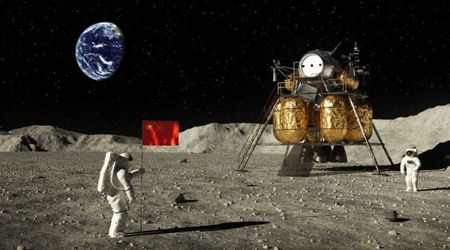
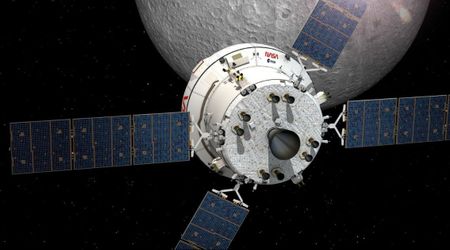
Generally, not much is known about Chinese space exploration efforts. However, it is no secret that the country is locked in a modern version of a “space race” with the US. This race is centered around the pursuit of accomplishing the next human landing on the Moon. While NASA is moving ahead with its Artemis program, China plans to land humans on the Moon by 2030. To that effect, China carried out a test flight of the Long March 10 rocket and the Mengzhou spacecraft—both core elements of its lunar aspirations—late on Tuesday, February 10, 2026. The results of the test, in fact, were quite encouraging, with the China Manned Space Agency calling it "a significant breakthrough in the development of [China’s] manned lunar exploration program."
More on Starlust
China eyes lunar water ice as Chang’e 7 gets ready for the Moon's south pole
China launches twin satellites to test detection technology in space