Blue Origin's New Shepard carries 6 tourists past Kármán Line after last-minute change and delay
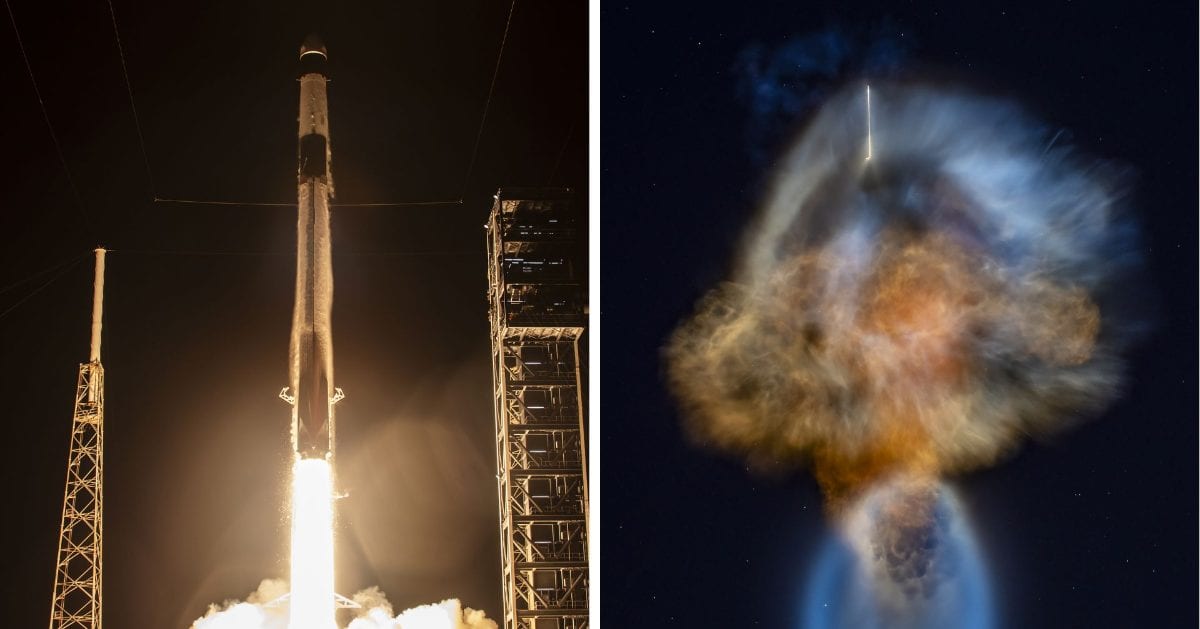
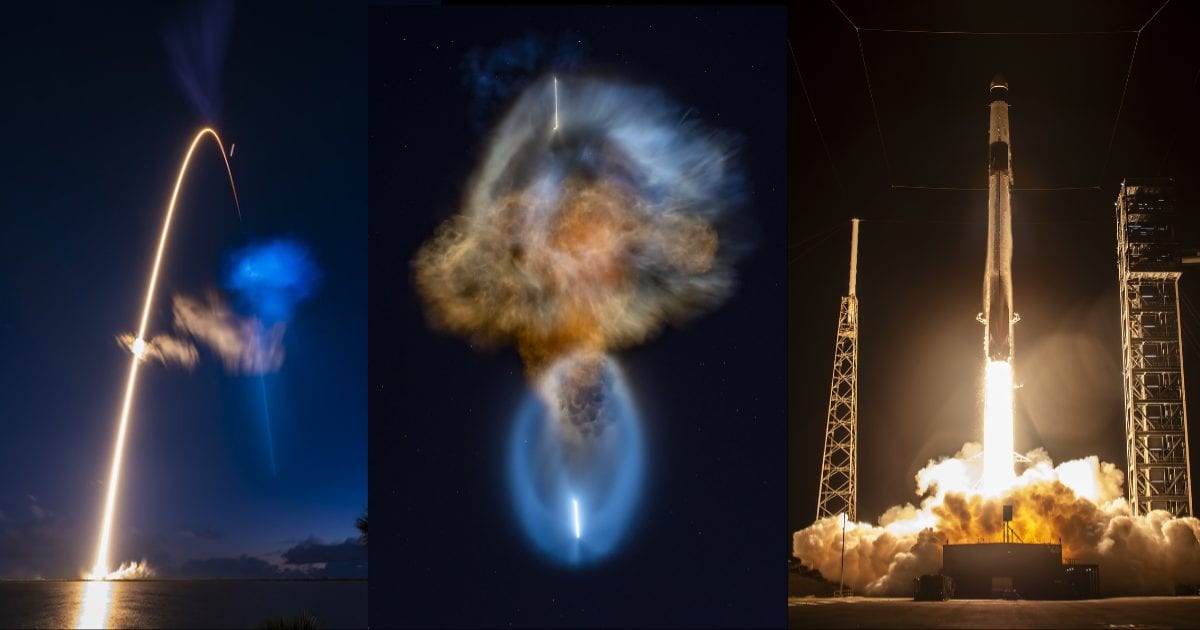
Blue Origin launched its New Shepard rocket on January 22, 2026, successfully sending six private astronauts on a suborbital joyride above the Kármán Line. The NS-38 mission, the company’s 38th for the reusable rocket and the first of the year, lifted off from Launch Site One in West Texas at 10:25 am local time (11:25 am EST, 16:25 UTC).
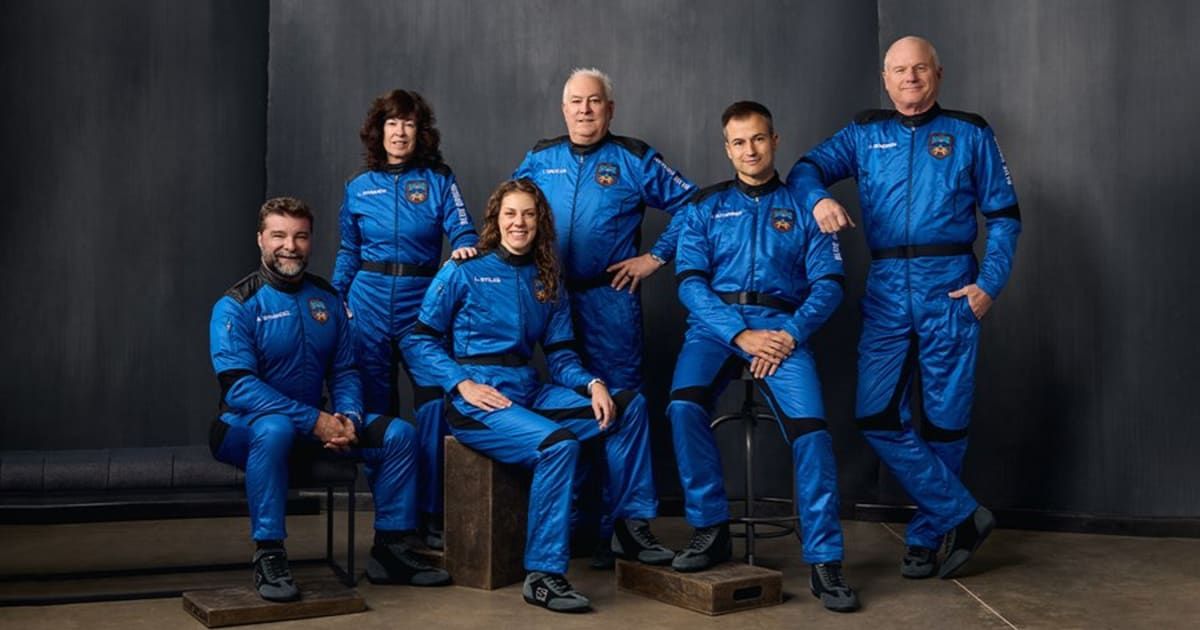
The all-civilian team included Tim Drexler, the former CEO of Ace Asphalt and an avid pilot; Dr. Linda Edwards, a retired obstetrician, gynecologist, and two-time breast cancer survivor; Alain Fernandez, a real estate developer and former scuba instructor; Alberto Gutiérrez, the founder of travel platform Civitatis; Jim Hendren, a retired U.S. Air Force colonel and F-15 pilot; and Dr. Laura Stiles, Blue Origin’s Director of New Shepard Launch Operations. Blue Origin shared that Stiles stepped in at the last minute for Andrew Yaffe, who had withdrawn due to illness, and will be a part of a future New Shepard flight.
Six different stories. One unforgettable journey to space. pic.twitter.com/qH2nlwCvLp
— Blue Origin (@blueorigin) January 23, 2026
The liftoff occurred after a small delay caused by “an unauthorized personnel on the range,” according to Blue Origin's livestream. The crew rocketed past the Kármán Line at a height of 62 miles above mean sea level, which is the supposed height at which air thins out enough for space to begin. At the flight apogee, the maximum height of the flight, of 350,000 feet, the crew enjoyed a few minutes of weightlessness with panoramic views of Earth against the darkness of space.
🔁 NS-38 Replay: Booster Touchdown! pic.twitter.com/uh00WJtacn
— Blue Origin (@blueorigin) January 22, 2026
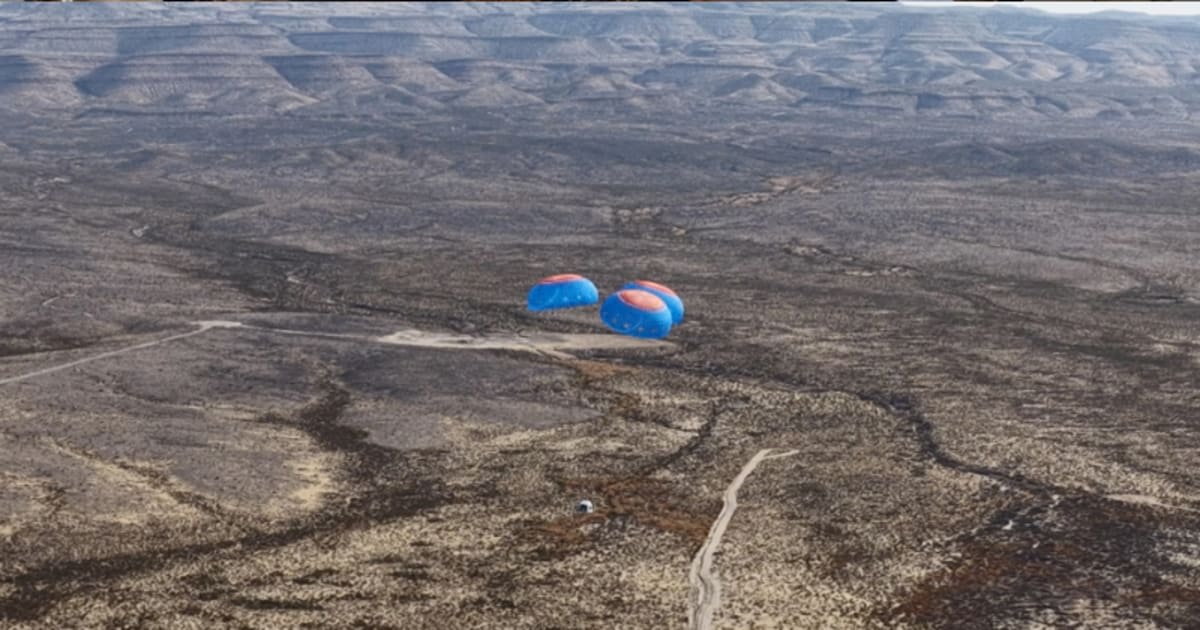
The rocket touched down in the designated landing area about 7 minutes and 20 seconds after liftoff, according to Space.com. The capsule followed suit approximately 3 minutes later with the aid of its three parachutes. Blue Origin has now flown 92 individuals to space across 17 human flights. In fact, the first crewed flight of the rocket that took place in 2021 had the company's founder, Jeff Bezos, on board along with his brother Mark Bezos and Wally Funk, a pioneer of the space race. An 18-year-old student named Oliver Daemen also accompanied them. The cost of the ticket aboard the New Shepard flight has not yet been made public. But for perspective, the company's competitor in suborbital space tourism, Virgin Galactic, charges $600,000 per seat.
The previous mission in the long line of New Shepard missions, NS-37, took place on December 18, 2025, from the same launch site. This flight was remarkable due to it being the first to carry a wheelchair user into space. Michaela ‘Michi’ Benthaus, an aerospace and mechatronics engineer at ESA, had suffered from an unfortunate accident in 2018, but didn’t let it deter her from following her passions and reached the limits of space, too.
More on Starlust
Blue Origin shares fascinating details about ‘transporter’ vehicle for its Blue Moon lunar lander
Blue Origin completes 13th crewed spaceflight carrying six civilian astronauts to suborbital space