Artemis II was just the beginning; the hardest stretch for NASA’s Moon ambitions begins now
It’s a wrap on Artemis II, and the celebrations are underway at NASA. However, all eyes are now on the future of the program. Flying around the Moon after more than 50 years is a historic achievement for humanity, but the mission was arguably the least complex step in the Artemis roadmap toward setting up a permanent base on the lunar south pole and sending humans to Mars. So, where does NASA go from here?
And splashdown!
— NASA Administrator Jared Isaacman (@NASAAdmin) April 11, 2026
America is back in the business of sending astronauts to the Moon and bringing them home safely.
Reid, Victor, Christina, and Jeremy did an outstanding job. These talented astronauts inspired the world and represented their space agencies and nations as… pic.twitter.com/wOioBBvGhX
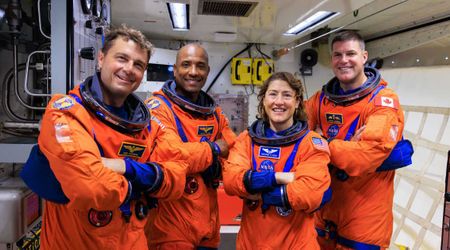
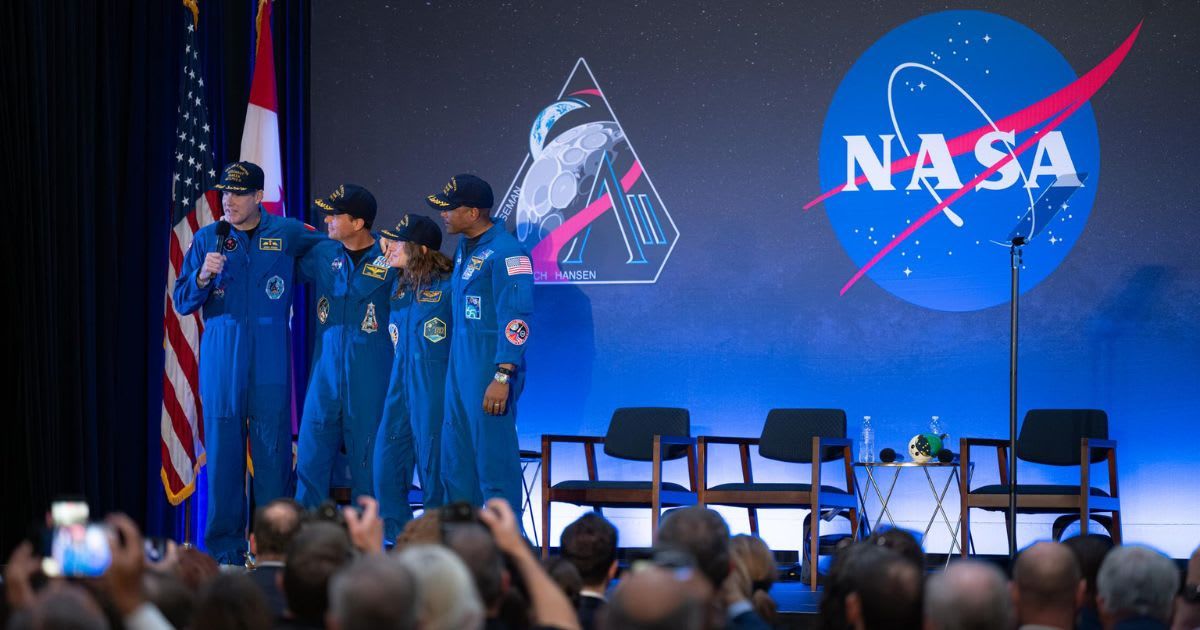
NASA’s leadership was the first to address the future of the program almost immediately after the four astronauts returned to Earth in a splashdown on Friday, April 10. NASA Administrator Jared Isaacman reiterated that this was not a once-in-a-lifetime moment, but rather the beginning of more exciting missions. “The work ahead is greater than the work behind us,” said Amit Kshatriya, NASA’s associate administrator.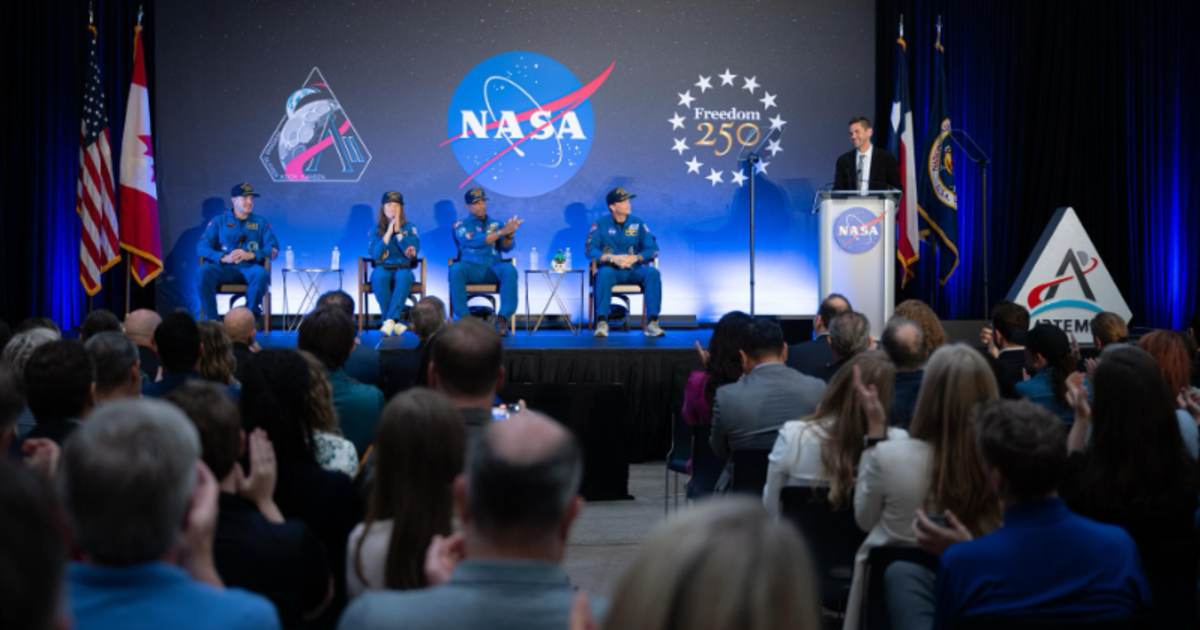
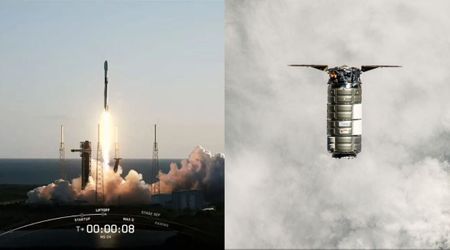
According to Isaacman, the next mission’s solid rocket booster segments are arriving at NASA’s Kennedy Space Center; its core stage is also nearing delivery this month from Michoud, Louisiana; and Mobile Launcher 1 is returning to the Vehicle Assembly Building. A crew announcement for Artemis III is also eagerly awaited. Unlike the crew of Artemis II, they won’t be doing a lunar flyby but rather completing a low-Earth orbit rendezvous with either one or both of the lunar landers. This mission targets a mid-2027 launch, followed by the crewed lunar landing with Artemis IV in early 2028. The change of plans would allow NASA to not just increase flight cadence but also reduce risks drastically.
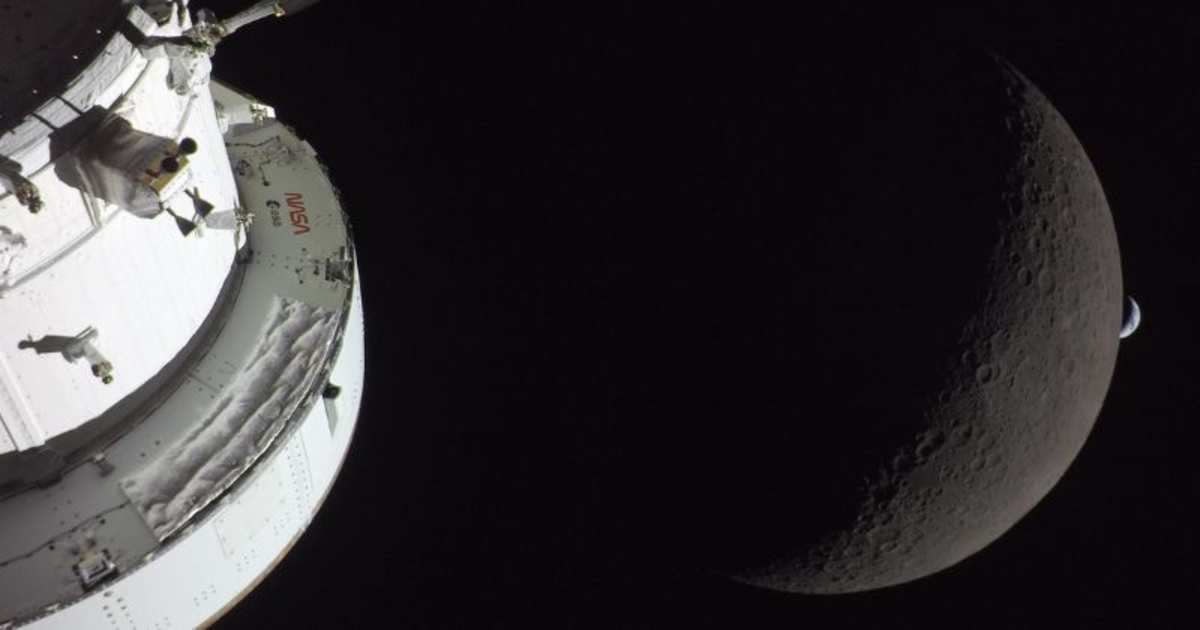
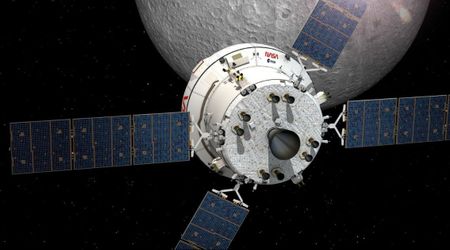
The Orion spacecraft delivered on its goal in safely bringing back the crew on a free-return trajectory. Immediately after splashdown, NASA began analyzing the crew capsule, especially the heat shield. Artemis III is expected to directly learn from this analysis for an improved Orion for the mission. However, there are still some challenges left before it’s put to use next year. The helium valve issue in the European Service Module propulsion system created a bit of a stir, although the leak was internal and did not affect operations or re-entry. This may not impact Artemis III as much but needs to be fixed before Artemis IV, when Orion travels to deep space again.
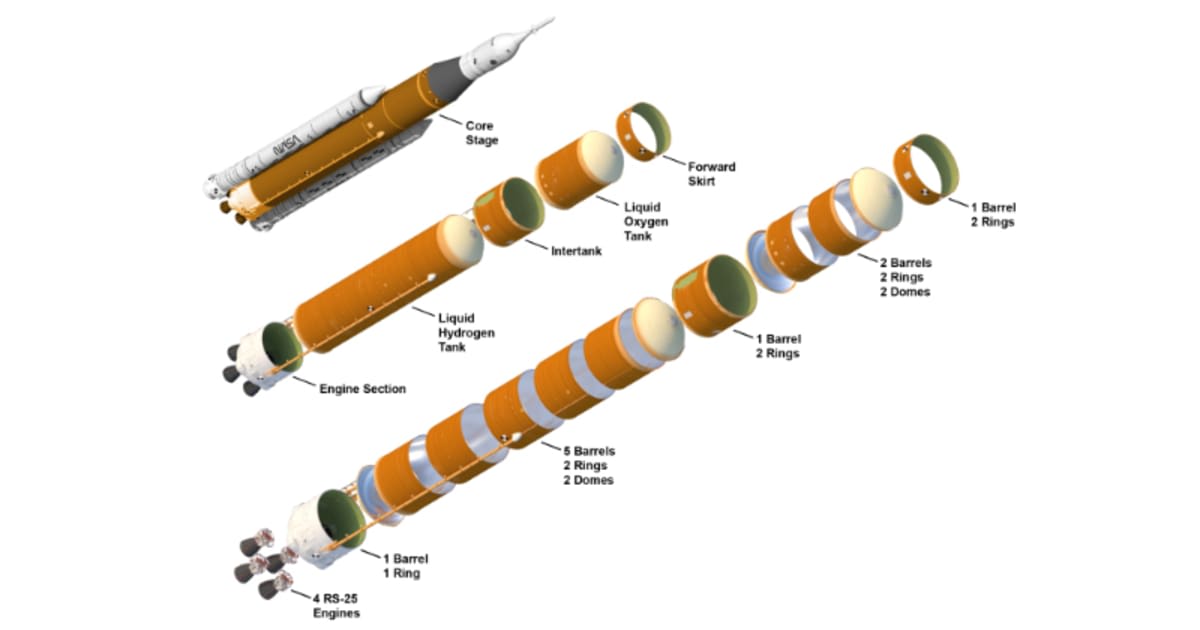
The Space Launch System (SLS) was a standout performer during Artemis II as it helped achieve the target orbit with near-perfect accuracy. And unlike Artemis I, the launch did only “cosmetic damage” to the Mobile Launch Tower, according to NASA’s Dr. Lori Glaze. But there are still some doubts regarding the SLS upper stage strategy. There’s only one final Interim Cryogenic Propulsion Stage (ICPS) remaining, and, according to Ars Technica, they may choose to use it for Artemis IV and might introduce the new Centaur V upper stage for Artemis V. 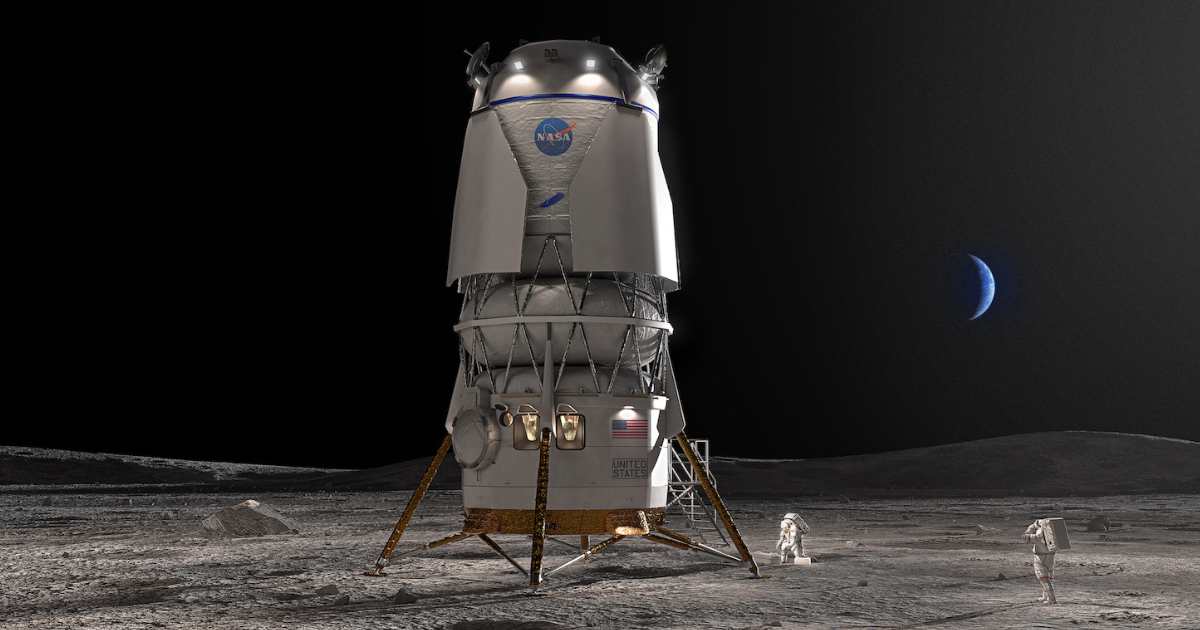
Another looming uncertainty at the moment is with human landing systems developed by commercial contractors. SpaceX’s Starship and Blue Origin’s Blue Moon need to go through rigorous hurdles like completing NASA’s human-rating certification or integrating with Orion’s strict requirements related to cabin pressure and thermal management. But this is just for the upcoming Earth-orbit rendezvous mission, as Artemis IV demands complete lander readiness. SpaceX must test its Starship for low-Earth orbit refueling, while Blue Origin must build a better version of the untested Blue Moon Mk.1 lander. Orion Program Manager Howard Hu recently confirmed that Orion’s docking system is ready to go and said they expect Blue Origin and SpaceX to work with NASA on standard procedures.
Artemis II Moon mission complete!
— NASA (@NASA) April 12, 2026
✅✅✅✅✅✅
- Space Launch System rocket launched crew into space
- Orion spacecraft kept astronauts safe
- Flew around the Moon, observed its far side
- New human spaceflight distance record
- Crew safely returned to Earth
- Inspired the WORLD pic.twitter.com/yc9TMRj97a
Lunar spacesuits also need more attention as NASA is solely relying on Axiom Space, which is currently working on the AxEMU suit. Collins Aerospace was selected too but exited in 2024, leaving the entire responsibility with Axiom to produce them just in time for the mission. NASA’s Commercial Lunar Payload Services (CLPS) program hasn’t shown much promise either. While this doesn’t directly impact Artemis III or IV, these lunar delivery missions are crucial for building a Moon base.
More on Starlust
As Artemis II heads back home, here's a look at the highlights of the historic lunar flyby
‘There's nothing this nation cannot do’: Artemis II astronauts speak with U.S. Congress from space