Artemis II: NASA identifies cause of helium issue, continues repairs inside VAB
The work began immediately after the SLS rocket reached the VAB.
PUBLISHED 1 HOUR AGO
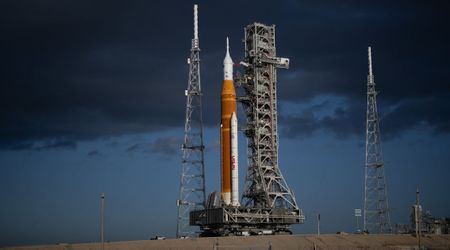
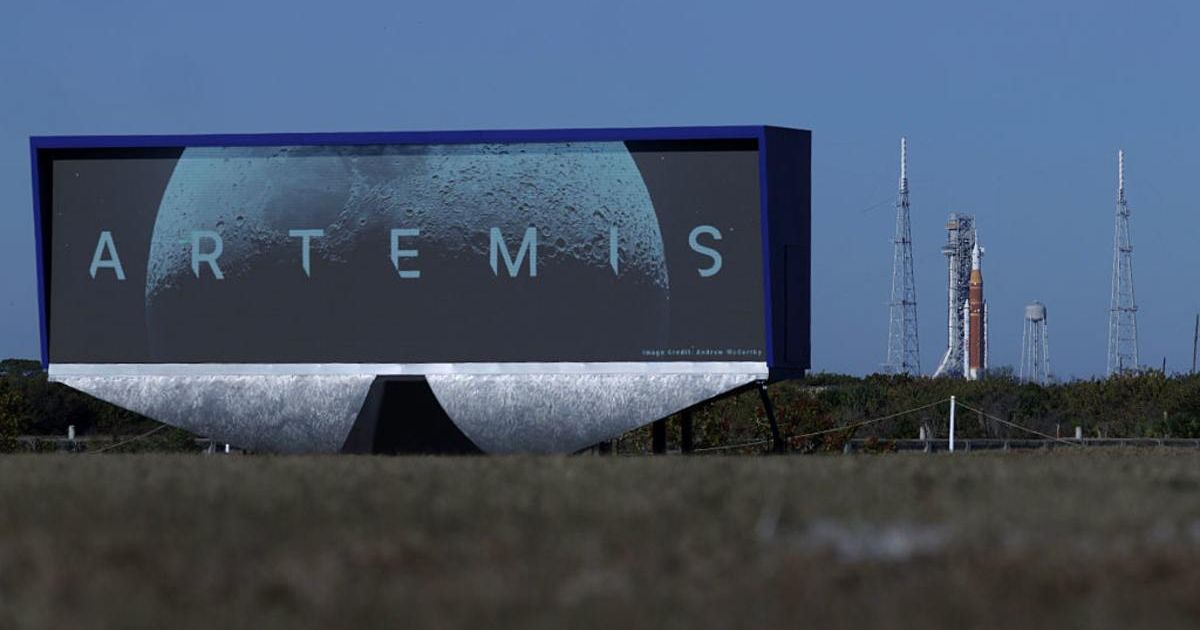
NASA's Artemis II sits on Launch Pad 39B at NASA’s Kennedy Space Center on February 03, 2026 in Cape Canaveral, Florida.  (Cover Image Souce: Joe Raedle/Getty Images)
NASA's Artemis II sits on Launch Pad 39B at NASA’s Kennedy Space Center on February 03, 2026 in Cape Canaveral, Florida. (Cover Image Souce: Joe Raedle/Getty Images)

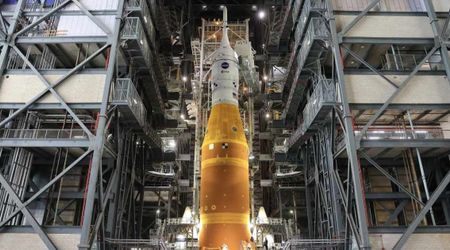
NASA technicians started working on the Artemis II SLS (Space Launch System) upper-stage helium-flow issue shortly after the rocket reached the Vehicle Assembly Building (VAB) on February 25, 2026. In a February 26 press release, the space agency reported that the technicians were in the middle of installing two sets of access platforms inside the launch vehicle stage adapter. NASA also revealed that the thermal blankets covering the area of interest on the interim cryogenic propulsion stage (ICPS) would also have to be removed. Among other things, the area houses tubing used to route helium into the upper stage.
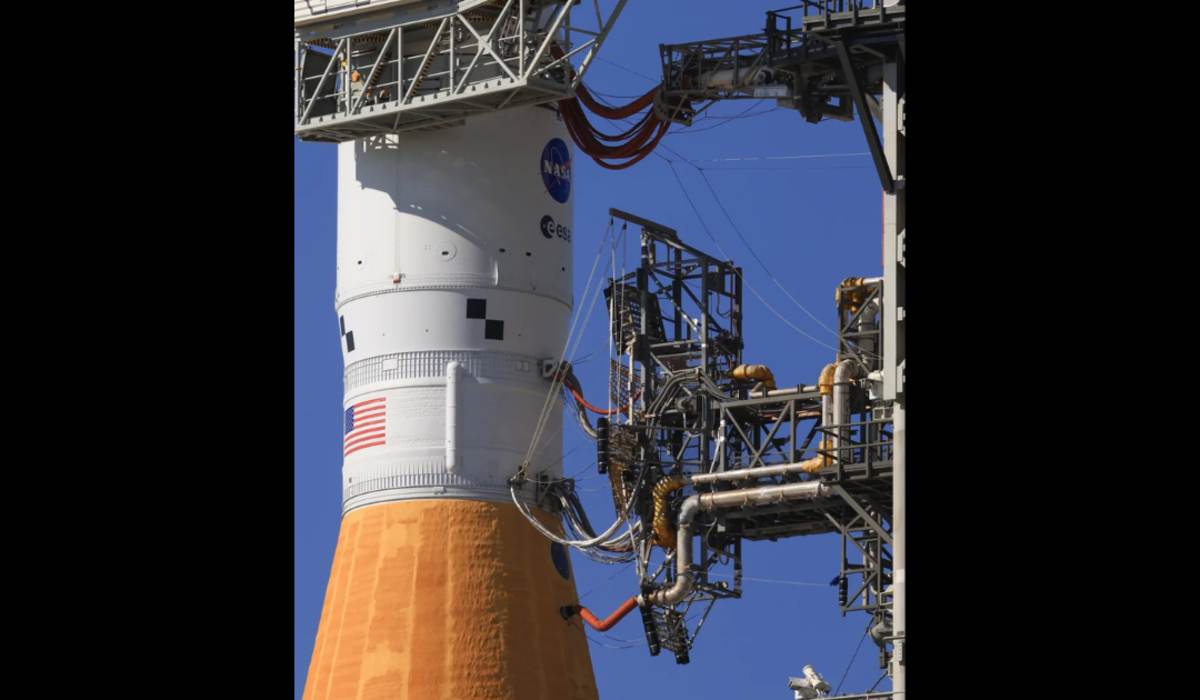
The ICPS has two umbilicals. The lower, larger aft plate supplies liquid hydrogen, liquid oxygen, and has a helium quick disconnect and hazardous gas sensing. (Image Source: NASA; Image Edited by Starlust Staff)

It is in the seal on this tubing's quick disconnect and a check valve on the other end that NASA has traced the helium issue to. The issue surfaced after the second wet dress rehearsal (WDR) that concluded on February 19. While the fueling test was largely successful despite certain anomalies, with NASA being able to keep the hydrogen leak well within safety limits, teams were not able to route helium properly during normal operations following the WDR. This left NASA with no choice but to roll the SLS rocket and the Orion spacecraft back to the VAB and scrap the March launch window altogether. 
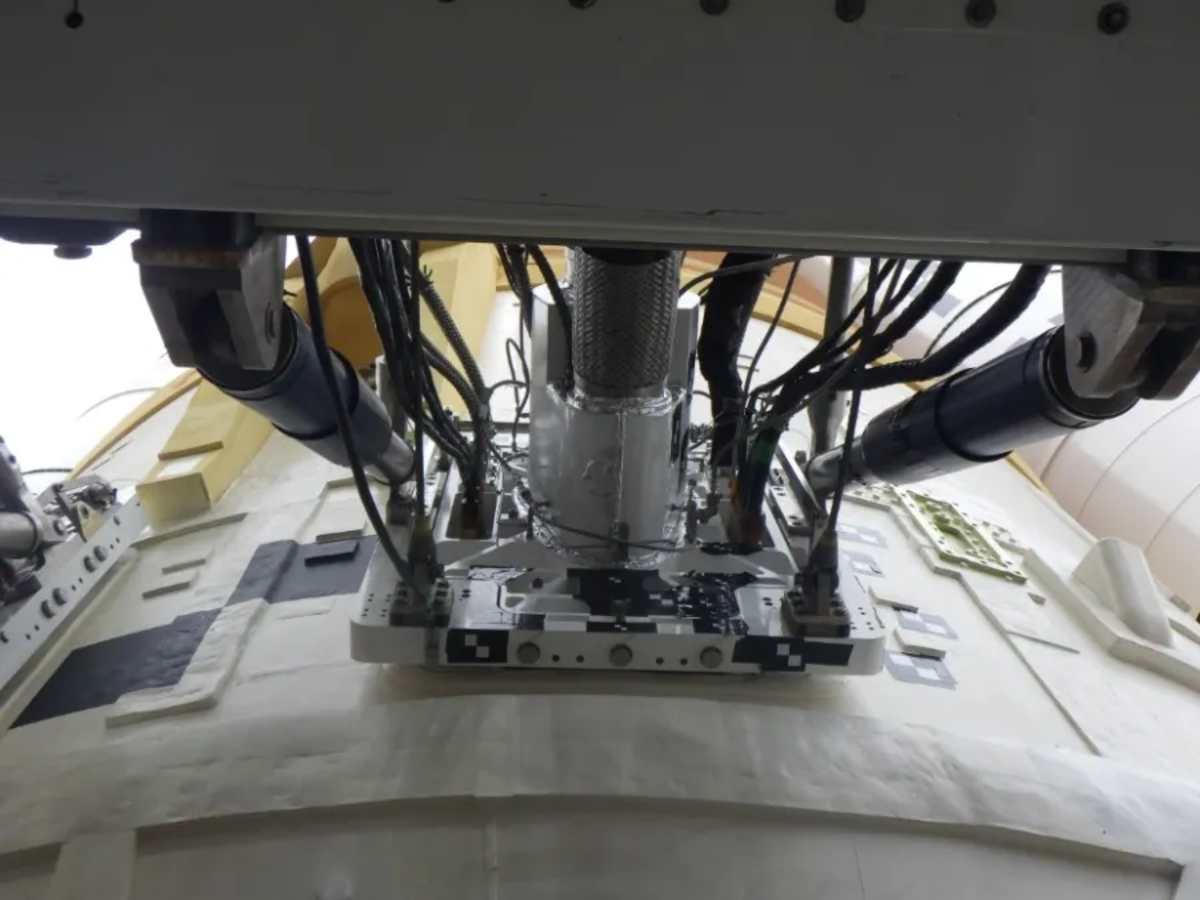
A mated flight and ground plate for the SLS core stage’s liquid hydrogen TSMU. The quick disconnect device sits between these interface plates once the umbilicals are connected. (Image Source: NASA)

With the rocket back in the VAB, NASA will also install new batteries inside the SLS upper stage, core stage, and solid rocket boosters. Teams will also retest the flight termination and avionics control system, besides recharging Orion's launch abort system batteries. In fact, there is a chance that engineers might refresh some of the items that have been packed inside the spacecraft. 
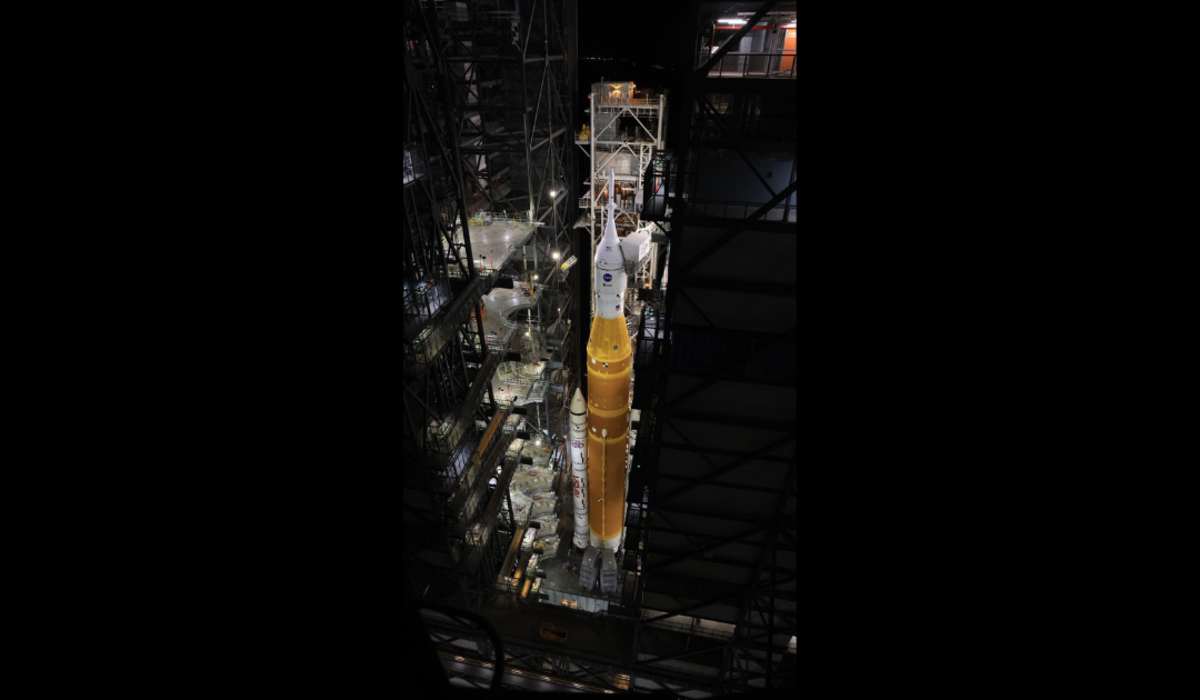
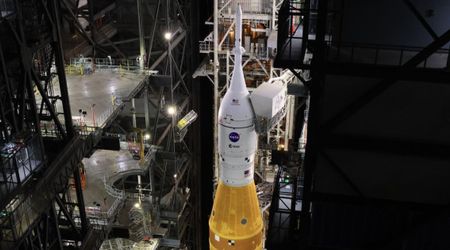
NASA’s crawler-transporter 2, carrying NASA’s Artemis II SLS rocket with the Orion spacecraft, arrives Wednesday, Feb. 25, 2026, at the Vehicle Assembly Building at the Kennedy Space Center. (Image Source: NASA/Cory Hutson; Image edited by Starlust staff)

Despite the volume of work that lies ahead, the space agency has assured that its teams have optimized the workflow so as to ensure that multiple tasks can continue in parallel. "Pending the outcome of data reviews, repair efforts, and how the schedule comes to fruition in the coming days and weeks, the Artemis II Moon rocket will roll back to Launch Pad 39B in time for April launch opportunities," the agency concluded. NASA will also host media personnel at a press conference at the Kennedy Space Center in Florida, during which the leadership will discuss the work that lies ahead. The press conference will begin at 10 am EST on Friday, February 27, 2026, and will be streamed on the agency's YouTube channel.

More on Starlust 

All hands on deck: The international collaboration behind Artemis II's SLS rocket and Orion capsule

Artemis II crew will use this roller-coaster-inspired system to escape to safety during emergency
MORE STORIES

Supermassive black hole binaries where the black holes are separated by short distances are extremely hard to find.
23 hours ago
The Karl G. Jansky Very Large Array in New Mexico and the MeerKAT radio telescope in South Africa were employed for the project.
1 day ago
The plan aims to launch a spacecraft directed towards the comet in 2035.
1 day ago
The discovery made by a large research team challenges the existing models of the universe.
2 days ago
The objects shaped like snowmen are born naturally under gravitational collapse.
4 days ago
The telescope detected a faint glow from molecules in the planet's upper atmosphere.
4 days ago
Hubble was aided in this hunt by the ESA's Euclid and the ground-based Subaru telescope.
Feb 19, 2026
The fourth planet in the system is a rocky world, while the second and third ones are gas planets.
Feb 16, 2026
Predicted to reach perihelion again in 2028, it will give astronomers a chance to get additional insights.
Feb 16, 2026
As the name suggests, the nebula looks like a yolk hidden inside an opaque egg white.
Feb 13, 2026