A strange egg-like object is growing on International Space Station—and astronauts are watching it
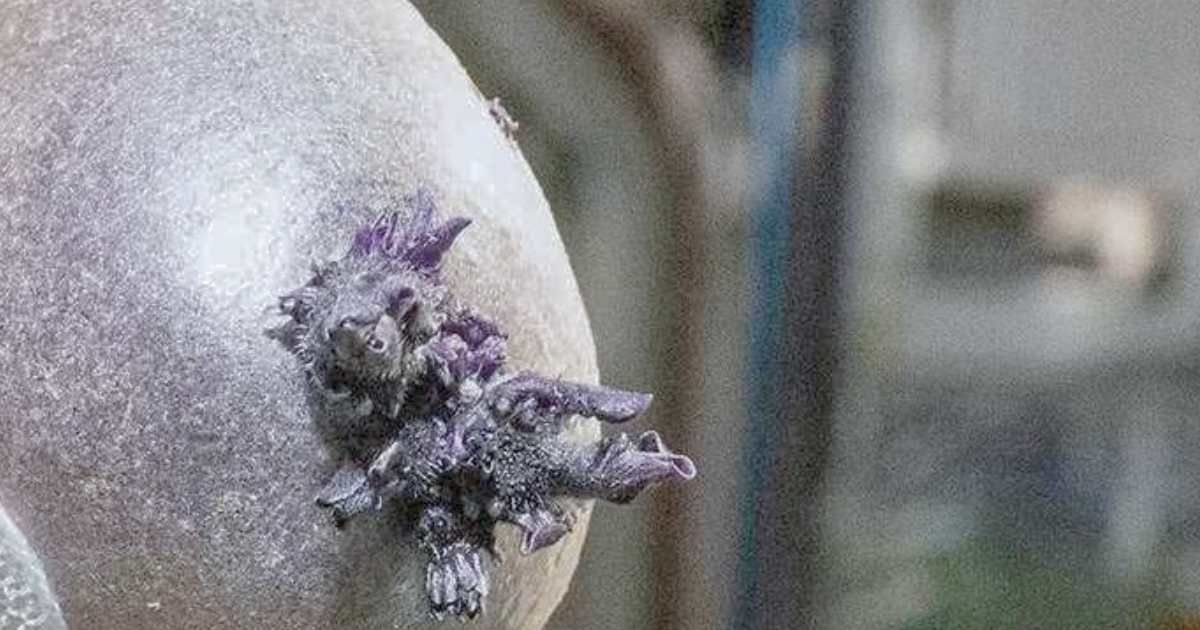
NASA astronaut Don Pettit (@astro_Pettit on X) recently put social media in a shock with a picture of a peculiarly structured object growing aboard the International Space Station (ISS), as reported by Daily Galaxy. Thought to be an alien entity by many, this never-before-seen object looked like an egg sprouting dark, bizarre black tentacles from its base, which ironically was nothing as menacing as everyone thought. It was actually just a potato grown as part of Pettit’s personal space garden project that he conducted during his time aboard the ISS. This cheeky little prank with this eerie object also garnered some amusing reactions from users online, with people saying that it should be “killed with fire.”
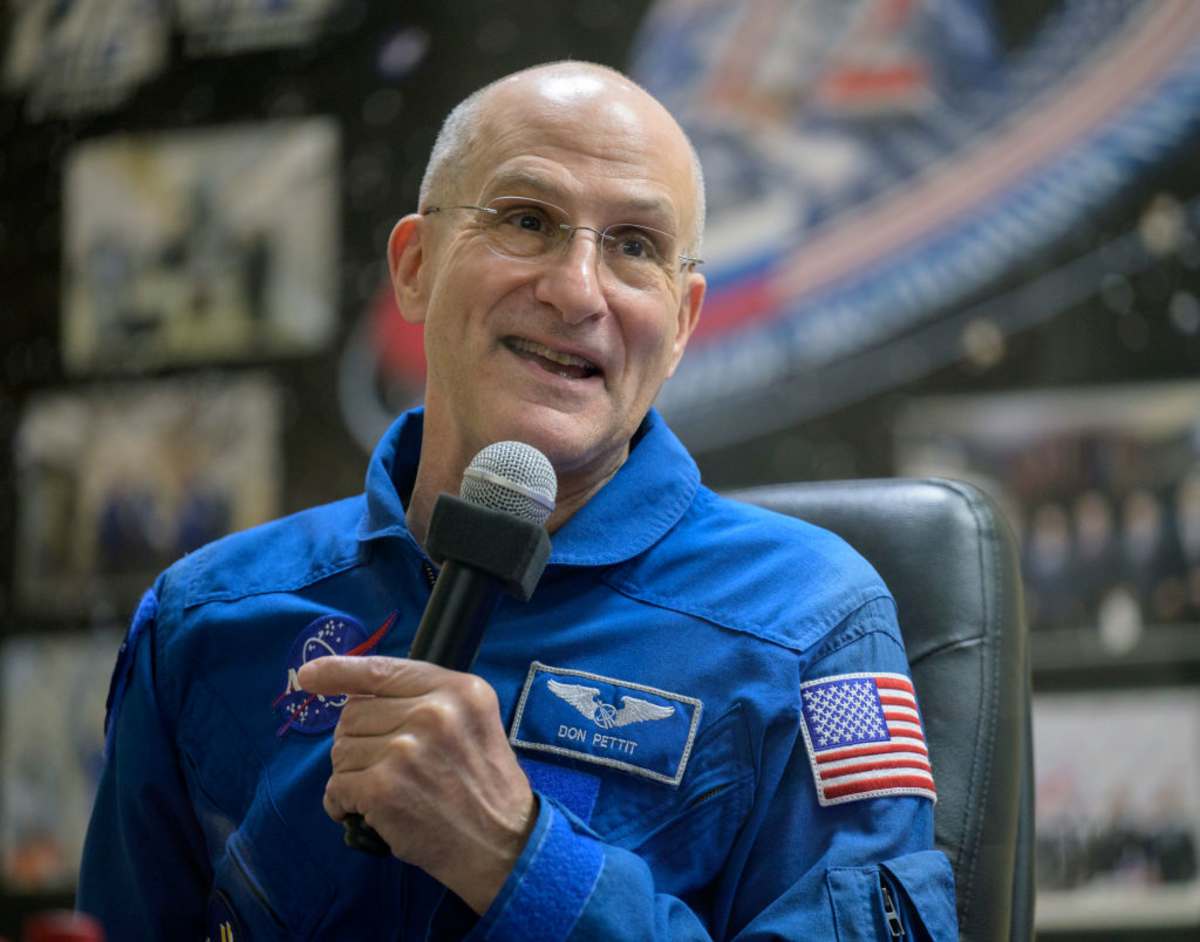
Don Pettit is one of the best photographers who has flown into space. Since his first mission, which took place in 2002, he has spent a total of 590 days in Earth orbit and has captured some mesmerizing photos of celestial beauties. Among his impressive repertoire, he has captured photos of comets from space, including C/2024 G3 and C/2023 A3, and also photographed the October 2024 aurora display from space, as per Sky at Night Magazine. Recently, a new addition to his portfolio of a perceived alien-like entity has been made. The latest photograph featured an odd, tendril-like growth in this object, which was simply an early purple potato growing in the microgravity conditions of the ISS, revealed later by Pettit. “This is an early purple potato, complete with a spot of hook Velcro to anchor it in my improvised grow light terrarium,” he explained. It was captured during Expedition 72, which took place between September 2024 and April 2025. So, how did these potatoes reach space?
Spudnik-1, an orbiting potato on @Space_Station!
— Don Pettit (@astro_Pettit) March 20, 2026
I flew potatoes on Expedition 72 for my space garden, an activity I did in my off-duty time. This is an early purple potato, complete with spot of hook Velcro to anchor it in my improvised grow light terrarium.
Potatoes are one… pic.twitter.com/MXsoV20vJ8
Pettit had carried these potatoes to space with him as part of his personal space garden project to explore the possibility of crop growth and sustenance in space. During his off-duty time, he would work on this space garden initiative, a critical project for supporting long-duration missions for safely studying deep space for humans. When this photo was first shared on social media by the scientist, it sort of went viral. People started linking the object with an alien creature or unknown lifeform growing in the unique environment of space. It also ruffled the imagination of the masses, with the famous Alien sci-fi horror franchise prevalent in cinema; it was an easy option to fall into, and resembled an uncanny egg.
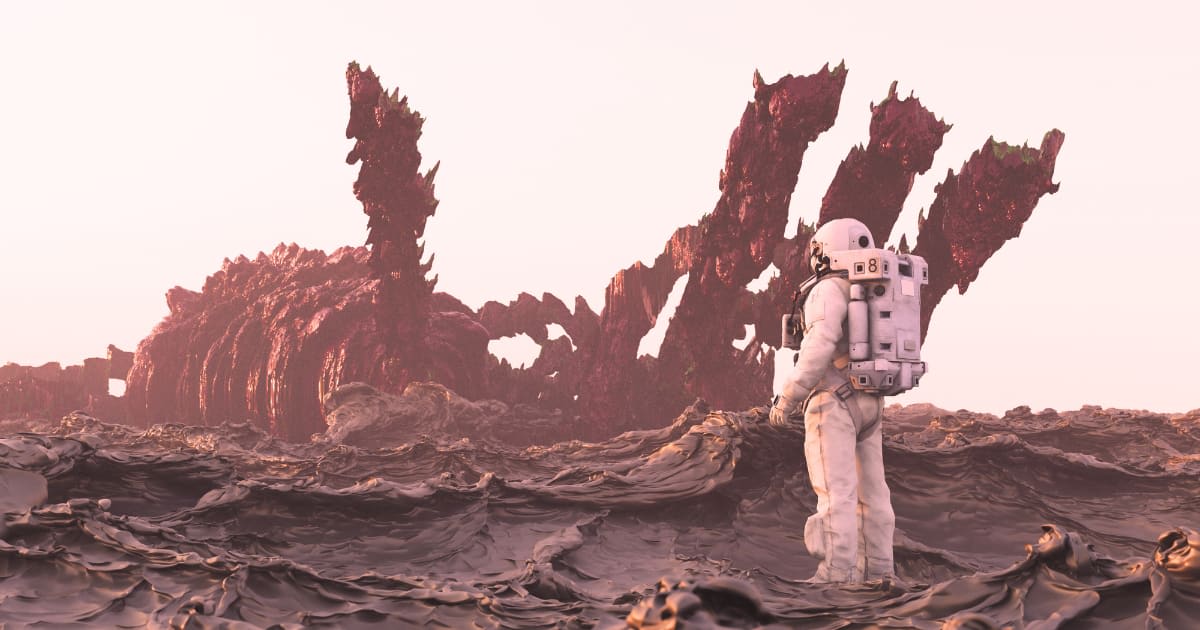
Now, the interesting choice of choosing potatoes for growing in space does make us think as to why this particular vegetable was chosen. Potatoes are a staple food on Earth that have great nutritional value as they are a high-quality carbohydrate source. Therefore, they are also vital in studying the production and viability of food in space, like in the famous ‘The Martian’ movie, where the protagonist grows potatoes on Mars to survive after he gets stranded on the planet. “Potatoes are one of the most efficient plants based on edible nutrition to total plant mass (including roots),” Pettit remarked.
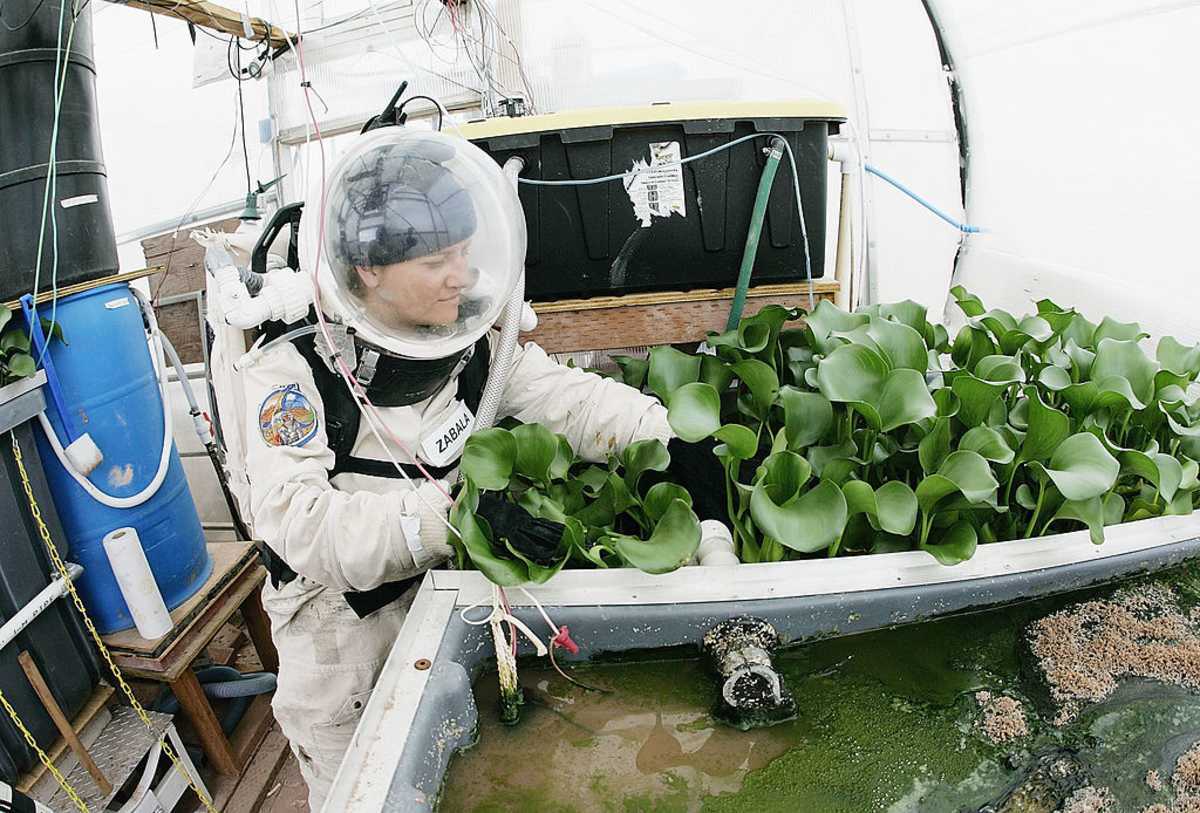
He also explains the growth difference of this root vegetable in space from Earth, stating that “The roots would grow in all directions absent gravity, and all plants I have ever grown in space have grown far slower than they would have on Earth.” This highlights that due to the absence of gravity, the major challenge to growing crops in space is that the roots grow in an uncontrolled direction, which affects overall plant development. However, this experiment also opens great avenues toward understanding growing food in a zero-gravity habitat, which is a big feat in itself.
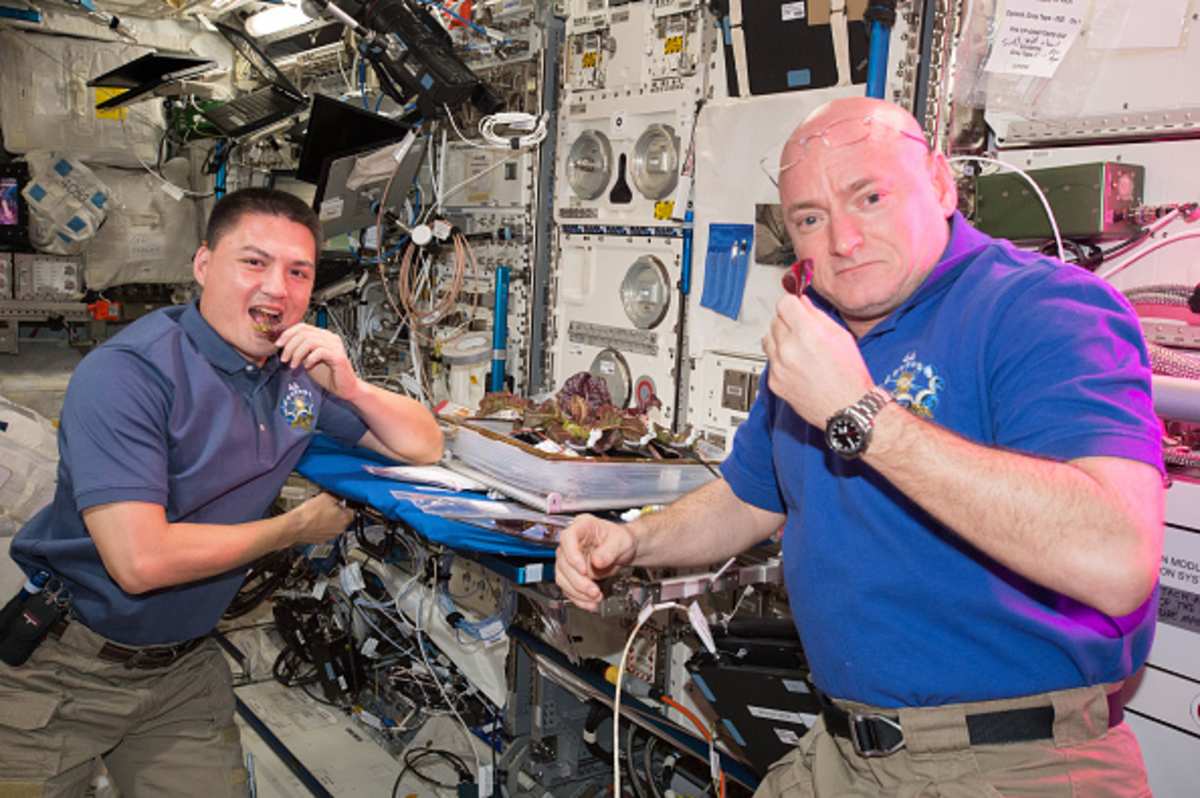
This space garden is part of NASA’s wider research to gain insight regarding growing food in space, which is absolutely crucial for future missions. It highlights NASA’s endeavour to not just satiate astronauts’ hunger in space and sustain them in long-duration missions, but also encapsulates their larger vision of achieving sustainable food production in space. Experimenting with various types of crops will allow the space agency to get a deeper understanding of the pedigree of crops that will best grow in the testing environment of space. While the growth of some crops also seems essential, as they can help in protecting astronauts from space radiation and other challenges in space. “Foods like berries, certain beans, and other antioxidant-rich foods would have the added benefit of providing some space radiation protection for crew members who eat them,” NASA explained.
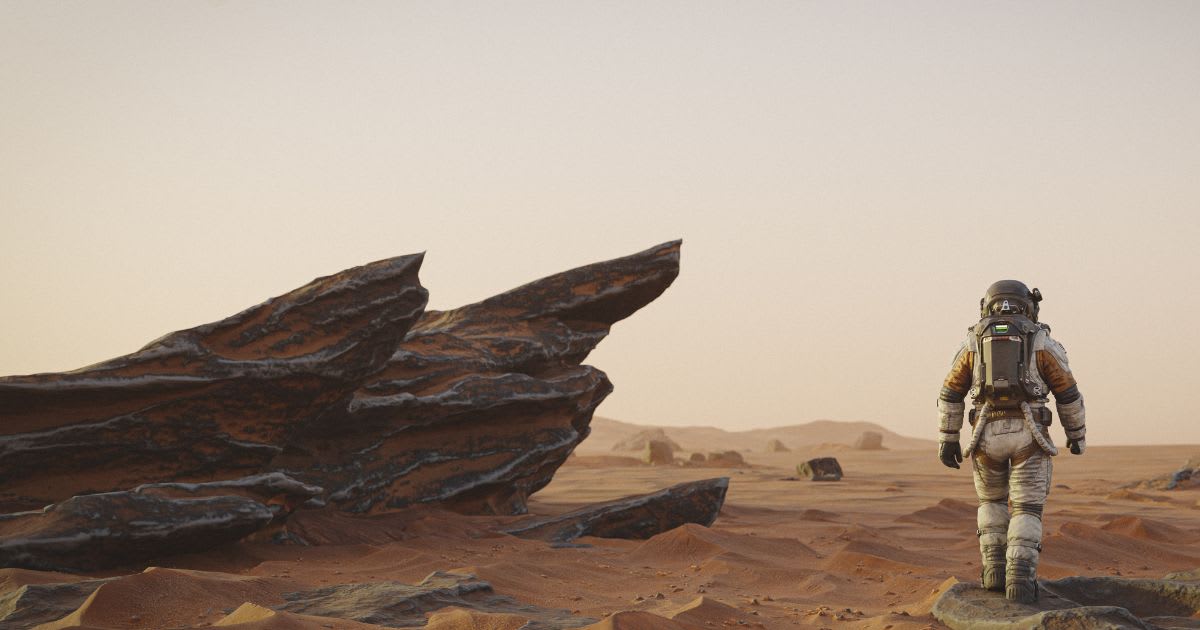
With these experiments and studies, which seem trivial currently, NASA hopes to lay the groundwork for a future of space exploration where astronauts in outer space can grow their own food and sustain themselves for long periods without relying on supplies from Earth. This also supports their bigger vision of agricultural growth, supporting future missions to the Moon and Mars. Pettit’s potato experiment is just one step toward the larger vision of sustainable future space travel. He is also continuing in this experiment, testing the viability of different crops in space and examining them. He says, “I have more pictures I will share later,” hoping for another prank on the social media masses. With ISS approaching its end in this decade, these advancements are also paving the way for the potential of establishing a permanent human presence beyond Earth.
More on Starlust
NASA says April 1 the 'most optimum' launch window before wind and rain risks increase
Powerful X-class solar flare not a concern for Artemis II launch on April 1, confirms NASA