8 key astronomical illuminating events to look forward to in July and how to watch them

July is set to be a spectacular month for sky watchers globally. The night sky will present an impressive array of cosmic phenomena, from bright star clusters to planetary sightings, offering exceptional opportunities for all observers. Optimal viewing conditions are anticipated for these key alignments, making July a prime period to engage with the wonders beyond Earth's atmosphere. This period also encourages all to turn their gaze skyward and partake in the timeless tradition of celestial observation.

Here are eight key astronomical events to watch for in July, per National Geographic.
July 1: Messier 22 reaches peak visibility
The Messier 22 globular cluster, a stunning sphere densely packed with hundreds of thousands of stars about 10,000 light-years distant, reaches its highest point around local midnight. Observers south of 46° N latitude will have the best view. While appearing as a faint smudge to the naked eye under dark skies, binoculars or a small telescope will reveal its intricate structure.

July 4: Mercury's prime evening appearance
Catch elusive Mercury on July 4 as it reaches its greatest eastern elongation, marking its farthest apparent separation from the Sun in the evening sky. This presents one of the best opportunities of the year to spot the innermost planet. Look towards the west-northwest horizon shortly after sunset, during the twilight hours.
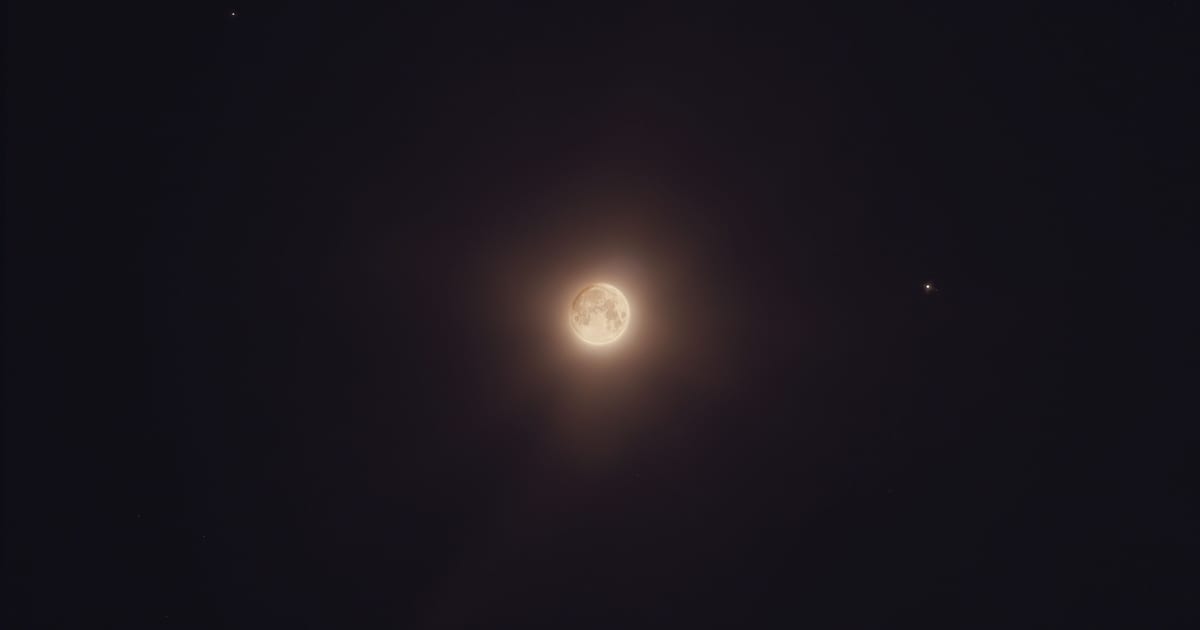
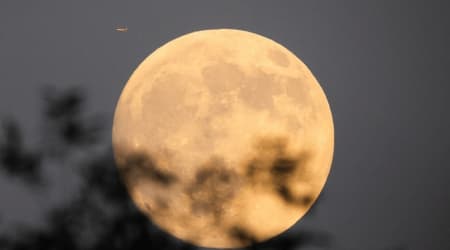
July 10: The full "Buck Moon"
July's full moon, traditionally known as the "Buck Moon," illuminates the night sky on July 10. This moniker refers to the period when male deer begin regrowing their antlers. Binoculars can greatly enhance your view, revealing striking features such as the bright rays from Tycho crater and the dark basaltic plains, or maria.

July 16: Moon aligns with Saturn and Neptune
Before dawn on July 16, the waning gibbous moon will pass closely by Saturn and Neptune in the constellation Pisces. Saturn is bright enough to be seen with the naked eye, while Neptune, far dimmer, will require a telescope. Notably, Saturn will have recently begun its retrograde motion, appearing to shift westward in the sky.

July 20: Crescent Moon approaches the Pleiades cluster
On July 20, the crescent moon will be positioned within a degree of the Pleiades (also called the Seven Sisters or M45). While this bright, open cluster contains over 1,000 young, hot stars, most people typically only spot six with the naked eye. This close pairing creates a picturesque scene, especially when framed through binoculars, allowing both the moon and the glittering stars to be seen together.

July 25: Pluto at its closest and brightest
Pluto will offer its best viewing opportunity of the year on July 25. On this date, it achieves two significant alignments: direct opposition to the Sun from Earth's perspective and its closest orbital approach (perigee). Despite shining marginally brighter, spotting this dwarf planet, nearly three billion miles away, still necessitates a powerful telescope and a detailed star chart. Look for it around midnight local time in Sagittarius.

July 29: Conjunction between Moon and Mars
The evening of July 29 features the Moon passing in close proximity to Mars in the constellation Taurus. Observers should be aware that visibility may be limited in some areas due to the pair appearing low on the horizon and potential obscuration by daylight. If the skies are clear, seek out the distinct reddish glow of Mars near the waxing crescent moon.

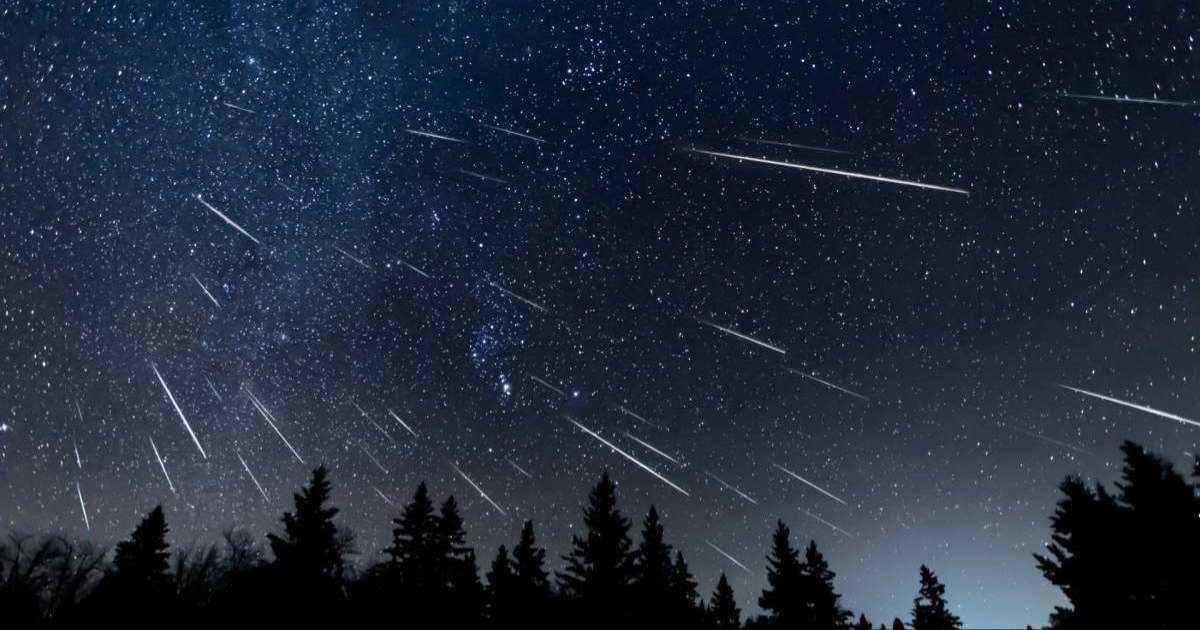
July 29-30: Southern Delta Aquariids meteor shower peak
During the night of July 29-30, observers can target the peak of the Southern Delta Aquariids meteor shower. With the waning crescent moon setting early, conditions will be exceptionally dark, ideal for spotting these generally faint meteors, which may appear at a rate of 10 to 20 per hour during their active period from July 18 to August 12