Why the SLS rocket is the perfect fit for the Artemis II mission
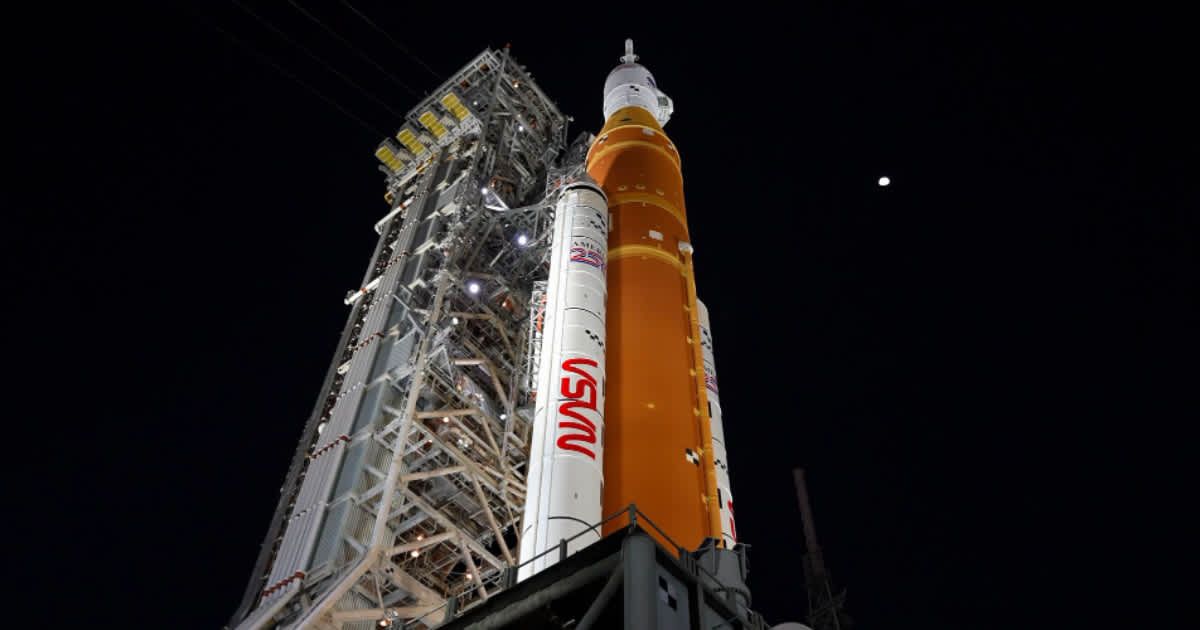
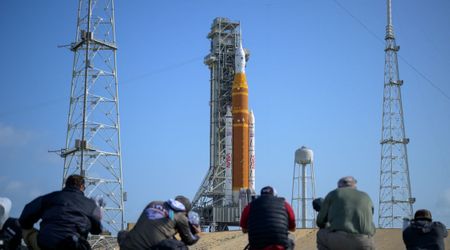
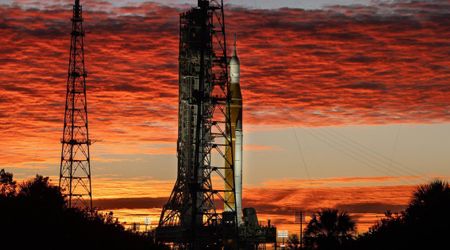
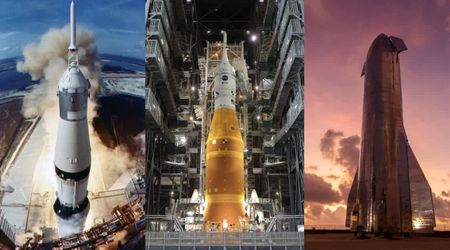
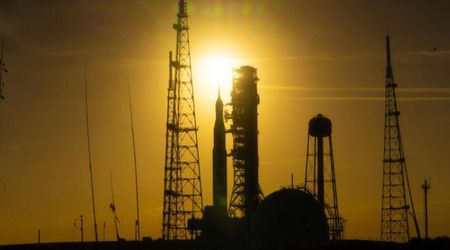
The Space Launch System rocket, ready for the launch of Artemis II on April 1, 2026, is the only launch vehicle capable of delivering the Orion spacecraft, humans, and cargo to the Moon in a single launch. It is a 322-foot-tall behemoth that can do so by generating over 8 million pounds of thrust at liftoff and jettisoning its various expended stages through its ascent. In November 2022, NASA proved its flight capabilities with Artemis I, putting an uncrewed Orion spacecraft in lunar orbit. However, with the stakes raised significantly with the addition of a flight crew for Artemis II, nominal functioning of the vehicle has never been more important. So, as the much-awaited liftoff nears, let's take a look at the various subsystems at work inside the rocket.
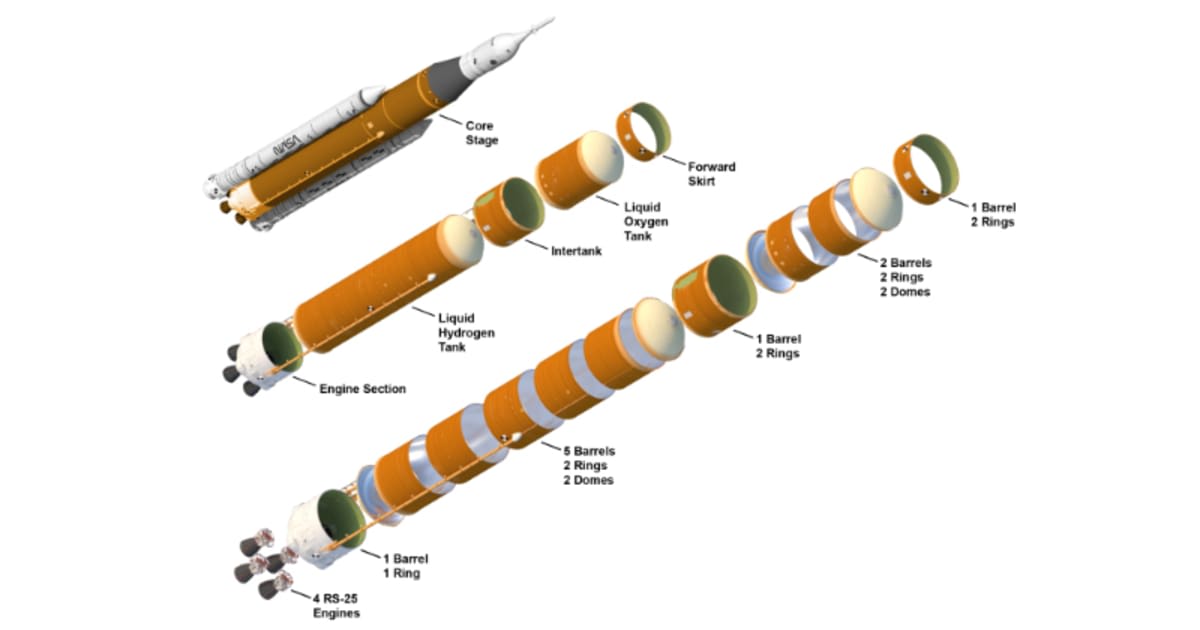
Anatomy of the SLS
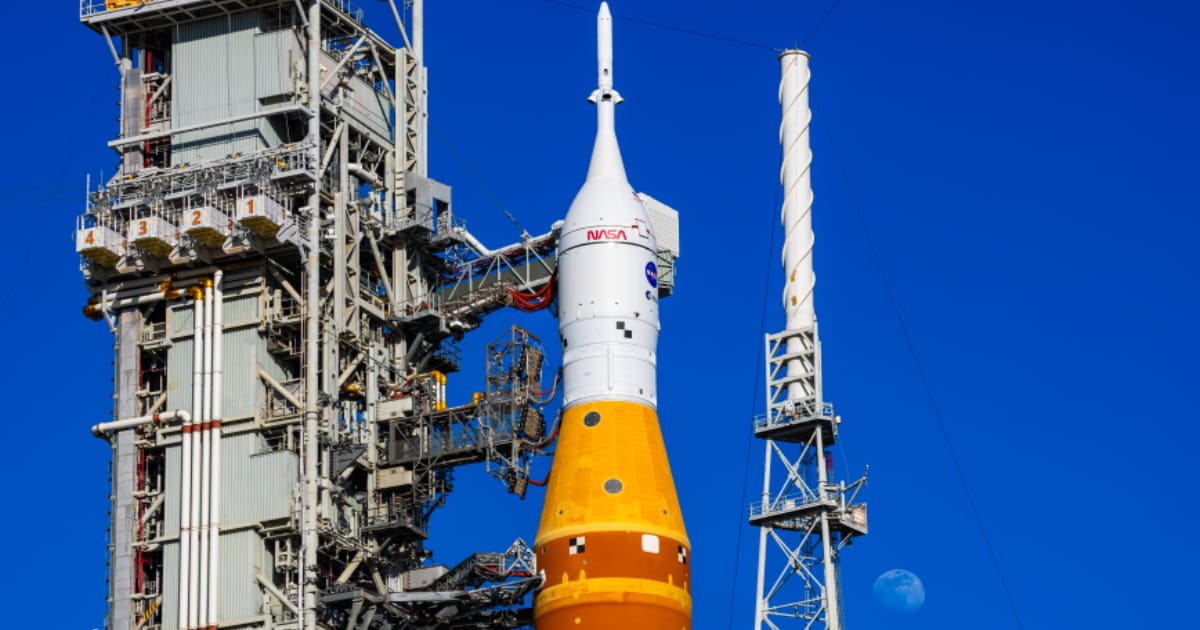
The SLS rocket features a central core stage, which houses four liquid-filled RS-25 engines and is flanked by two solid rocket boosters. Although the boosters are Shuttle-era-derived, they are much larger than their predecessors. The liquid hydrogen/liquid oxygen-fed RS-25 engines, too, operate at a higher thrust level than the Shuttle engines and come with new controllers. The core stage is topped off by the launch vehicle stage adapter, which houses the interim cryogenic propulsion stage (ICPS). Above it is the Orion spacecraft that houses the crew, integrated with SLS by the Orion stage adapter (OSA). At the top of the Orion spacecraft is the launch abort system (LAS), which is a rocket in its own right. It is a safety measure required to fire only in a near-catastrophic event where the lift-off goes awry, and the crew must be separated from the rocket quickly. The LAS will jettison about three and a half minutes into the flight when there is no longer a need for safe abort.
The ‘brains’ of the rocket
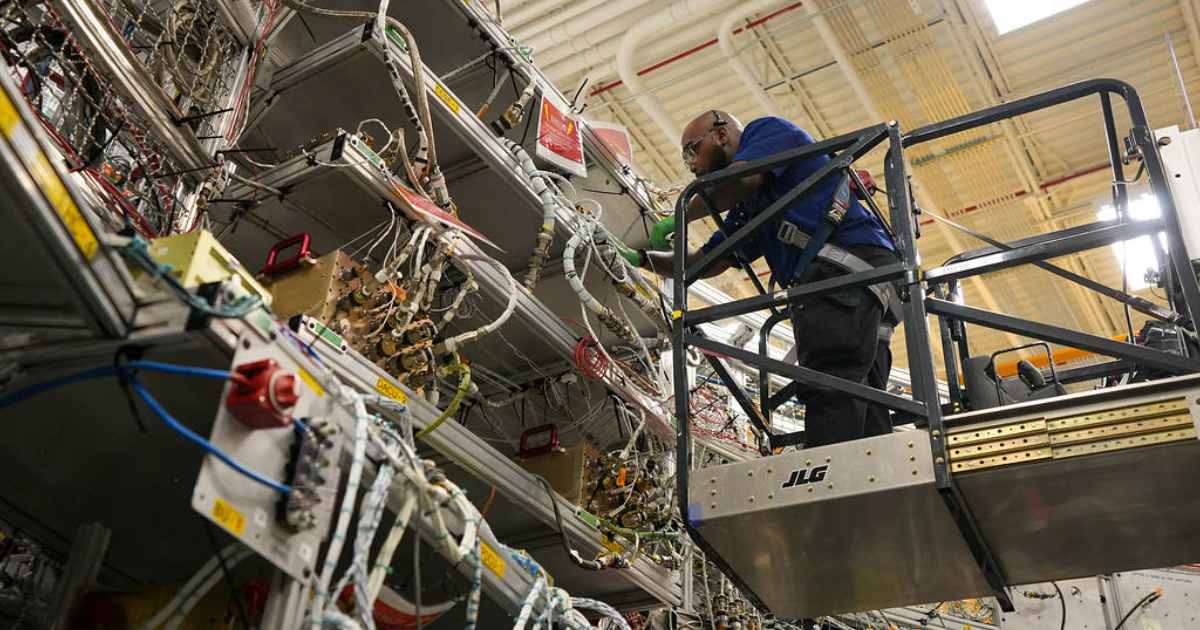
Two of the most sophisticated parts of the rocket are its avionics and software. These are often referred collectively as the ‘brains’ of the rocket, as they’re meant to direct all of the thrust in the correct direction. Avionics comprise the electrical systems that help SLS stay on its path by altering the direction its engines point toward. This movement is guided by the software, which in turn runs with the help of three flight computers installed near the top of the core stage. The booster avionics, controlled by the flight computers, will provide 80% of the control during the first two minutes. The boosters will provide more than 3/4ths of the total thrust during the first two minutes of the flight.
Differences from SLS used for Artemis I
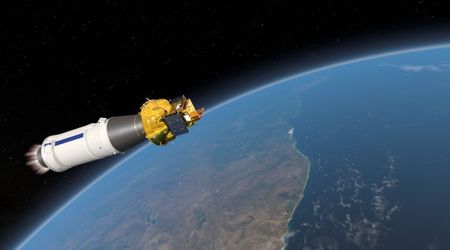
While the core stage, engines, boosters, in-space stage, and adapters remain unchanged from the successful Artemis I demonstration, certain mission-specific objectives have been incorporated into the vehicle set to fly with the four-person crew aboard. For instance, to facilitate a proximity demonstration test in high-Earth orbit, the ICPS, which will serve as a passive target for the same, will come fitted with optical target assemblies on the outside of the stage and the OSA diaphragm. Before the demo, which is meant to simulate rendezvous maneuvers that will be a part of future missions, the ICPS will perform apogee and perigee-raise burns. And once the demo is done and dusted, it will perform another burn, deploy its secondary payloads, and re-enter Earth's atmosphere for disposal in the Pacific Ocean, unlike in Artemis I, whose ICPS was sent on a disposal trajectory around the Sun.
The ICPS also comes with a GPS in-space navigation capability and an emergency detection system that can flag and automatically deal with anomalies and communicate the same to Orion so as to enable a timely launch abort. Other upgrades include a built-in time delay in the SLS Flight Safety System that will allow for LAS crew escape. Minor tweaks that reflect the Artemis II launch period and trajectory have also been made to the vehicle flight software.
While NASA has admittedly struggled to get the SLS off the ground as frequently as they would have liked, the particular SLS rocket in use for Artemis II is tailor-made for the objectives of this mission. A future version of the rocket will replace the existing ICPS with a new upper stage from United Launch Alliance for carrying heavier cargo as NASA looks to send bigger payloads to the Moon in preparation for the establishment of a Moon Base.
More on Starlust
Artemis II: All the ways you can keep track of the mission — before, during, and after launch
Countdown to Artemis II: Here's what will happen in the final hours before this historic launch