When is SpaceX's next Starship test flight? Everything you need to know
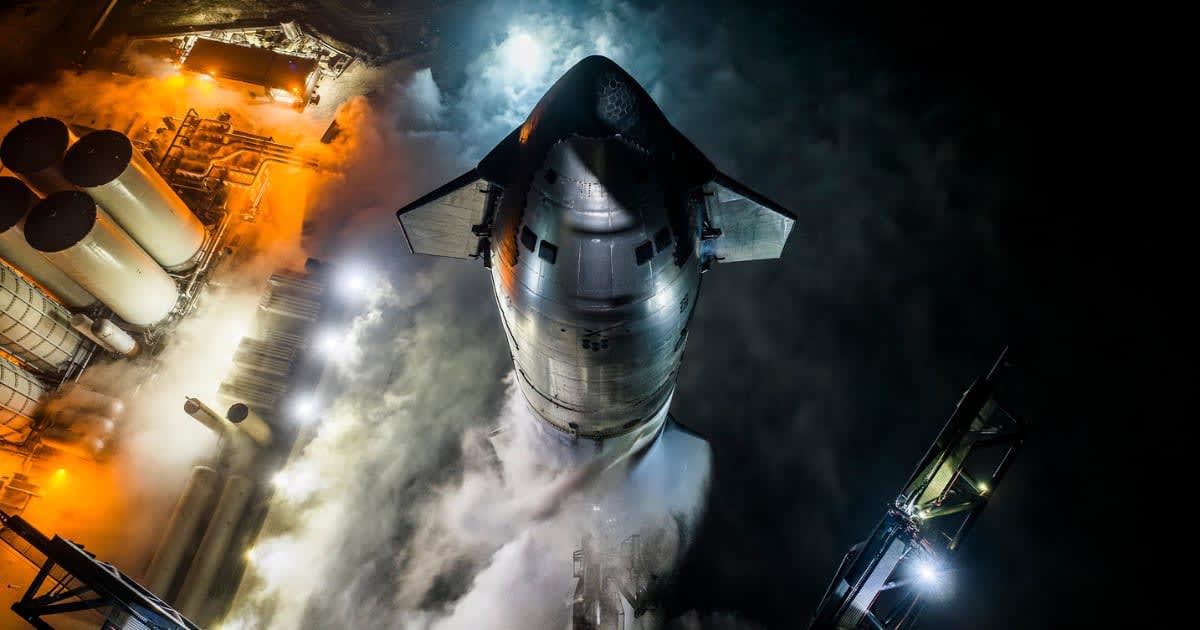
SpaceX is pushing the development of Starship, the most powerful launch vehicle ever designed. Conceived as a fully reusable transportation system, it has the ability to take both crew and cargo into Earth's orbit, the Moon, Mars, and even beyond our solar system, according to the company.

The vehicle is a huge two-part system comprised of the Starship spacecraft itself, along with the Super Heavy rocket. Physically, the stack is an engineering marvel: 123 meters (403 feet) tall, with a diameter of 9 meters (29.5 feet). Performance-wise, it's designed to carry a payload of between 100 and 150 metric tonnes when flying in its fully reusable configuration and as much as 250 metric tonnes if the hardware is employed in an expendable capacity. And while folks around the world were readying for holiday cheer, teams within SpaceX were hard at work in South Texas. On Christmas Eve, the company confirmed a major milestone for Flight 12, its twelfth test flight.

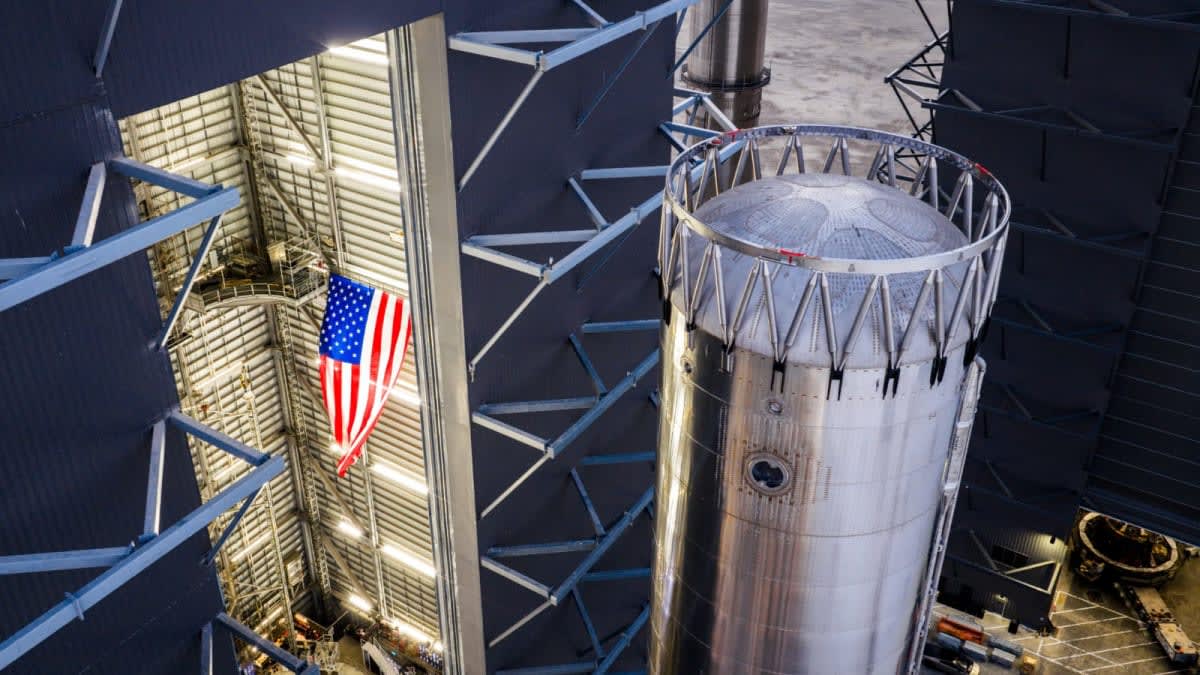
SpaceX posted an image on X with the shiny Super Heavy booster standing tall in a high bay at Starbase. The caption "Stack complete" suggests that the booster is assembled and one step closer to its launch debut. While SpaceX hasn't targeted a specific date for Flight 12, the company is working toward a launch in the first quarter of this year. This follows a brief setback in late November when the booster that was supposed to be used on Flight 12 buckled during a ground test, forcing SpaceX to quickly get a replacement ready.
Last year was a big one for Starship: after some technical setbacks during its first three test flights, the rocket completed two back-to-back "perfect" missions last August and October. Flight 12 will try to continue that streak by introducing "Version 3" of the Starship hardware. It stands a little taller than previous iterations. It will also be the first flight to use the new Raptor 3 engine. Most importantly, SpaceX has said that Version 3 is the first version of the ship actually capable of reaching Mars.
In fact, Musk is betting on the launch of uncrewed Starships to Mars during the next planetary alignment window, which will arrive in the last few months of this year. Nevertheless, before Starship can fly to Mars, it has to successfully perform several tough tasks that are close to Earth, namely, get to full orbit and refine the challenging technique of refueling in space. To meet these ambitious targets, SpaceX is ramping up production at its Starfactory facility in Texas. According to NASA Spaceflight, a massive fleet of vehicles up to Ship 48 is in various stages of assembly, with focus now shifting to the first two Block 3 vehicles expected to fly this year.
Validation testing on a Raptor 3 performing a Starship V3 ascent burn. Multiple versions of this test will cover the different conditions seen by Starship’s three inner engines during its initial climb to space pic.twitter.com/Rrd4rEuGqt
— SpaceX (@SpaceX) December 3, 2025
Engineers are conducting rigorous inspections of the Thermal Protection System (TPS) tiles—the heat shield components that will protect Starship during the fire of atmospheric reentry. If those tests go well, SpaceX intends to bring these massive ships back to the launch site for a "tower catch" early in the Block 3 era. The timing is dependent on the vehicle testing still to come, as well as the preparation of the new Launch Pad 2 at Starbase.
More on Starlust
SpaceX’s January 2026 launch calendar signals another big year for the company
Falcon 9 to launch more Starlink satellites as SpaceX builds on two successful missions this year