What is the Moon phase today? Here's a list of lunar features you can keep an eye out for
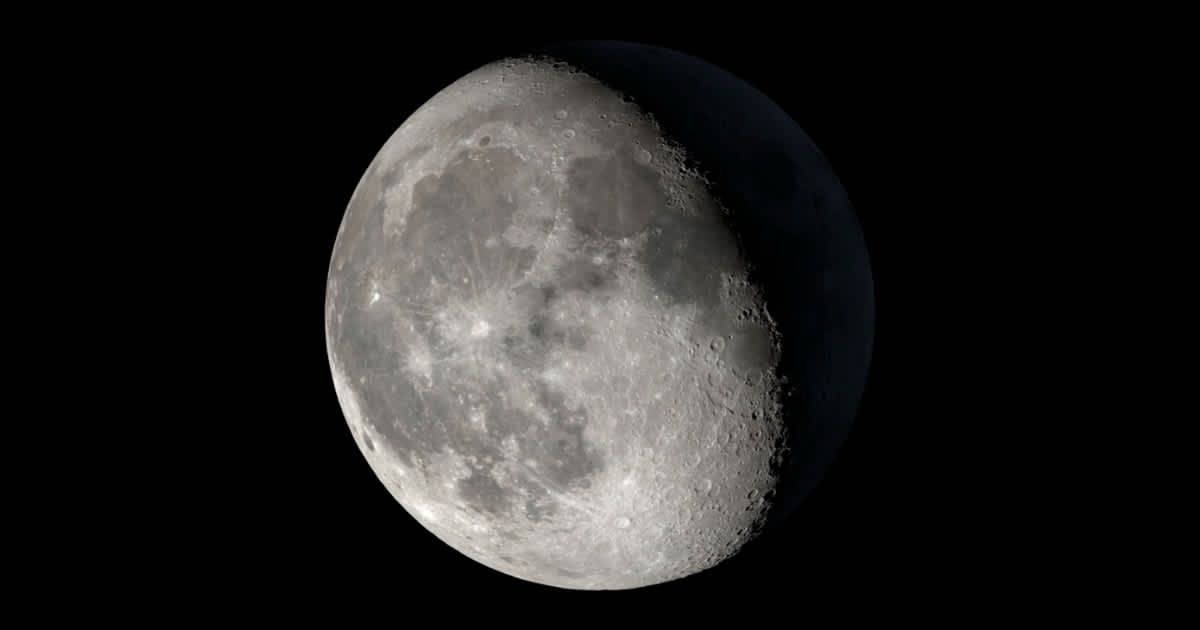
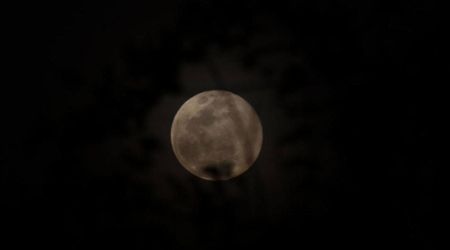
According to NASA’s Daily Moon Guide, the Waning Gibbous Moon dominates the night sky today, February 6, 2026, offering skywatchers around the world a prime opportunity to observe detailed lunar features. Five days past its Full Moon phase on February 1, 2026, the Moon is now 19.22 days old in its 29.5-day cycle, with 79.2% of its visible lunar disk illuminated by the Sun.

While the Waning Gibbous phase sees the Moon's illuminated portion decrease, the terminator line, i.e., the boundary between the Moon’s sunlit and shadowed sides, will be highlighting craters, mountains, and maria (the dark plains on the moon mistaken for seas by early astronomers) in crisp detail.
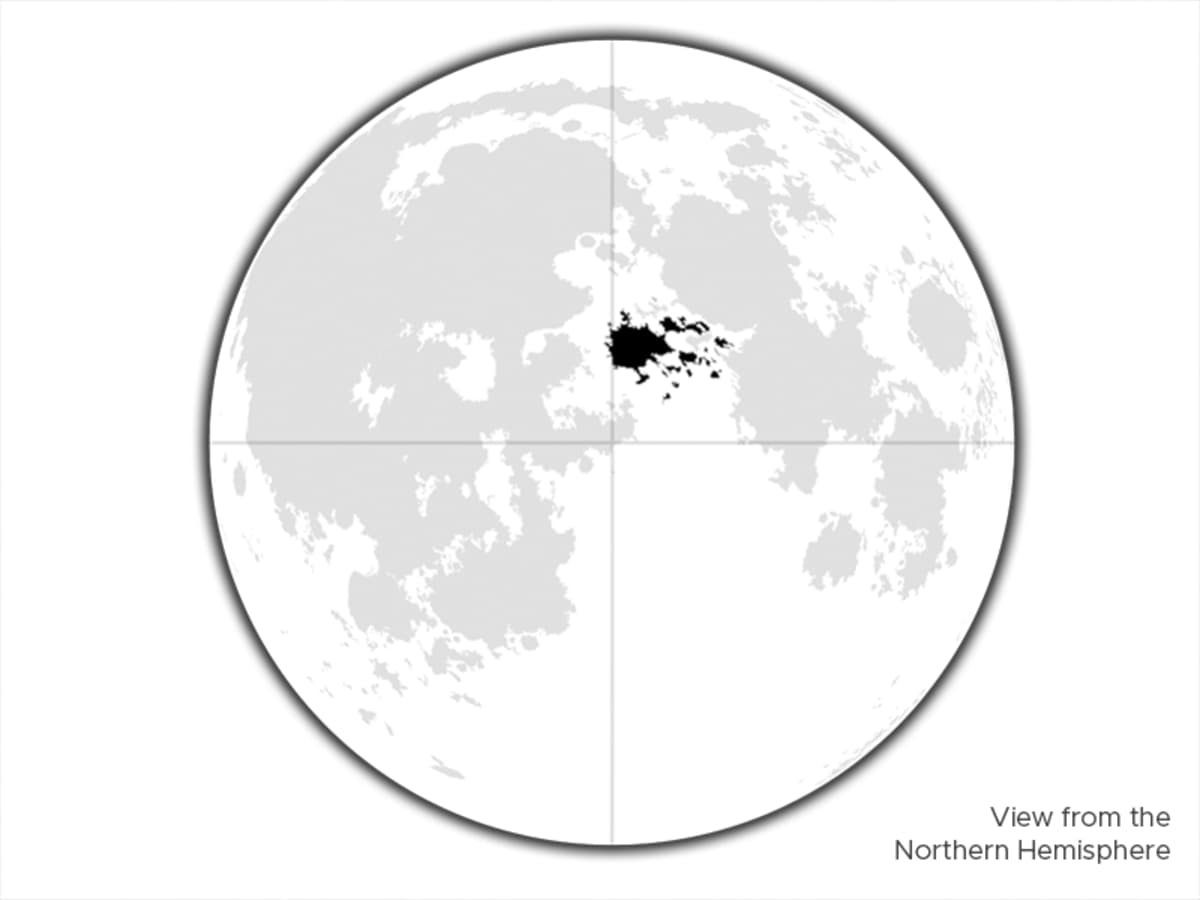
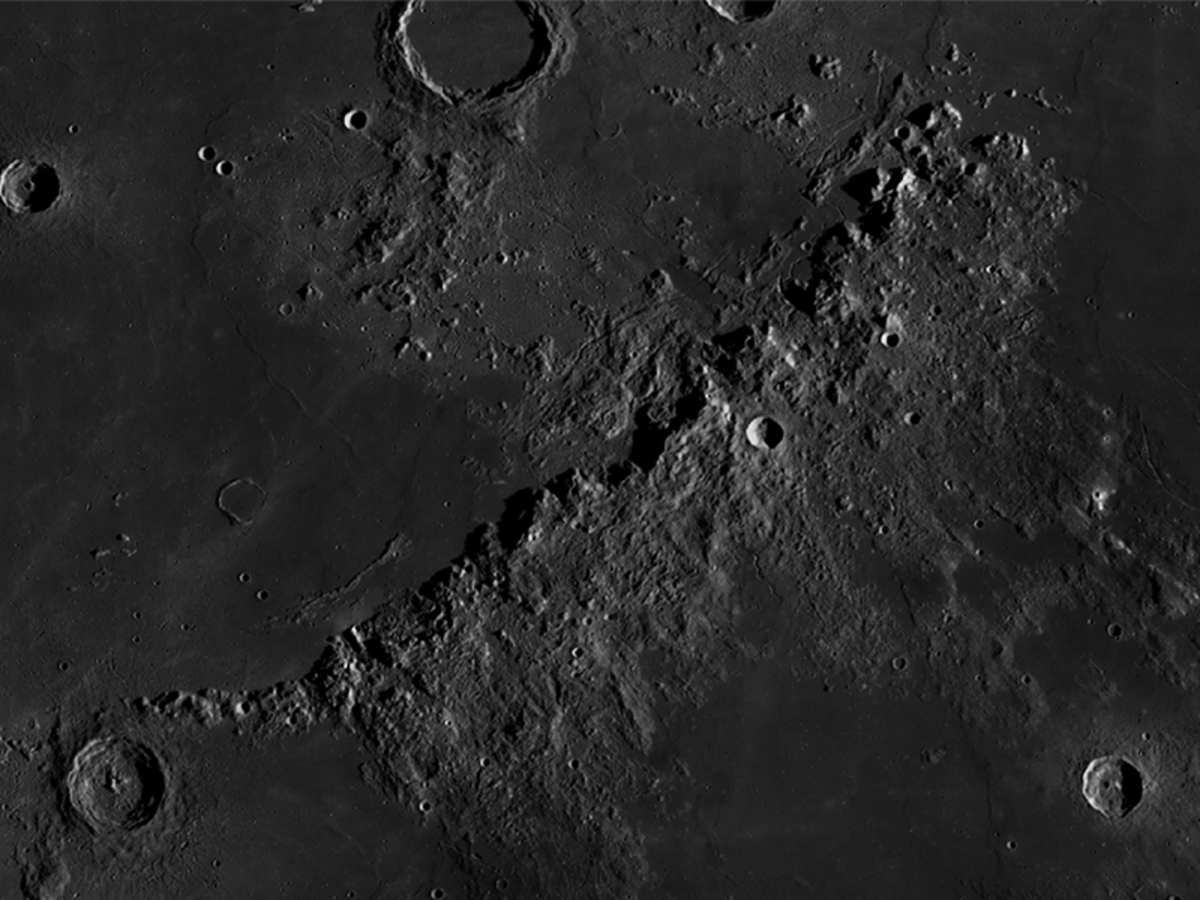
If you happen to be in the Northern Hemisphere and have a pair of binoculars, NASA recommends you look out for the Archimedes Crater and the Apennine Mountains near the terminator. Additionally, the Rima Ariadaeus, a fracture system between the Mare Vaporum and Mare Tranquillitatis (both of which can be spotted tonight), will be visible through a telescope, as will be the Apollo 11 landing site.
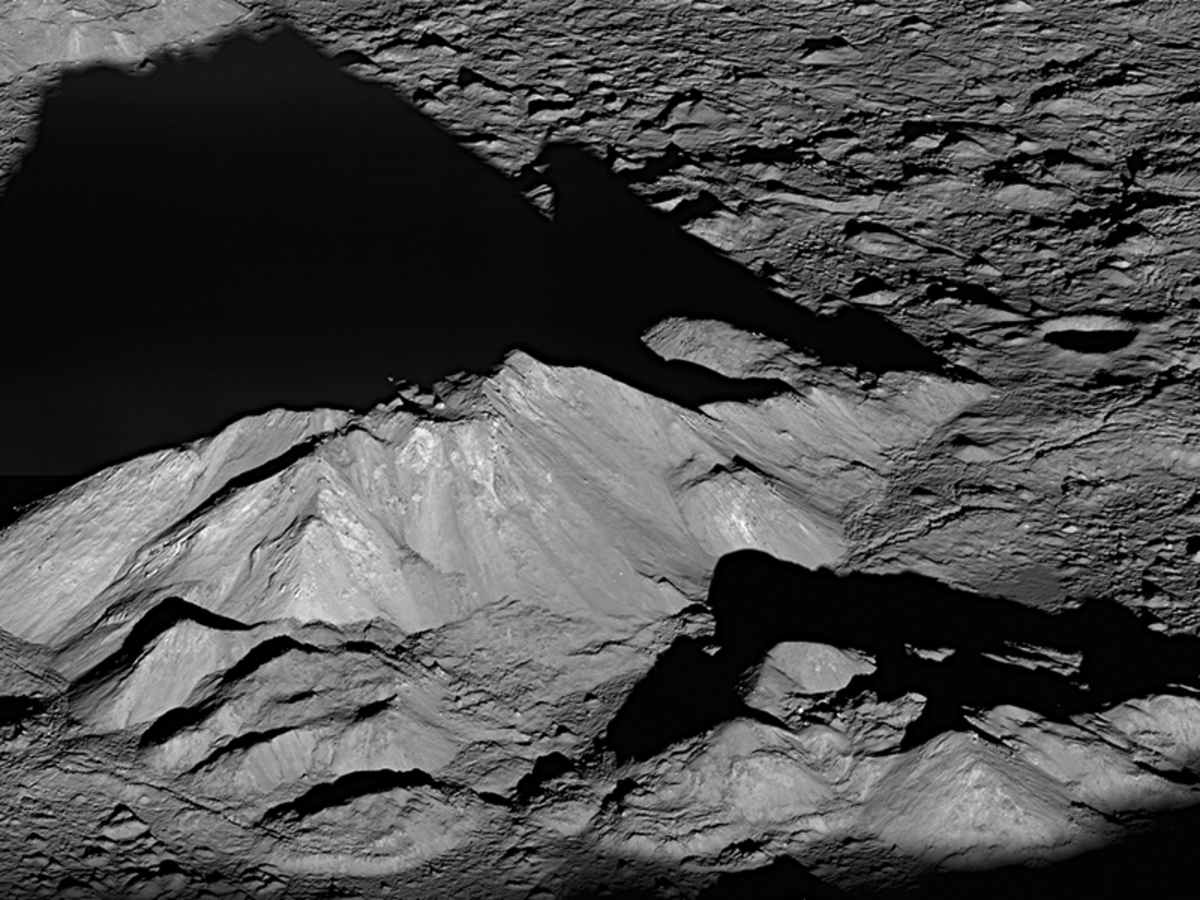
If you are in the Southern Hemisphere, a pair of binoculars will show you the Mare Nectaris and the Alpine Valley near the terminator. On the other hand, through a telescope you'll be able to see the Descartes Highlands and the Apollo 15 and 12 landing sites. There's no need to worry if you don't have a telescope or even binoculars, in fact. That's because a host of recognizable lunar features like the Kepler and Tycho craters will be visible to the naked eye as well from both halves of the world.
The Moon will also be drifting close to Spica, the brightest star of the constellation Virgo, tonight. In fact, in the early hours of February 7, both of them will be high in the southern sky, and the apparent distance between them will be just 1.8 degrees, which is the equivalent of a finger outstretched against the night sky.
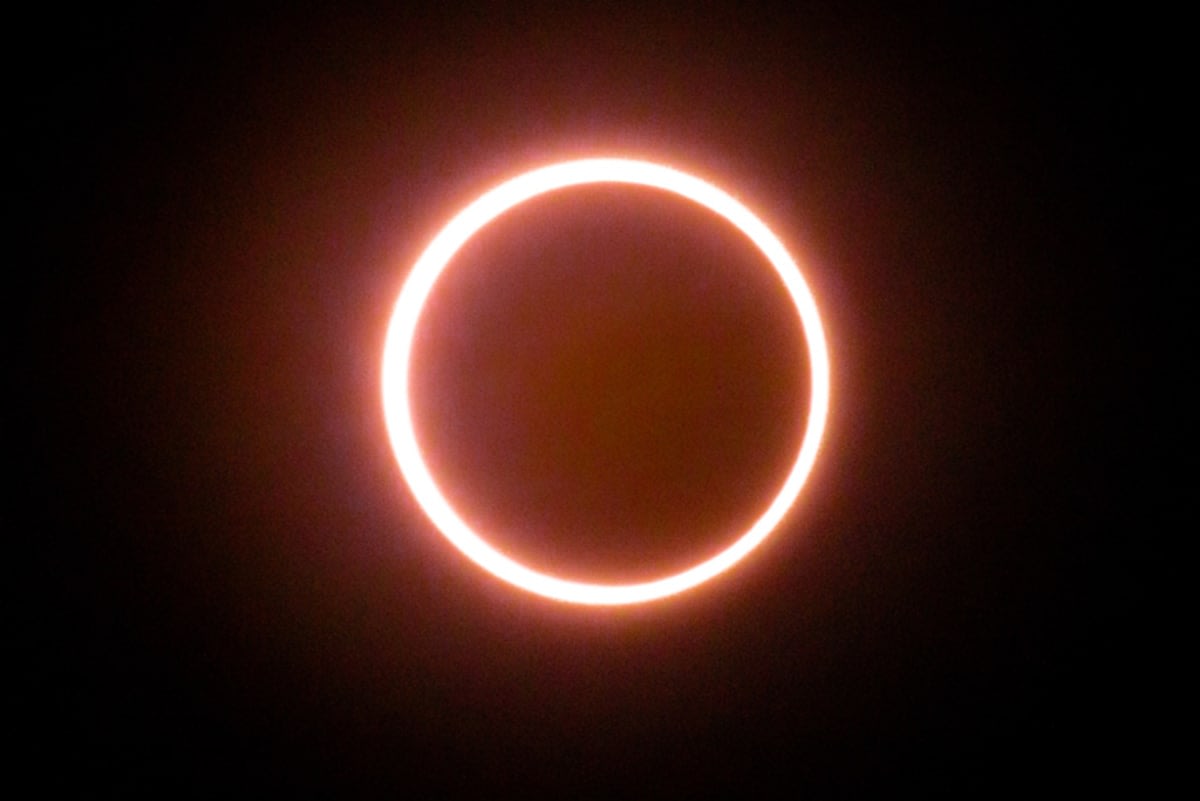
The Moon phase will reach the Third Quarter by February 9 before moving into its Waning Crescent phase. The next New Moon is scheduled to arrive in the night sky on February 17, which also happens to be the date of the next annular solar eclipse.
More on Starlust
What part of the Moon will the astronauts get to see on the Artemis II mission?
2026 key skywatching events: Blue Moon, total solar eclipse and more