What is the Moon phase on February 25? Timings, illumination, and viewing tips

On February 25, the waxing gibbous Moon will be visible in the sky with nearly 60% illumination following the first quarter Moon.
PUBLISHED FEB 25, 2026
An illuminated waxing gibbous moon rises behind Hudson Yards and the Empire State Building as the sun sets on the day before the full Harvest Supermoon in New York City (Cover Image Source: Getty | Gary Hershorn)

Today, on February 25, viewers worldwide will observe the Moon in its waxing gibbous phase. This arrives on the heels of the first quarter phase, which graced the skies yesterday, and the February 23 crescent. Much like all other Moon phases, the waxing gibbous phase also presents skywatchers with its own set of opportunities to observe various celestial bodies. Here is all that you need to know for tonight’s lunar phase. 
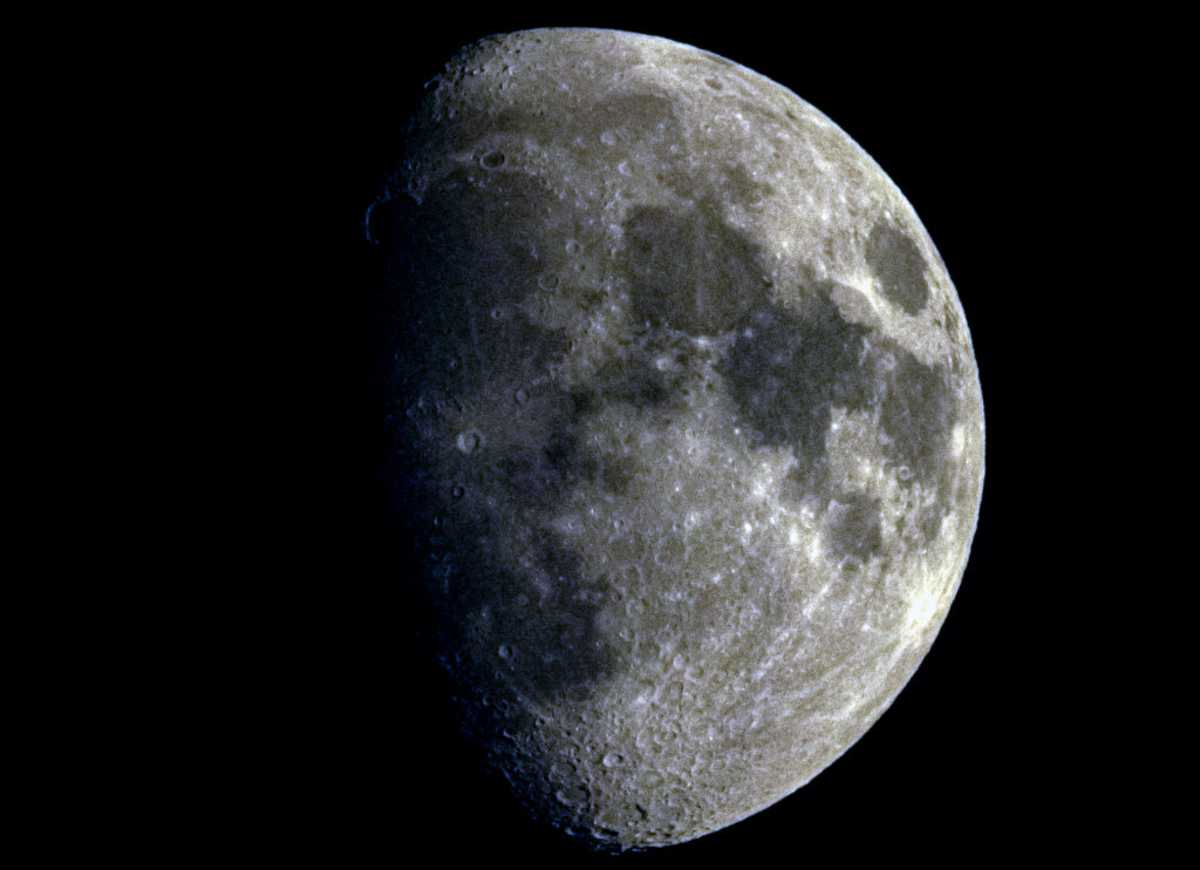
The waxing gibbous Moon with 72% illumination as seen from Catania, Italy, on August 26, 2023. (Image Source: Catania, Italy)

The waxing gibbous Moon

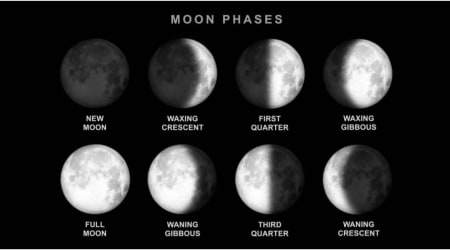
The waxing gibbous phase occurs when the lit-up part of the Moon’s face grows from 50.1% to 99.9% in the build-up towards a full Moon. The term ‘waxing’ means growing, while the term ‘gibbous’ refers to the oval-to-round shape. A waxing gibbous rises in the afternoon and sets before sunrise, past midnight, so it is mostly up when the sky is dark.

Image of Waxing Gibbous Moon with Jupiter and Mars (Image Source: Getty | Clark Warren)
Image of a waxing gibbous Moon with Jupiter and Mars. (Image Source: Getty | Clark Warren)

Illumination and distance

The Moon is in the 8th day of its 29.5-day lunar cycle, with 59% of its visible side illuminated by the Sun, per NASA's Daily Moon Guide. It is currently located about 230,029 miles (370,196 kilometers) from Earth and has an angular diameter of 1936.1 arcseconds. For the uninitiated, angular diameter here refers to how large the Moon appears in the sky. This number changes as the Moon's distance from Earth varies throughout its orbit.
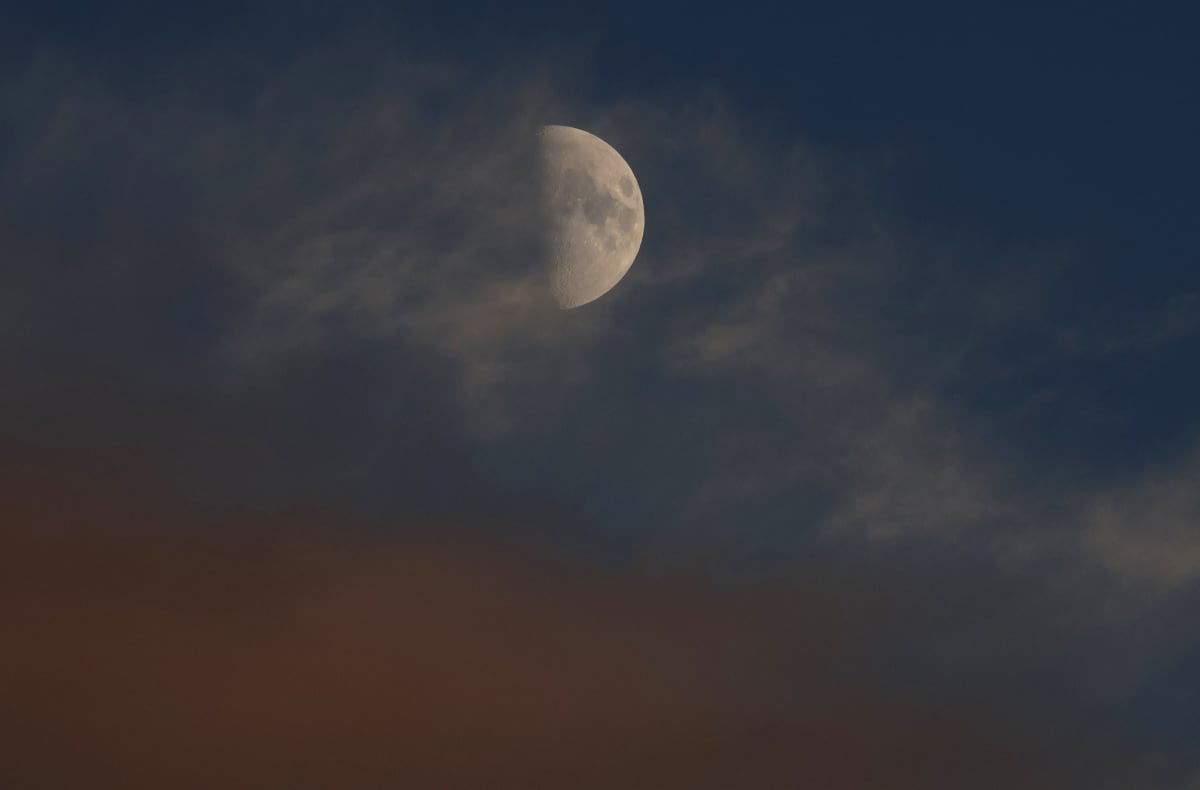
A 59 percent illuminated waxing gibbous moon rises over New York City as the sun sets on October 22, 2023, as seen from Bayonne, New Jersey. (Image Source: Getty Images/ Photo by Gary Hershorn)
A 59 percent illuminated waxing gibbous moon rises over New York City as the sun sets on October 22, 2023, as seen from Bayonne, New Jersey. (Image Source: Getty Images/Gary Hershorn)

What the gibbous Moon means for skywatchers

If you do not have binoculars or a telescope, you can look out for the Mare Serenitatis, Mare Vaporum, and Mare Crisium. Binoculars, meanwhile, will give you good views of the Endymion and Posidonius craters, while the Rima Ariadaeus and the Apollo 11 landing site will be adequately visible through a telescope.
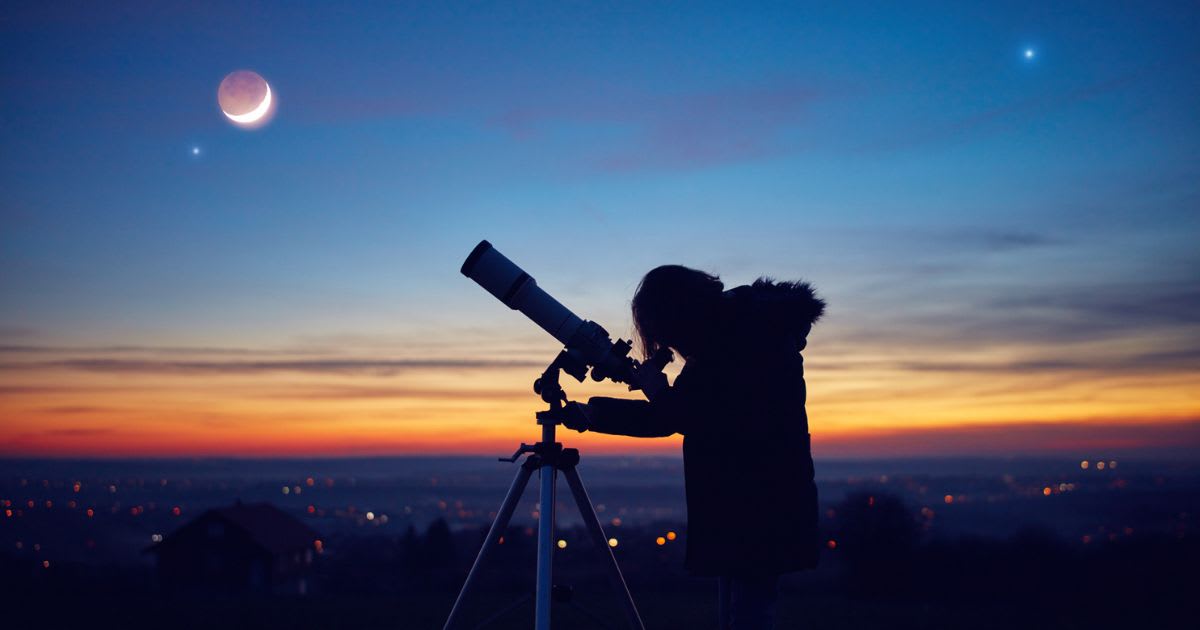
A girl observing stars, planets, the Moon, and the night sky with an astronomical telescope (Representative Image Source: Getty | m-gucci)
A girl observing stars, planets, the crescent Moon, and the night sky with an astronomical telescope (Representative Image Source: Getty | m-gucci) 

Moonrise and moonset timings

Like always, moonrise and moonset timings will vary with location. The timings for some cities, according to TimeandDate, are as follows:

1.New York - Moonrise at 11:09 am local time and moonset at 03:29 am (Feb 26)

2. Los Angeles - Moonrise at 11:39 am local time and moonset at 03:07 am (Feb 26)

3. Shanghai - Moonrise at 11:10 am local time and moonset at 02:18 am (Feb 26)

4. Beijing - Moonrise at 11:01 am local time and moonset at 03:11 am (Feb 26)

5. London - Moonrise at 10:00 am local time and moonset at 04:23 am (Feb 26)

6. Birmingham - Moonrise at 10:00 am local time and moonset at 04:39 am (Feb 26)

More on Starlust

March 3 'Blood Moon' is your last chance to see a total lunar eclipse until 2028

Rare planetary parade on February 28 as six planets gather in the evening sky
MORE STORIES

This occurs when the Moon’s 29.5-day cycle doesn’t align exactly with the calendar month, allowing two full moons to fall within the same month.
1 day ago
The SLS rocket will be visible up to 70 seconds after launch depending on where observers are.
Apr 1, 2026
From the Pink Moon, bright Mercury, and a meteor shower to a comet streaking across the sky, April is filled with exciting sights for skywatchers.
Apr 1, 2026
After Ohio fireball sparks panic, NASA says meteor surge is normal.
Mar 31, 2026
Castor and Pollux, the Gemini twins, will be visible alongside Jupiter and will provide skywatchers with a celestial show.
Mar 26, 2026
Tonight on March 24, about 44% of the Moon's visible side will be illuminated by the Sun.
Mar 24, 2026
The ringed planet slips behind the Sun as it moves to the far side of the solar system.
Mar 24, 2026
In the event identified as 1828-2026 by the American Meteor Society, the meteor weighed 7 tons.
Mar 18, 2026
A Full Pink Moon will grace our eyes on April 1, appearing as large as a supermoon near the horizon.
Mar 18, 2026