What happens when astronauts get sick in space?

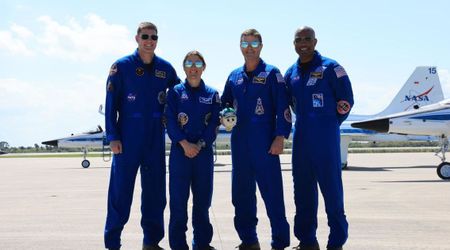
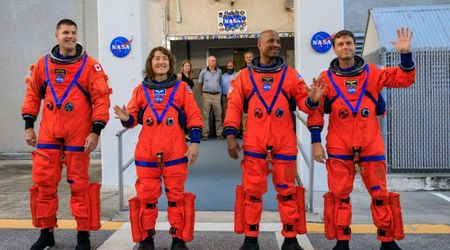
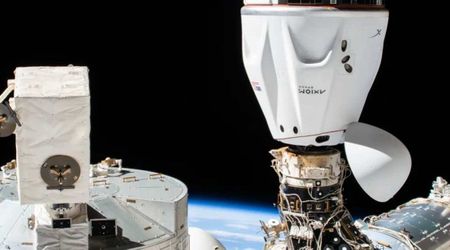
NASA had to scrub the first spacewalk of 2026, scheduled with astronauts Mike Fincke and Zena Cardman for January 8. It was a medical concern surrounding one of the SpaceX Crew-11 astronauts that led to the decision. Then, soon after the announcement was made, NASA decided that the four astronauts of the Crew-11 mission would be brought back to Earth earlier than scheduled on Wednesday, January 14. The sudden and early return of the SpaceX Dragon Crew-11 highlights the most vulnerable factor in space missions, the human factor. This leads to the ultimate question: What happens when astronauts fall ill in space?
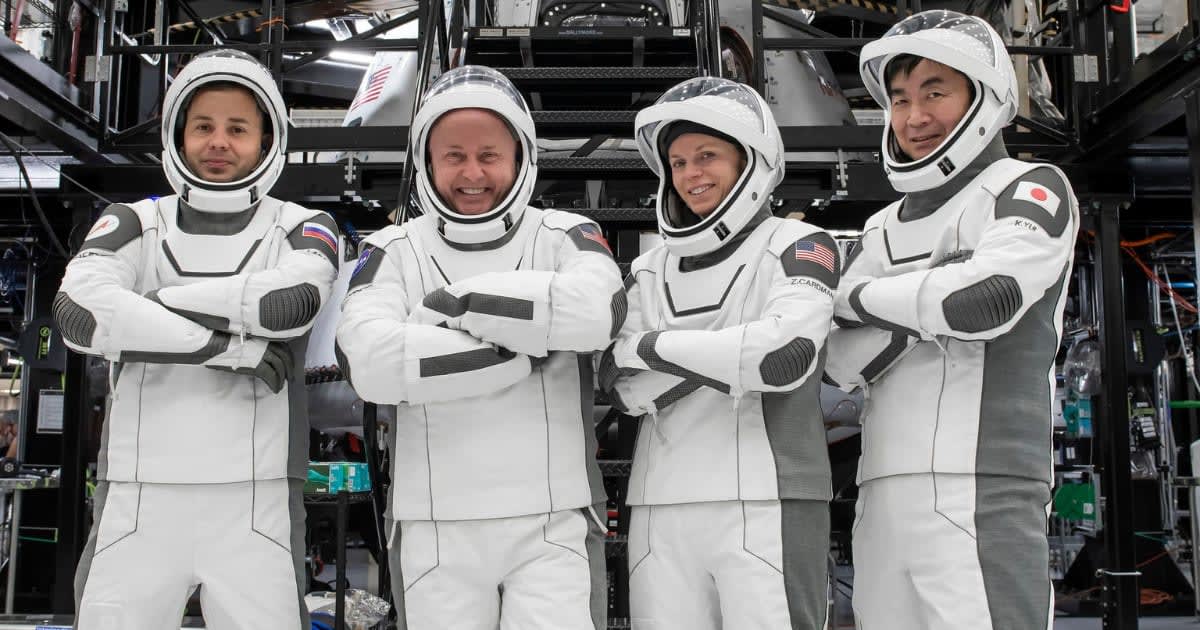
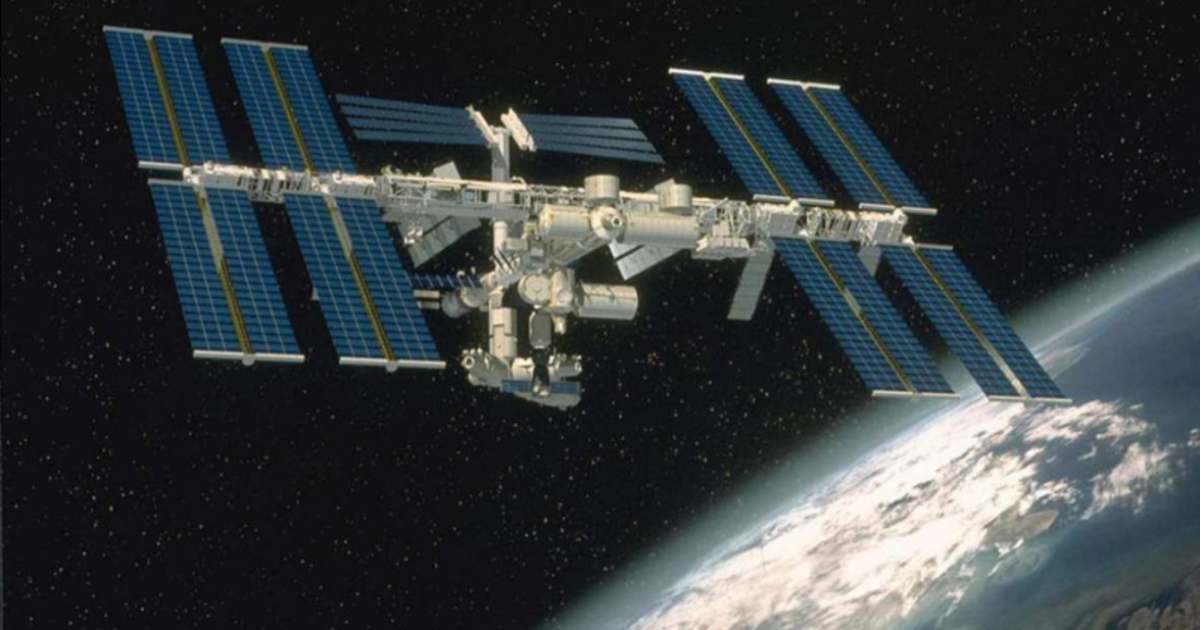
Even if doctors could make home calls to the International Space Station, it would be extremely challenging to perform everyday medical procedures like on Earth, such as setting up an IV, drawing blood, or even cleaning a wound. Think about heart attacks. Because space is hazardous, even the healthiest astronauts could experience cardiac arrest. However, the absence of one essential component, gravity, makes CPR as we know it on Earth impossible aboard the space station. The only thing that happens when two people attempt chest compressions while floating about is that they push each other away. What is the answer, then?
Emergency procedures for cardiac events in space
According to a paper written by the late Dr. Jochen Hinkelbein, who was a senior physician at the University Hospital of Cologne in Germany, five methods were tested to determine the most effective substitute for CPR in space, CNN reported. These were the waist-straddling maneuver, the side straddle, the reverse bear hug, the handstand, and the Evetts-Russomano method. The first two require restraints; the third is pretty much what it sounds like, while the Evetts-Russomano method involves the person performing CPR placing their left leg over the right shoulder of the patient and their right leg around the patient’s back under the left arm. Crossing the legs this way makes forceful compressions possible.

Handstand, however, proved to be the most effective among the methods. It entails pressing one's feet on one of the cabin walls while the patient is pressed against the opposite one. It also proved to be the most sustainable for a period of time. The Evetts-Russomano method, on the other hand, isn’t sustainable for more than three minutes. However, it is the best option in the event that there isn’t enough room for a handstand.
Effect of spaceflight on astronauts
Researchers are aware of some of the dangers that being in zero gravity poses to the human body after more than 50 years of human spaceflight. During the first 48 hours, space motion sickness causes nausea, lightheadedness, and vomiting. Astronauts who spend six months aboard the station may eventually experience atrophying muscles, weakness, and loss of bone. Because floating requires less effort and the heart doesn't have to work as hard to pump blood, astronauts also suffer from blood volume loss, weakened immune systems, and cardiovascular deconditioning. Astronauts in their late 40s and early 50s have also expressed dissatisfaction at a tiny alteration in their vision. In flying, some of them need to wear glasses.
What is the condition of the SpaceX Crew-11 astronaut?
While NASA refused to divulge the name of the affected astronaut, it said that they are stable. In fact, in the press conference that the agency held on January 8, NASA Administrator Jared Isaacman stressed that the early return of the astronauts is not an "emergency de-orbit." "The capability to diagnose and treat this properly does not live on the International Space Station," he said. Dr. James Polk, the chief medical officer of NASA, also clarified that the health issue does not involve an injury or mission activity. "It's mostly having a medical issue in the difficult areas of microgravity and with the suite of hardware that we have at our avail to complete a diagnosis," he said. Nevertheless, if everything goes according to plan, the astronauts will leave the ISS at 5 p.m. EST on Wednesday, with the SpaceX capsule expected to splash down off the coast of California at around 3:40 a.m. EST the following day.
More on Starlust
NASA prepares for Moon landings, begins the most complex plume-surface interaction tests
NASA still unable to reestablish contact with MAVEN as spacecraft begins spinning oddly