Spanish communications satellite SpainSat NG II hit by mysterious 'space particle' during orbital transit

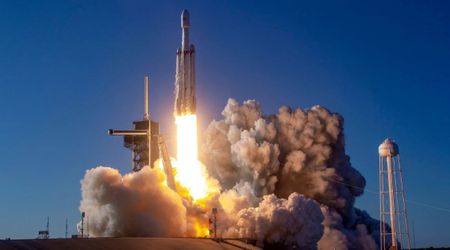
Indra Group, the majority partner of Hisdesat, has officially confirmed that the newly launched Spanish military-grade communications satellite owned by Hisdesat has been struck by a "space particle" while on its way to the final orbit. The SpainSat NG II, which lifted off from the US state of Florida on October 23, 2025, was about 31,000 miles (50,000 kilometers) away from Earth at the time of the incident, according to the statement shared by the Indra Group.

Since this incident took place high up in the atmosphere where there is usually no present man-made debris, experts think that the satellite was most probably struck by a micrometeoroid or was rather affected by the intense solar radiation than being hit by the space junk, according to Space News. Relevant technical teams are studying the data to determine how severe the damage is. Meanwhile, Hisdesat has assured that it "remains committed to the strategic objectives of the SpainSat NG program and the provision of the planned services."
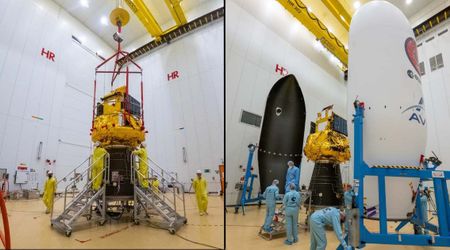
In fact, the firm has also indicated that if the destruction is irreversible, it will use the fastest method to replace the spacecraft. However, that could potentially take years. After all, the satellite weighs 6,100 kilograms (6.7 tonnes) and was one of the two satellites with specialized payloads meant to secure communications for the Spanish Ministry of Defence and other government allies.
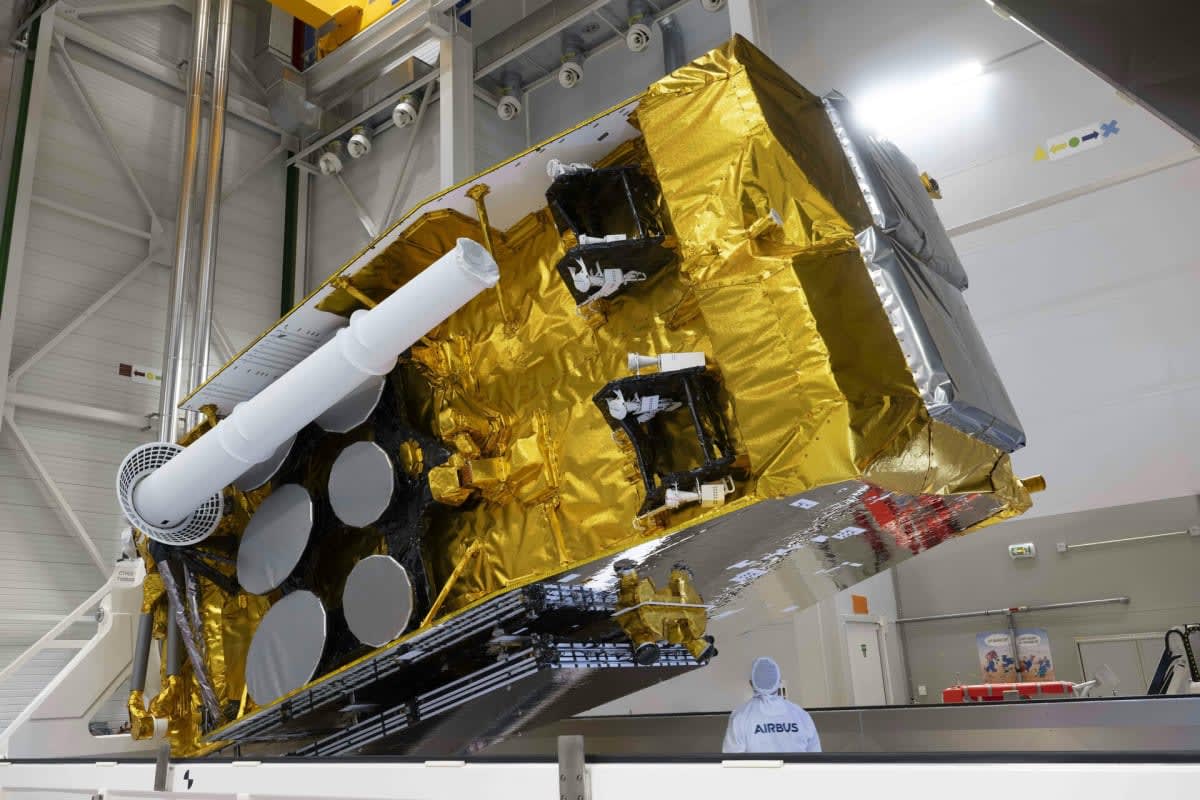
The other one, SpainSat NG I, was launched at the beginning of 2025 and is functioning without any problems. Both satellites have equipment that was developed with technical assistance from the European Space Agency (ESA). Among the features are Airbus Eurostar Neo satellite buses, reconfigurable X-band antennas, and mobile Ka-band antennas for precise communication, and state-of-the-art encryption systems that have been created to keep sensitive military and government information secure.
In what was another distressing development, NASA lost contact with its MAVEN spacecraft that had been orbiting Mars. The organization stated that the spacecraft went mute on December 6 after it went behind Mars. Although contact was expected to be regained when the spacecraft was emerging from the dark side of the red planet, no signal was detected by the Deep Space Network, NASA's worldwide network of radio antennas. The engineers are baffled because the data sent right before the signal was lost indicated the spacecraft was in full health.
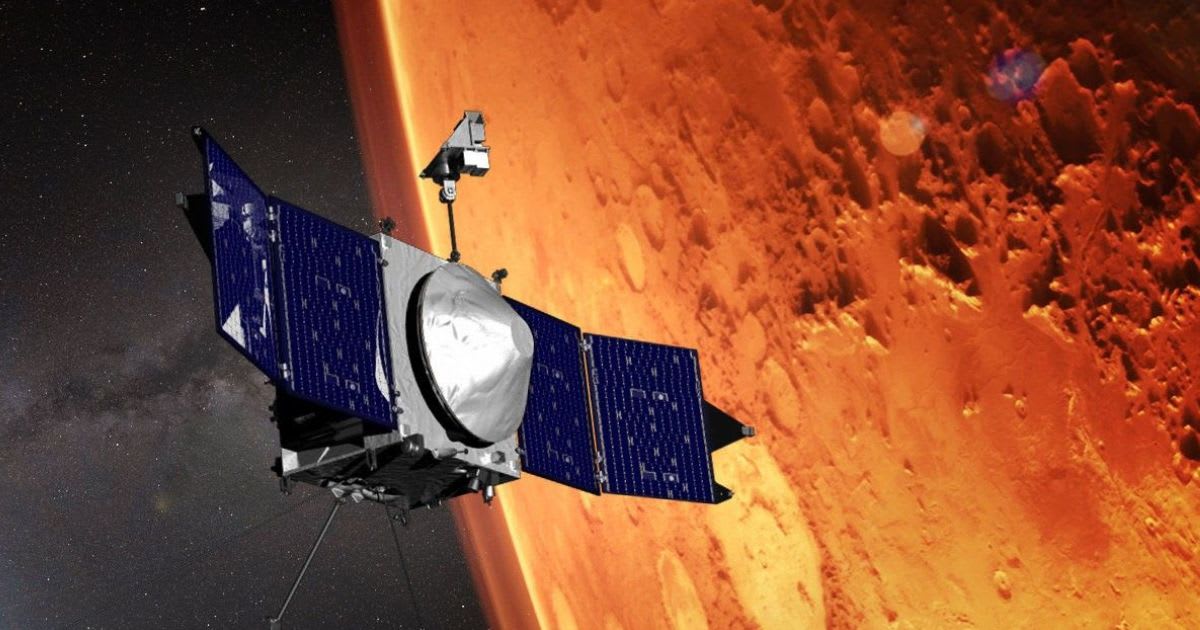
At present, the technical groups are trying to figure out the reason for the loss of signal and are anxious to hear the transmission from the spacecraft. MAVEN has been a reliable partner for NASA for nearly ten years, and it reached Mars in 2014 to examine how the solar wind removed the planet's atmosphere and water. These two occurrences, the effect on the Spanish communications satellite and the quietness of a senior NASA explorer, underscore the unpredictable dangers of operations in the extremely inhospitable environment of outer space.
More on Starlust
SpaceX marks its 139th launch of the year with SpainSat NG II mission from Cape Canaveral
SpaceX’s January 2026 launch calendar signals another big year for the company