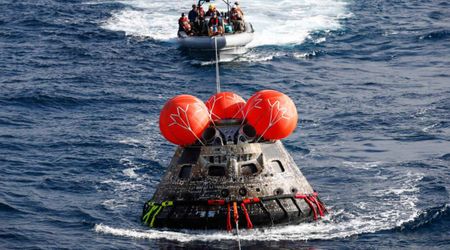
SpaceX’s Dragon spacecraft assigned to NASA’s CRS-33 arrives home
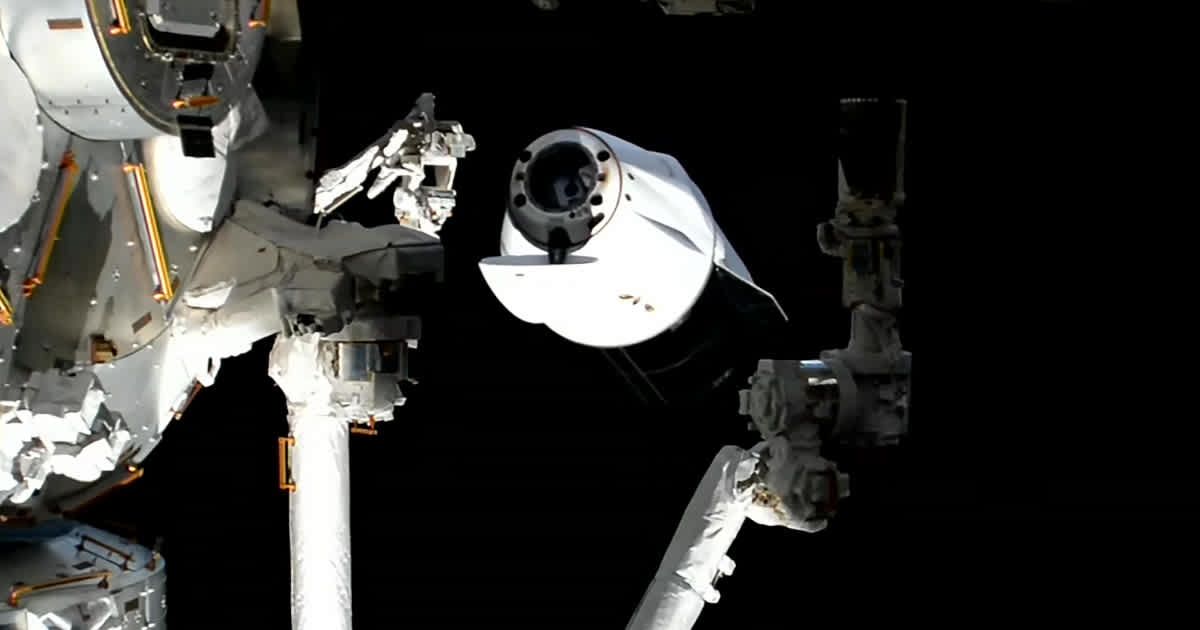
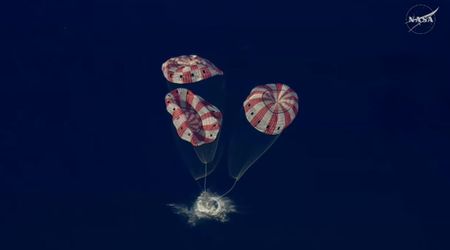
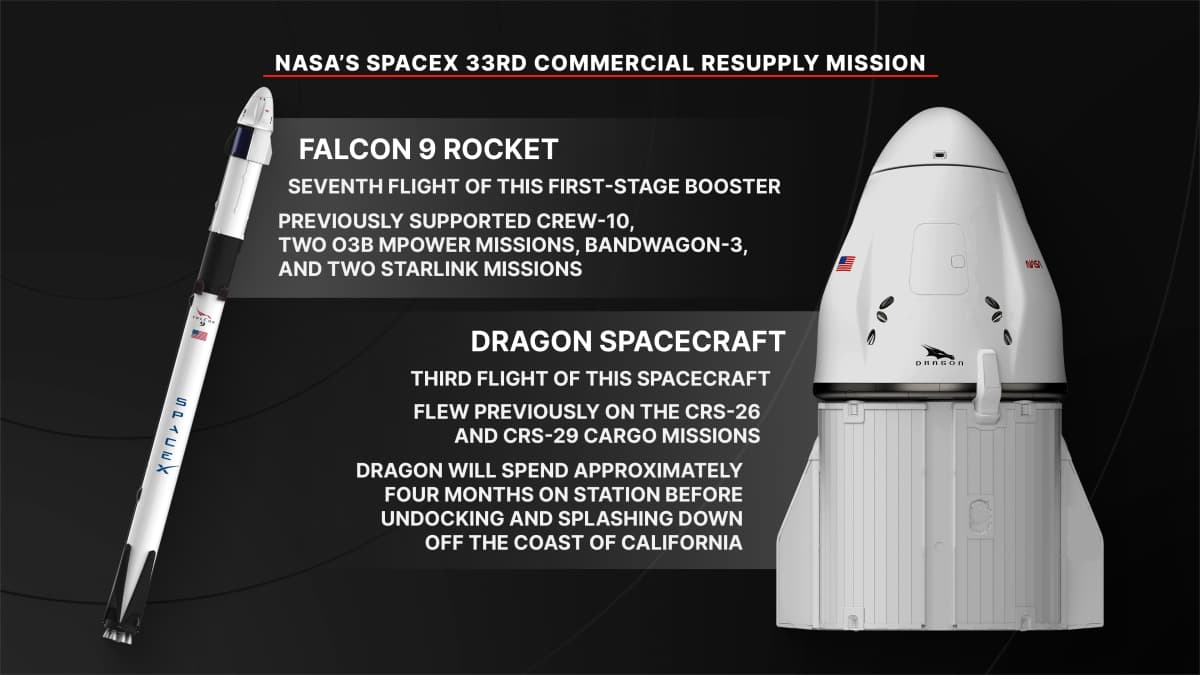
SpaceX’s Dragon capsule for the 33rd Commercial Resupply Services (CRS-33) mission successfully splashed down into the Pacific Ocean at 2:45 AM EST on Friday, February 27, 2026, the company confirmed. It returned with a cargo of valuable scientific research samples and some hardware to Earth. According to NASA, upon instructions from SpaceX’s mission controllers on the ground, the unpiloted Dragon had undocked from the forward-facing port of the Harmony module, part of the International Space Station, at 12:05 pm EST the previous day, as per plans made in advance. This marks the end of its mission that began with a launch on August 24, 2025, using the Falcon 9 rocket from Cape Canaveral Space Force Station in Florida.
This mission underscores the brighter side of NASA’s partnership with SpaceX within a climate of discontent with commercial contracts. A report on NASA’s performance by an independent panel adjudged the agency’s leadership to have given too long a leash to commercial partners like SpaceX and Boeing. However, with CRS missions that began over two years after the end of NASA’s Space Shuttle program, SpaceX can at least lay claim to having contributed to useful research in low Earth orbit.
Amongst key scientific samples that were brought back with CRS-33 are experiments dealing with human health, like Stellar Stem Cells Mission 2, the results of which could potentially be key to treating ALS and Parkinson’s patients. Another one, called BioNutrients-3, is meant to generate the capability of producing nutrients as and when they are needed in space. This latter experiment will help support astronauts on long-term missions like those to Mars.
Our nutrient-packed space food is coming back home!
— NASA Ames (@NASAAmes) February 25, 2026
Samples from the BioNutrients-3 study will depart the @Space_Station aboard NASA’s SpaceX CRS-33 mission and will soon be analyzed by the science team @NASAAmes.
Results from this study will help scientists develop approaches… pic.twitter.com/9iCJNqHq1J
It is fair to say that the Artemis program to the Moon and beyond has long been at the forefront of NASA‘s agenda. This is evidenced by more forward-looking experiments, part of CRS-33’s returning treasures, which deal with engineering solutions to the harsh conditions of space. These include SpaceDuino, Nanoracks Thailand Liquid Crystals, and Euro Material Aging projects. The first is a project set to rely on standard-issue components and software for the measurement of vibrations on instruments, potentially paving the way for cheaper space equipment in the future. Liquid Crystals from Thailand is a study of LCDs in harsh conditions for use as touch interfaces and other displays. EMA looked at the rates at which surface coatings and 3D-printed components degrade in space.
The @Space_Station rarely makes big changes to its orientation, but we were lucky to experience such maneuvers (flipping around to fly butt-first, then flipping back again) before and after each @spacex CRS-33 reboost. This 60x speed timelapse was one of my favorites since it… pic.twitter.com/7IsZnb1G7G
— Zena Cardman (@zenanaut) February 17, 2026
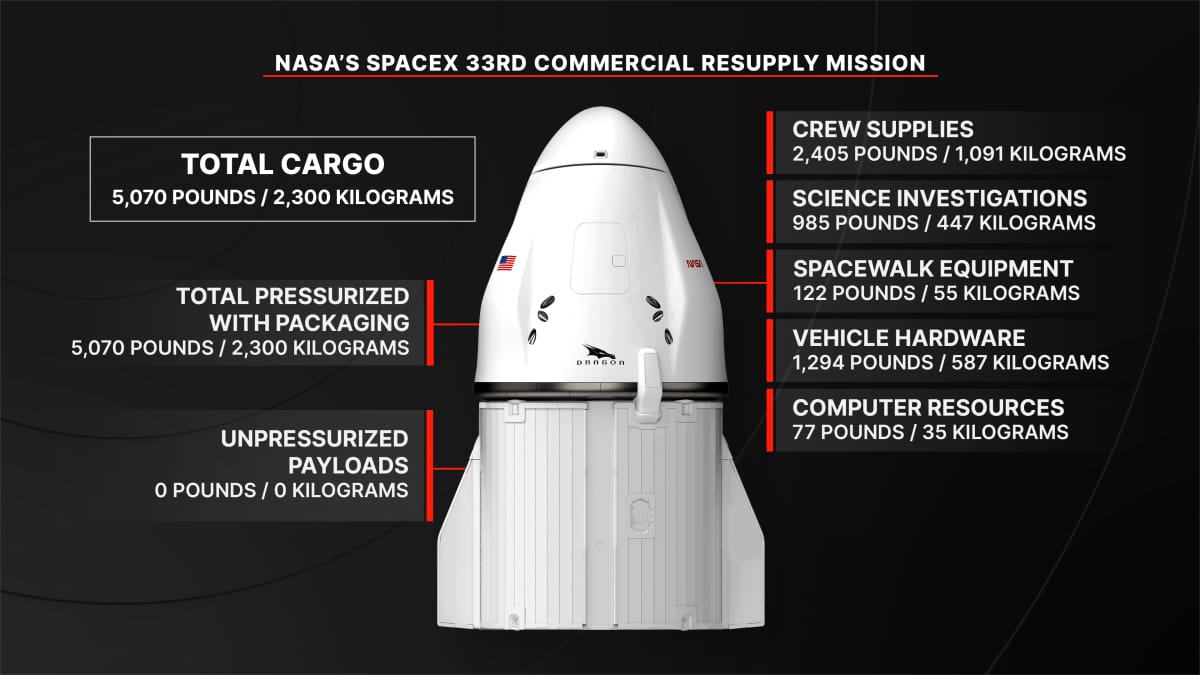
CRS-33’s Dragon spacecraft has served as more than just a vehicle for ferrying things to and from ISS. At the time of launch, while the capsule had brought over 5,000 pounds of supplies and equipment to enable residents of the ISS to live and work, it also brought with it a new capability to raise the station’s height in orbit. This allowed Dragon to perform as many as six orbit-boosting burns while parked at the ISS, which helped preserve the lab's orbit as the end of its life approaches.
More on Starlust
NASA's Artemis II and Crew-12 astronauts will be first to carry latest smartphones to space