Scientists have finally discovered how Martian lakes could exist without a warm climate
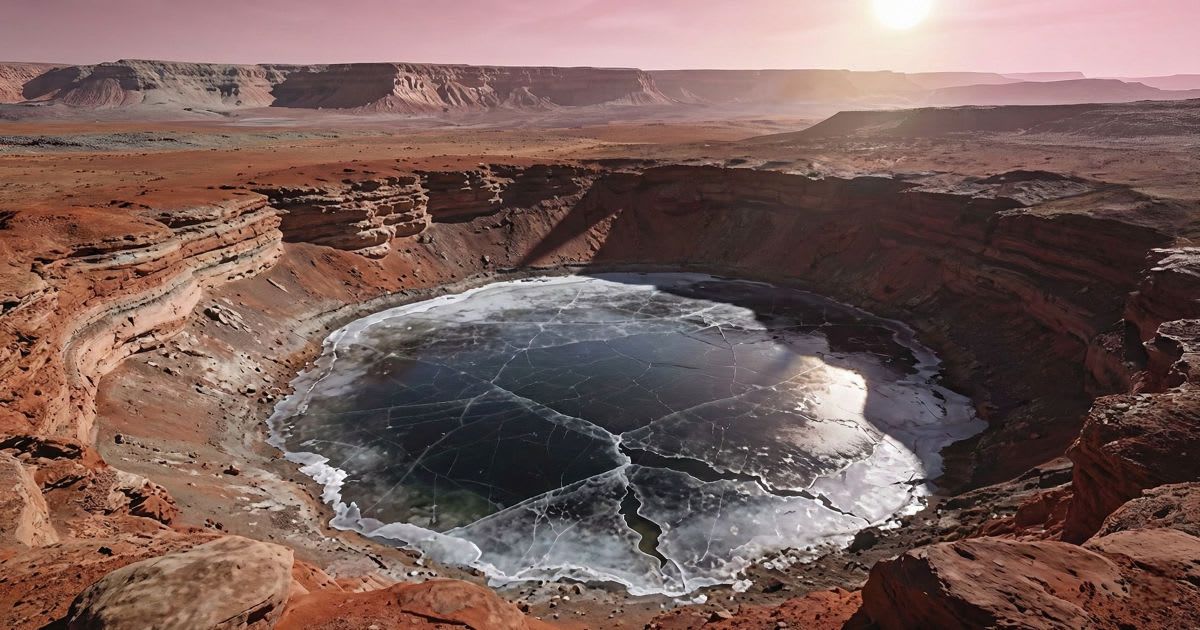
Ever since humans began exploring other planets in the solar system, it was believed that Mars cooled rapidly and never fully recovered. As soon as the surface water vanished, the planet froze and the conditions remained cold and harsh. However, a new study by researchers from Rice University, Texas, challenges this long-held belief. Their findings suggest a possible answer to how some ancient lakes survived on the red planet for decades without a warm climate.
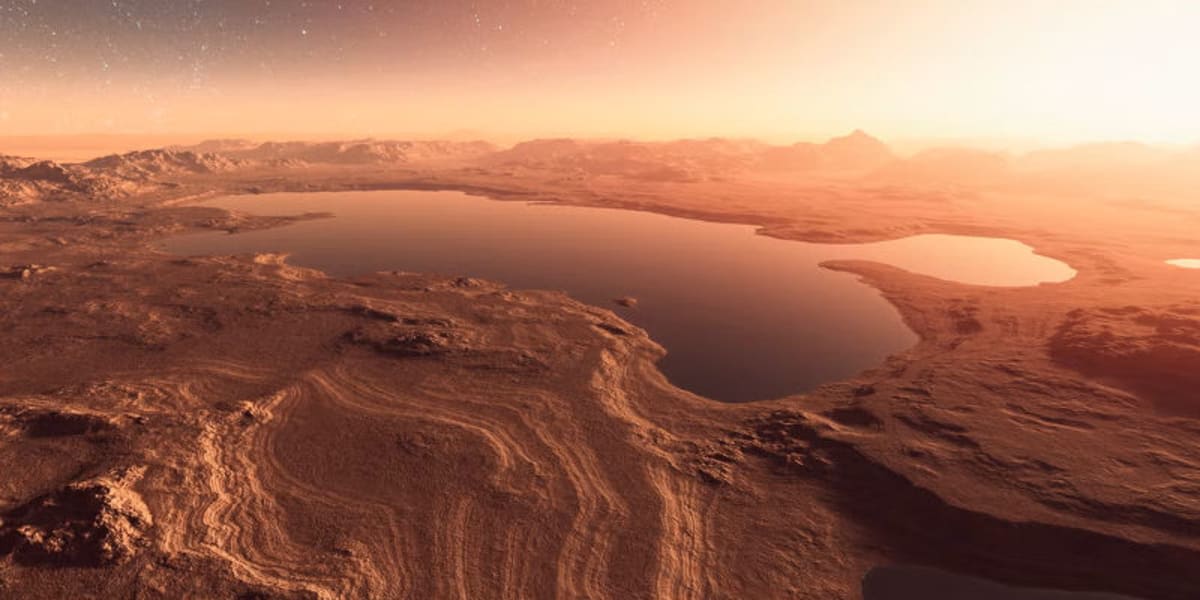
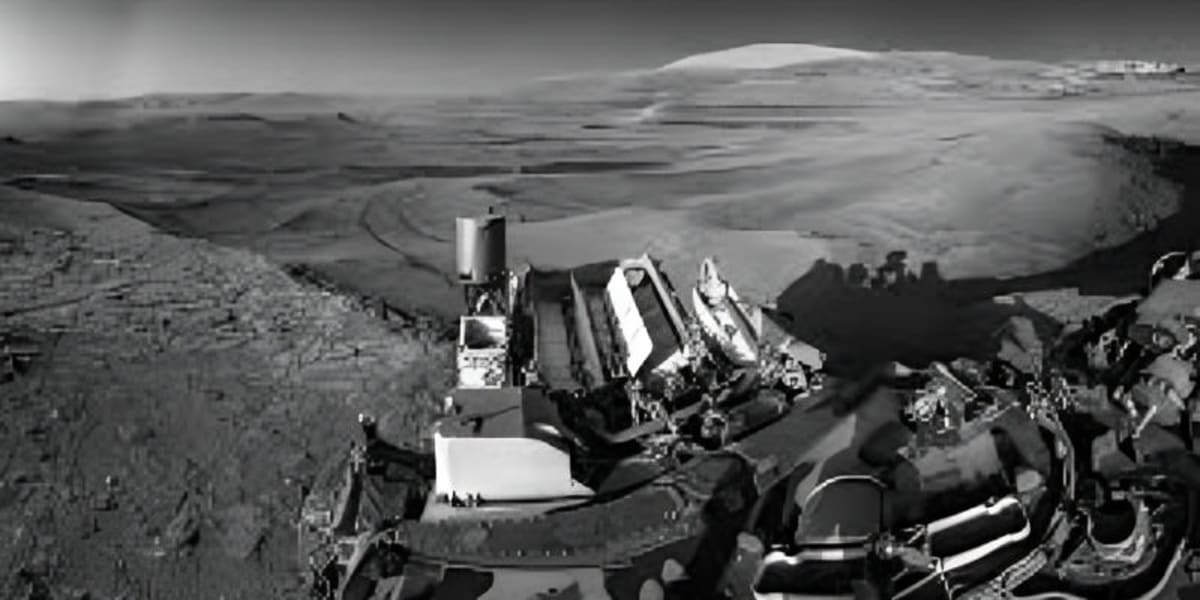
The study, published in AGU Advances, reveals that thin icy lakes are the possible explanation for why ancient Martian lake beds are so well-preserved today. This thinner seasonal ice could have slowed heat loss while allowing sunlight to pass through, as opposed to trapping the water beneath a thick, permanent ice cover. The Rice University research team used a climate modeling tool called Proxy System Modeling that was initially created to study icy lakes on Earth. They focused their simulations on Gale Crater, an area near Mars's equator that NASA's Curiosity rover has been closely examining, and altered the model to reflect Martian conditions. Many did not anticipate the outcomes. Heat escape from the water below was slowed down by ice that was only a few feet thick. The lake was probably slightly warmed by sunlight penetrating the ice during warmer months, preventing it from freezing entirely.
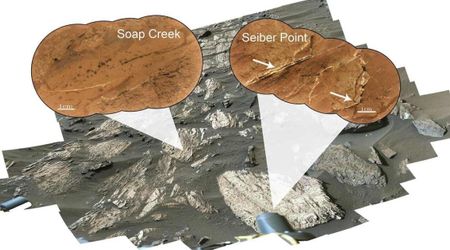
This discovery contributes to the solution of a persistent issue in Mars research. Mars' surface temperatures are currently far too low to sustain long-lasting lakes. However, Curiosity has found compelling geological evidence that Gale Crater was once filled with water for extended periods of time. Certain mineral deposits and layered sediments indicate calm, stable conditions that most likely persisted for thousands of years. It had been challenging to explain how those lakes could have existed at all about 3.6 billion years ago without some kind of thermal protection.
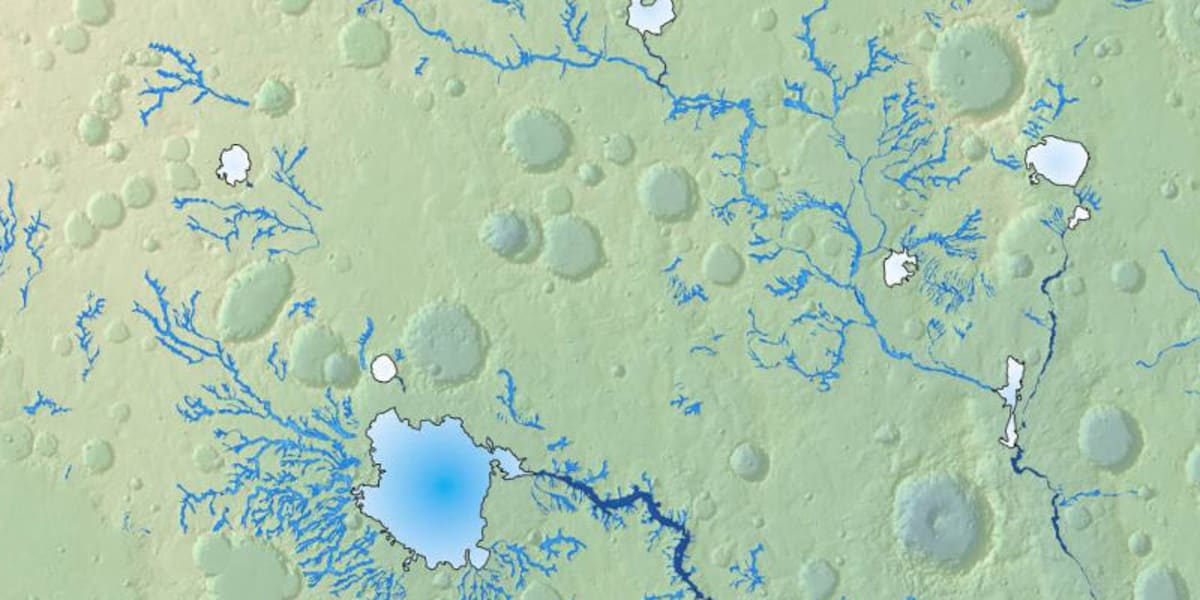
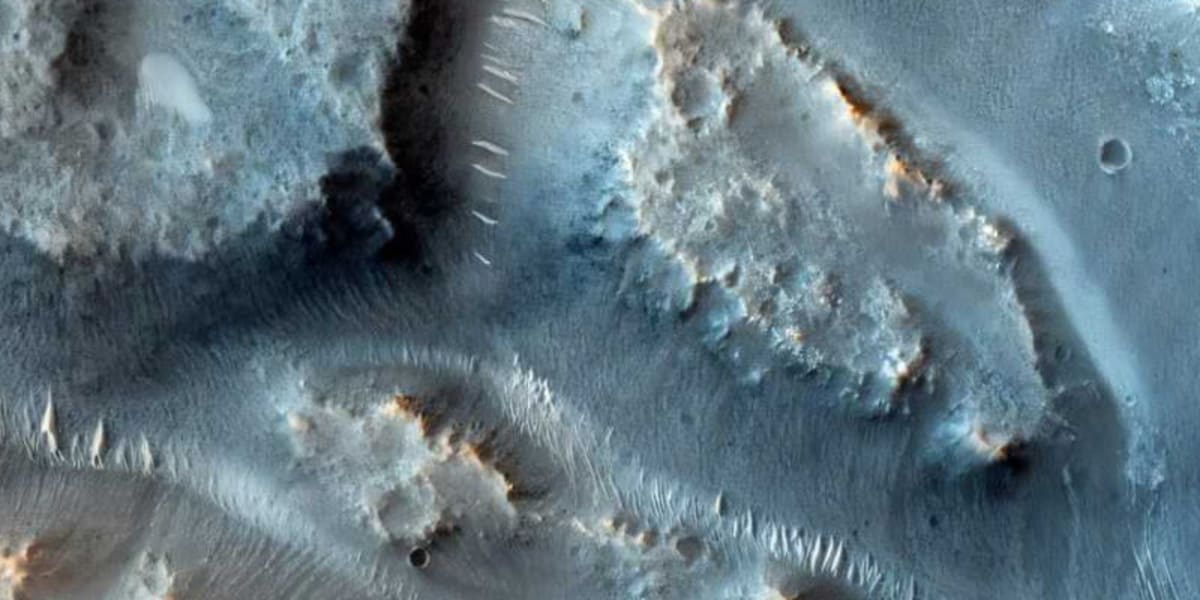
There are indications of old water away from Gale Crater. High-resolution photos taken by NASA's Mars Reconnaissance Orbiter reveal networks of valleys carved into the surface of other parts of Mars, such as those close to Idaeus Fossae. These characteristics show that the terrain was formerly traversed by water. Researchers believe that by preventing heat loss in an otherwise harsh climate, the thin seasonal ice may have also contributed to the preservation of streams in these areas.
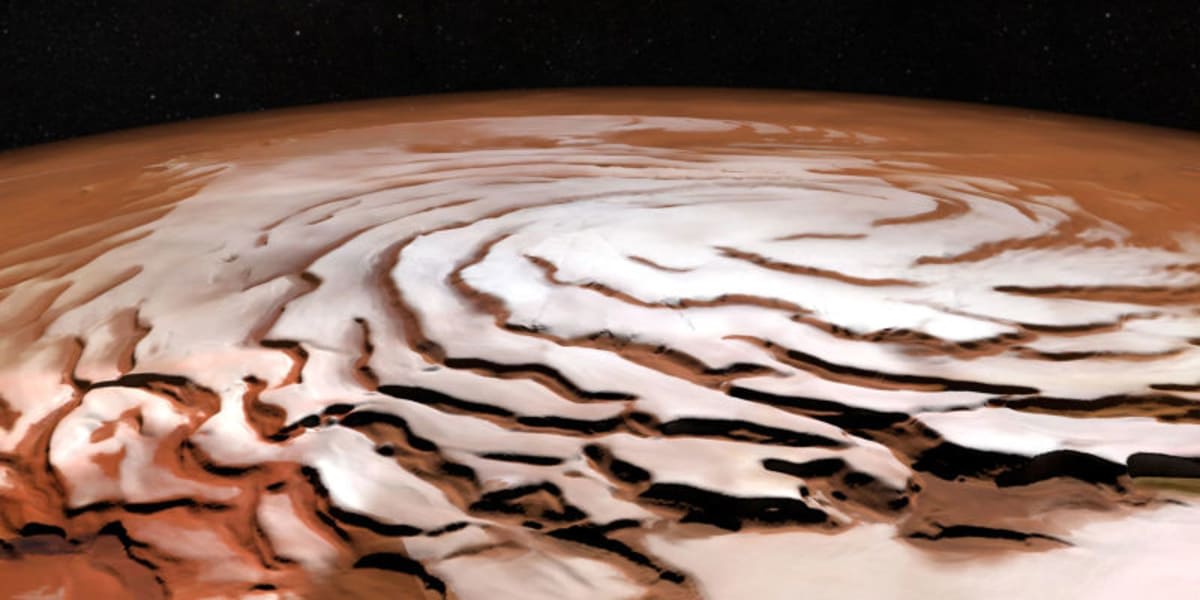
Similar stories can be found in Mars' larger drainage systems. Wide networks of valleys and old lakebeds formed by protracted erosion can be seen in structures like the Paraná Valles. This implies that liquid water was almost everywhere rather than restricted to remote areas. Lakes under ice on Earth are known to stay comparatively stable and can shield microorganisms from radiation and extremely cold temperatures. If comparable habitats existed on Mars billions of years ago, they might have offered transient but possibly habitable conditions.
Scientists hope to find more proof of these ancient lake systems as missions continue to investigate Mars from orbit and on the ground. Every new finding contributes to the understanding of a planet that was formerly wetter, more active, and potentially more hospitable than what Mars looks like today.
More On Starlust
NASA's Curiosity rover discovers a critical clue explaining why Mars is uninhabitable