Gemini twins will shine along with Jupiter in the night sky tonight
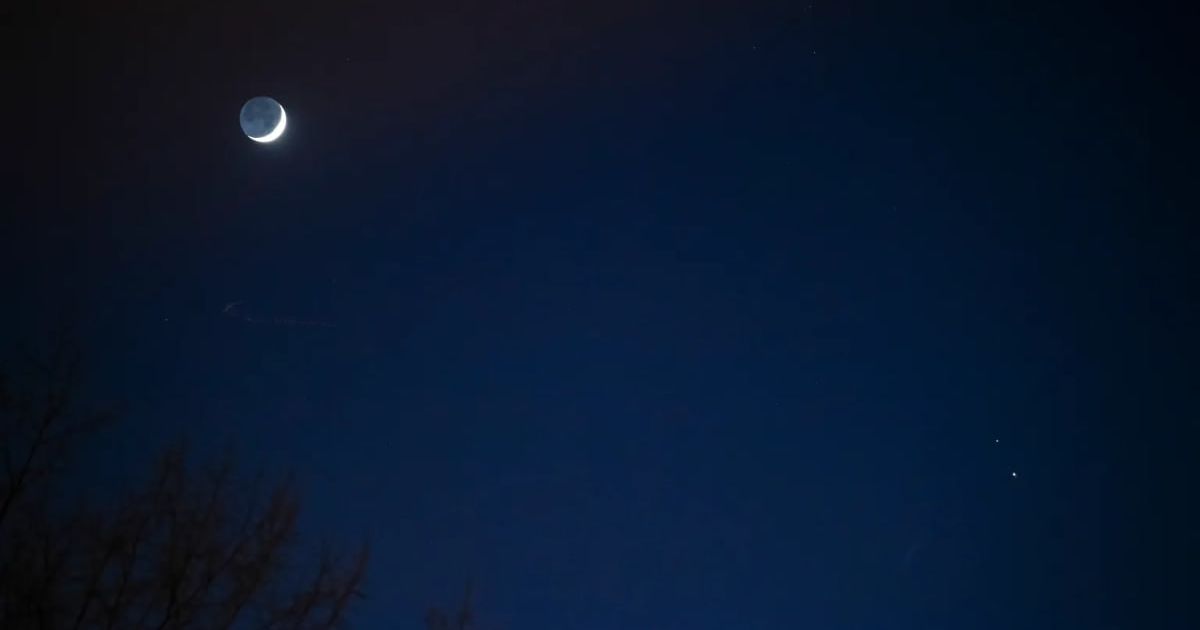
On the 26th of this month, we will have the chance to observe the stunningly bright pair of Castor and Pollux shine near the waxing gibbous Moon in the night sky, per a report by Sky and Telescope. These closely paired stars, sitting in the Gemini constellation, will also be visible alongside the giant planet in our solar system, Jupiter. Here, we provide you with the key information to make the most of this gleaming night. These two dazzling stars, commonly referred to as Gemini Twins, are spotted sitting close together in the celestial sphere. However, in reality, they are not technically twins. As per a report by EarthSky, Pollux is the brighter of the two.

Gemini, the twins
Castor and Pollux are addressed as the Gemini twins. Although they are in proximity to each other, they are not technically twins. Pollux is brighter than Castor with a distinct dark golden hue. Whereas, Castor is dimmer and looks whitish, according to Earth Sky.
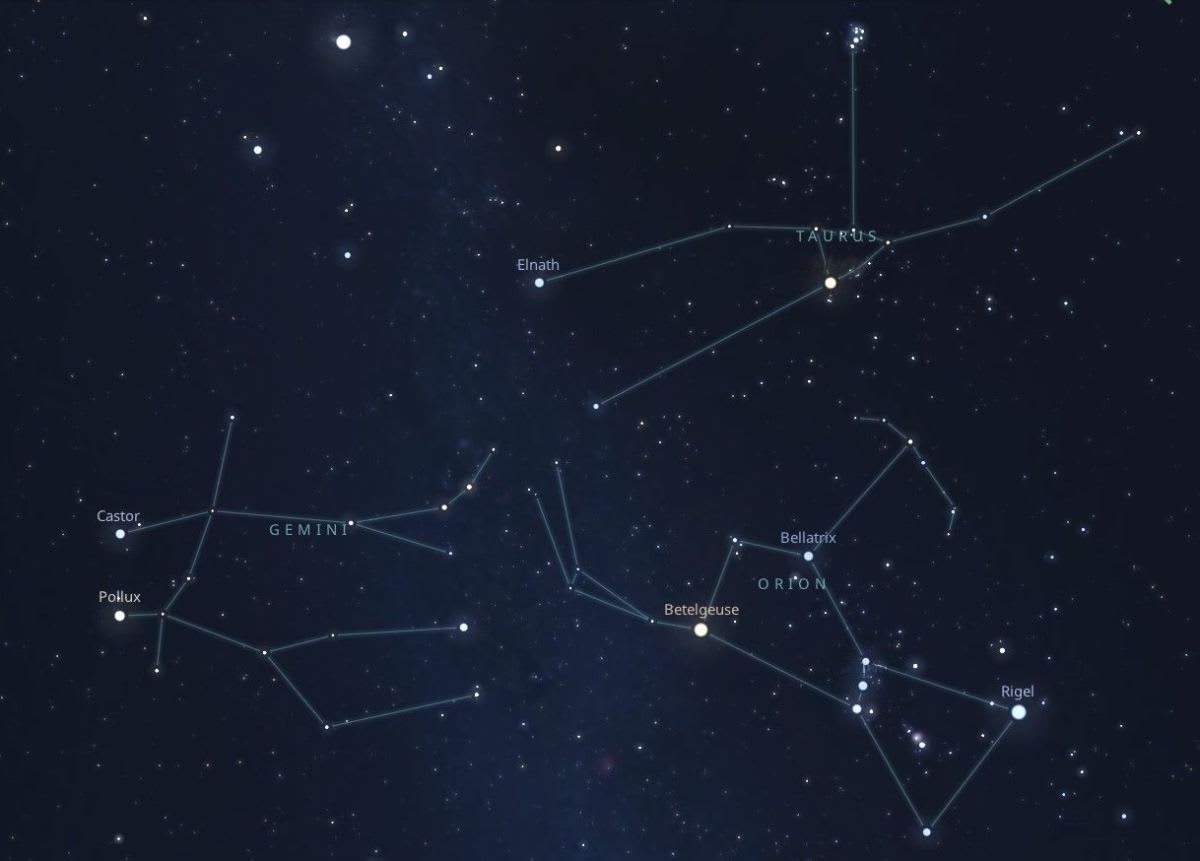
Identifying these twins
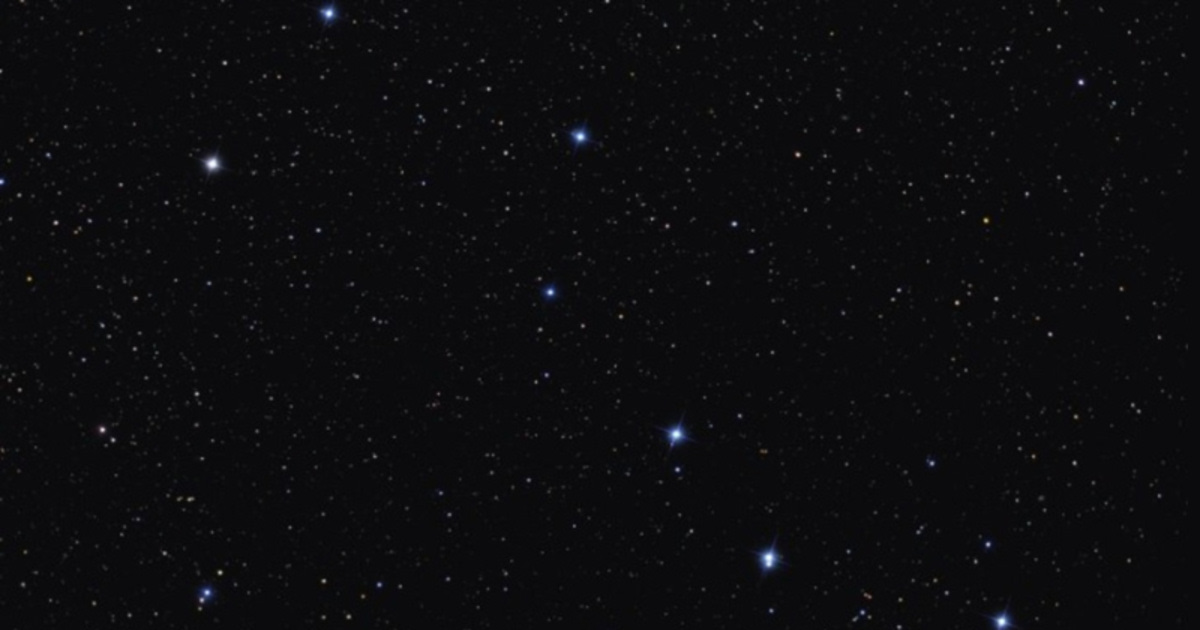
Castor and Pollux are perched high in the sky post sunset and are observable by the naked eye. Castor appears slightly higher than Pollux in many evening skies. One can identify Gemini by using the Big Dipper asterism, according to Earth Sky. The Big Dipper contains seven stars. The first bowl of the dipper is located northwards, containing Dubhe, Merak, Phecda, and Megrez. Trace an imaginary line from Megrez to Merak and you will find yourself looking in the opposite direction of the Dipper handle where the Gemini twins are located.
Viewing with the Moon
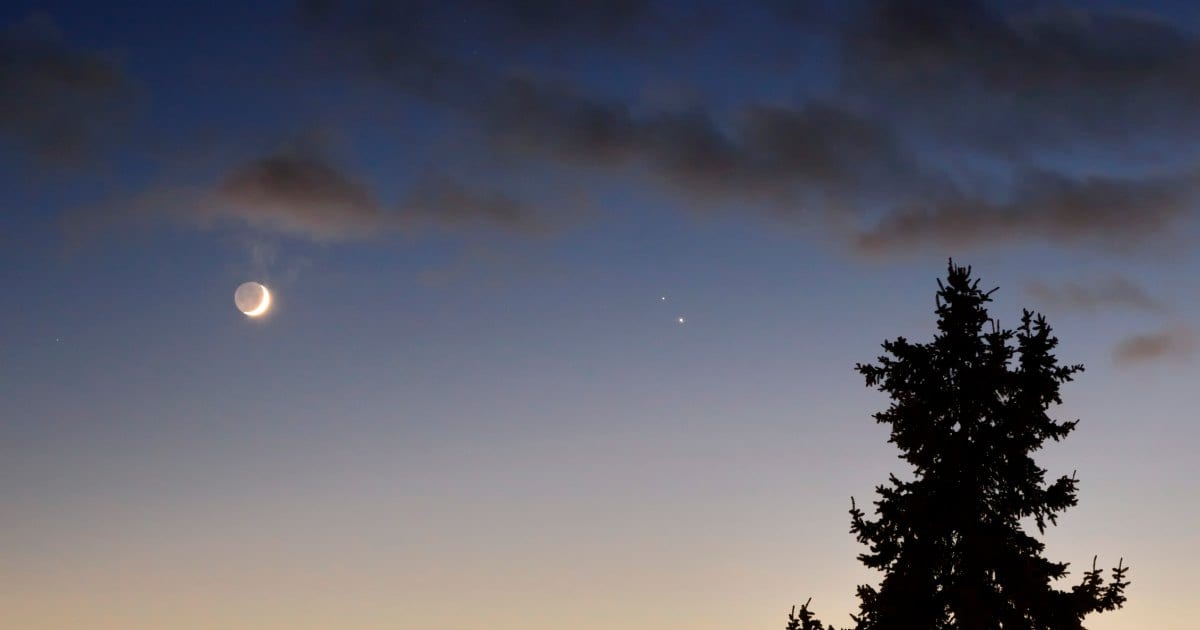
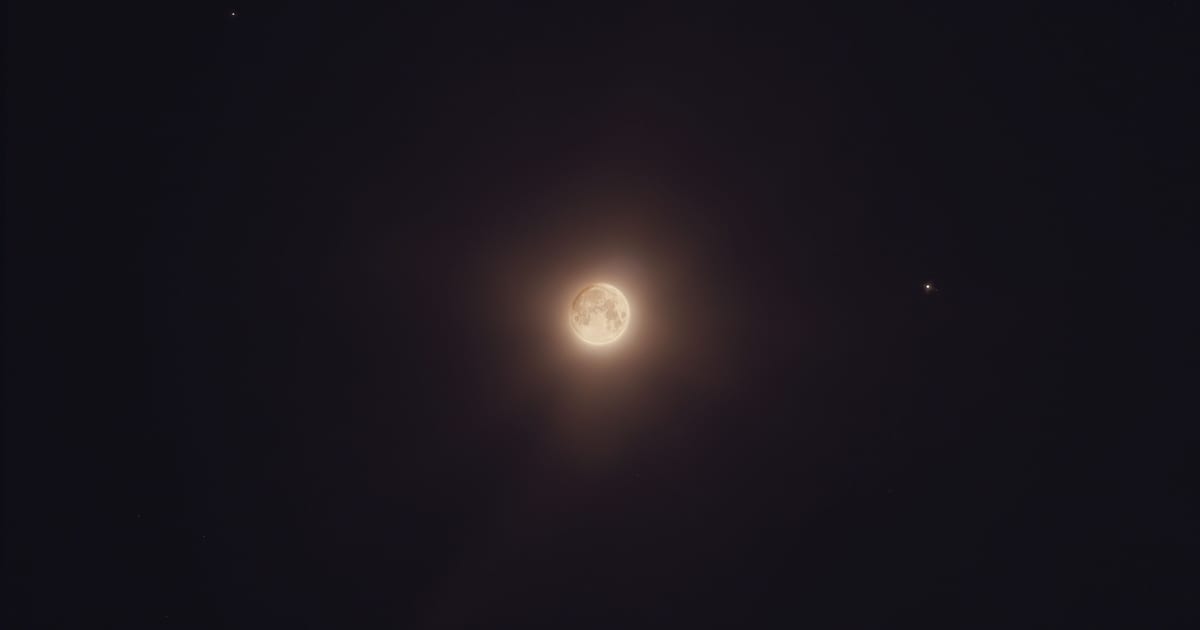
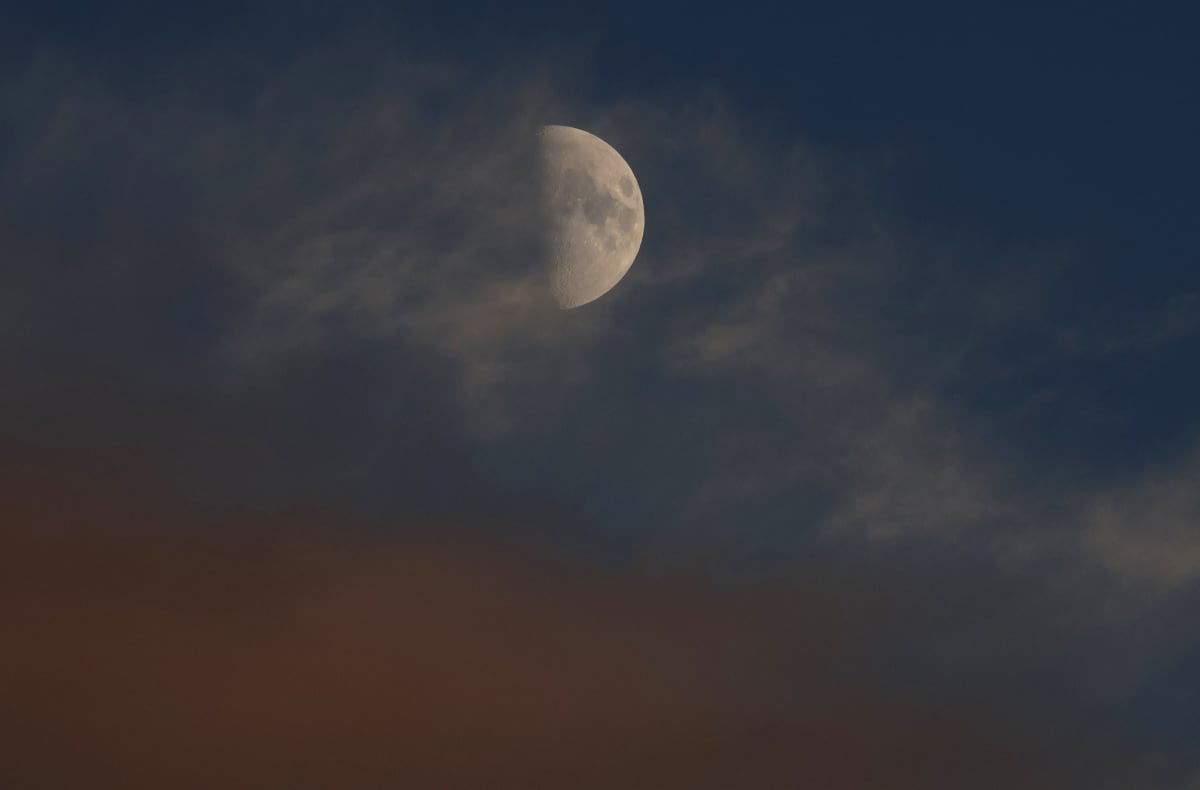
The Moon will be about 56% illuminated tonight, just past its first quarter phase, completing the seventh day of its lunar cycle, according to NASA's Daily Moon Guide. The Moon will look slightly more than half illuminated, rising in the afternoon and setting before sunrise, throwing light on celestial bodies and making them visible to the naked eye. However, the best time for viewing celestial beauties is at night. Ideally, finding a spot away from the city lights would allow you to see the bright planet Jupiter near the Gemini twins, shining in sync with the gibbous Moon. Jupiter will remain in Gemini through June, after which it will make its move to the front of the constellation of Cancer the Crab.
With the nighttime closing in, the twins and the Jovian planet get close to lighting up the night sky for us. With the Moon perched high in the dark, along with these divas, it is calling to be watched tonight. So, skywatchers, get ready to watch this Gemini twin together with the Moon in full glory.
More on Starlust
Skywatching events in March 2026: Onset of spring and more
March 2026 skywatching guide: Blood Worm Moon, planetary conjunctions and the equinox