New research suggests common baker's yeast could withstand harsh conditions on Mars
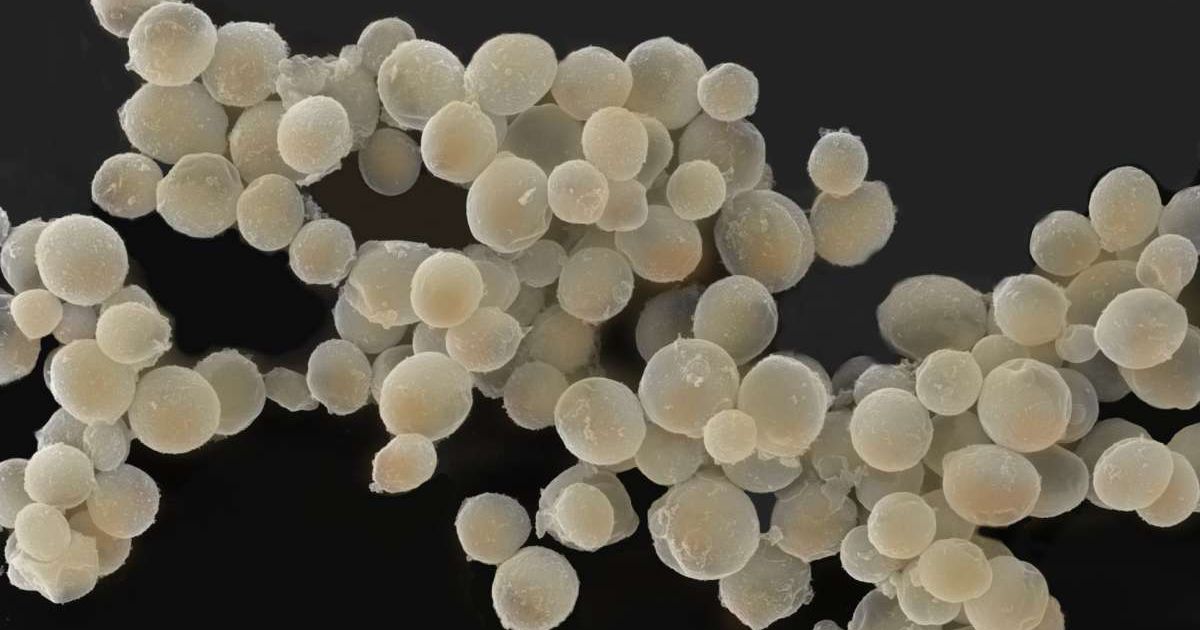
New research from India suggests that common baker's yeast, Saccharomyces cerevisiae, possesses a remarkable capacity to withstand the brutal physical and chemical environment simulated to mimic conditions on Mars, according to the Indian Institute of Science.
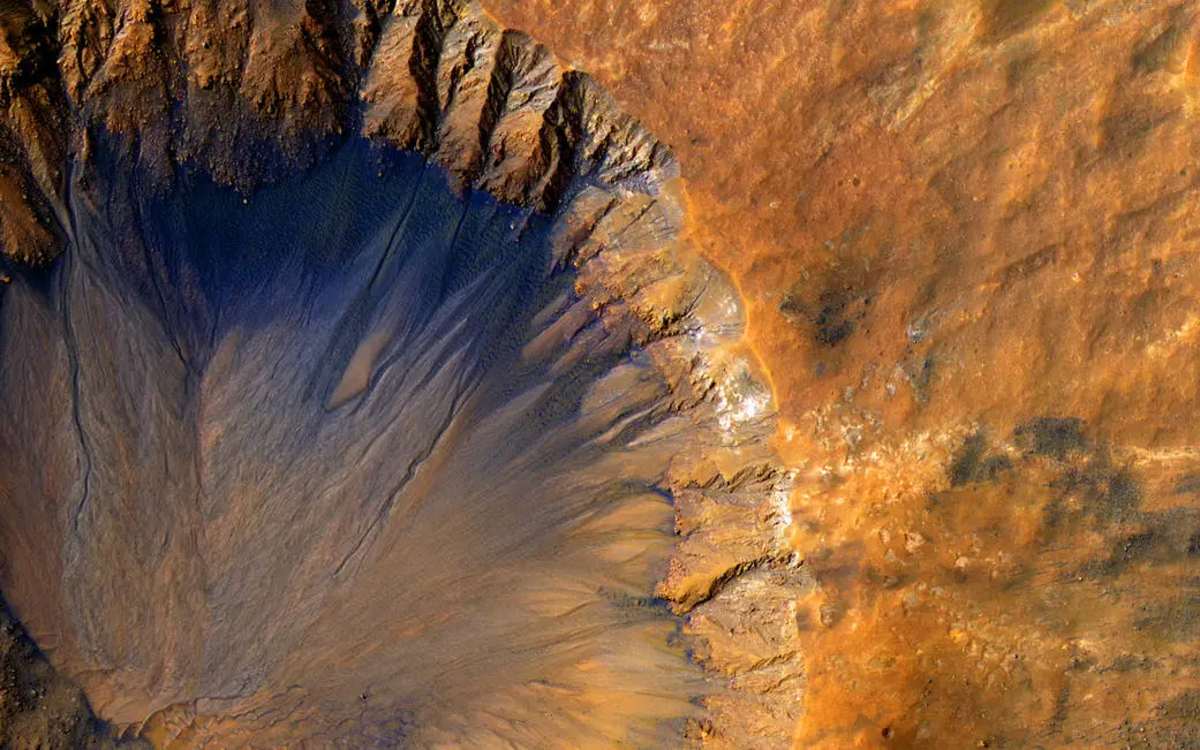
A collaborative team from the Indian Institute of Science (IISc) Biochemistry Department and the Physical Research Laboratory (PRL), Ahmedabad, successfully exposed yeast cells to conditions mirroring the harsh realities of the Red Planet, specifically, the intense shock waves caused by meteorite impacts and the toxic presence of perchlorate salts found in Martian regolith. The peer-reviewed study detailing these findings was published in PNAS Nexus on October 14, 2025.
The researchers employed a specialized apparatus, the High-Intensity Shock Tube for Astrochemistry (HISTA), to subject the yeast to mechanical forces equivalent to Mach 5.6 shock waves. Simultaneously, or in isolation, cells were exposed to a 100 mM sodium perchlorate solution. "One of the biggest hurdles was setting up the HISTA tube to expose live yeast cells to shock waves – something that has not been attempted before – and then recovering yeast with minimum contamination for downstream experiments,” noted lead author Riya Dhage of IISc.
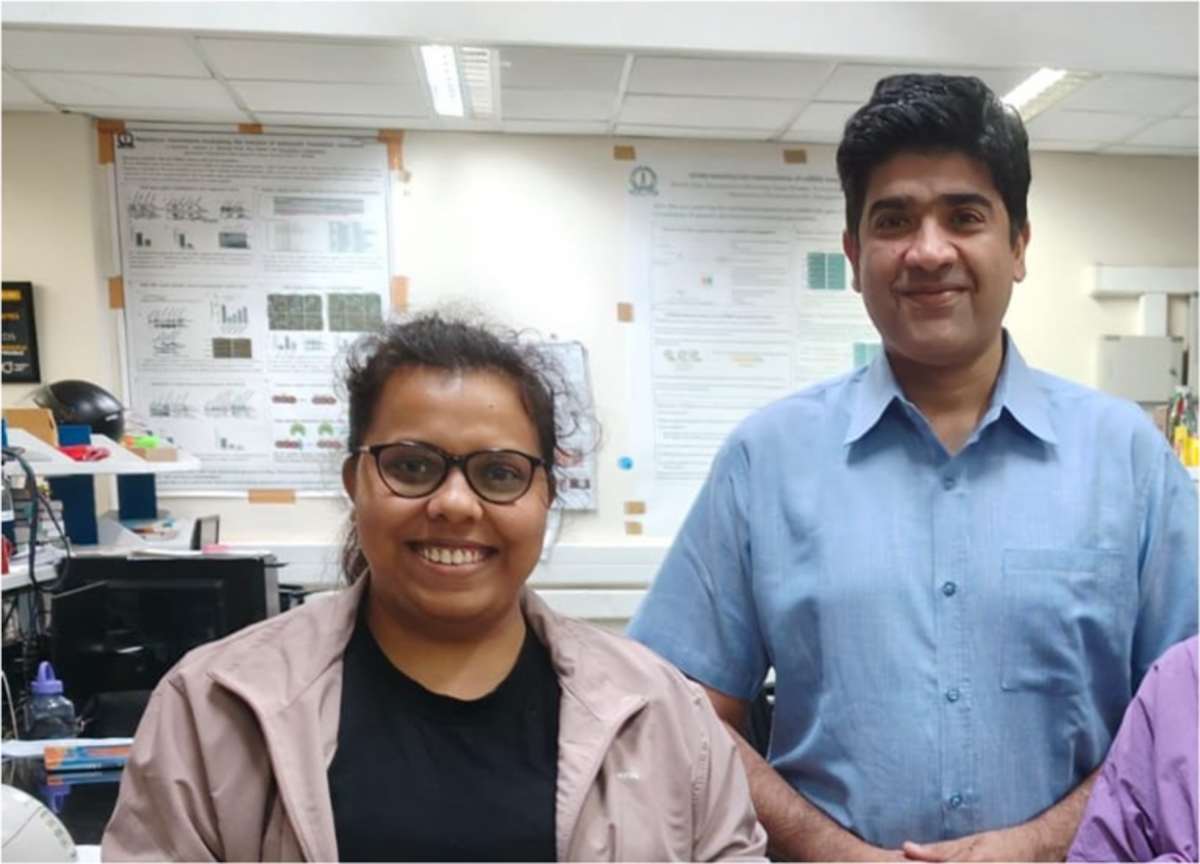
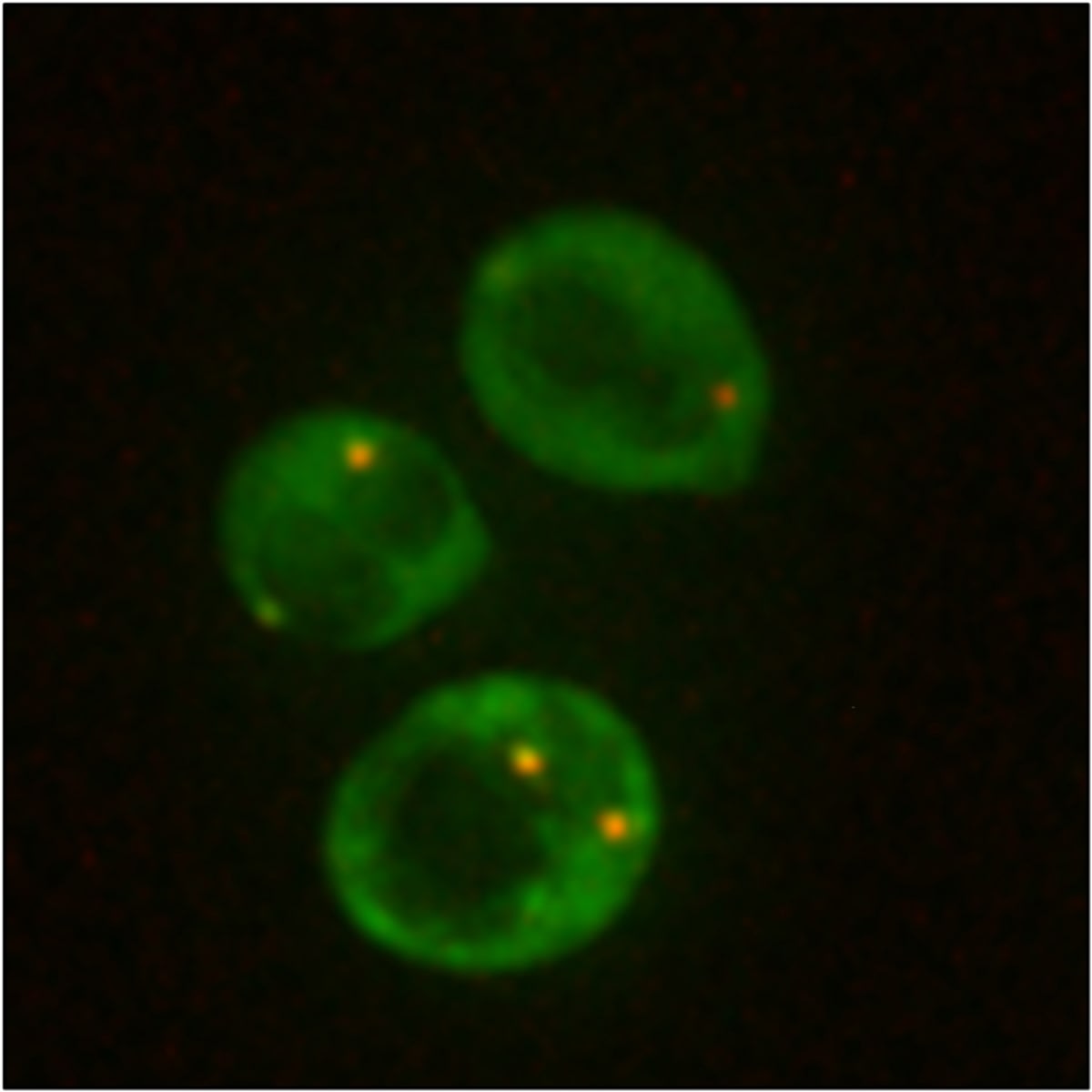
In a significant finding, the yeast cells demonstrated survival, albeit with slowed growth, when subjected to the shock waves, the perchlorate, or the combination of both. The key to this unexpected durability appears to be the formation of ribonucleoprotein (RNP) condensates. Stress Granules and P-bodies (two types of RNPs) were assembled by shock waves. P-bodies formed alone when exposed only to perchlorate. Yeast strains unable to form these membrane-less structures showed drastically reduced survival rates. The study posits that these RNP condensates function as vital biomarkers for cellular stress under extraterrestrial duress, effectively protecting and reorganizing essential mRNA molecules.
The research is noted for its unique integration of shock wave physics, chemical biology, and molecular cell biology to understand life's coping mechanisms beyond Earth. According to the corresponding author, Professor Purusharth I. Rajyaguru, the team was "surprised to observe yeast surviving the Mars-like stress conditions." These findings underscore baker's yeast as an ideal model organism for astrobiology, potentially guiding the development of stress-resilient biological systems for future space exploration efforts, including those planned by India.
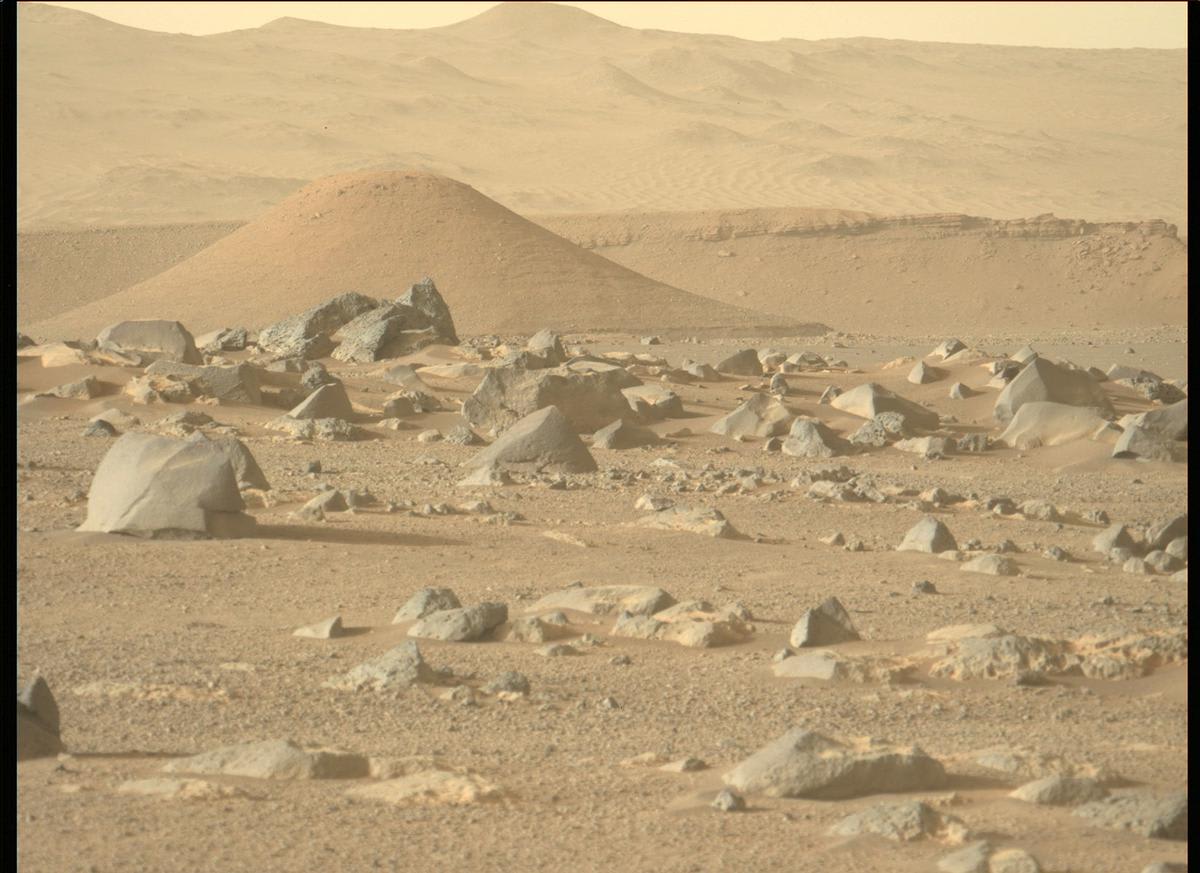
This resilience study arrives as NASA announces an even more tangible step in the search for life on Mars. The Perseverance rover has identified a potential biosignature, a substance suggestive of past life, within a rock core extracted from an ancient riverbed in Jezero Crater. The discovery, detailed in a paper published in the journal Nature on September 10, stems from a sample dubbed "Sapphire Canyon," drilled from the rock formation named "Cheyava Falls" last year. According to NASA officials, this finding represents the closest humanity has yet come to tangible evidence of life on the Red Planet.
After a year of scientific scrutiny, a rock sample collected by the Perseverance rover has been confirmed to contain a potential biosignature. The sample is the best candidate so far to provide evidence of ancient microbial life on Mars. https://t.co/0BAO1dhMG8 pic.twitter.com/JsOXgrNDmY
— NASA Mars (@NASAMars) September 10, 2025
Acting NASA Administrator Sean Duffy called the identification of a potential biosignature a "groundbreaking discovery" that "will advance our understanding of Mars.” Taken together, the survival capability demonstrated by terrestrial lifeforms like yeast under simulated impact and chemical stress, combined with the in-situ detection of a potential biosignature, significantly deepens the scientific momentum behind the quest for extraterrestrial biology.
More on Starlust
Scientists reveal signs of active life on Mars could now be detected using an old tool