NASA to launch groundbreaking sounding rocket to explore the Sun’s chromosphere
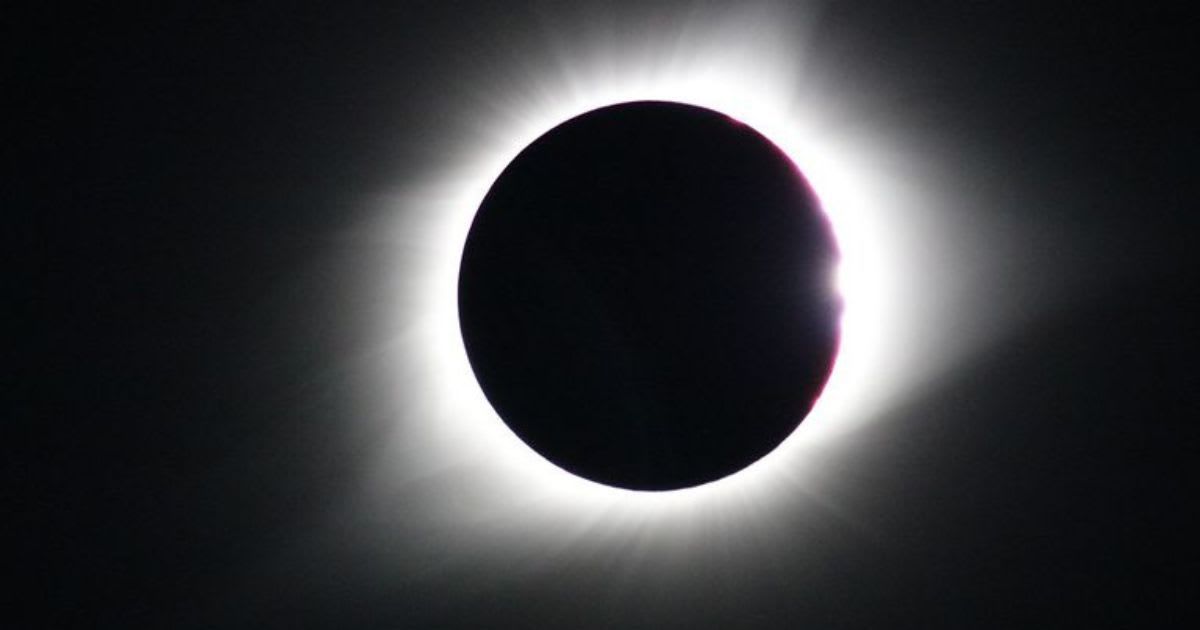
NASA is poised to launch a cutting-edge mission aimed at unraveling the mysteries of the Sun's chromosphere, a critical and enigmatic layer of its atmosphere. The Solar EruptioN Integral Field Spectrograph (SNIFS) payload, carried aboard a Black Brant IX sounding rocket, is scheduled to lift off from the White Sands Missile Range with a launch window opening on Friday, July 18, according to NASA.
The Sun’s chromosphere is getting a new audience ☀️🚀
— NASA Wallops (@NASAWallops) July 17, 2025
The SNIFS mission, which will explore one of the most complex regions of the Sun’s atmosphere, is set to launch soon. It is the first ever solar ultraviolet integral field spectrograph, an advanced technology that can image… pic.twitter.com/XjEunlo2qL
The SNIFS mission will delve into the energy transfer and dynamics within the chromosphere, a region sandwiched between the Sun's visible surface, the photosphere, and its outermost layer, the corona. Despite extensive research into the Sun's atmospheric layers, significant questions persist regarding the chromosphere's behaviour. As Philip Chamberlin, principal investigator for SNIFS and a research scientist at the University of Colorado Boulder, noted, “There’s still a lot of unknowns.”
The mission’s launch window at the White Sands Missile Range in New Mexico opens on July 18. https://t.co/Mfq8GwWRgF
— NASA Wallops (@NASAWallops) July 17, 2025
Understanding the chromosphere is crucial for predicting space weather, the hazardous conditions near Earth driven by solar flares and coronal mass ejections (CMEs) originating in the corona, just above the chromosphere. These powerful events pose threats to satellites and astronauts. The SNIFS initiative seeks to illuminate how energy is converted and propagated through the chromosphere, ultimately fueling these immense solar explosions. “To make sure the Earth is safe from space weather, we really would like to be able to model things,” explained Vicki Herde, a doctoral graduate of CU Boulder who collaborated on SNIFS development.

SNIFS represents a technological leap, being the first-ever solar ultraviolet integral field spectrograph. This innovative instrument seamlessly integrates an imager, which captures broad visual data, with a spectrograph, capable of dissecting light into its constituent wavelengths to reveal elemental composition, temperature, and motion, albeit typically from a single point. This fusion provides the "best of both worlds,” according to Chamberlin, pushing the boundaries of current technological capabilities.

By focusing on specific wavelengths, or spectral lines, including a prominent hydrogen line in the Sun's ultraviolet spectrum, alongside lines from silicon and oxygen, SNIFS will provide unprecedented insights. The data gathered from these spectral lines will allow scientists to trace the movement of solar material and energy, thereby revealing the intricate connections between the chromosphere and the Sun's upper atmosphere. Sounding rockets, like the Black Brant IX, offer a cost-effective and agile platform for space experiments, proving invaluable for hands-on experience for students and early-career researchers. Herde lauded the opportunity to "try some wild things" and allow students direct engagement with hardware, while Chamberlin emphasized the fresh perspectives and innovative techniques brought by the next generation of scientists, as mentioned on NASA's official site.
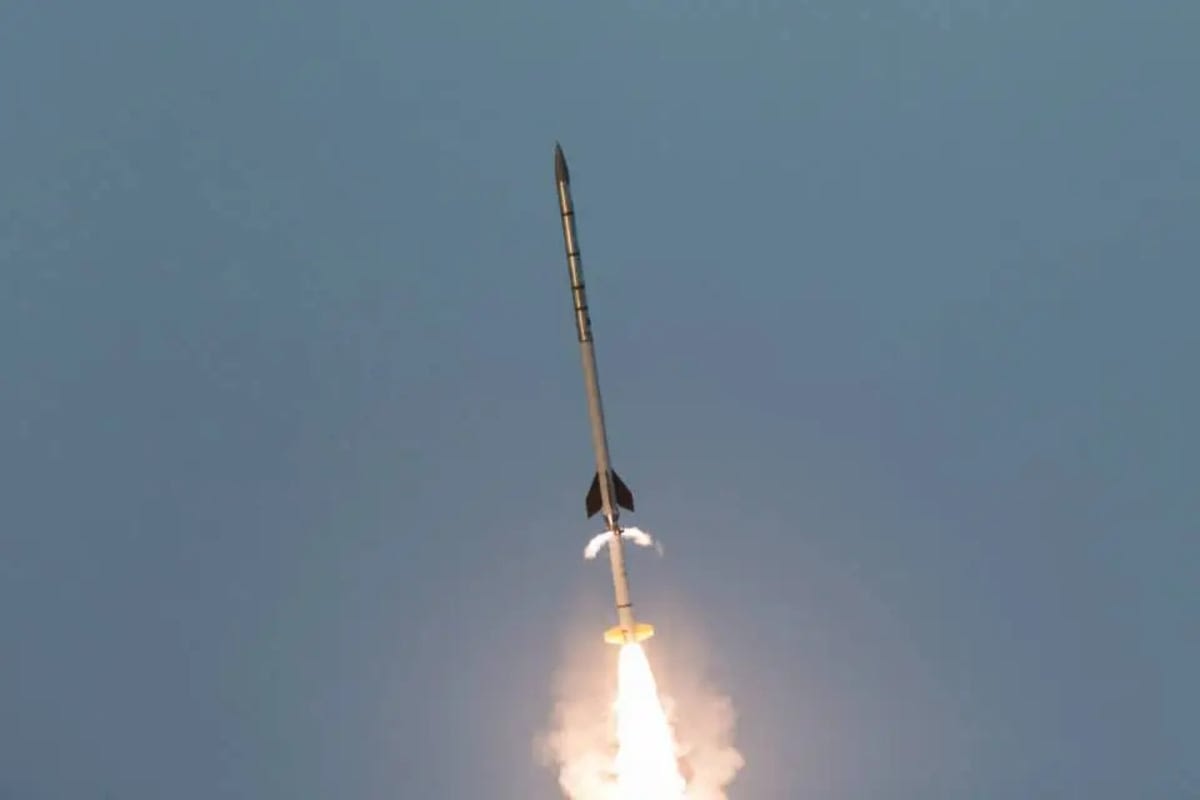
The SNIFS mission itself will be brief, with a total duration of approximately 15 minutes. The rocket is expected to reach space and align with the Sun within 90 seconds, followed by a seven-to-eight-minute data collection period in the chromosphere, before a three to five-minute descent back to Earth. The landing zone, anticipated to be 70 to 80 miles from the launchpad, makes the vast, uninhabited White Sands desert an ideal recovery site. Herde, who dedicated four years to the project, expressed immense eagerness for what she affectionately termed "my baby."