NASA sets the stage for January spacewalks outside the International Space Station
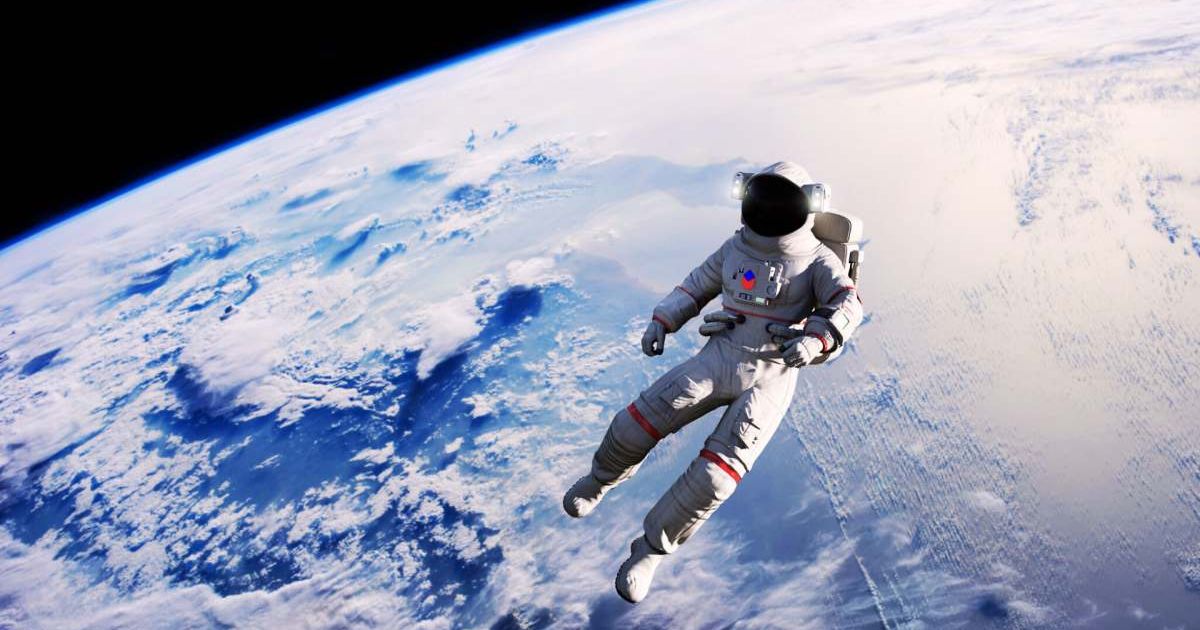
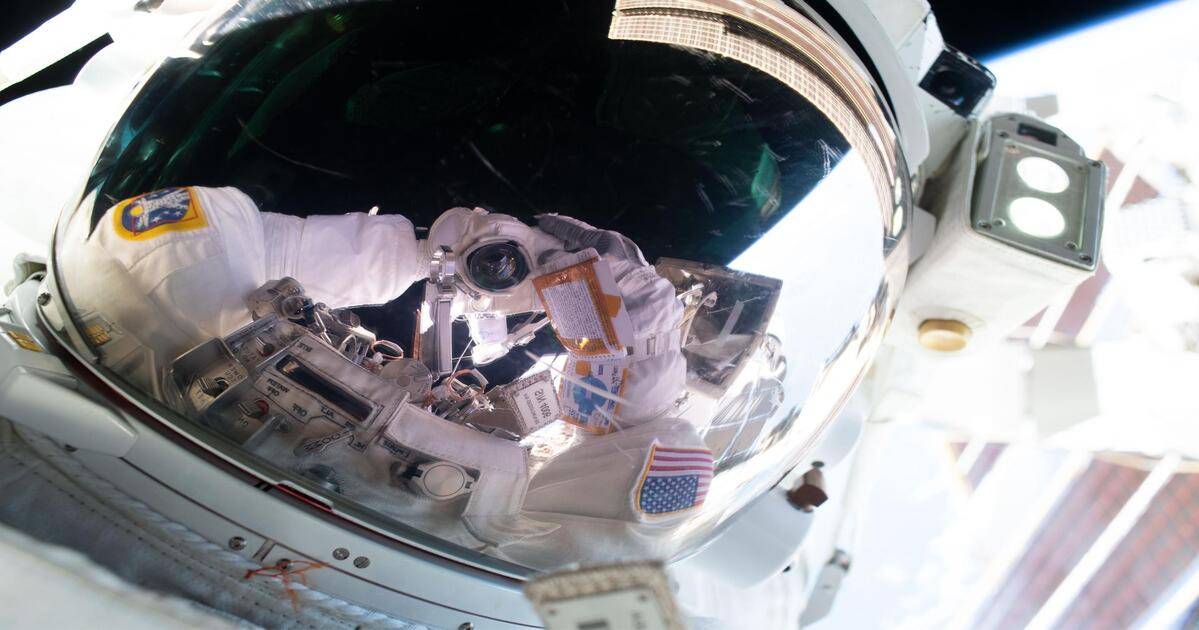
The first spacewalk was performed back in 1965 by Russian astronaut Alexei Leonov and lasted for a mere ten minutes. That duration has increased manyfold, as today, the duration of an average spacewalk done outside the International Space Station is five to eight hours, depending on the job. But one may ponder, why exactly do astronauts do these spacewalks? Well, according to NASA, one of the jobs that astronauts do while on these spacewalks is perform science experiments. Many experiments are attached outside the spacecraft to study how the environment in outer space affects certain things.
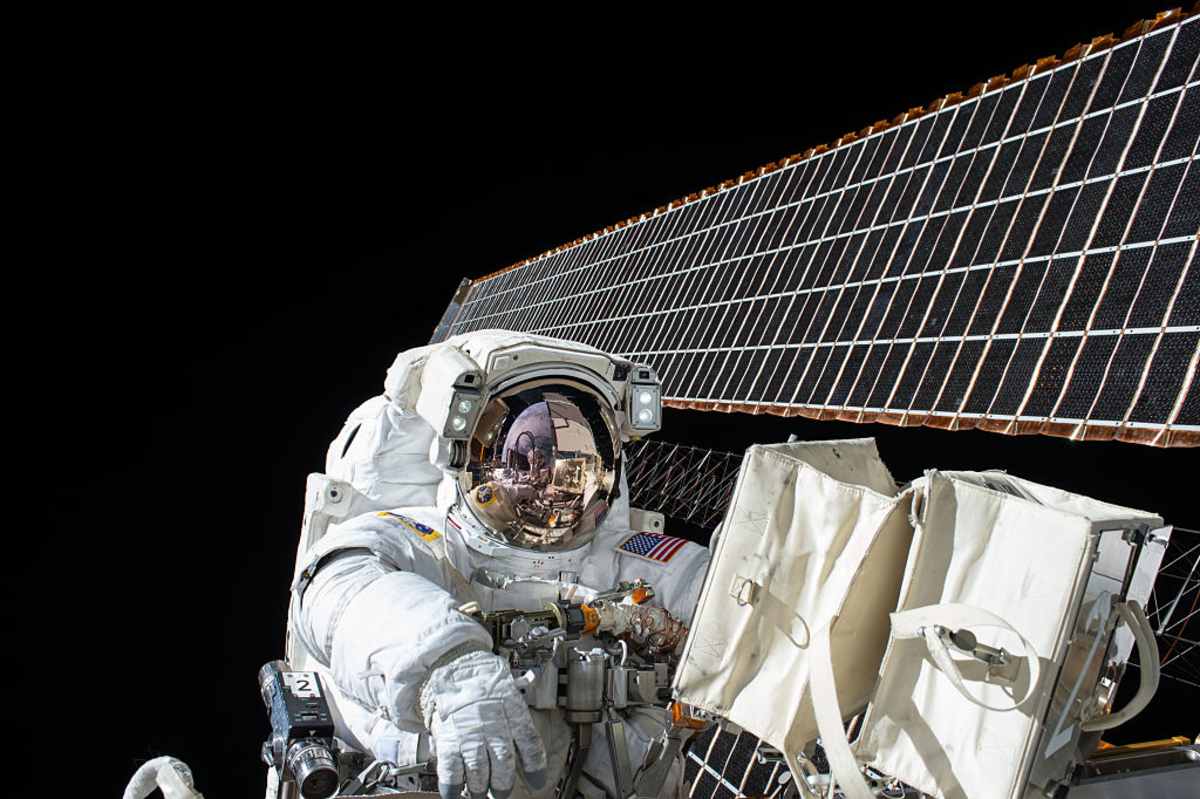
These walks are also done to test new equipment and repair their spacecraft, which otherwise have to be brought back to Earth to be repaired. Until now, there have been a total of 277 spacewalks at the International Space Station, out of which the longest was by James Voss and Susan Helms in 2001, which lasted for a staggering eight hours and fifty-six minutes. Of course, there will be more spacewalks this coming year. In fact, NASA has already planned a couple for January 2026.
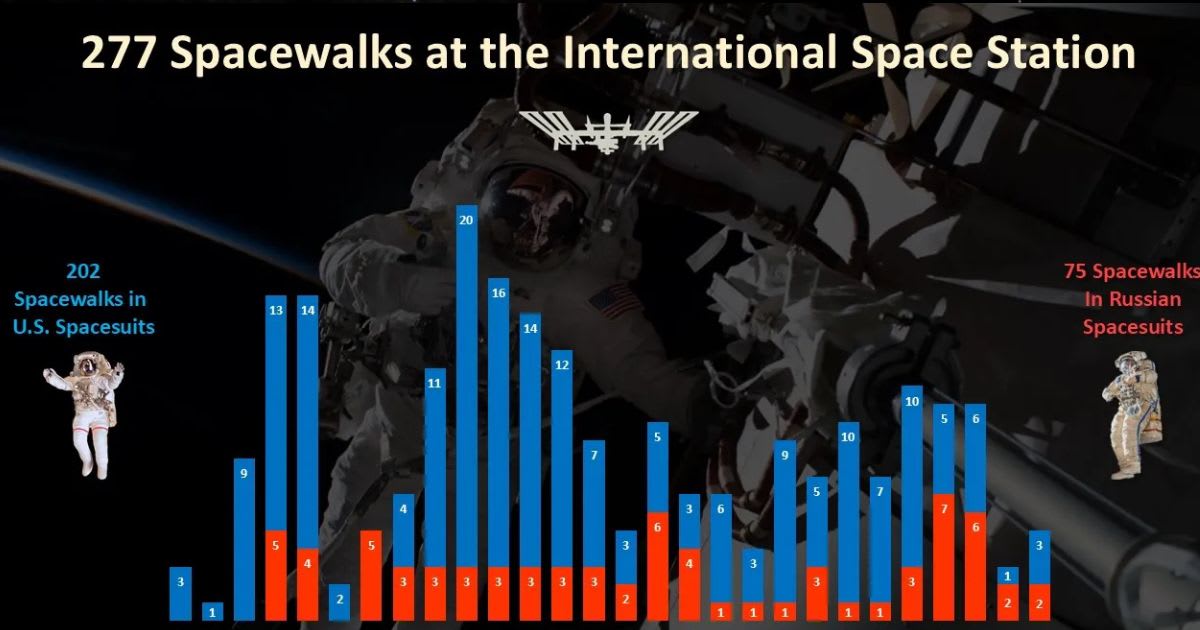
On January 8, Thursday, two NASA astronauts, Mike Fincke and Zena Cardman, will leave the International Space Station through the Quest airlock to prepare the 2A power channel for the installation of a roll-out solar array. Once these arrays are up and running, they will boost power for the space station and will also lend support to its safe and controlled deorbit. Fincke will mark his 10th spacewalk with this one, tying for the position of most spacewalks by a NASA astronaut. Meanwhile, Cardman is a rookie, and this will be her first outing.

Exactly a week after this, on January 15, two NASA astronauts will conduct one more spacewalk. This walk will be to replace a high-definition camera, install a new planar reflector on the Harmony module's forward port to help guide the visiting spacecraft, and finally relocate the ammonia servicer jumper—which is a flexible hose assembly responsible for connecting parts of a fluid system—and other jumpers on the S6 and S4 trusses. As of yet, the time and two astronauts for this spacewalk have not been announced. It is believed that they shall do it soon, as the mission date comes near.

Before these two missions are executed, NASA experts will preview the spacewalks during a briefing on January 6, scheduled at 2 p.m. EST from NASA's Johnson Space Center in Houston. The objective of this will be to outline the goals and objectives of the upcoming operations. Curious space nerds can catch a glimpse of these spacewalks on NASA's official YouTube channel.

Previously, on the 277th spacewalk on October 28, Sergey Ryzhikov and Alexey Zubritskiy, of the Russian space agency, conducted a nearly six-hour-long spacewalk. The duo installed experiment hardware on the Nauka Multipurpose Laboratory Module and relocated a control panel for the European robotic arm attached to Nauka, according to an emailed statement by NASA News Chief Cheryl Warner, as reported by Space.com.
More on Starlust
Russia reveals plan to build a new space station using recycled modules from the ISS
The Artemis II crew: All about the people powering NASA’s return to the Moon