NASA selects United Launch Alliance to provide upper stage for Artemis IV and V
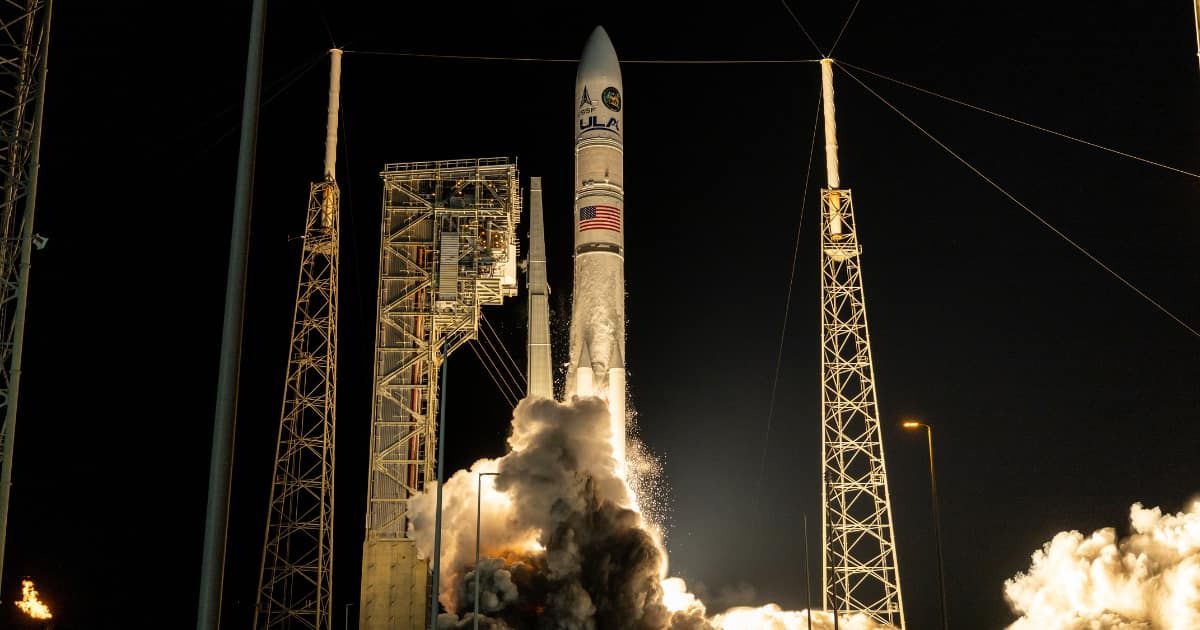
NASA has awarded a sole-source contract to United Launch Alliance for the development of a dedicated upper stage for Artemis IV and V, a procurement filing published on March 6, 2026, states. This news comes on the heels of the recommendations of the Aerospace Safety Advisory Panel (ASAP), which suggested changes to the Artemis program's architecture. NASA subsequently made changes to the program and expressed its desire to make incremental progress in line with historical frameworks of Apollo missions.
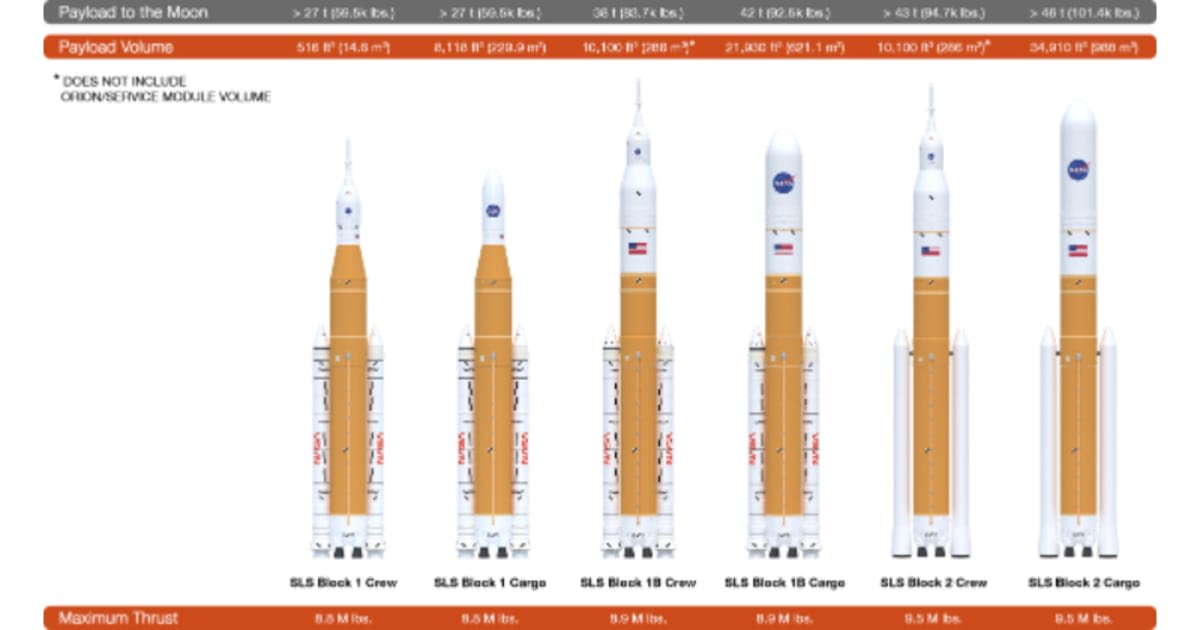
According to the filing, this decision appears to take a path of least resistance. “All other alternative solutions fail to meet the performance requirements, would require significant modifications to hardware that is still under-development, or would require the development of new hardware that does not currently exist,” the filing read. Before the shake-up of its Artemis plans, NASA had intended to make use of an Exploration Upper Stage for the Block 1B configuration of its SLS rocket for Artemis IV and V.
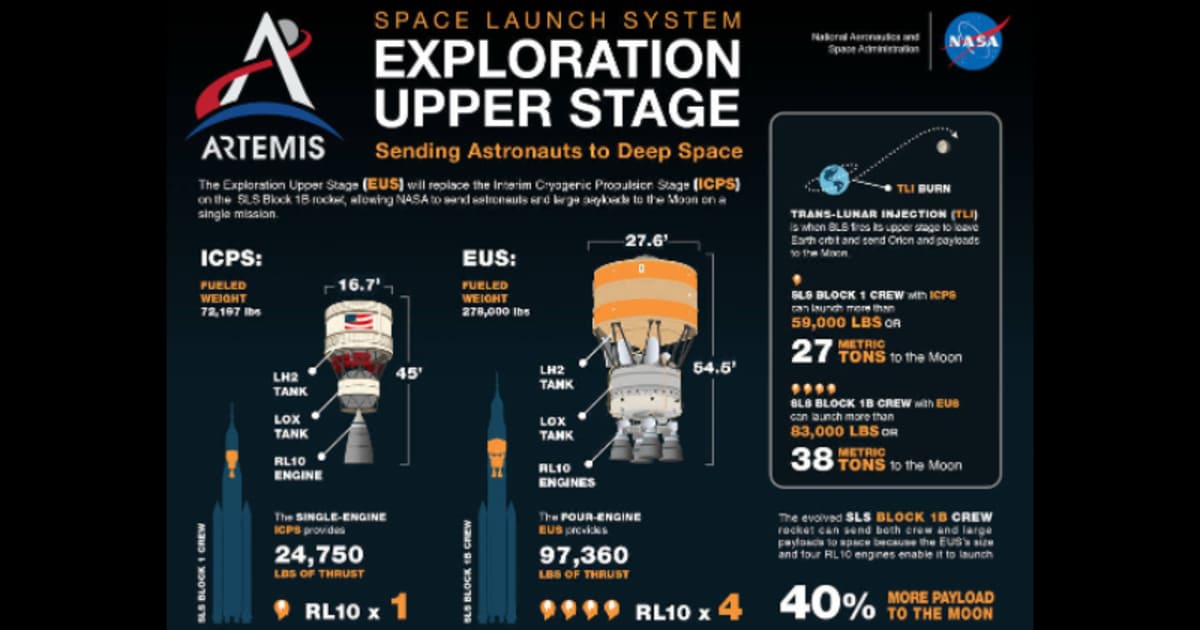
EUS was to be an upgrade to the Interim Cryogenic Propulsion Stage used in the Block 1 configuration for Artemis I, II, and III for taking heavier payloads to the Moon. Boeing would have been the partner responsible for the development of EUS, and while they have had a part in the Starliner debacle, it appears to have no bearing on this change of plan. The mention of this 'Type A mishap' in the ASAP report was plentiful though, and this would not have filled management with confidence about a timely delivery of the EUS before Artemis IV, planned for 2028.
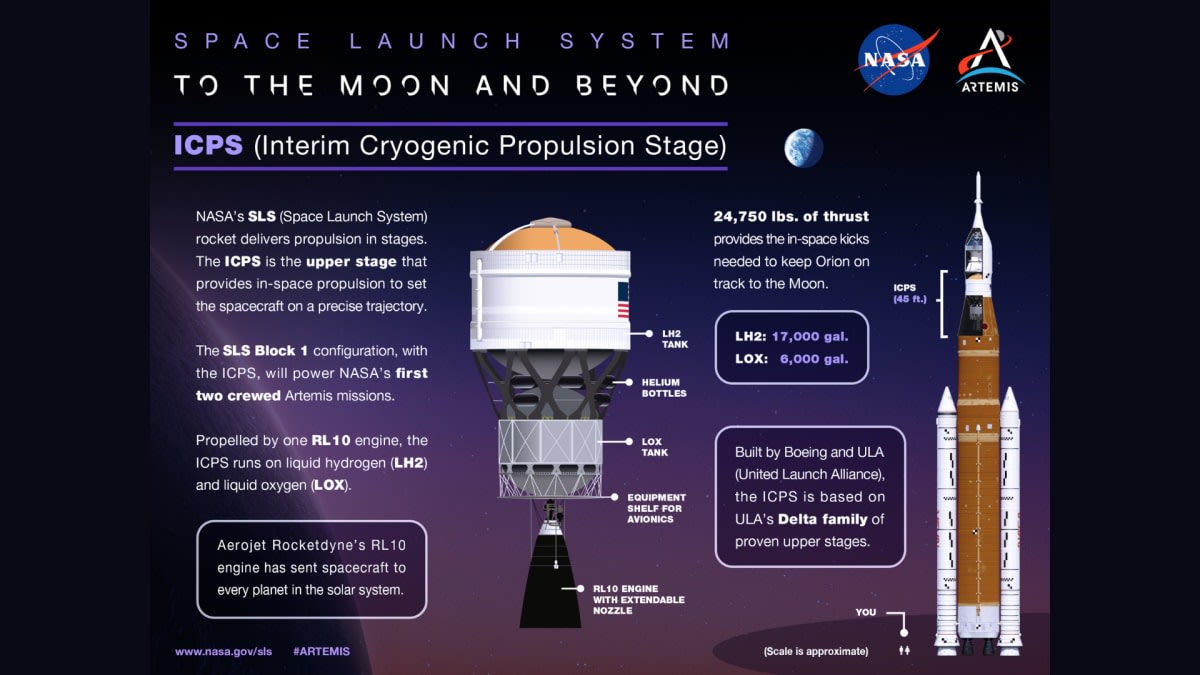
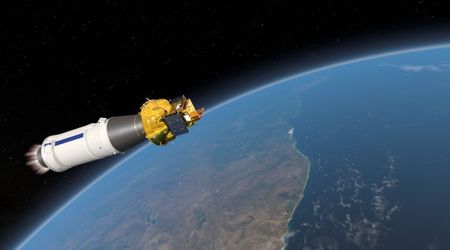
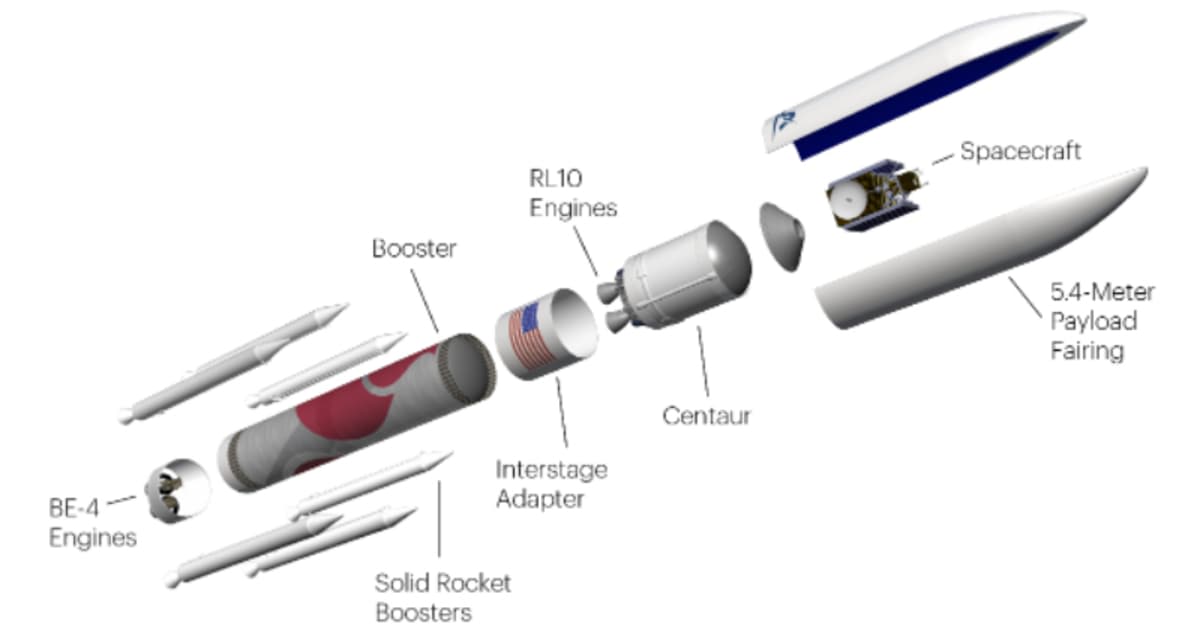
The ICPS for Artemis I, II, and III is itself a modified Delta cryogenic second stage, an upper stage used on ULA's Delta IV family of rockets, which has since been retired in favor of the newer fleet of Vulcan rockets. The current contract requires ULA to build three upper stages (two for flights and one as a spare) that will offer increased power to deliver humans to the Moon. These upper stages will be based on the already-existing Centaur V upper stage of the Vulcan rocket, a fact the filing noted as a contributing factor in the decision.
These changes form the steps that NASA is taking to increase the frequency with which it can make launches, commonly referred to as launch cadence. During the press conference on February 27, 2026, NASA Associate Administrator Amit Kshatriya went on to say, “We want to fly the landing missions in as close to the same Earth ascent configuration as possible—this means using an upper stage and pad systems in as close to the ‘Block 1’ configuration as possible." The changes announced in the press conference gave Artemis III a new role within the program: as an intermediate test mission rather than the first lunar landing of humans in more than 50 years.
More on Starlust
Build, buy or outsource? NASA recalibrates its acquisition strategy in the 2025 safety report
All hands on deck: The international collaboration behind Artemis II's SLS rocket and Orion capsule