NASA resumes efforts to reconnect with MAVEN as solar conjunction ends
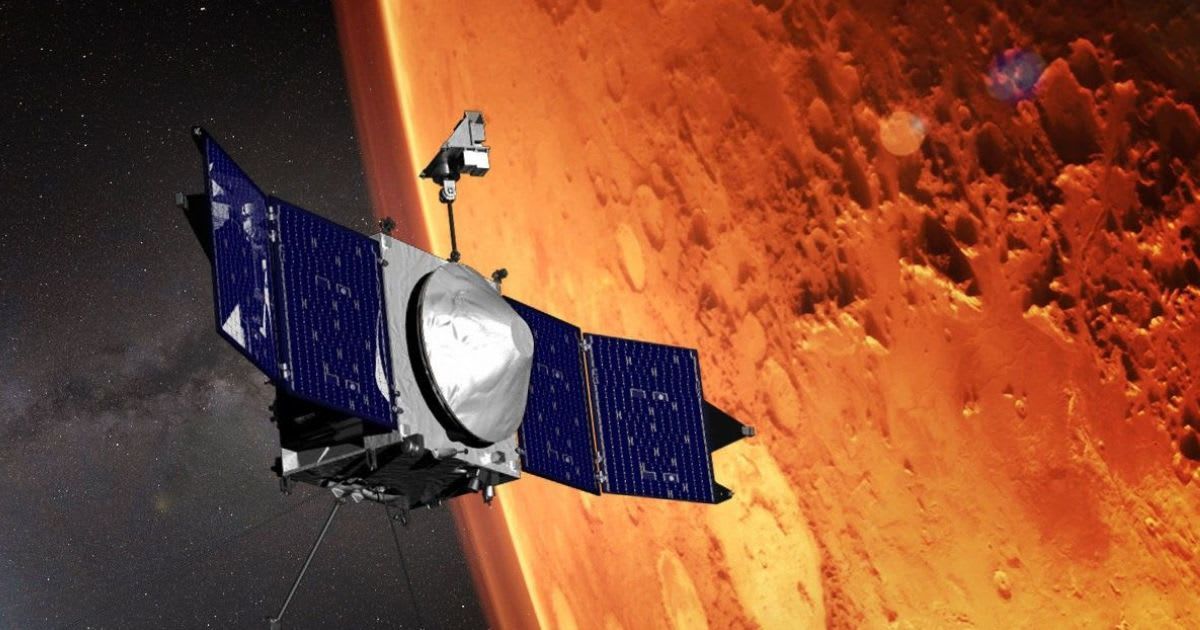
Using its Deep Space Network and the U.S. National Science Foundation’s Green Bank Observatory, NASA has officially resumed its work to contact the Mars Atmosphere and Volatile EvolutioN (MAVEN) spacecraft. According to the space agency, the spacecraft had last connected with technicians on Earth on December 6, 2025. The effort to establish contact with the spacecraft orbiting Mars begins with the end of the solar conjunction.
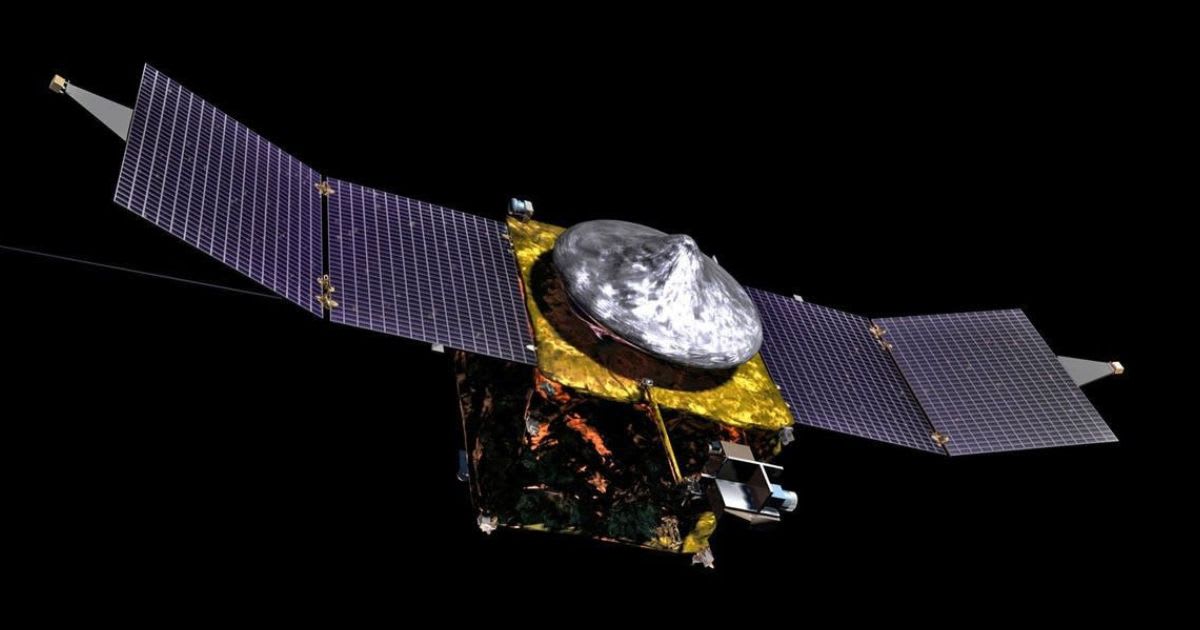
When Mars and the Earth are on opposite sides of the Sun, it is not possible to contact missions to the Red Planet. Spacecraft and rovers at Mars are now emerging from this conjunction, prompting the efforts to reconnect. The MAVEN team is also analyzing data that had been collected from the last day of contact during a radio science campaign. This analysis will help to craft a timeline of the likely events that led to the issue, pointing to the root cause. A formal anomaly review board is also being assembled to review the data recovered and investigate the issue. NASA had previously said that the data recovered on December 6 was but a brief fragment of tracking data that indicated that the MAVEN spacecraft was rotating bizarrely when it emerged from behind Mars. The tracking signal’s frequency also indicated that MAVEN’s orbit trajectory might have changed.
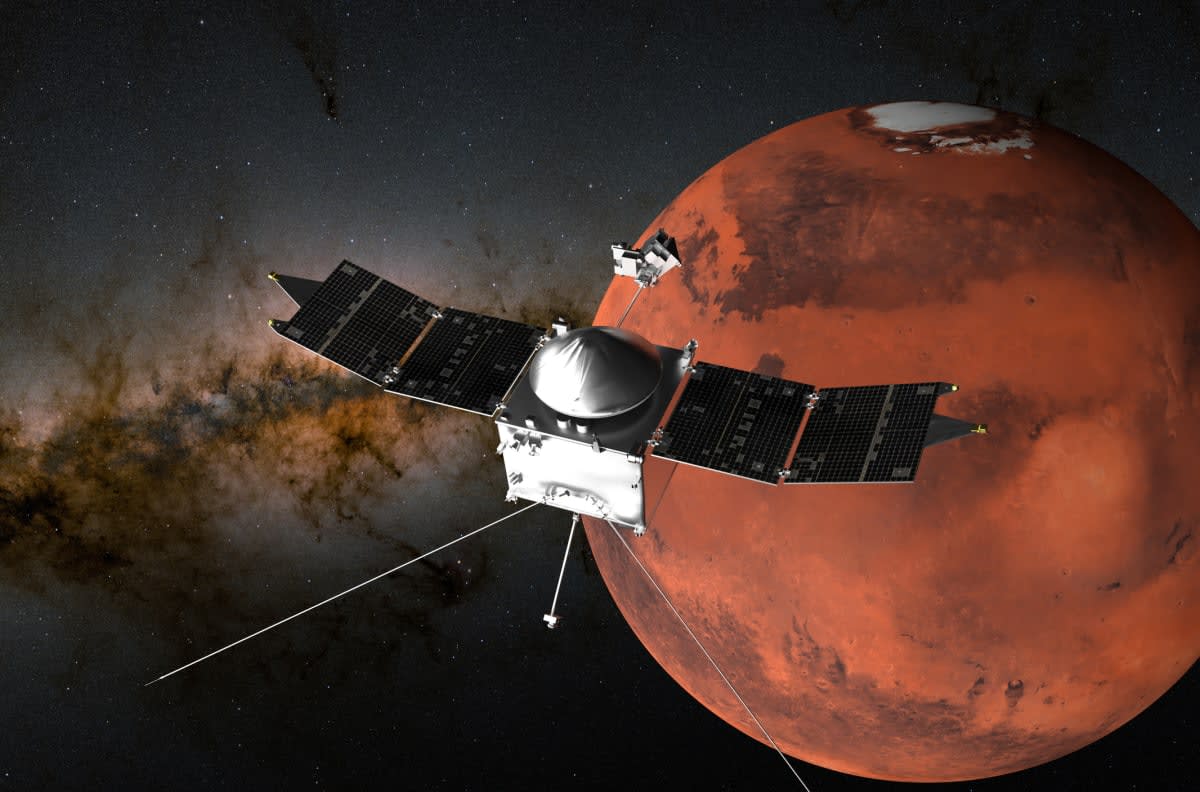
As part of the effort to understand what happened with MAVEN, NASA's Curiosity team used the rover’s Mastcam instrument on December 16 and 20. This was to image MAVEN’s reference orbit, but the spacecraft was not detected, and the upcoming solar conjunction at the time affected the monitoring. Aside from working on communicating with MAVEN, NASA also said that it was trying to mitigate the effects of MAVEN's anomaly on surface operations for its Perseverance and Curiosity rovers.

Four orbiters at Mars, including MAVEN, relay communications to and from the surface to support rover operations. And while efforts to reconnect with MAVEN haven't yielded positive results yet, NASA's Mars Reconnaissance Orbiter, Mars Odyssey, and ESA's (European Space Agency's) ExoMars Trace Gas Orbiter are still functional. In the press release dated December 15, 2025, the American space agency had revealed that it was working on having the remaining three orbiters make additional passes for the following two weeks of planned surface operations. It also said that the Curiosity and Perseverance teams had made changes to their scheduled activities in order to ensure seamless continuation of science missions.
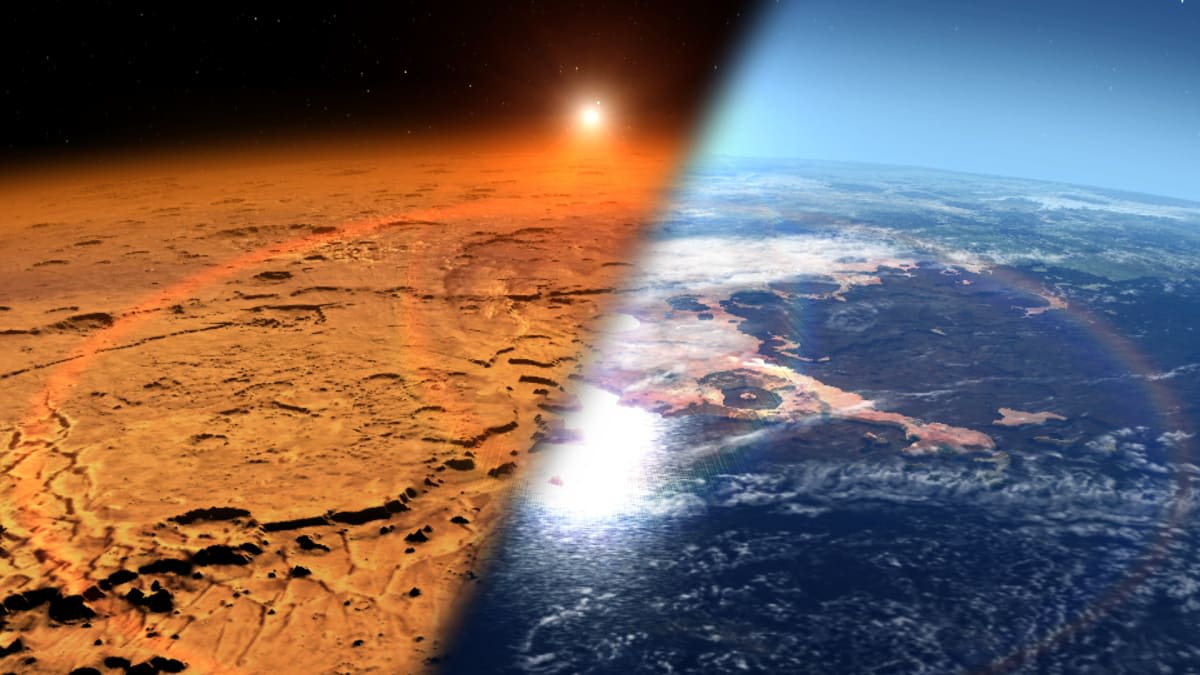
The MAVEN spacecraft was launched in November 2013 and entered the orbit of Mars in September 2014. Its mission goal is to explore Mars’s upper atmosphere, ionosphere, and its interactions with the Sun and solar wind. The data from MAVEN will help scientists get insights into the loss of CO₂, N₂, and H₂O from the Martian atmosphere to space. Understanding the atmospheric loss, in turn, will help scientists look into the past of Mars’s atmosphere and climate, liquid water, and habitability. With such significant science missions hinging on MAVEN, re-establishing communication is of great importance.
More on Starlust
NASA loses contact with MAVEN orbiter as it goes silent behind Mars