NASA advances Artemis IV preparations with key water system activation at Stennis Space Center
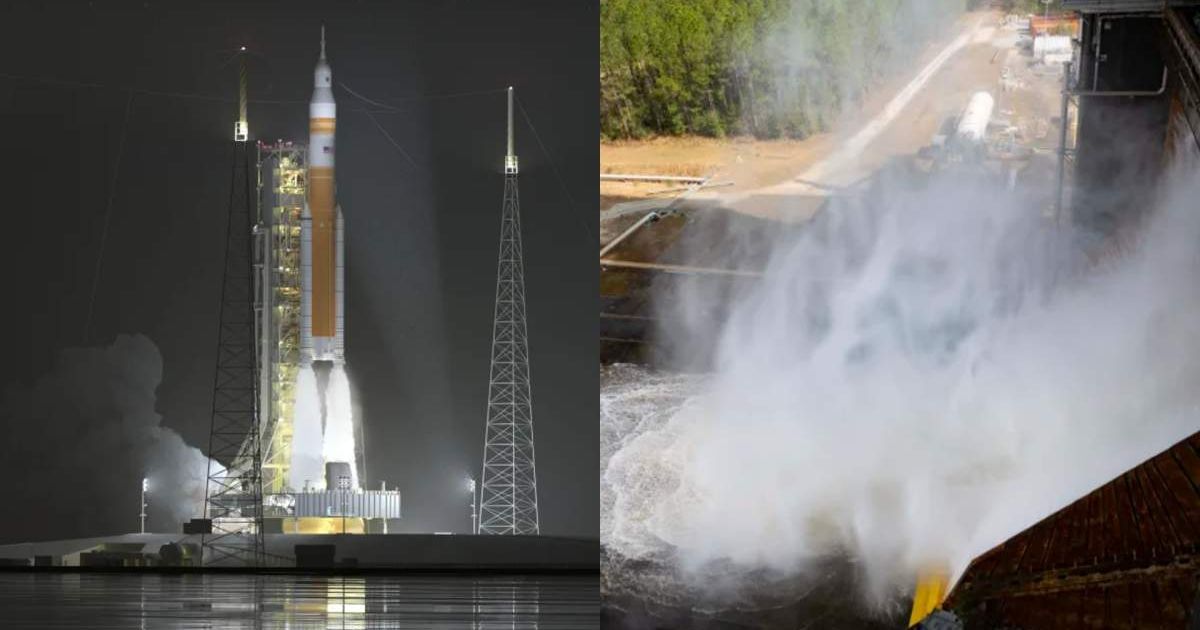
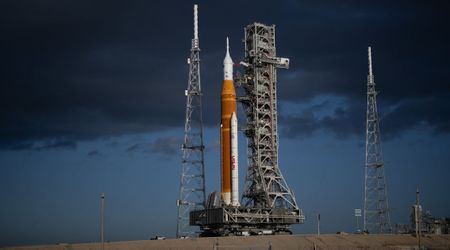
Artemis II is not off the ground yet, but NASA just had a major breakthrough in its preparation for the fourth mission of the ambitious Artemis program. On January 30, 2026, the team at NASA's Stennis Space Center near Bay St. Louis, Mississippi, completed a water system activation at the Thad Cochran Test Stand (B-2), obtaining data that will facilitate the testing of a new SLS (Space Launch System) stage supposed to fly on the Artemis IV mission.
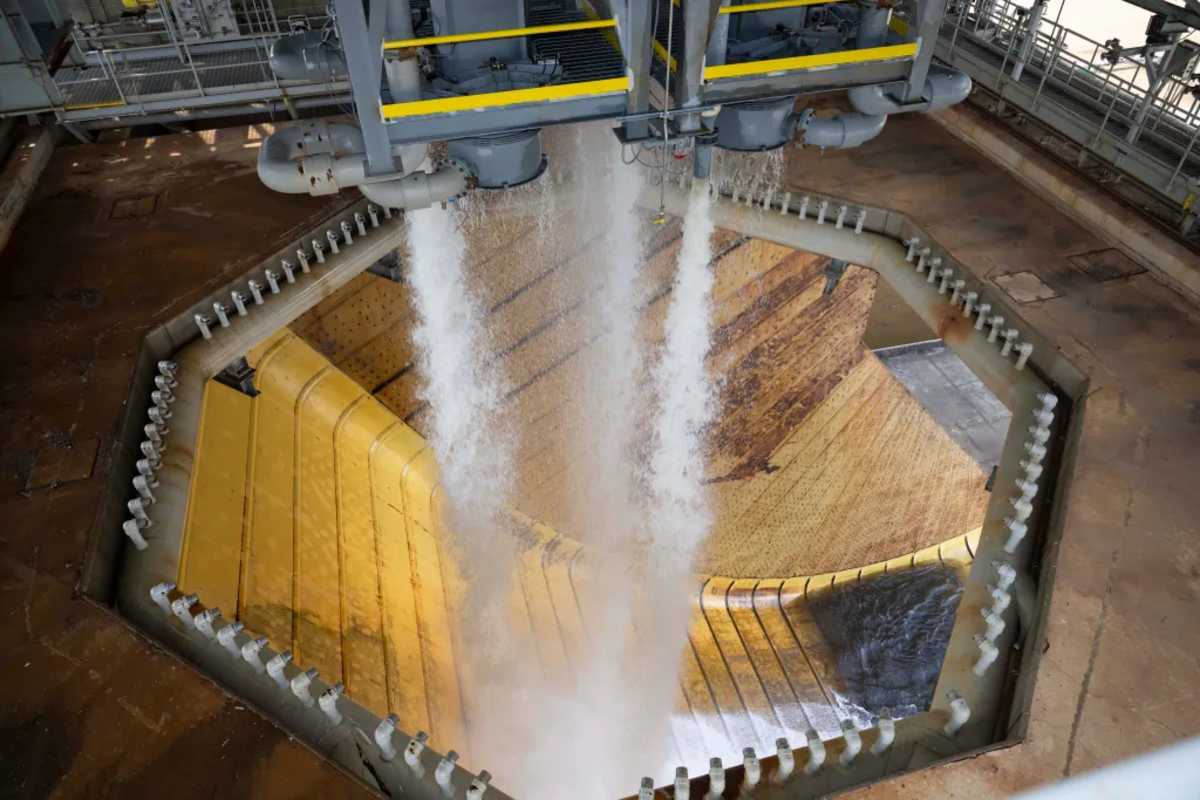
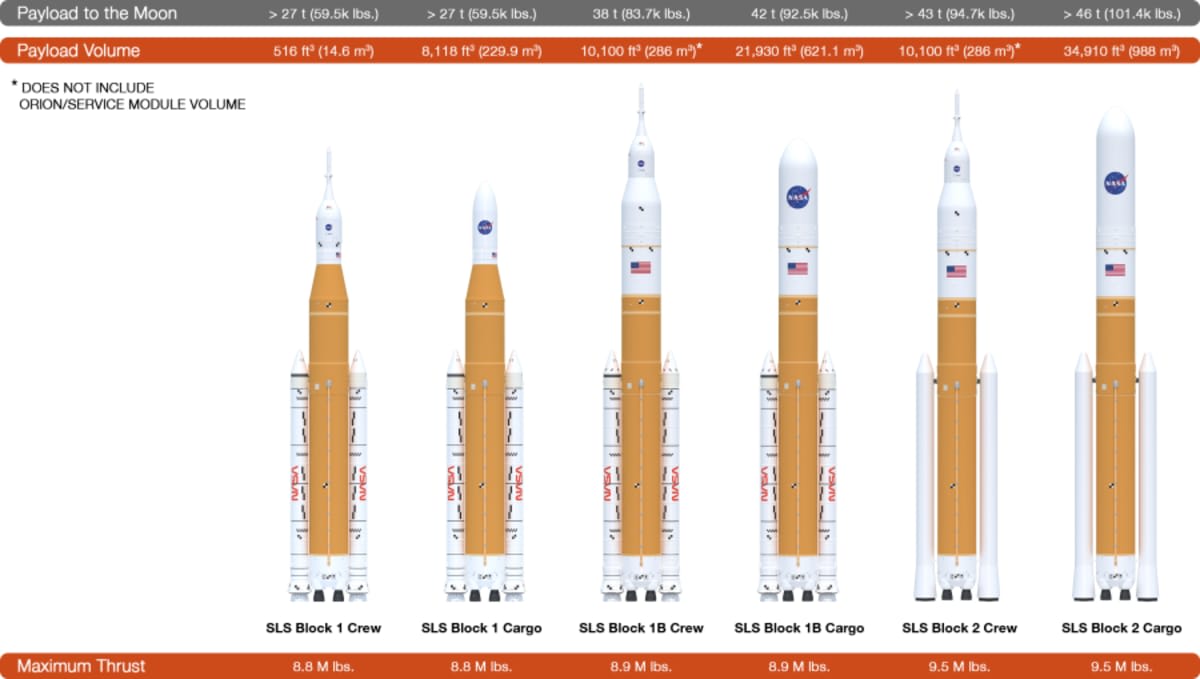
The activation tested the cooling systems that were added to the future Green Run test series for the new exploration upper stage (EUS). The EUS is a four-engine liquid hydrogen/liquid oxygen in-space stage that will replace the current interim cryogenic propulsion system (ICPS), beginning with the Block 1B variant of the SLS rocket that will fly the Artemis IV mission. Much like Artemis I, Artemis II and III will fly the Block 1 variation. Per NASA, the EUS is expected to generate nearly four times more thrust than the current ICPS and send more than 84,000 lbs for the Block 1B crew and more than 93,000 lbs for the Block 1B cargo to the Moon. During Green Run, NASA's Stennis team will activate the stage and see if all systems are operating as intended and are ready for the mission. And much like the actual mission, the test will end with the firing of the stage's four RL10 engines.
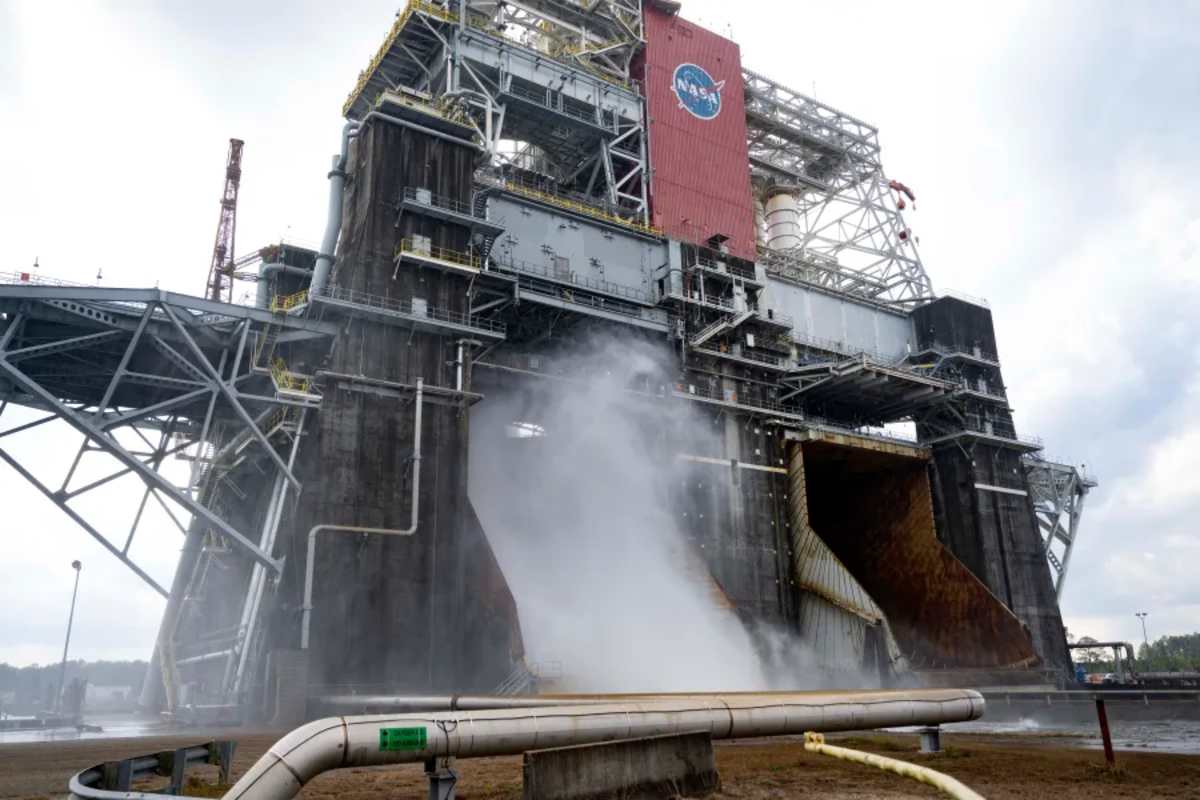
Modification of the test stands saw the NASA Stennis team add water-cooled diffusers and fairings, as well as a purge ring. The diffusers will act as a heat shield against the exhaust of the RL10 engines, while the fairings will channel the water along the walls of the diffuser. As for the purge ring, it will deliver water and gaseous nitrogen to shield a flexible seal that allows the engines to move during testing from damage. These modifications were incorporated alongside the existing flame deflector and acoustic suppression equipment that were utilized during the core stage testing of the SLS rocket before the launch of Artemis I.
While the testing of a typical RS-25 engine that powers the SLS core stage requires only some of the 10 diesel pumps and one electric pump to be running, the EUS will need all eleven pumps to be working together. Thus, the exercise had the high-pressure industrial water system working at maximum capacity. The 14 million gallons of water used during the exercise, however, was recycled throughout the complex, thanks to an intricate system. A 96-inch-diameter underground pipe carries the water from a 66-million-gallon reservoir to the test complex. Once the water has reached the flame deflector, it flows into the stand's catch pond via a concrete flume. When the catch pond is full, the excess water flows back into the canal through a drainage ditch to be recycled later.
“We will use the data gathered to set the final timing of when valves are cycled, determine our redline pressures, and select the operating pressure,” said Nick Nugent, NASA Stennis project engineer. “This exercise also put the water system under a full load prior to the final stress test. It is always good to give the system a good shake down run prior.”
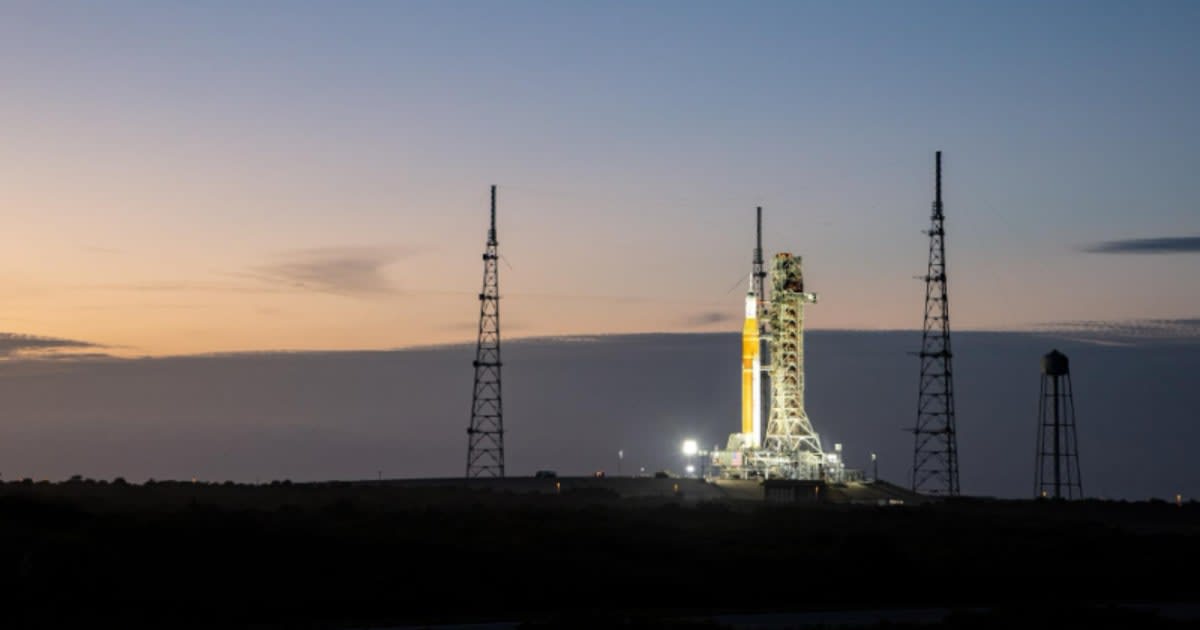
Speaking of testing, NASA has yet to announce a date for the second wet dress rehearsal for Artemis II. The latest update from the agency revealed that technicians had replaced two seals in an area where higher-than-allowable hydrogen gas levels had been detected and were in the process of analyzing those seals to figure out what went wrong. Several changes to the operations of the next wet dress rehearsal were also announced, with one of them being the decision to close the Orion crew module before the test. The agency has also added an hour to the total time of the countdown to give the crew more wiggle room for troubleshooting. The next launch opportunity will arrive on Friday, March 6, 2026.
More on Starlust
All hands on deck: The international collaboration behind Artemis II's SLS rocket and Orion capsule
NASA's Artemis II and Crew-12 astronauts will be first to carry latest smartphones to space