NASA's SPHEREx telescope, launched to study millions of galaxies, releases stunning debut images: 'Just wow'

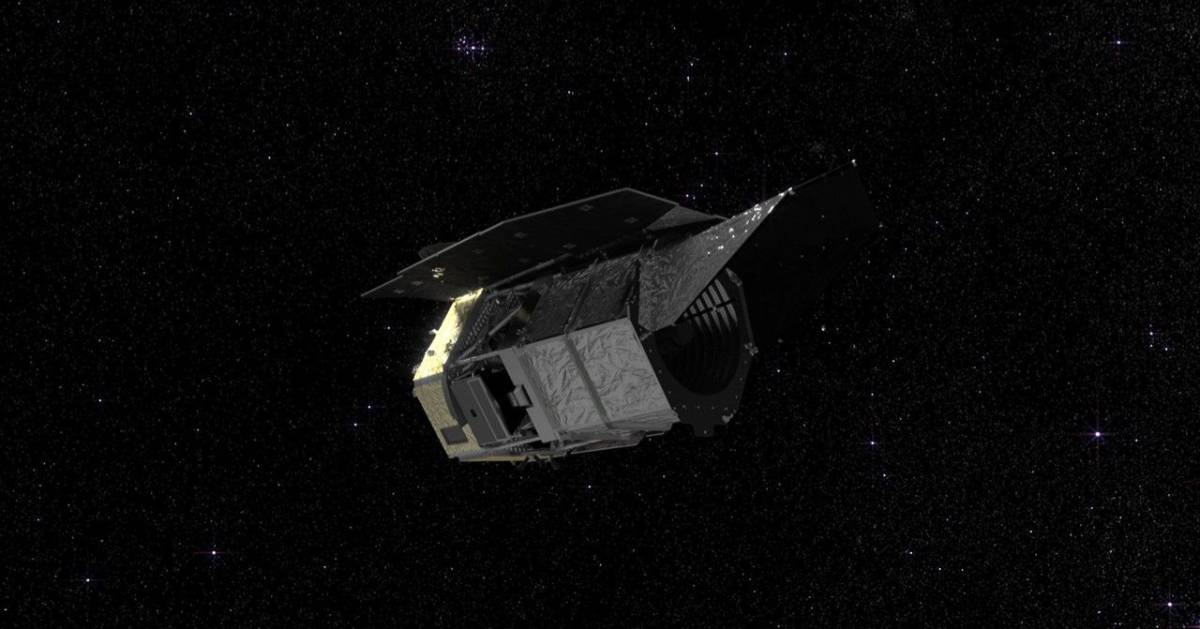
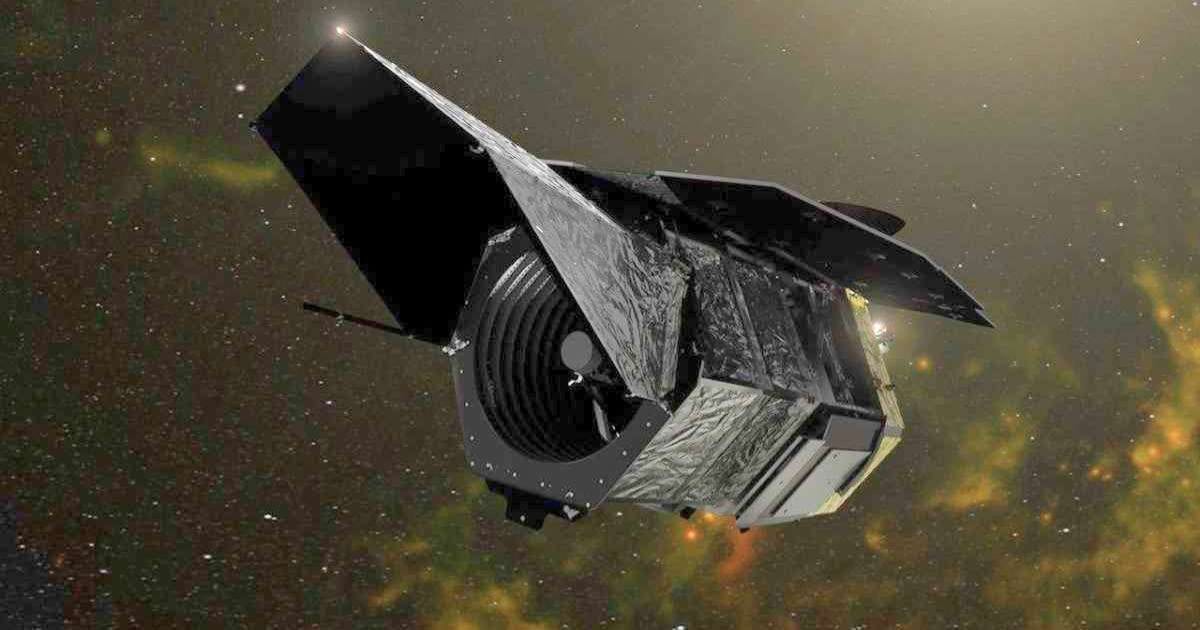
NASA's new space telescope is acing its mission most fantastically. SPHEREx, short for Spectro-Photometer for the History of the Universe, Epoch of Reionization and Ices Explorer, was launched into space on March 11, 2025. The device turned on its detectors for the first time in space and the images it captured blew scientists' minds. The debut photos confirm that all the systems are in perfect working condition, as per NASA. The new images are not yet calibrated for scientific use, but they provide an insight into SPHEREx’s view of the sky. Each bright spot could be a star or a galaxy, and the image contains 100,000 detected sources or more.

Each SPHEREx exposure captures six images, one for each detector. The three images on the top and three at the bottom combine to form a rectangular area of observation. This is the full view of the observatory - it is around 20 times wider than the full Moon. It is confirmed that when SPHEREx starts routine science operations in late April, around 600 exposures will be captured every day. “Our spacecraft has opened its eyes on the universe,” commented Olivier Doré, SPHEREx project scientist at Caltech and NASA’s Jet Propulsion Laboratory, excitedly.

In a news statement, the space agency released six images, each of which was colored differently. This is done to represent a range of infrared wavelengths, and all the images show the same area of the sky. "It's performing just as it was designed to," Doré added, as per CBS News. The observatory is equipped to detect infrared light, and each six-image exposure can capture up to 102 shades. The difference in color helps scientists to study the composition of objects or the distance to galaxies and decipher the origins of water in our galaxy, as well as, the universe’s mysteries.

NASA informed that the telescope is also capable of capturing "faint, distant galaxies." "This is the high point of spacecraft checkout; it's the thing we wait for," stated Beth Fabinsky, SPHEREx deputy project manager at JPL. "There's still work to do, but this is the big payoff. And wow! Just wow!" she added. NASA pointed out that SPHEREx works differently from other space telescopes like the Hubble and the James Webb. This device can take a broader image of the sky than previous models and will map the entire celestial sky four times during the next two years.

The data from this mission will be combined with the observations of small telescopes to provide scientists with a better understanding of the universe. Constructing and launching SPHEREx cost $488 million, and it had been in development for about a decade, as per LiveScience. During its lifetime, the telescope will orbit the Earth 14.5 times a day and complete 11,000 orbits. It shall also filter infrared light from distant gas and dust clouds through a technique called spectroscopy. The SPHEREx was taken into space aboard a SpaceX Falcon 9 rocket.
Scientists and engineers have been conducting a series of spacecraft checks for the past two weeks. They want to ensure that the detectors and other hardware have been cooling down to their final temperature. This is essential as heat can affect the telescope’s ability to detect infrared light. “Based on the images we are seeing, we can now say that the instrument team nailed it,” said Jamie Bock, SPHEREx’s principal investigator at Caltech and JPL. The images also confirm that the telescope is in proper focus, as it is done before launching and cannot be changed in space.