Moon may not have as much water ice as previously thought, posing challenge for future crewed missions
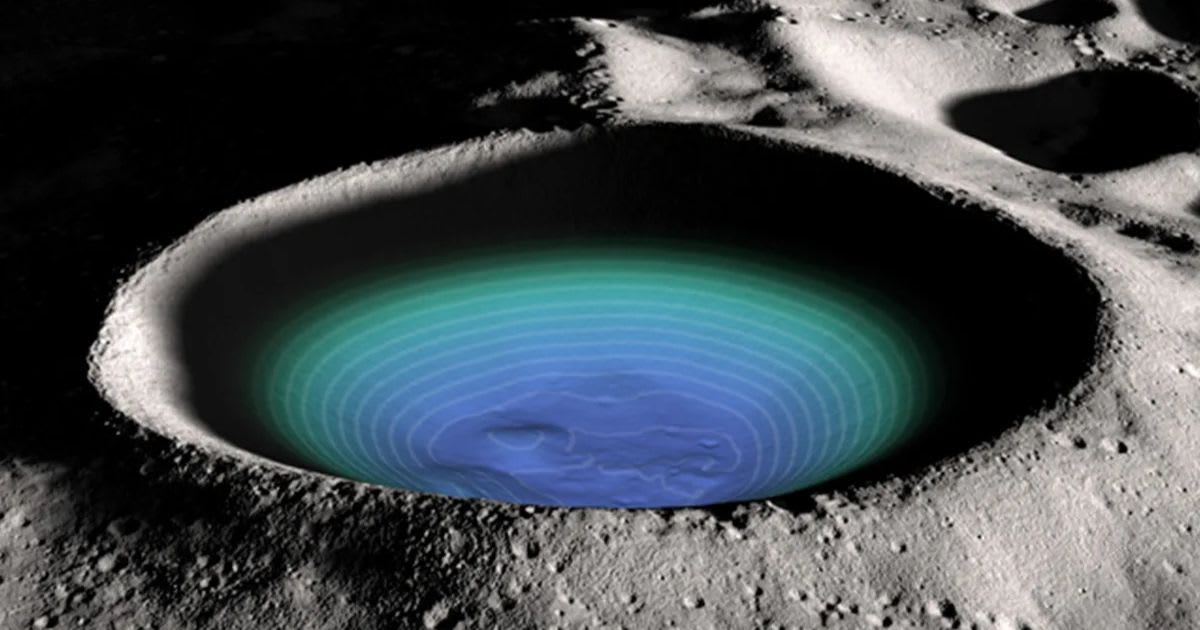
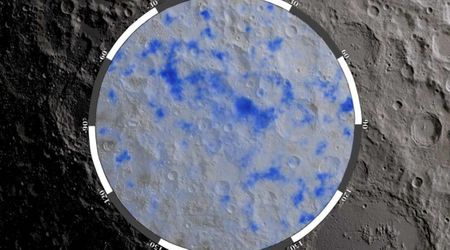
Water ice may not be as abundant in the Moon’s permanently shadowed regions (PSRs) as previously thought. A new study led by Shuai Li at the University of Hawaii suggests that PSRs are unlikely to hold relatively pure ice deposits, which typically make up 20–30% of the surface material. These regions are mostly found on airless bodies like the Moon that have a very small axial tilt, and are located inside deep craters near the poles. PSRs don’t get any sunlight, and with no atmosphere to retain heat, they become “cold traps” for water ice—but the recent observations published in Science Advances suggest otherwise as far as the Moon is concerned.
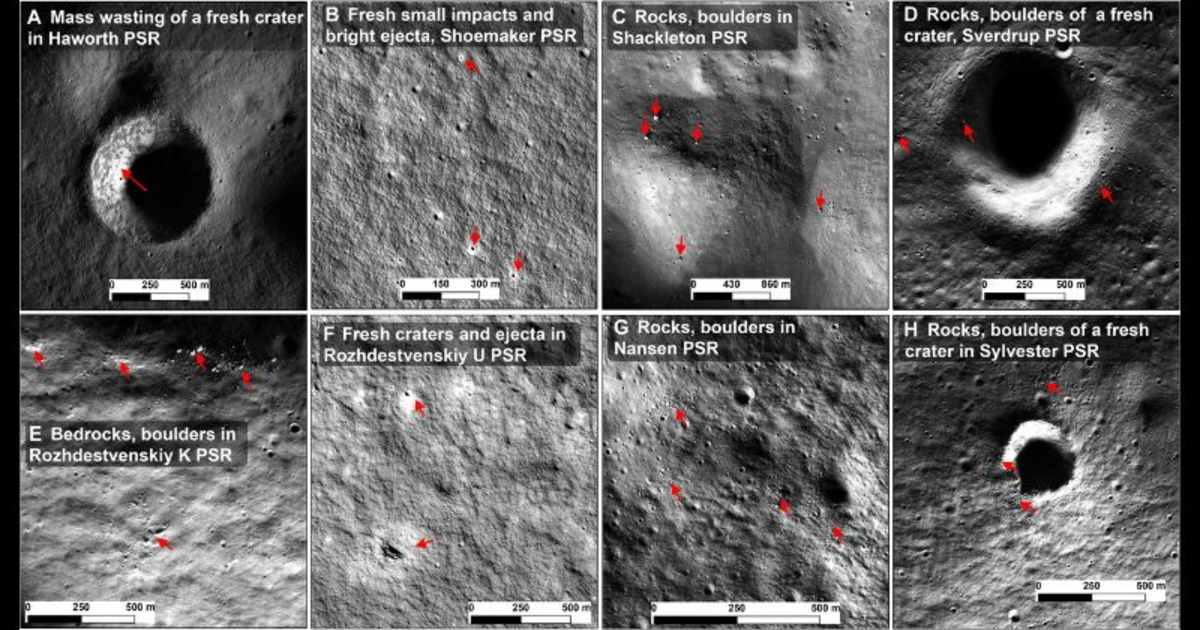
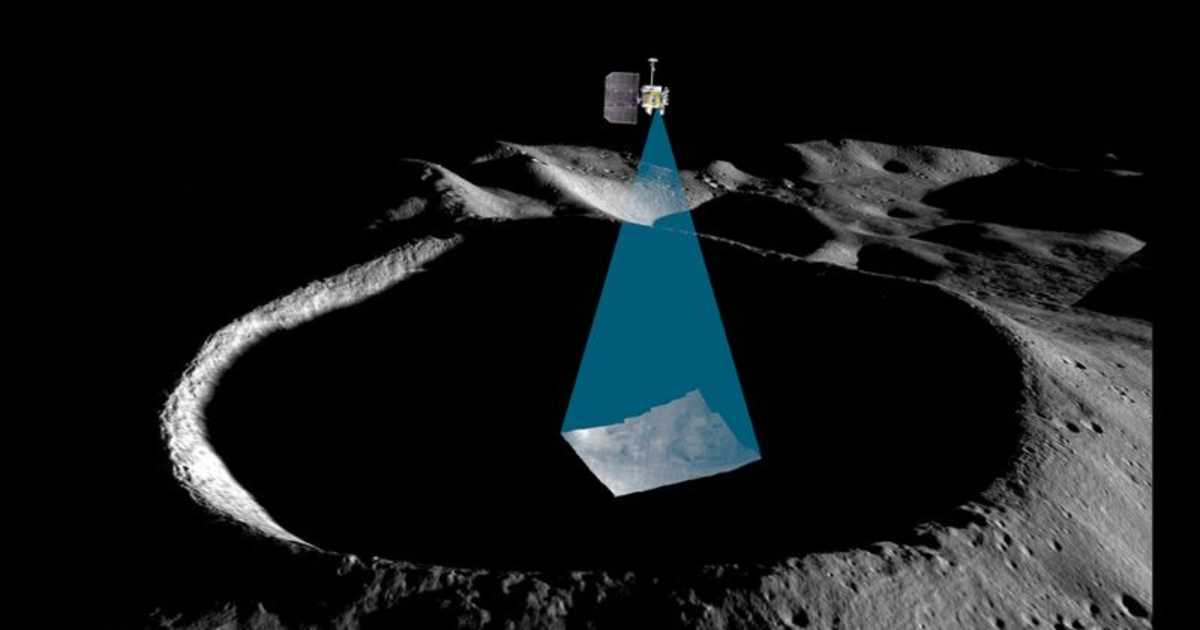
So, how did the scientists search for water ice in the Moon’s PSRs? Li’s team used ShadowCam, a NASA-funded camera aboard South Korea’s first lunar mission, the Korea Pathfinder Lunar Orbiter. Visible-wavelength images from slightly different angles helped them measure how light reflected off the surface. The reflections off water ice are brighter than those of the regolith (lunar soil) and are also more strongly forward-scattering, i.e., the brightness changes depending on viewing angle. These patterns helped identify whether ice is present on the lunar surface, and if it is, in what proportion.
The search for lunar water ice did not mean the scientists looked for large sheets of pure ice, since it’s unlikely to exist even in known theory. Instead, it would exist as varying mixtures with regolith, each one having distinct reflectance and scattering signatures based on its ice content. There must be at least 20–30% ice in the surface material in order to be detected using this method. The ShadowCam found none, indicating that ice-rich deposits near the lunar surface are most likely absent.
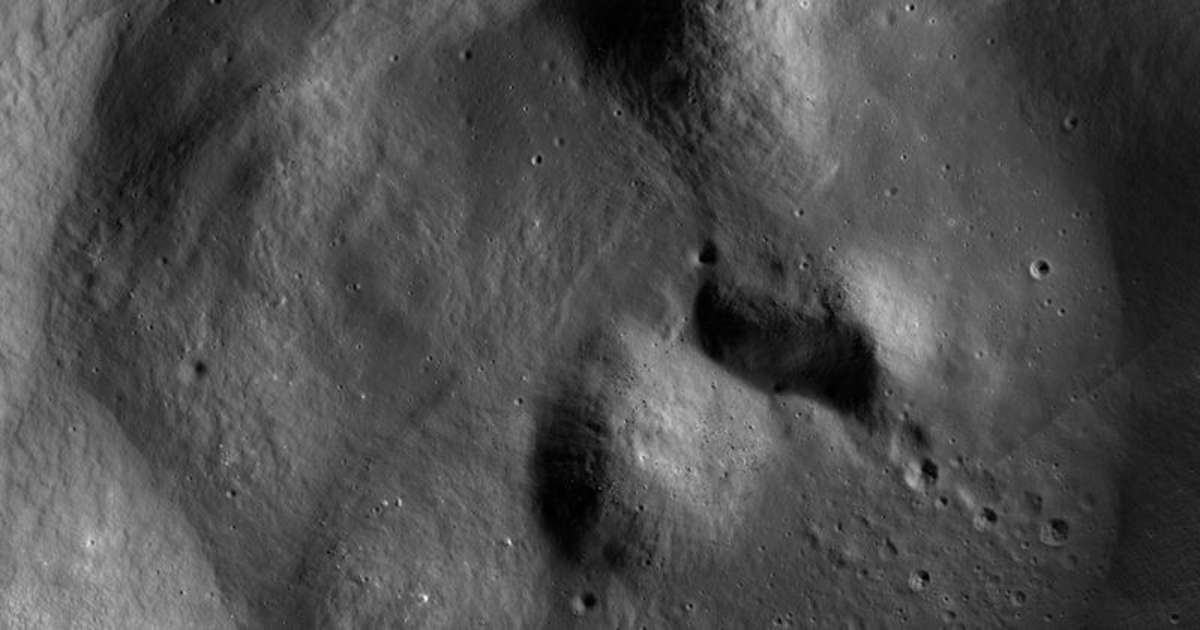
This recent study challenges many existing assumptions about the Moon’s resources. While these need to be reconsidered, it still doesn’t mean the Moon is completely dry. Water ice may still exist in smaller amounts, as some measurements could still be consistent with less than 10% ice mixed into the soil. For now, it is just difficult to confirm them since these levels are below current detection limits. Upcoming studies would attempt to find much smaller concentrations, like 1% ice content.
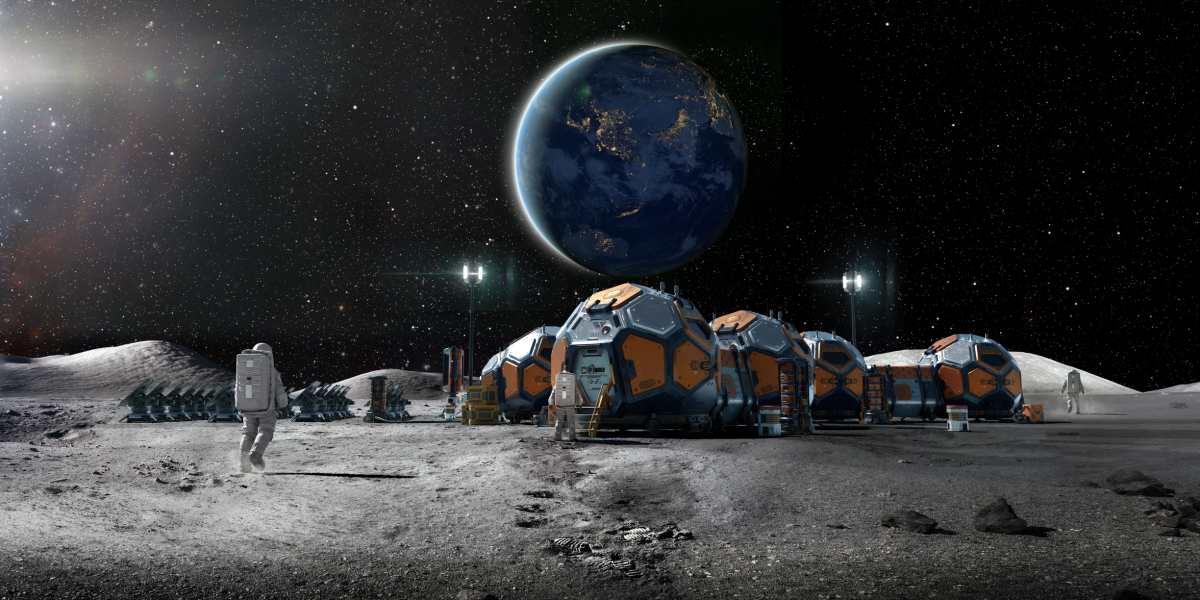
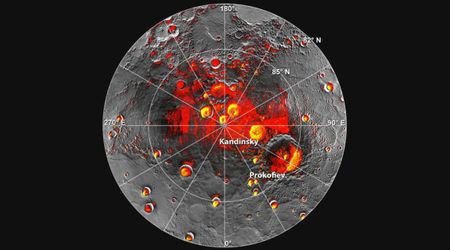
Even planets with extreme conditions like Mercury have permanently shadowed craters that preserve ice. But the question remains, does the Moon have usable water ice? The evidence so far hasn’t been solid, and the latest findings make it more uncertain. The idea that the Moon’s PSRs don’t hold abundant, relatively pure ice poses a big challenge for future crewed lunar missions. Ice is a critical resource for these missions, even in small amounts. Moreover, it would also help understand how water was first delivered to the Moon.
More on Starlust
China eyes lunar water ice as Chang’e 7 gets ready for the Moon's south pole
Scientists detect dry ice in a planetary nebula for the first time using James Webb Telescope