JAXA-NASA XRISM mission captures the clearest view of the vicinity of a rapidly-spinning black hole
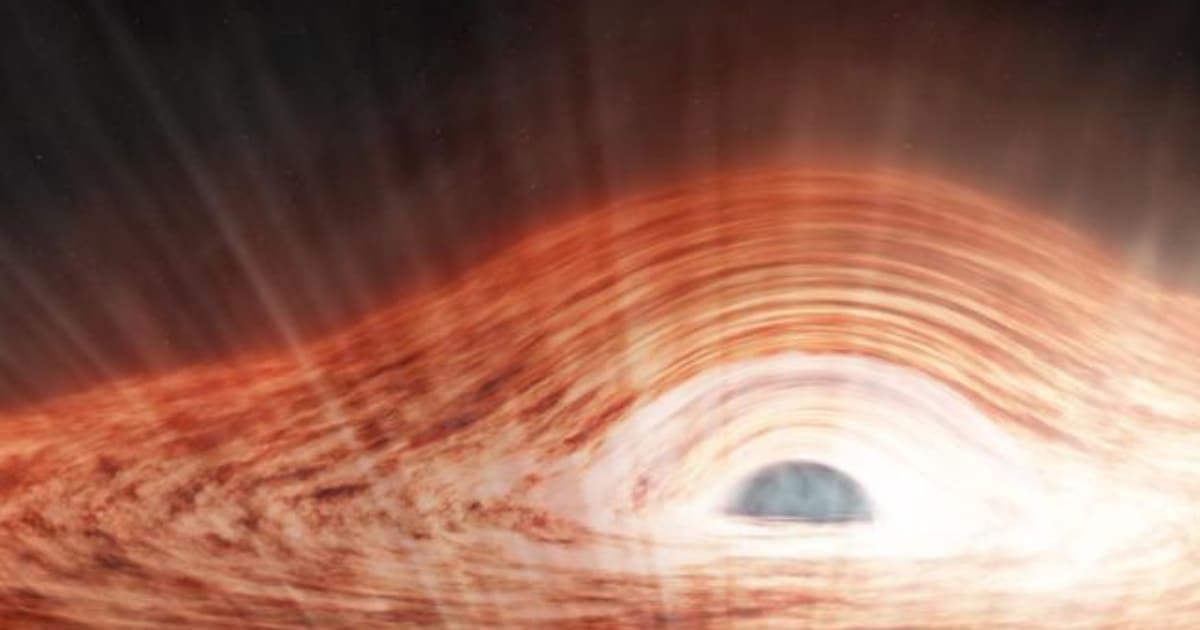
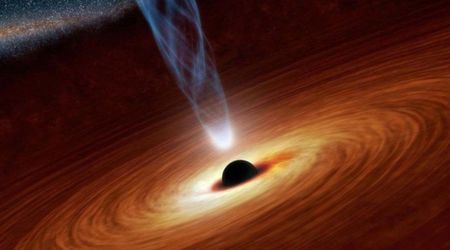
Using the XRISM mission, a group of scientists has managed to get the most precise view of the violent surroundings of a gigantic, very fast-rotating black hole. The landmark study, led by high-energy astrophysicist Laura Brenneman from the Center for Astrophysics, Harvard & Smithsonian, has opened a new era of cosmic monitoring. The study was published in the Astrophysical Journal on December 17, 2025.
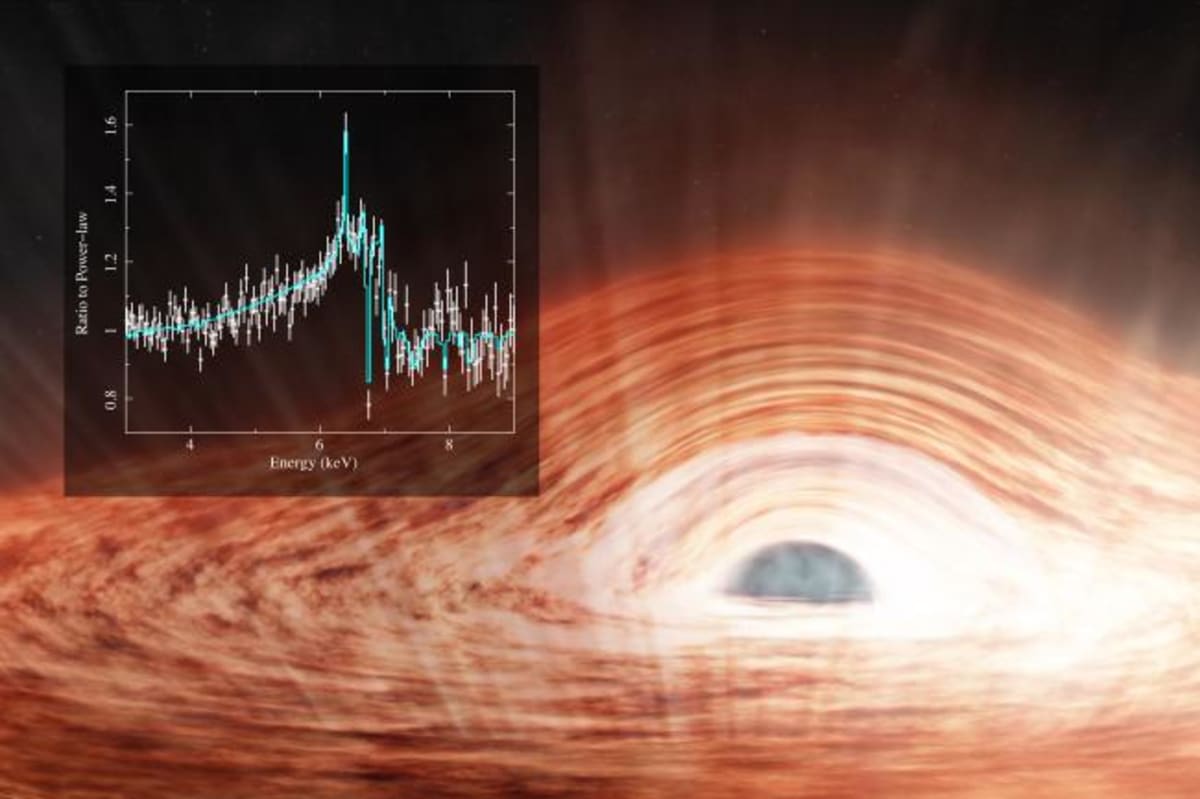
"Astrophysical black holes have only two properties: mass and spin,” explained Brenneman. "We can estimate their masses by several different means, but measuring their spins is much harder and requires collecting data from gas that is orbiting the black hole immediately outside the event horizon. For supermassive black holes in active galactic nuclei, this is best accomplished by obtaining X-ray spectra with high signal-to-noise and spectral resolution."
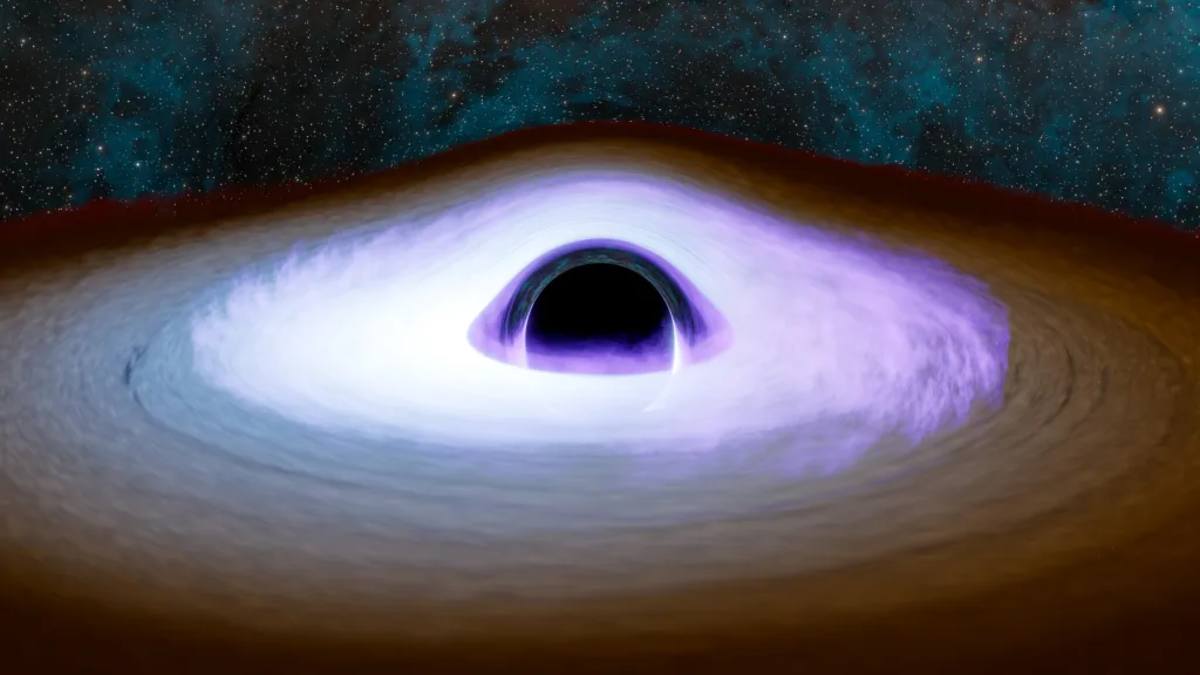
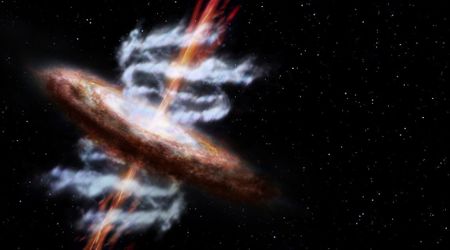
For a long time, astronomers had speculated that a large section of the X-ray signals attributed to MCG–6-30-15 originated from near its central supermassive black hole. But the theory couldn't be confirmed, as the powerful gravity near supermassive black holes causes light to warp, as Einstein had rightly theorized, thus making it difficult for astronomers to separate the light signals.
It was only after combining the results from the JAXA-NASA XRISM mission with the data obtained from the ESA's XMM-Newton and NASA's NuSTAR that the scientists were able to separate the signals originating near the event horizon and the emission and absorption lines from the more distant gas. The study confirmed that material near the event horizon is going around at extreme speeds, producing about 50 times the X-ray reflection being produced by the distant gas clouds. This was evidenced in the easily distinguishable warped iron emission lines in the X-ray spectrum.
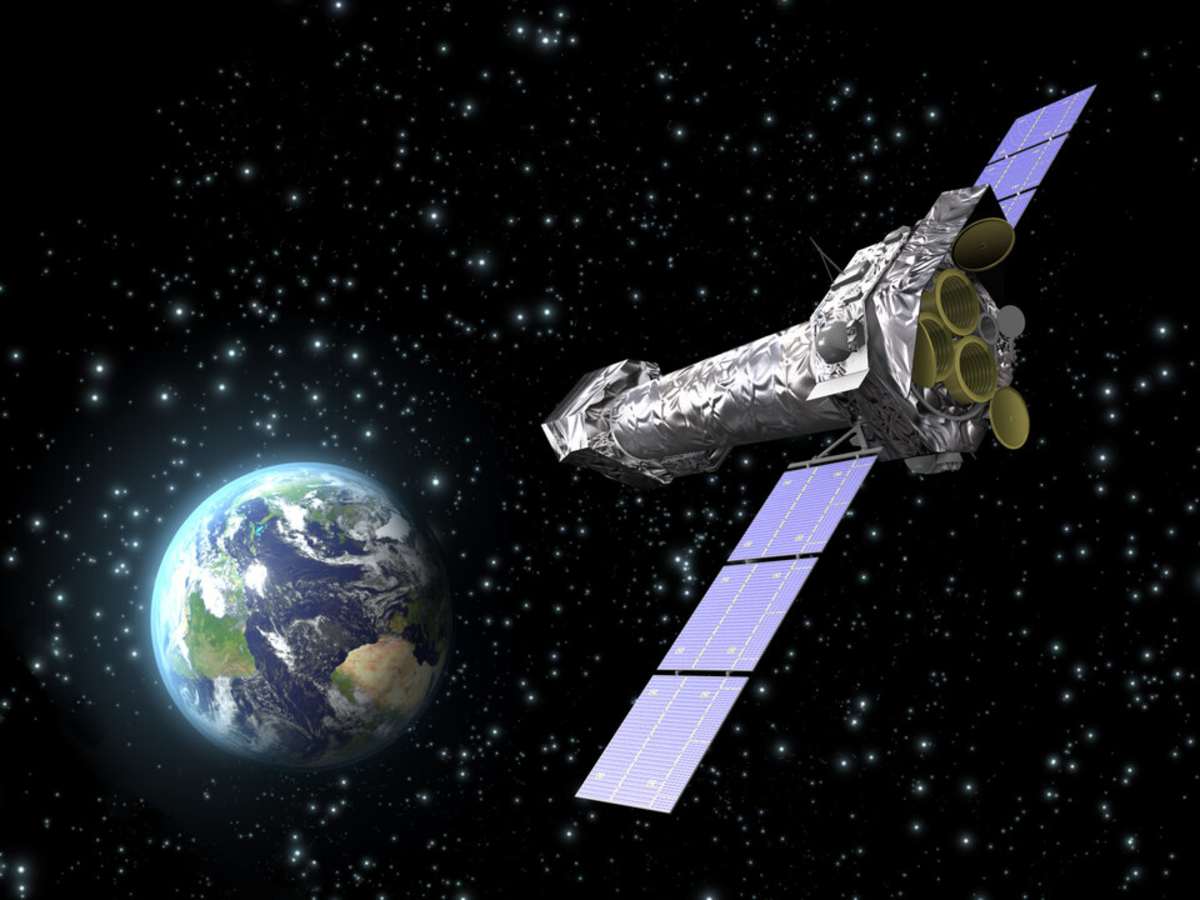
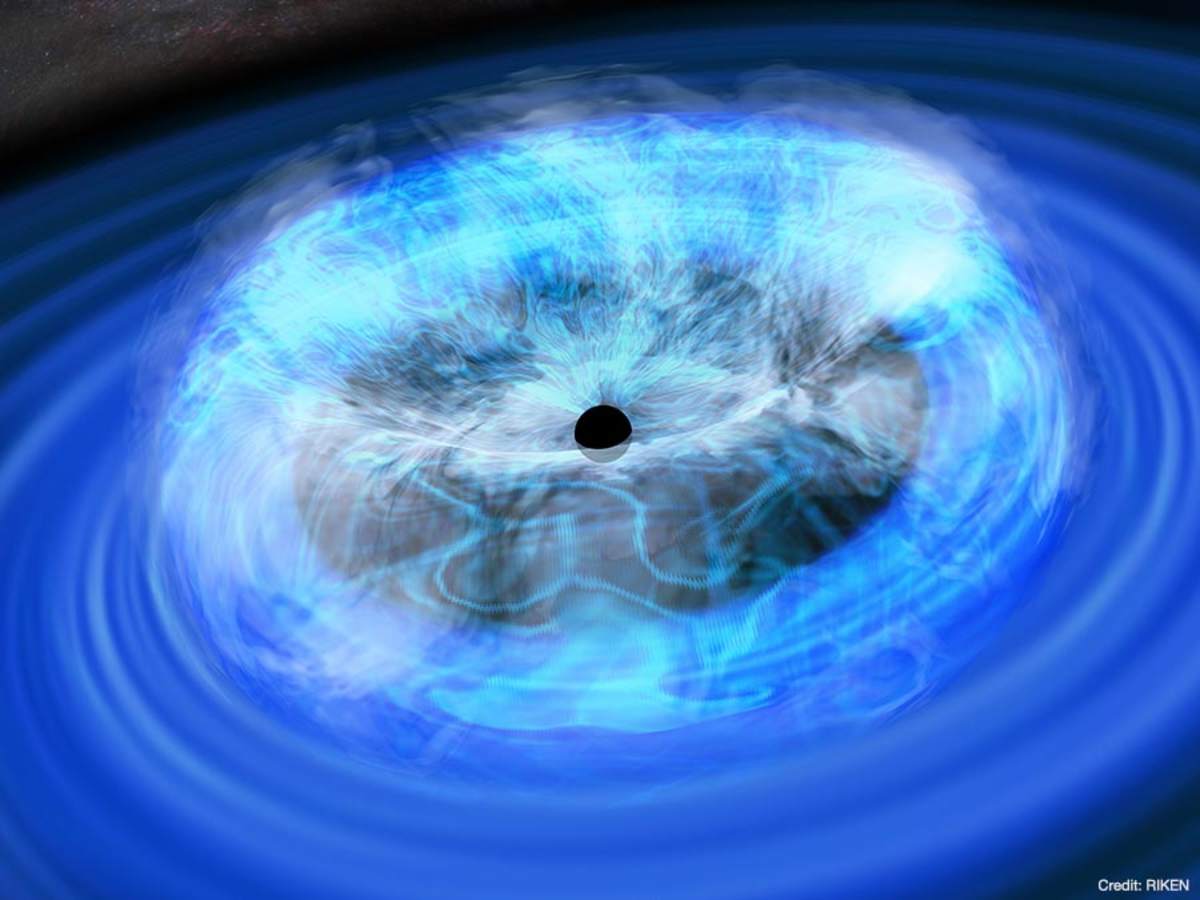
Another study led by Dan Wilkins of Ohio State University followed up on this research by studying the spectra at different times. It provided further information about the "corona," a hot region located just outside the black hole that produces very powerful X-rays, though its characteristics are still one of the biggest unanswered questions in astronomy. In addition, the observatory was able to observe a total of five separate "zones" of a wind blowing from the black hole in an outward direction. These winds play a key role in determining the cycle of the host galaxy by controlling its growth and evolution. Measuring these winds along with the spin of black holes results "in a holistic view of the symbiotic relationship between supermassive black holes and their host galaxies," per Brenneman.
Brenneman also noted that with such a clear view provided by XRISM, the measurements of black hole spins that might have been less accurate will be put through a truth test of sorts. We want to go back and look at all of the sources for which we have lower-resolution spectra and observe them with XRISM, and say, ‘Okay, now that we're confident we can separate out the narrow and the broad features, how accurate were our previous spin measurements?'" she said.