In a historic move, NASA and China held direct talks to prevent a potential satellite collision
A landmark direct communication between the China National Space Administration (CNSA) and the U.S. National Aeronautics and Space Administration (NASA) over an impending satellite collision avoidance maneuver has been held, signalling a significant shift in international space traffic management, as per Space.com.
NASA's Director for Space Sustainability Alvin Drew disclosed the unprecedented exchange at the International Astronautical Congress (IAC) in Sydney, Australia, on October 2. Drew revealed that on the preceding day, the CNSA initiated contact, proactively notifying NASA of a conjunction involving their satellites and recommending that NASA maintain its current trajectory while CNSA executed the necessary evasive maneuver.
"Just yesterday, we had a bit of a celebration because, for the first time, the Chinese National Space Agency reached out to us and said, 'We see a conjunction amongst our satellites. We recommend you hold still. We'll do the maneuver.' And that's the first time that's ever happened," Drew stated. This cooperative action stands in stark contrast to the previous protocol, where U.S. agencies typically reached out to their Chinese counterparts to advise on maneuvers to avoid collisions.
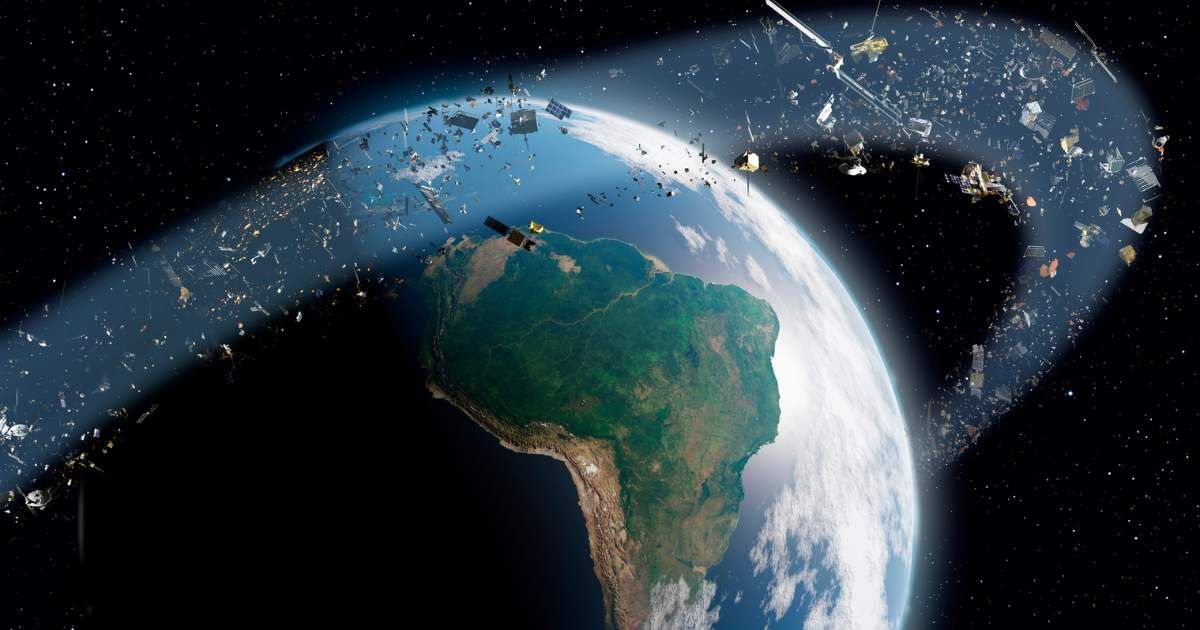
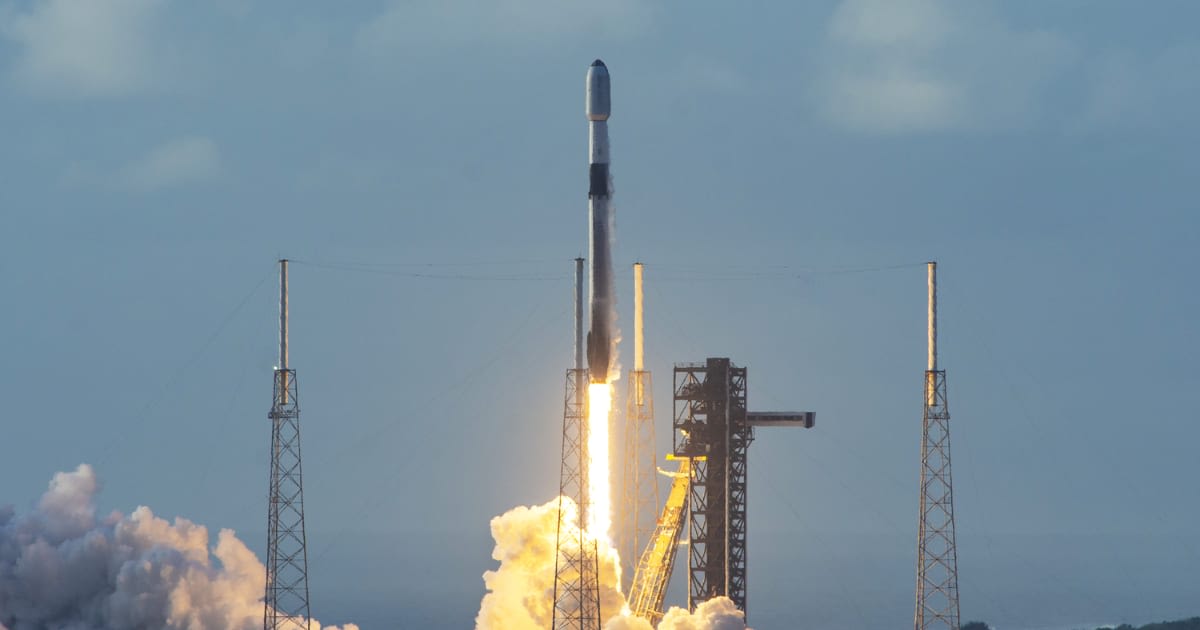
The development comes as both nations rapidly expand their satellite fleets, with China deploying its Guowang and Thousand Sails megaconstellations, paralleling the growth of U.S. systems like SpaceX's Starlink. The rising density of operational satellites underscores an increasing imperative for coordinated space operations to mitigate the risk of catastrophic collisions and the subsequent creation of hazardous space debris.
Significantly, this direct operational dialogue occurred despite the general bilateral limitations imposed by the longstanding Wolf Amendment, which restricts most direct engagement between NASA and Chinese government bodies. The CNSA's move can also be interpreted as an indicator of its maturing space situational awareness (SSA) capabilities, suggesting an ability to independently detect and propose solutions for orbital threats. This aligns with priorities outlined in China’s 2022 space white paper. Recently, the country also expressed its intentions to develop space debris removal technologies.
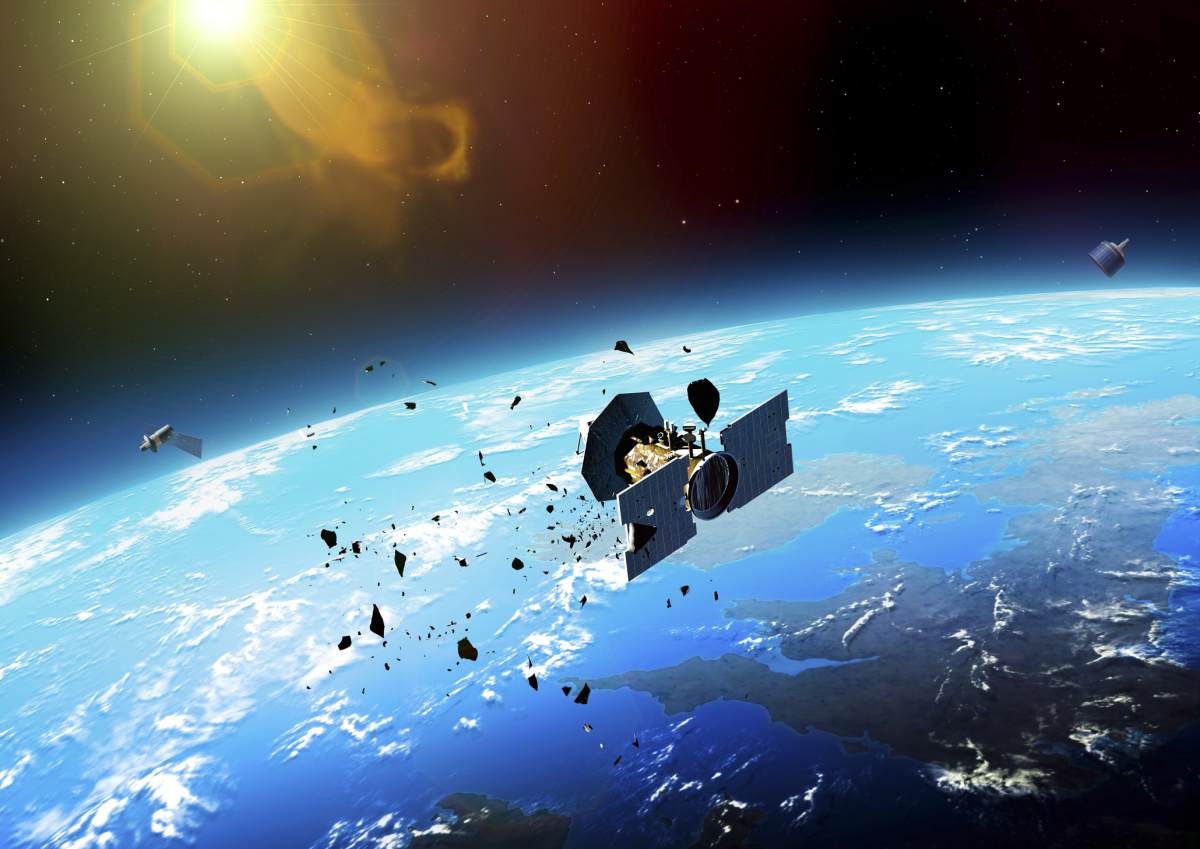
Speaking of orbital hazards, the China Manned Space Agency (CMSA) announced an immediate postponement of the Shenzhou-20 crewed return mission on Wednesday, November 5. The delay follows a suspected strike by small orbital debris, according to a statement issued via the Chinese social media platform, Weibo. The spacecraft, carrying three astronauts, may have sustained structural damage from the "tiny piece of space debris." The CMSA confirmed that a thorough impact analysis and risk assessment are now underway to fully gauge the situation before authorizing any descent.
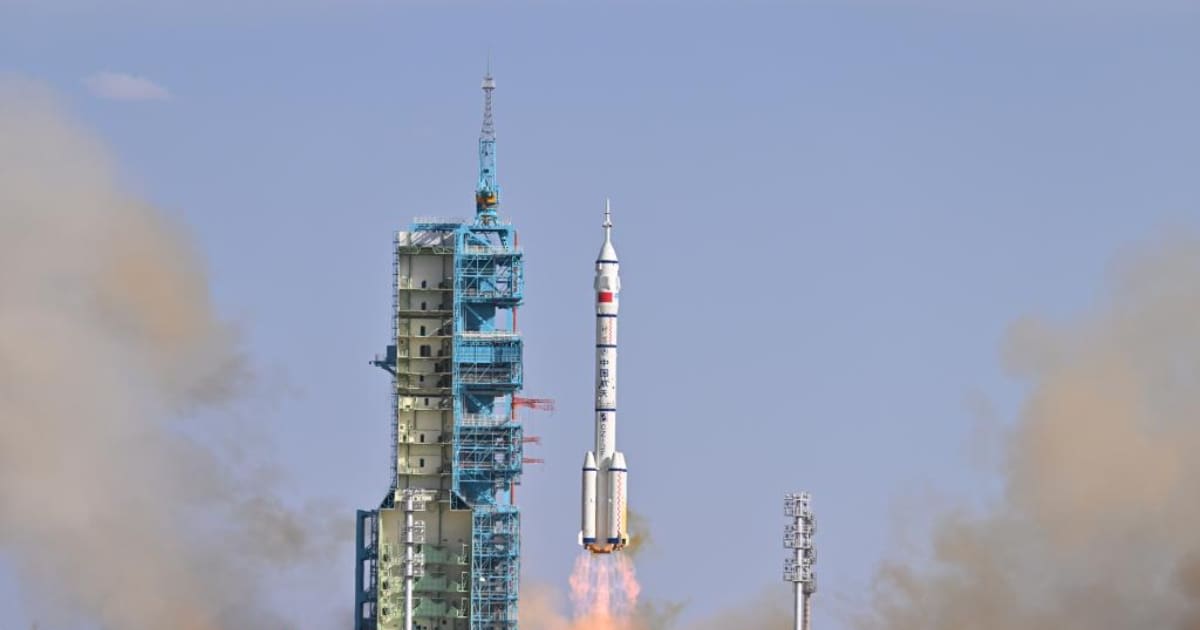
Consequently, the scheduled November 5 landing at the Dongfeng site in Inner Mongolia has been officially halted to ensure the crew's safety. As of the announcement, astronauts Chen Dong, Chen Zhongrui, and Wang Jie remain aboard the Tiangong space station, where they will now stay alongside the incoming Shenzhou-21 crew until a revised return date can be established. This incident underscores the very real and immediate threat that space debris poses to human spaceflight operations, even as agencies begin to build frameworks for cooperative collision avoidance.
More on Starlust
China plans advanced mission to hit an asteroid with spacecraft and alter its course