Hurry up! NASA is sending names around the Moon for free: Here’s how to get your 'boarding pass'
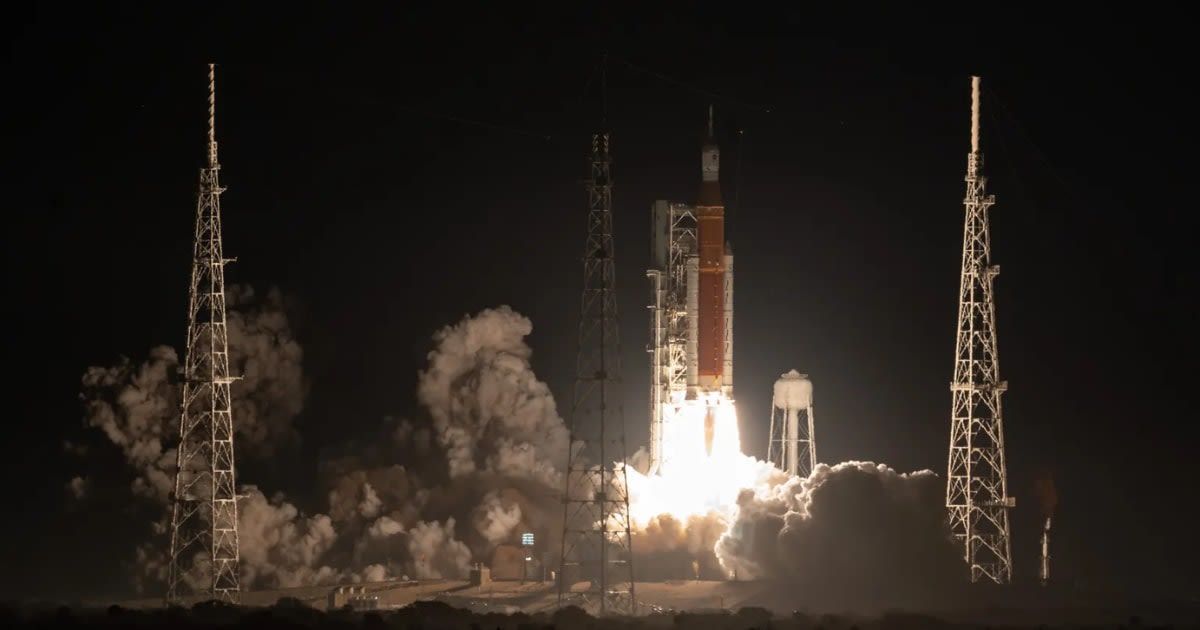
Time is running out for space enthusiasts to secure a seat on humanity’s first return to orbit around the moon in over 50 years. January 21, 2026 marks the last day of the registration window for the public to be able to send their names aboard the Artemis II mission, with its rocket and spacecraft already positioned for launch. Should you be interested, you can join over 2 million enthusiasts who decided to be a part of this campaign.
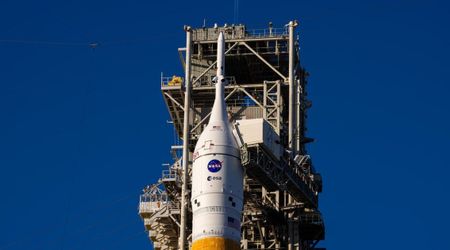
This free initiative allows everyone with internet access to add their name to an SD card that is to become part of the payload aboard the Orion spacecraft, which will also house the crew of four astronauts on their historic 10-day journey around the Moon and back.
How to Get Your Boarding Pass
The process is digital, free of cost, and takes less than a minute. Here are the steps to register yourself and download your boarding pass:
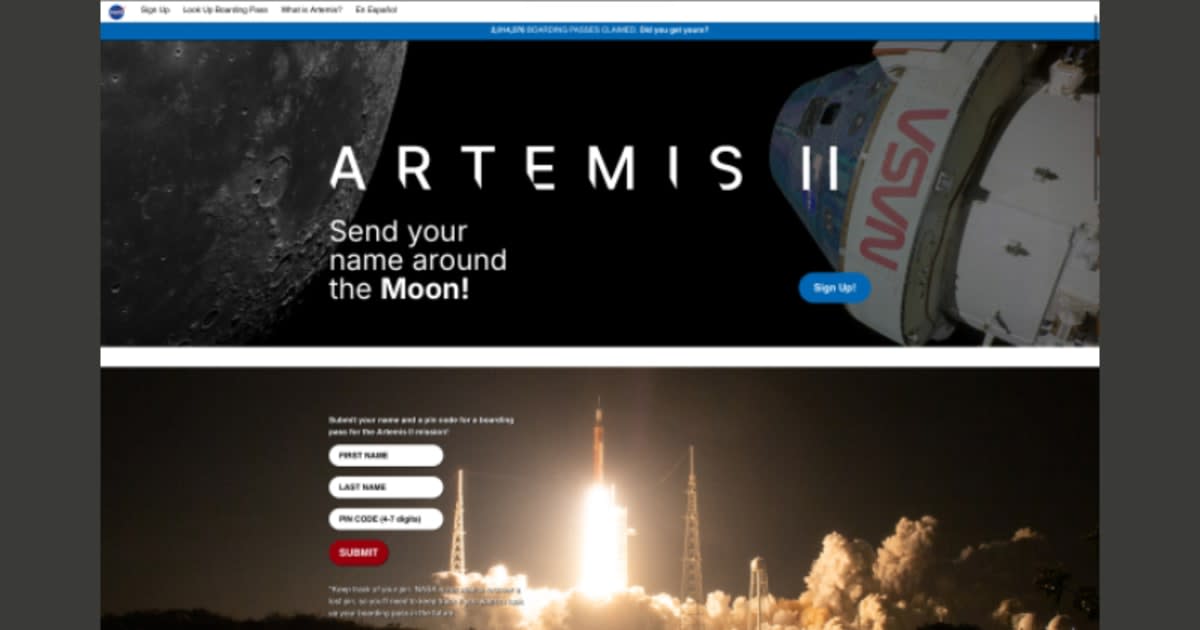
1. Visit the official NASA ‘Send your name around the Moon!’ Portal and click on the blue ‘Sign Up’ button
2. Once the page jumps to the following section, enter your details: Type in your first and last name before entering a custom 4-7 digit PIN of your choosing
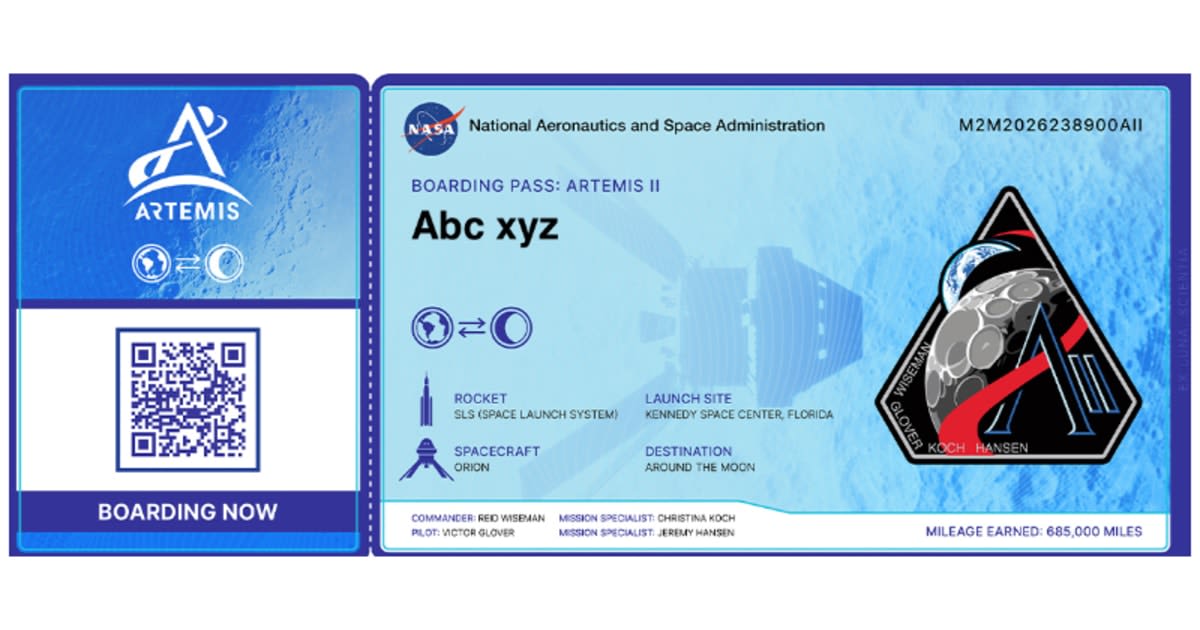
3. Click the red ‘Submit’ button to generate your boarding pass, which features your name and other details about the mission
4. Download the image as a keepsake. Note that you will need your PIN to access your boarding pass in the future, and NASA cannot recover lost PINs.
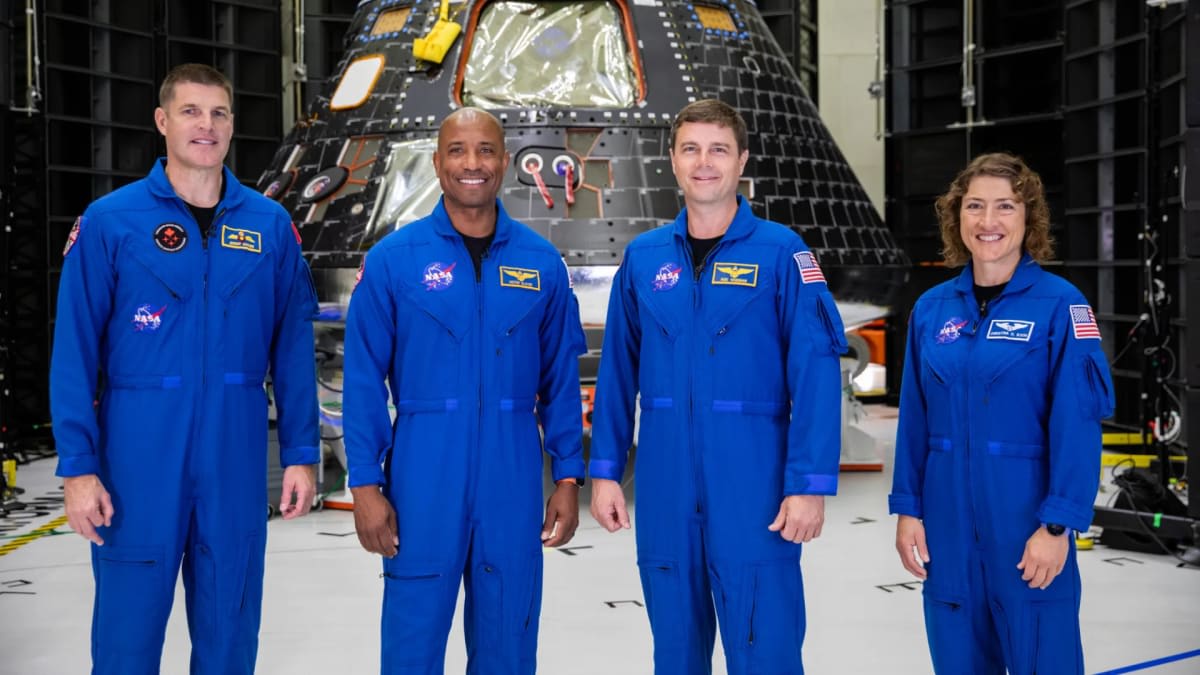
NASA has designed this campaign to make Artemis II more inclusive to the public, turning an enormously complex mission into a shared global experience people can get excited about. According to the agency, the initiative serves as a bridge between the astronauts inside Orion and the millions of people supporting them from Earth. "Artemis II is a key test flight in our effort to return humans to the Moon's surface... and it's also an opportunity to inspire people across the globe and to give them an opportunity to follow along as we lead the way in human exploration deeper into space," said Lori Glaze, the acting associate administrator for NASA's Exploration Systems Development Mission Directorate in Washington, D.C. By carrying these names, the mission emphasizes that while only four humans will physically fly—NASA astronauts Reid Wiseman, Victor Glover, and Christina Koch, along with Canadian Space Agency astronaut Jeremy Hansen—the endeavor represents all of humanity.
Launch Windows and Mission Timeline
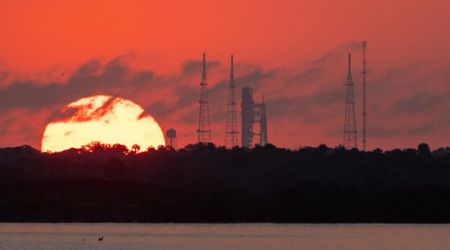
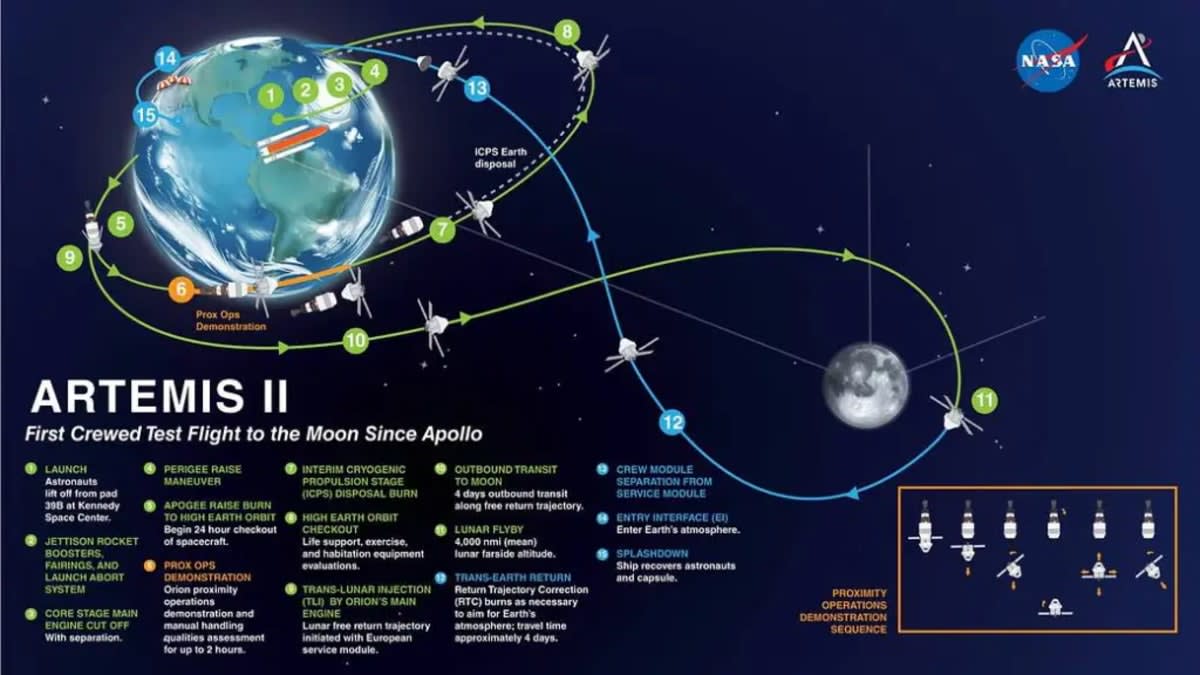
The Artemis II mission is currently targeting a launch as early as February 6, 2026. The Space Launch System (SLS) rocket and Orion spacecraft have completed their rollout to Launch Pad 39B at the Kennedy Space Center in Florida, where final "wet dress rehearsal" (fueling tests) will start by the end of this month. If technical checks for Artemis II or weather conditions prevent a liftoff on February 6, NASA has revealed backup launch windows running through April 2026. The specific timing is dictated by orbital mechanics; the launch must align perfectly to ensure the Orion capsule, which was refuelled last August, can perform its "hybrid free return trajectory"—a figure-eight path that uses the Moon's gravity to sling the spacecraft back to Earth for a safe splashdown in the Pacific Ocean without requiring major engine burns.
Your name goes here!
— NASA Artemis (@NASAArtemis) September 9, 2025
We’re collecting names to fly around the Moon. 3.4 million of you joined us for Artemis I. How many of you would like to come along with the Artemis II mission? https://t.co/vyLCuDWQtq pic.twitter.com/cFnK5KkjSt
The Future of Artemis
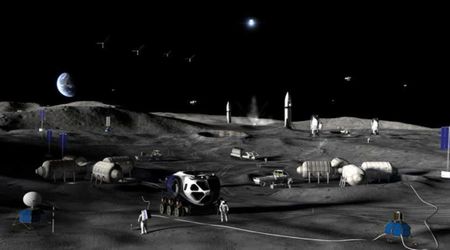
Artemis II serves as the critical crewed test flight before Artemis III, which intends to land astronauts on the lunar surface for the first time since Apollo 17. While Artemis II will not land on the Moon, it will venture nearly 4,600 miles beyond the lunar far side, taking the crew—and the millions of names onboard—further from Earth than any human has ever traveled. With over 2 million boarding passes already been claimed, only a day remains before the window closes on January 21. The flash drive will then be finalized and loaded onto the Orion spacecraft, sealing the manifest for this historic flight.
More on Starlust
NASA's Artemis campaign taps Firefly for $176 million mission to advance lunar exploration
Saudi Space Agency's CubeSat to be launched aboard NASA's Artemis II test flight