Clumps of apparently 'collisionless' dark matter may explain certain cosmic puzzles
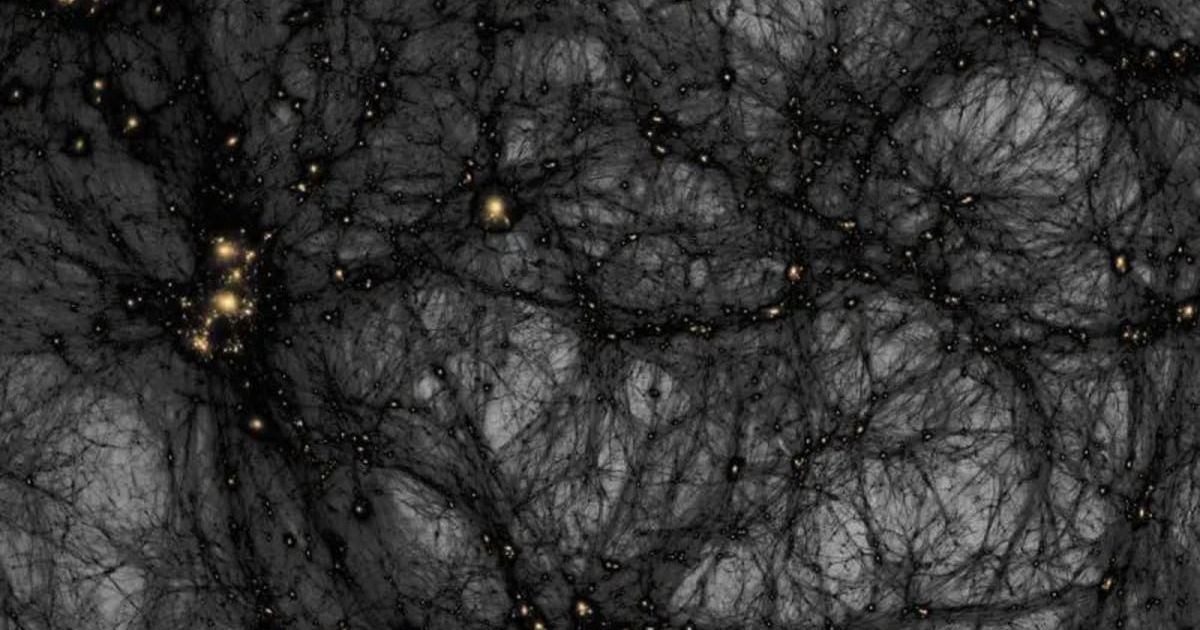
Dark matter makes up 85% of the universe’s matter. But dark matter particles are cold and collisionless, meaning they don't interact with each other. Now, a new study, published in Physical Review Letters, proposes that the universe is possibly filled with dense clumps of self-interacting dark matter. Such clumps of dark matter—each about a million times the mass of the Sun—can explain unusual gravitational effects encountered in gravitational lenses, stellar streams, and satellite galaxies. The standard model describes that the inert nature of dark matter particles allows them to pass through each other unscathed. This model, however, finds it hard to explain certain high-density structures in the universe based on that assumption. In the new study, physicist Hai-Bo Yu at the University of California (UC) Riverside propounds a new type of dark matter that could address three astrophysical puzzles across different environments.
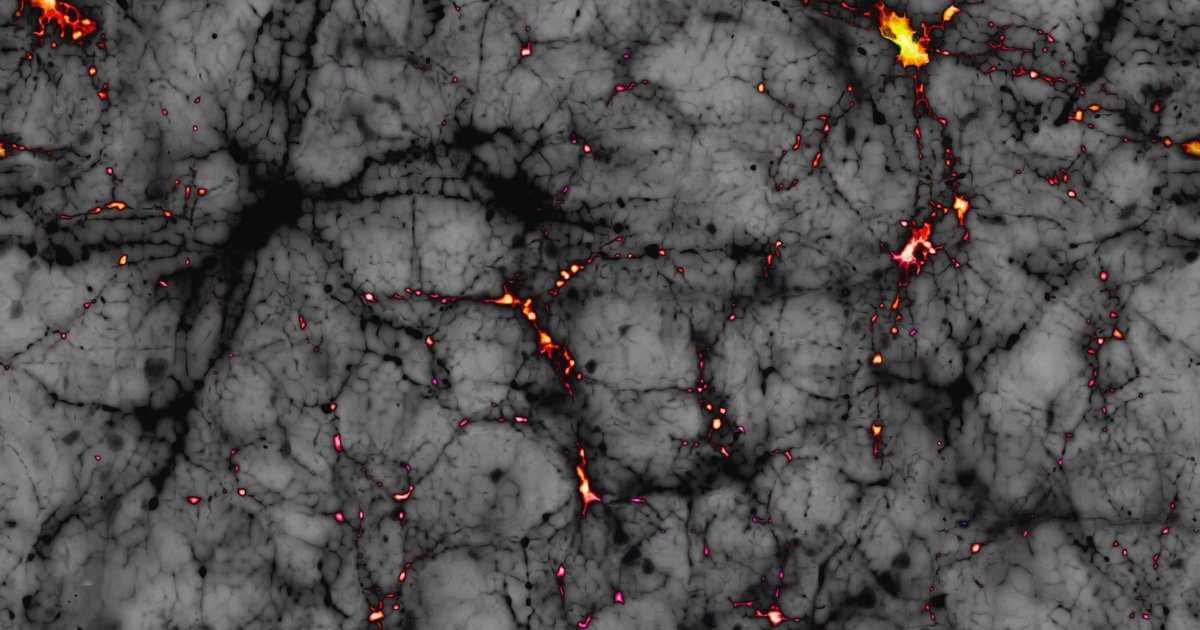
Yu’s work focuses on self-interacting dark matter (SIDM). Such dark matter particles collide with each other and exchange energy, leading to “gravothermal collapse,” which forms extremely dense, compact cores. “The difference is like a crowd of people who ignore each other versus one where everyone is constantly bumping into one another,” said Yu, a professor of physics and astronomy and deputy director of the Center for Experimental Cosmology and Instrumentation, to explain dark matter particles in the standard model and SIDM in a statement. “In SIDM, these interactions can dramatically reshape the internal structure of dark matter halos. Dark matter that interacts with itself can become dense enough to explain these observations.”
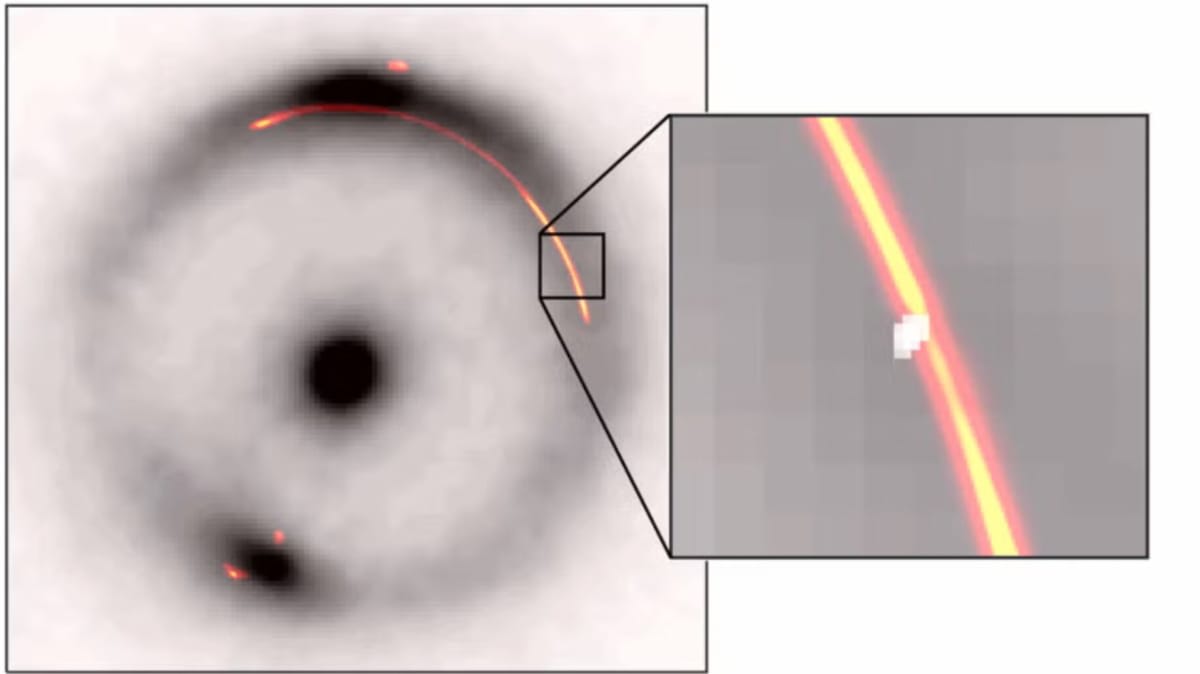
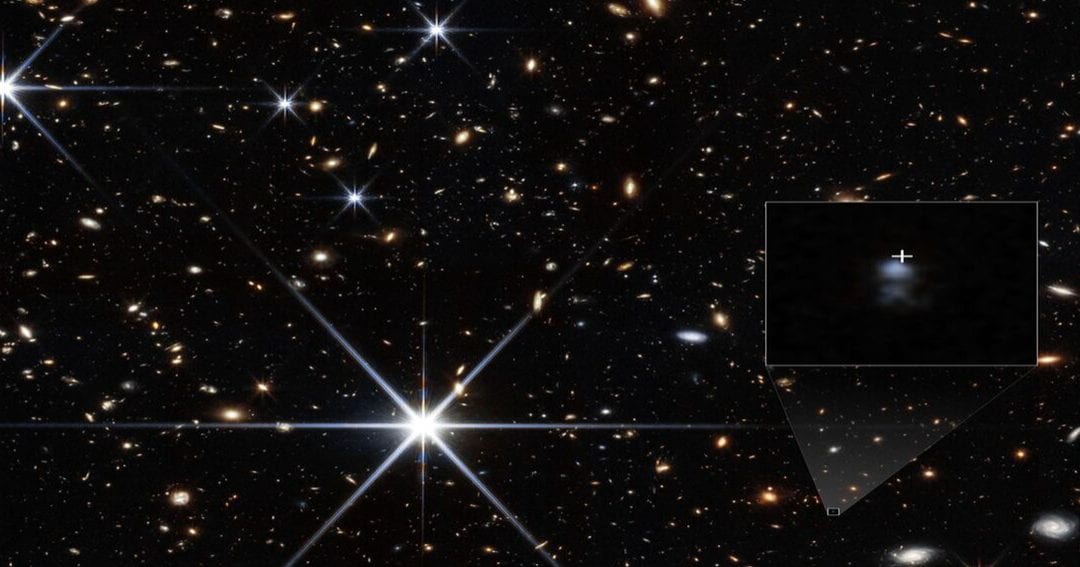
As for the three puzzles that Yu's SIDM model can explain, the first one is related to the activity of an ultra-dense object in the gravitational lens system JAVS B1938+666 that came to the fore through a powerful magnifying effect on distant galaxies. Then, sometimes, dark matter clumps can leave their imprint on a cluster of passing stars, acting like an invisible gravitational trap, sweeping them up and locking them into a tight, compact cluster. This was exactly what happened with the unusual star cluster Fornax 6 in Fornax, a satellite galaxy of the Milky Way.
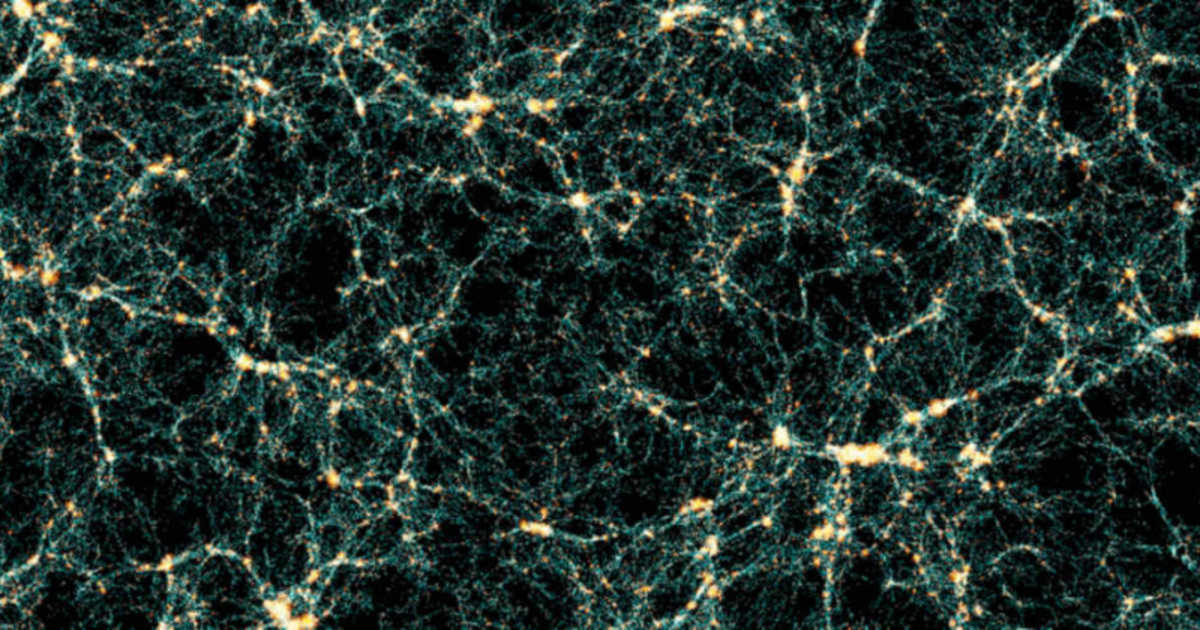
Yu also analyzed a striking spur-and-gap feature in the GD-1 stellar stream. It looks like a visible scar, as if an unseen, compact object tore through the stream. “What’s striking is that the same mechanism works in three completely different settings — across the distant universe, within our galaxy, and in a neighboring satellite galaxy,” Yu said. “All show densities that are difficult to reconcile with standard model dark matter but arise naturally in SIDM.”
More on Starlust
Dark matter may not be just one state—new study proposes two versions
Astronomers identify another galaxy missing dark matter, supporting collision theory