Astrophotographer catches the International Space Station in lunar transit
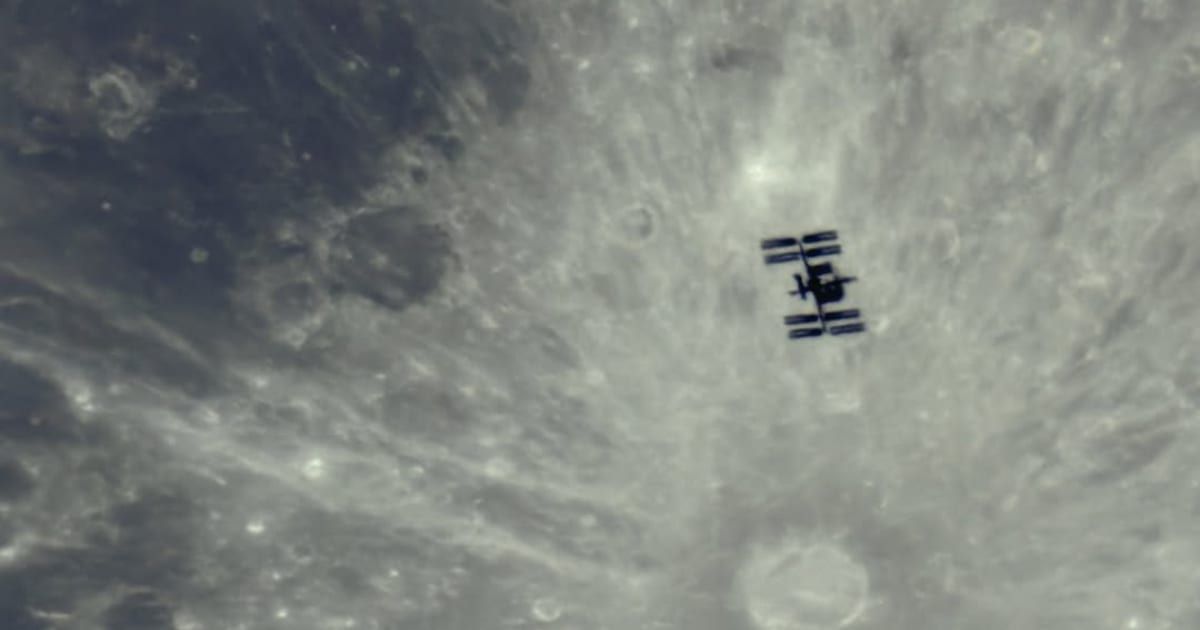
A stunning new image taken by astrophotographer Charline Giroud serves as a poignant reminder that the International Space Station's time in orbit is slowly coming to a close. On January 3, Giroud used dedicated tracking software to record the station's distinctive silhouette as it streaked across the face of the Moon's Tycho Crater. The image was captured from Enstone in the UK at 23:57 UTC.
While for now it remains a fixture of the night sky, NASA has made it clear that the massive laboratory is slated for a controlled deorbit in early 2031. While the space station has been enhanced multiple times over a period of more than a decade, its core structure, which is responsible for cooling, electric power, and communications, among other things, were designed for a 30-year lifespan in low-Earth orbit, according to NASA.
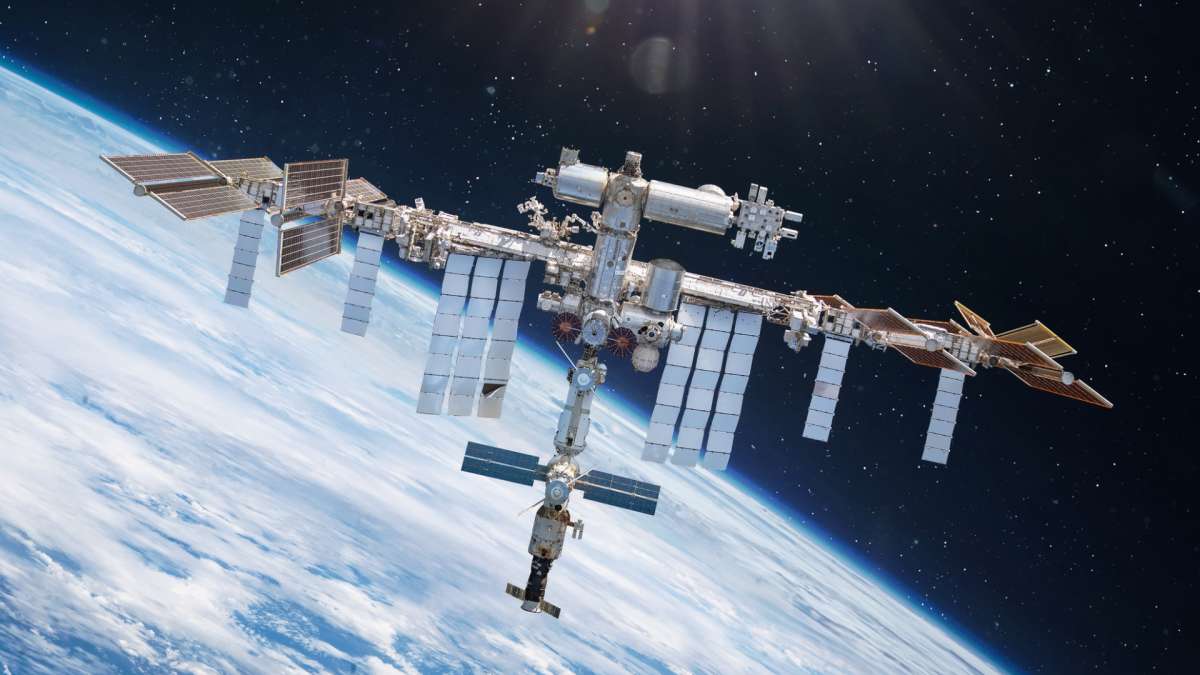
Even as its retirement looms, the station remains as active as ever. Another recent image captured by Giroud and posted on her Instagram showed a Northrop Grumman Cygnus cargo ship being repositioned by the station’s robotic arm to sit alongside a Japanese HTV-X1 craft. This complex game of orbital musical chairs was necessary to make room for the Soyuz MS-28 crew ship, which arrived in late November. The Cygnus spacecraft was moved back to its port on the Unity module on December 1, which meant that all eight ports of the laboratory were occupied.
To document these developments, Giroud uses a sophisticated setup of a C11 telescope, high-frame-rate cameras, and SkyTrack. According to Zwoastro, over the past five years, she has turned her heavily light-polluted and obstructed backyard into a personal observatory dedicated to tracking the ISS. Since her home lies directly beneath the daily flight path of the space station, the brilliant laboratory has become her main subject. For enthusiasts and scientists alike, these busy final years are crucial before the station makes its final descent.
Deorbiting the International Space Station will require a lot of propellant. Hence, the Earth's atmospheric drag will be used as much as possible to lower the station before the final re-entry maneuver is initiated. The station will undergo immense heating as it makes its way through the atmosphere. Sections of it will burn up, while the parts that remain will crash into Point Nemo, a particularly isolated region in the Pacific Ocean located about 1,670 miles from the nearest coastline.
As for the deorbit vehicle that will be responsible for ensuring avoidance of risk to populated areas, NASA announced that SpaceX has been selected to develop and deliver it. “Selecting a U.S. Deorbit Vehicle for the International Space Station will help NASA and its international partners ensure a safe and responsible transition in low Earth orbit at the end of station operations. This decision also supports NASA’s plans for future commercial destinations and allows for the continued use of space near Earth,” said Ken Bowersox, associate administrator for Space Operations Mission Directorate at NASA Headquarters in Washington. “The orbital laboratory remains a blueprint for science, exploration, and partnerships in space for the benefit of all.”
More on Starlust
10 jaw-dropping images captured from the International Space Station in 2025
How to spot the International Space Station with the naked eye before it deorbits in 2030