Astronomers stunned as black hole eruption brighter than 10 trillion Suns sets new cosmic record
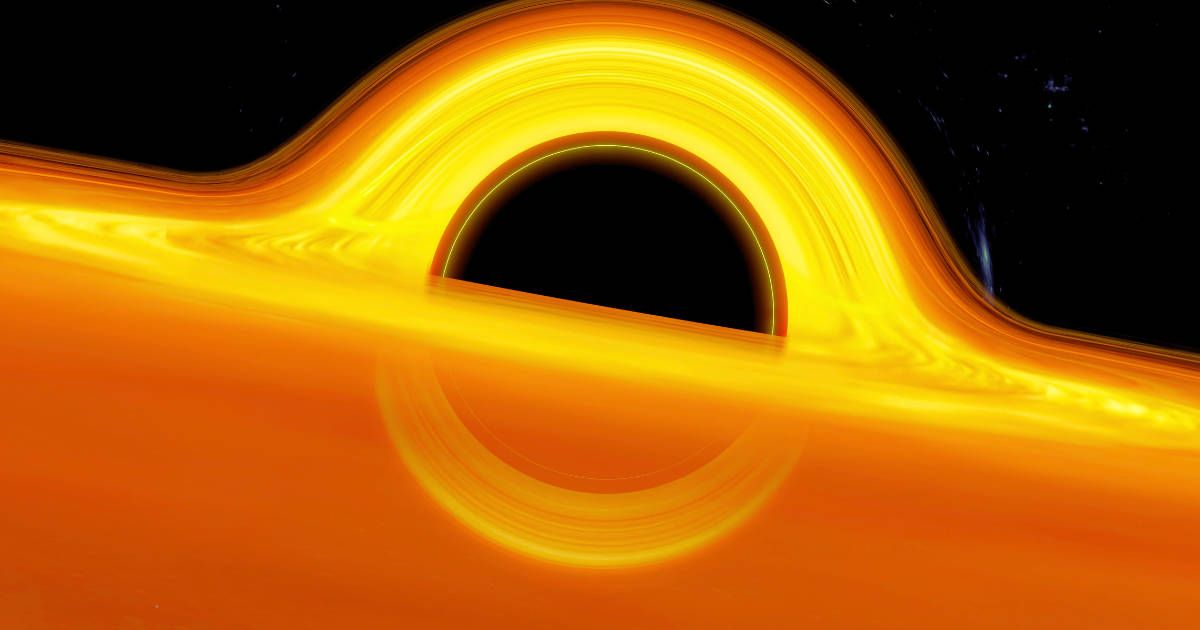
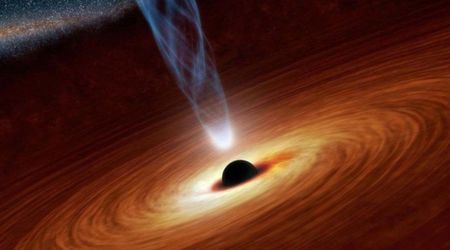
A distant, supermassive black hole has violently consumed a colossal star, generating an energy flare so immense and powerful that it has eclipsed all known black hole outbursts ever recorded, according to Caltech.
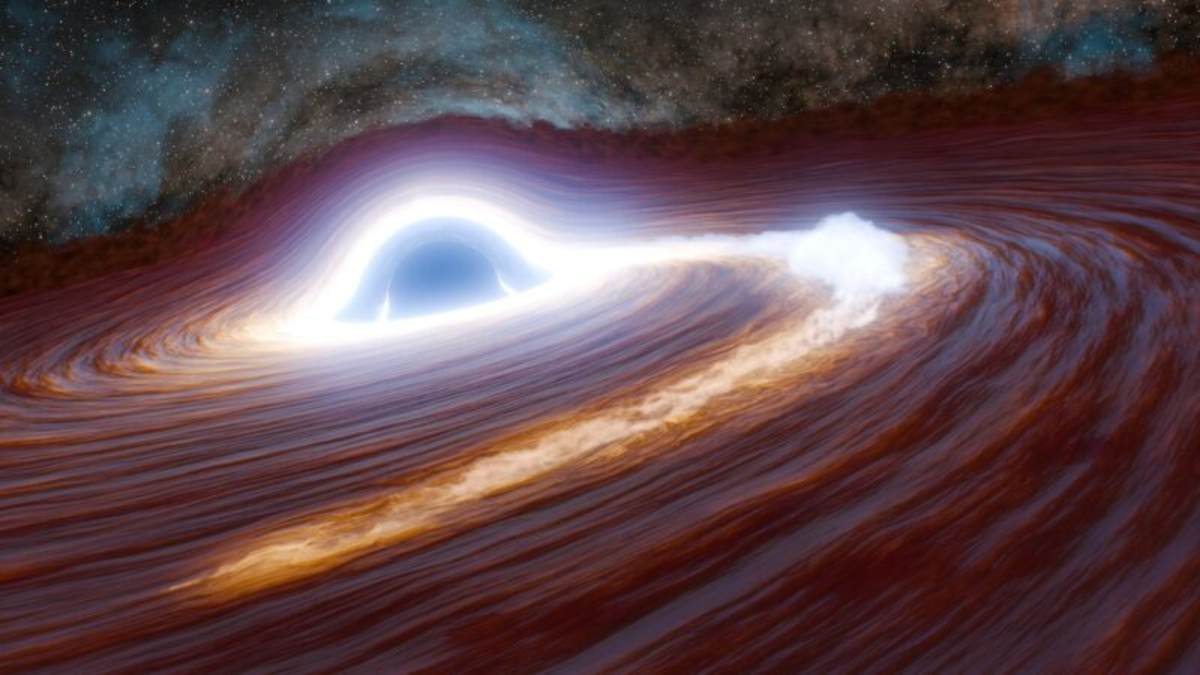
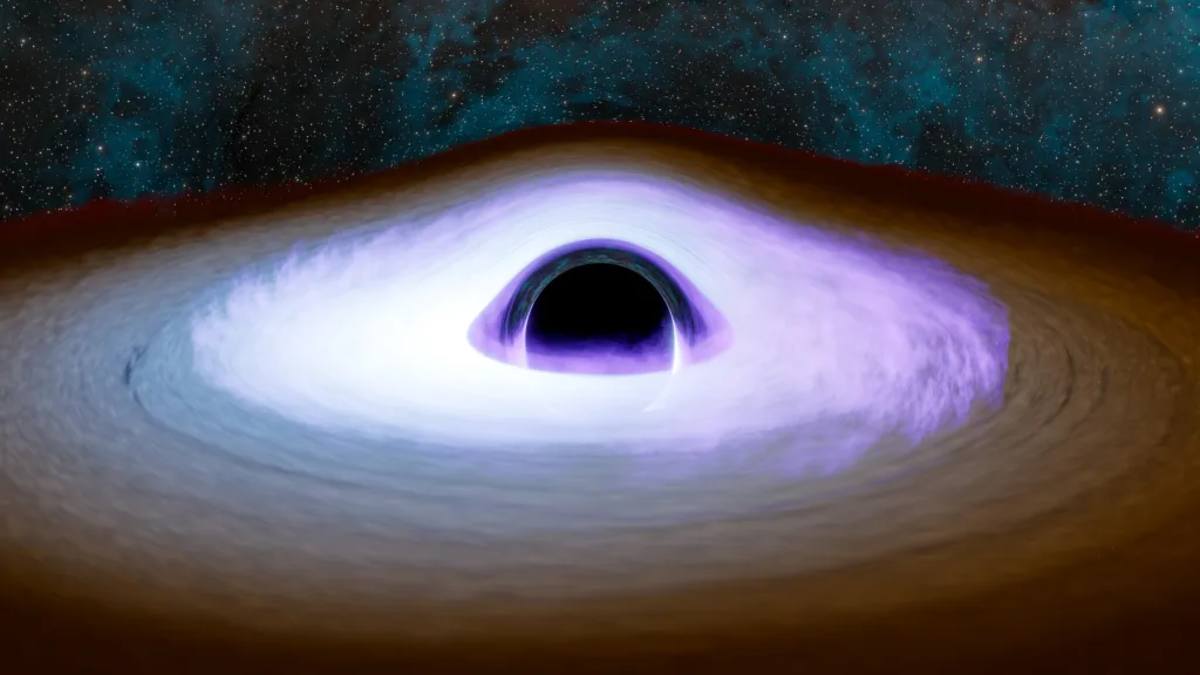
The unprecedented event, captured by astronomers using instruments including the NSF-funded Zwicky Transient Facility (ZTF), involves an active galactic nucleus (AGN) designated J2245+3743, a 'feeding' black hole estimated to be 500 million times the mass of our Sun. Residing 10 billion light-years away, the light reaching us now is a glimpse into the universe's past, when it was still young.
First detected in 2018, the flare exhibited a rapid and staggering surge in brightness, multiplying its luminosity by a factor of 40 over several months. At its peak, the phenomenal output was 30 times brighter than any prior black hole flare documented, shining with the combined brilliance of 10 trillion Suns. "The energetics show this object is very far away and very bright," noted study lead author Matthew Graham of Caltech, emphasizing that this phenomenon is unlike any previously observed AGN.
Researchers detailed the findings in a recent Nature Astronomy report, concluding that the most probable cause is a Tidal Disruption Event (TDE). This catastrophic scenario occurs when a star, in a deadly cosmic misstep, wanders too close to a black hole and is torn apart by overwhelming gravitational forces, its matter slowly being accreted. This particular TDE is truly a monumental meal. Scientists estimate the black hole shredded a star with a mass at least 30 times greater than our own Sun. For comparison, the previous record-holding TDE candidate was thirty times weaker. The ongoing, slow decay of the flare suggests the star is still in the process of being consumed, "a star only halfway devoured," according to Graham.
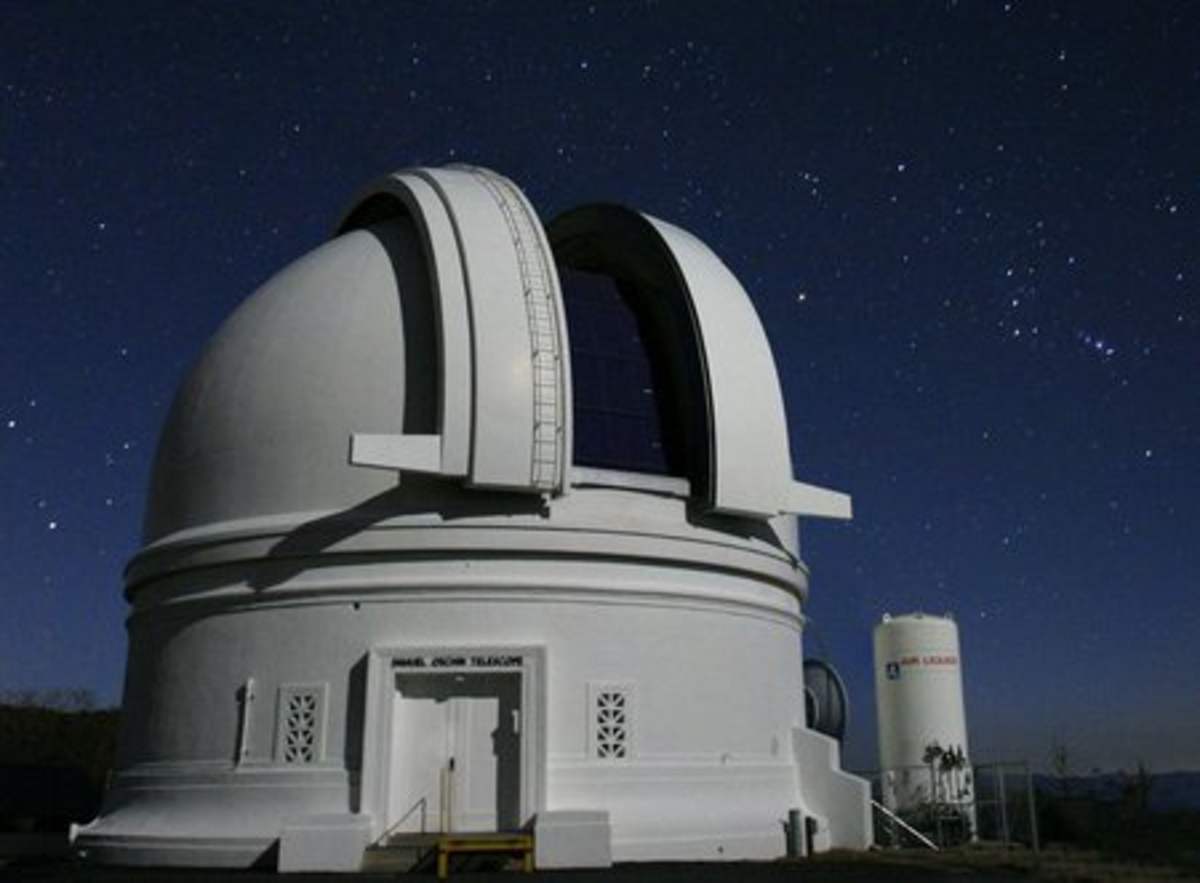
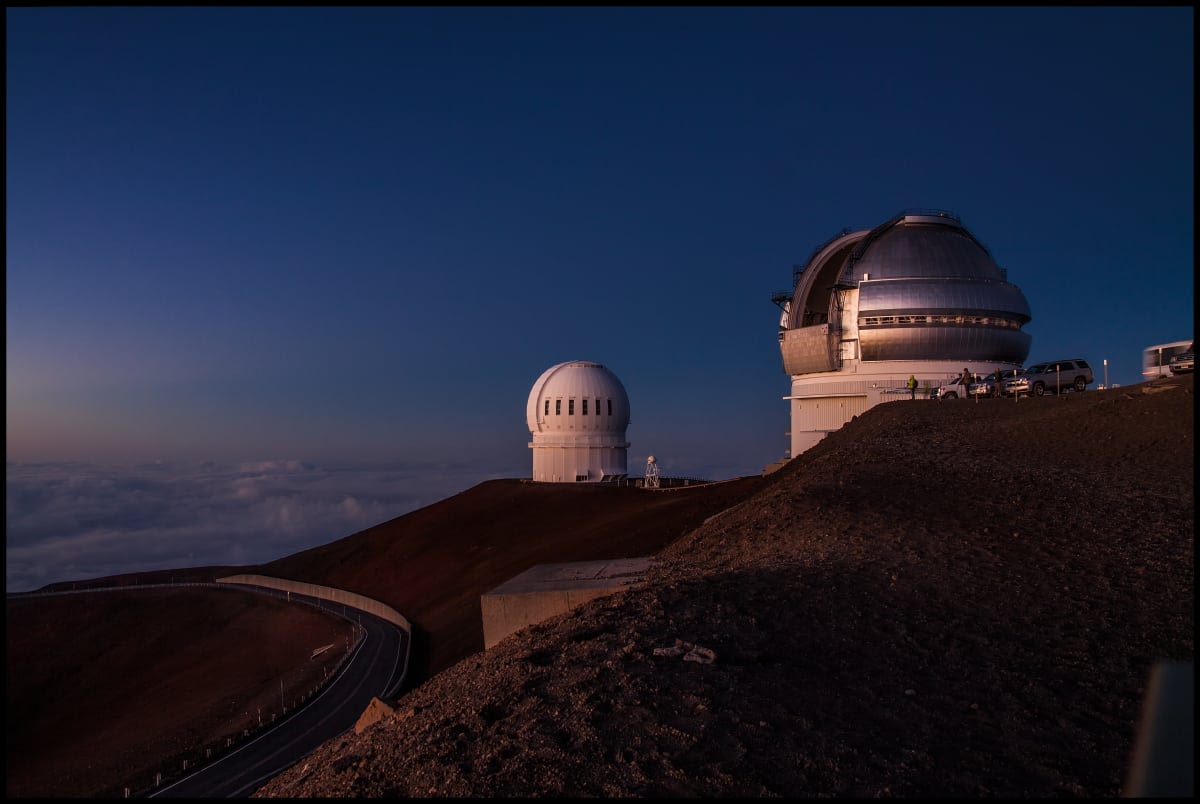
While AGN activity typically obscures the more subtle bursts of TDEs, the sheer magnitude of the J2245+3743 flare made it observable. Initially, follow-up observations using the Palomar Observatory did not reveal its singularity. However, a slowing decay rate spurred a 2023 spectrum analysis from the W. M. Keck Observatory, confirming the extreme brightness of the object. Co-author K. E. Saavik Ford stated that the total energy emitted since observation began is equivalent to the complete conversion of our entire Sun's mass into energy, in accordance with Einstein's formula E=mc2. This scale ruled out other explanations, like supernovae, as mentioned by the outlet.
Ongoing monitoring of J2245+3743 continues to provide invaluable data, with its remote nature offering a unique perspective: due to cosmological time dilation, "seven years here is two years there," Graham explained, allowing astronomers to essentially watch the event play out at a quarter of its true speed. This incredible find highlights the crucial role of long-running surveys like ZTF in uncovering the universe's most rare and powerful transients. Confirming this as the brightest flare of its kind provides astronomers with a vital new benchmark. This record-shattering observation will refine our models of black hole growth and accretion, pushing the very boundaries of what is known about stellar collapse and cosmic power.
More on Starlust
Webb Telescope illuminates hidden black holes feasting on stars in dusty cosmic corners
NASA telescope spots roaming giant black hole that's eating stars: 'Space Jaws'