Asteroid 2024 YR4 could still hit the Moon with a four percent impact risk
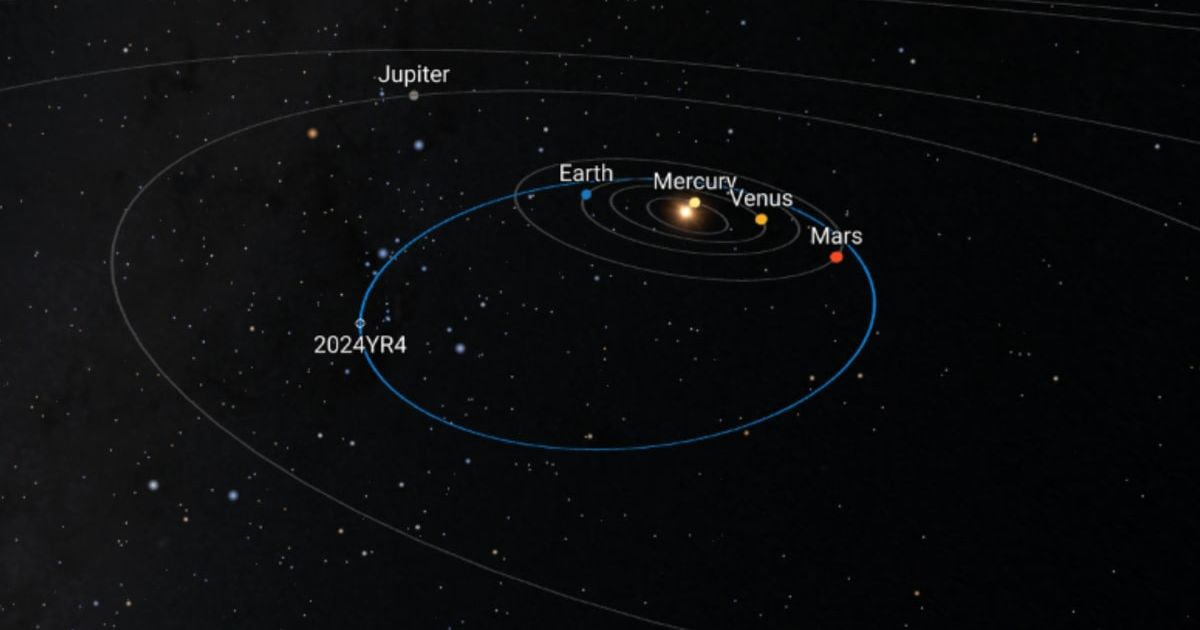
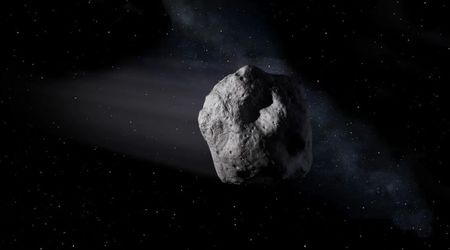
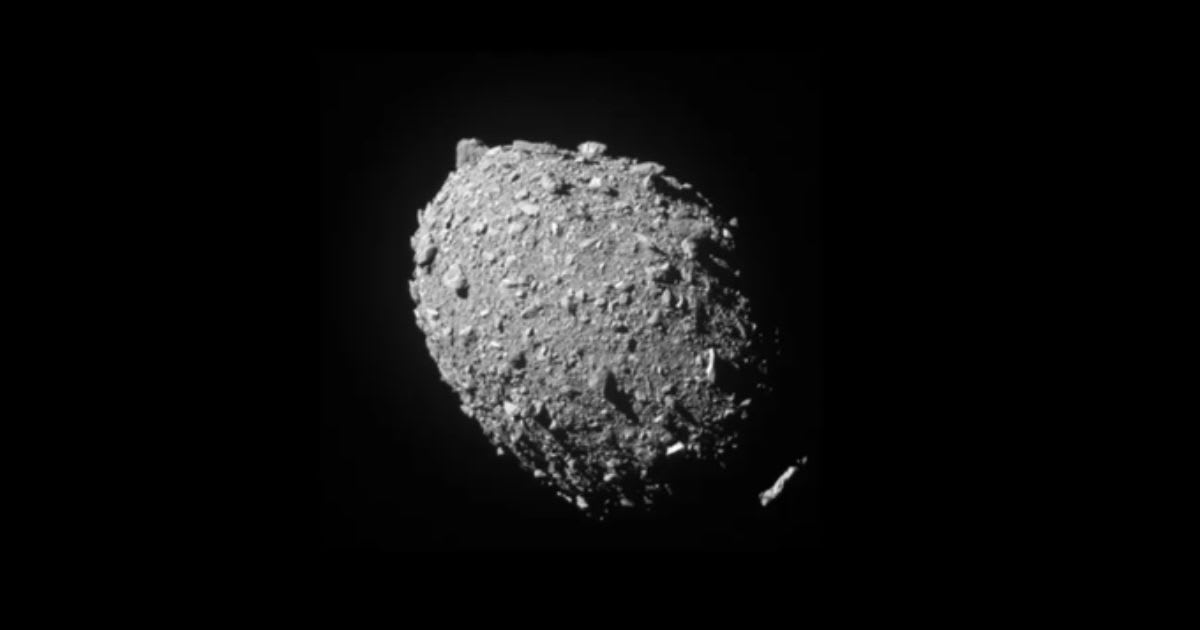
Asteroid 2024 YR4 was predicted to have a 3% chance of hitting the Earth and adversely impacting it in 2032. A current report by the European Space Agency indicates that the asteroid has shifted in its trajectory. A telescopic view has predicted that instead of hitting the Earth, the asteroid is now headed towards the moon. It has a 4% chance of hitting the moon by December 22, 2032. Even though the chances seem negligible, scientists are studying the asteroid to understand how to better adapt in the face of adversity.
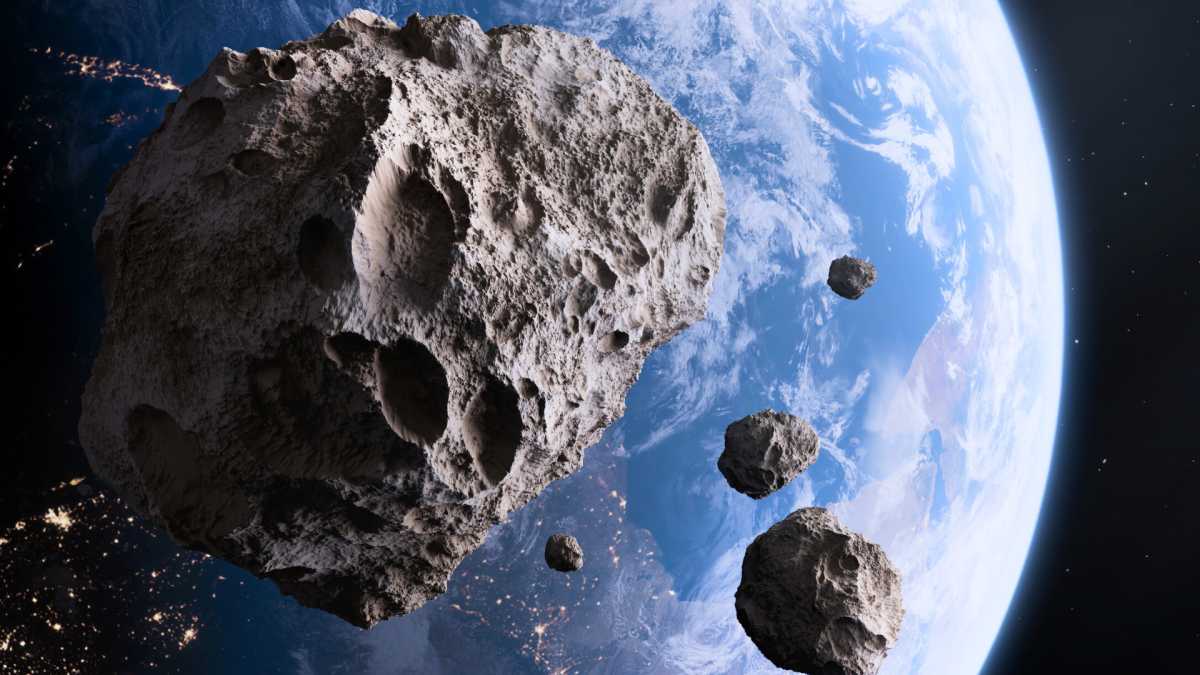
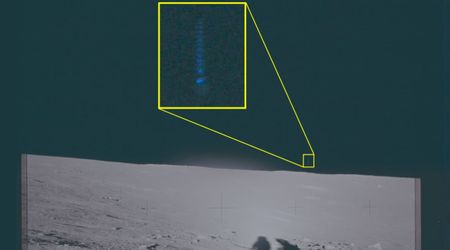
The impact could cause massive risks to satellites and cause huge meteors to rain down on Earth. However, the collision might have a positive impact as it could present a unique opportunity to study the geology, seismology, and chemical makeup of our Moon. As per Universe Today, the scientific studies that could arise from this collision are being explored by Yifan He of Tsinghua University in this arXiv preprint study. The collision will be six times more powerful in magnitude than the last lunar impact in 2013, caused by a much smaller meteoroid.
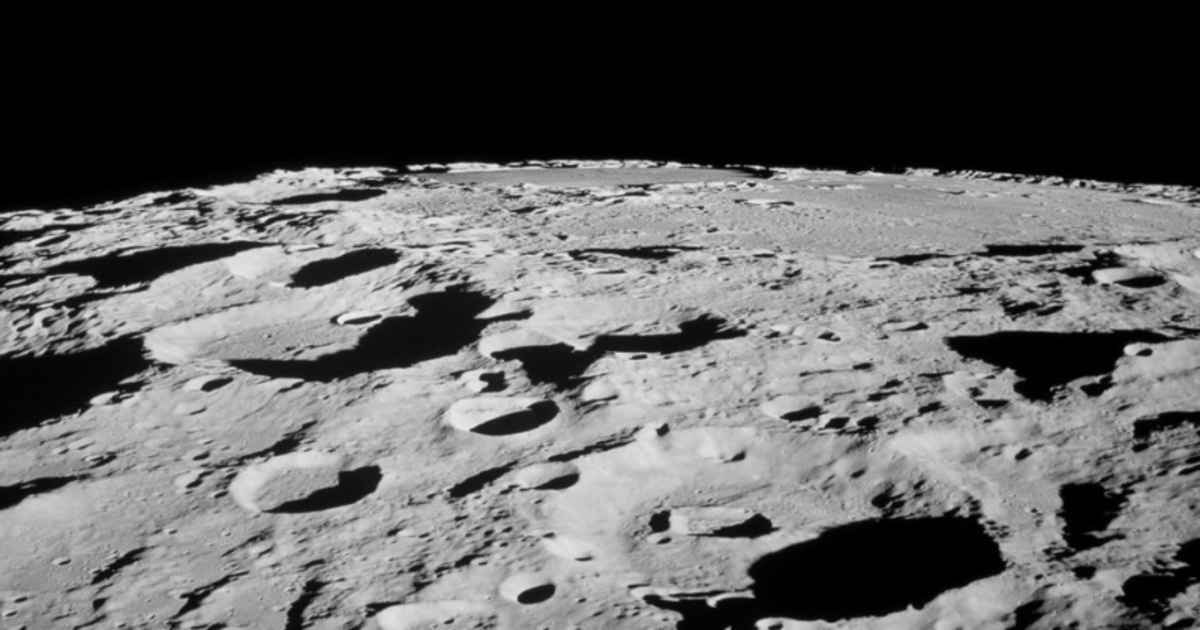
Physicists studying high-energy impacts can simulate models of how the event will take place, but real-time monitoring will be rare. This will provide experts with data they never collected before, as the impact will vaporize rock and plasma, which will be seen from the Pacific region. Theories propose that the melt pool from the impacted material will be cooling for even days after the collision. This can be picked up by infrared observers like the James Webb Space Telescope, identifying how the cooling process works and the reality of how craters formed.
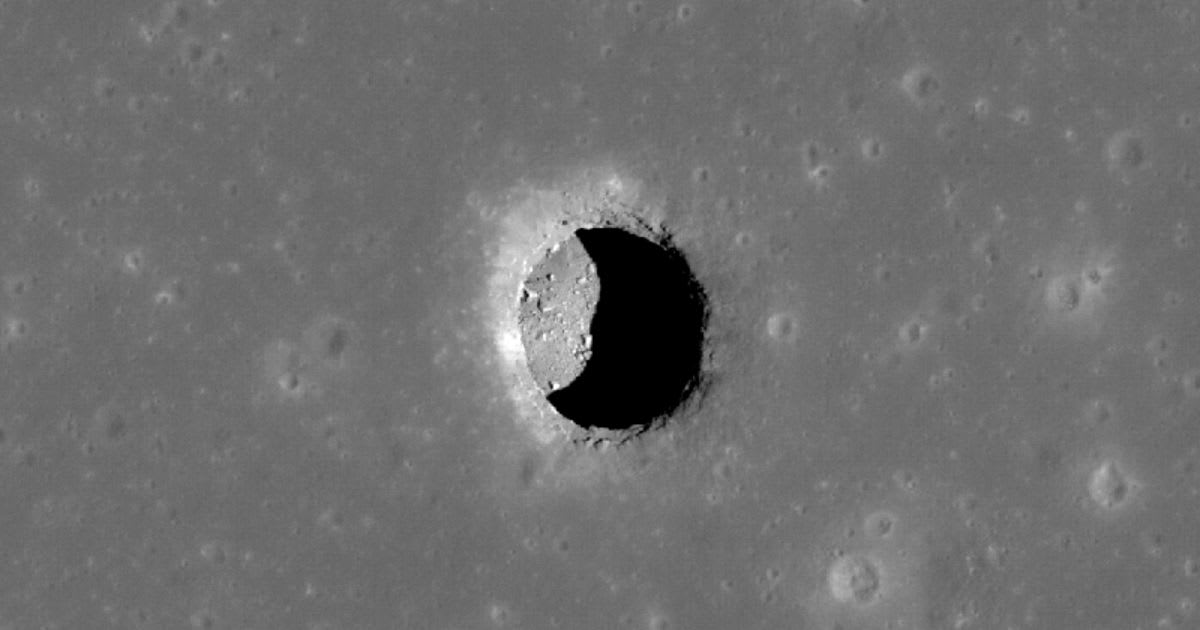
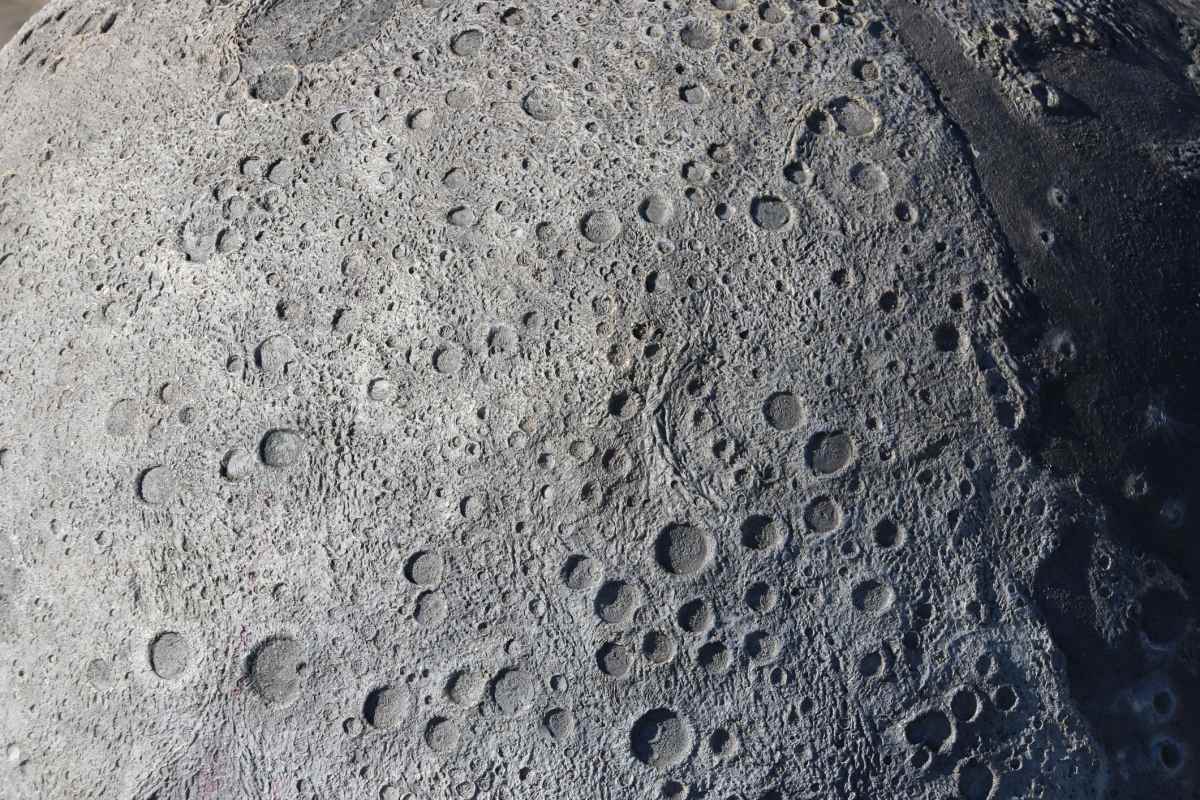
The impact is expected to form a crater that is around 1 mile wide and 150–260 meters deep, with a 100-meter pool of molten rock at the center. The history of impacts on the lunar surface can be studied in comparison to this new collision’s size and features. A global "moonquake" of magnitude 5.0 might echo across the Moon, being the strongest moonquake ever detected by any lunar seismometer. Space agencies are expecting many more quakes to occur on the surface before this impact, hoping to capture them in their records.
The propagation of the moonquake from the impact will be an insight into the core of the natural satellite, shedding light on its composition. Another significant aspect of the impact will be the debris field created by the blast, with upto 400 kg (882 pounds) of material expected to survive reentry to Earth. This creates a "large-scale" lunar sample return mission for astronomers without any funding or travel, though the sample might be burnt by atmospheric reentry. The peak expects 20 million meteors per hour, with 100–400 fireballs per hour, most visible to the naked eye.
However, all this debris has to land somewhere, and simulations indicate South America, North Africa, and the Arabian Peninsula as possible targets. Considering the risk to Earth, satellites, megaconstellations, and the ensuing disruption to all systems of daily life, some teams are looking into possible solutions. Space agencies are considering a deflection mission that could take out the asteroid before it impacts the Moon. This depends on the odds of the collision, and so teams are monitoring the collision chance percentage, keeping an eye on the numbers.
More on Starlust
Japanese astronomer captures double impact flashes on the Moon’s surface