Artemis program remains safe even as Donald Trump proposes a massive $5.6 billion NASA budget cut
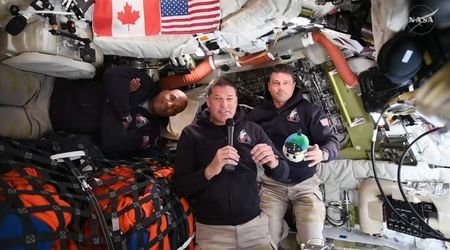
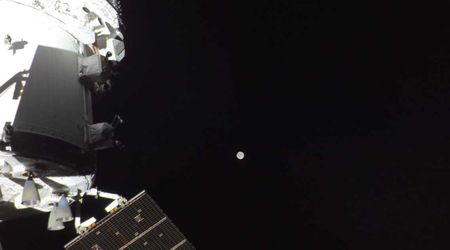
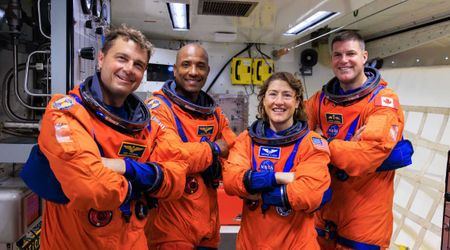
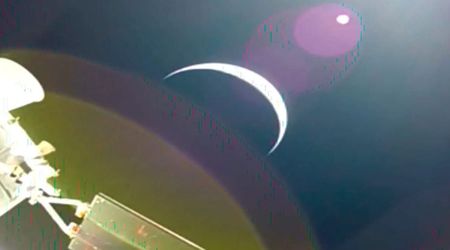
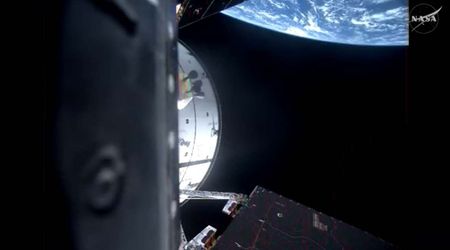
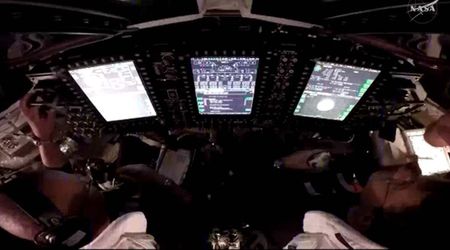
In a move reminiscent of last year, the Donald Trump administration has released a budget blueprint that aims to slash NASA's 2027 budget by a substantial margin of 23% or $5.6 billion. The document was published on Friday, April 3—a couple of days after the American space agency launched the Artemis II mission, sending humans to the vicinity of the Moon for the first time in over 50 years.
Explaining the rationale behind the proposed cut, which would bring the discretionary budget to $18.8 billion if it holds, the document said, "By cutting unnecessary and overpriced activities, the Budget strengthens the National Aeronautics and Space Administration’s (NASA) focus and ensures that every dollar spent propels America’s dominance in the final frontier."
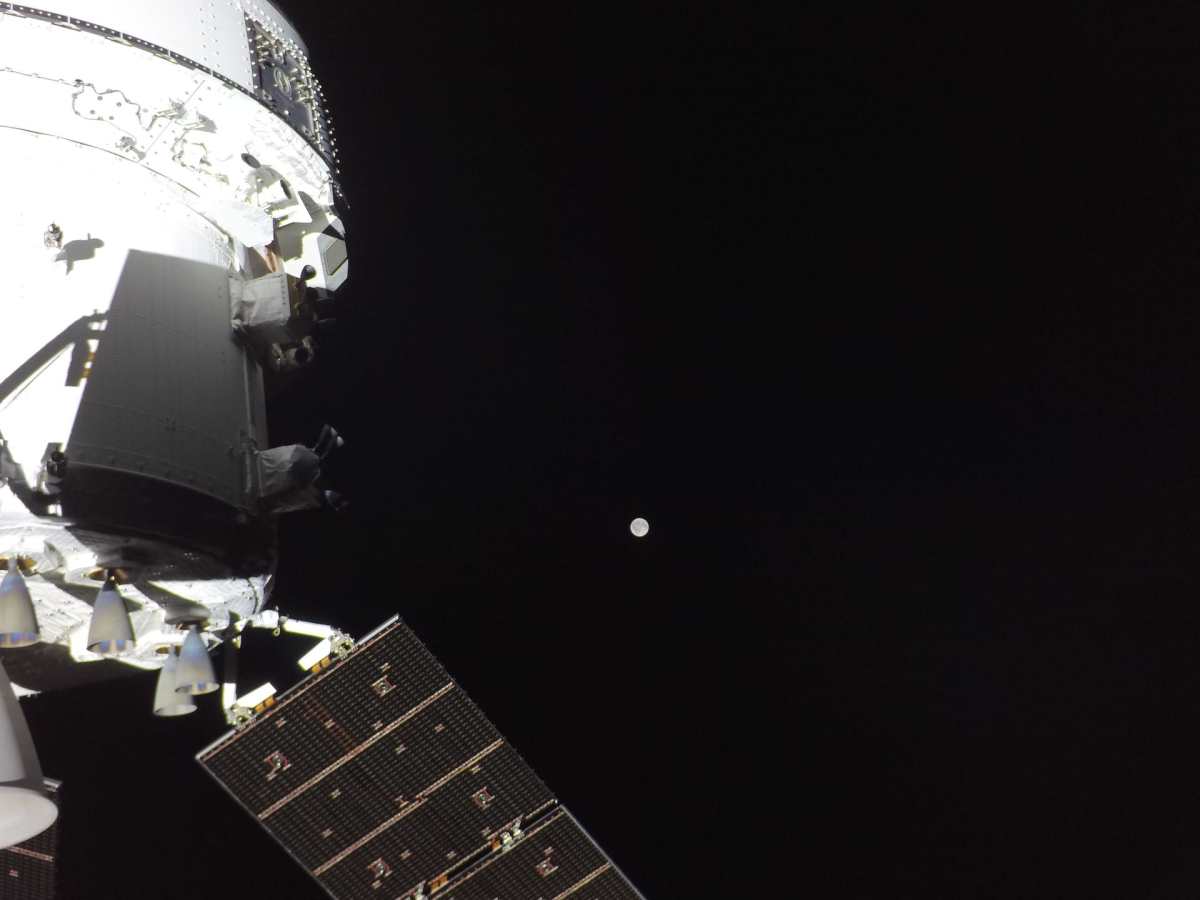
Indeed, despite wanting the overall spending to go down, the White House has sought a $731 million increase in the amount allocated for NASA's efforts to land astronauts on the Moon. "The Budget requests $8.5 billion for NASA’s Artemis program, which will land American astronauts on the Moon by the end of 2028," the document read. The money will go towards funding the lunar landers, currently in development at both SpaceX and Blue Origin; space suits; lunar surface systems; and astronaut transportation systems. "The Budget supports NASA’s efforts to keep the mission on schedule by eliminating unnecessary requirements and simplifying complex operational procedures to take a more direct path to the Moon," said the White House in the document.
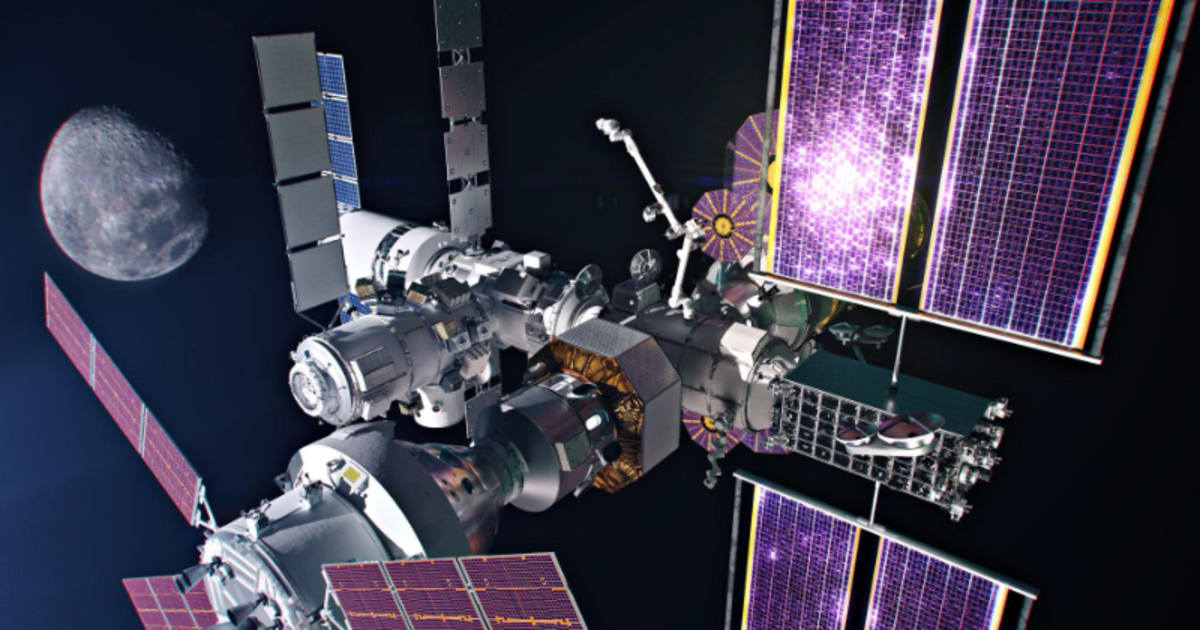
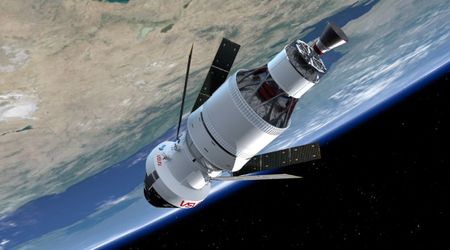
Not too long ago, in the build-up to the Artemis II launch on April 1, NASA had announced a major overhaul in the approach to the whole program, citing atrophying skills and low launch cadence as the primary reasons behind the move. The new, Apollo-inspired timeline will not see the agency attempt a crewed lunar landing with Artemis III, as initially planned. Instead, the mission will see Orion rendezvous with one or both lunar landers in low-Earth orbit. Once everything checks out, the first crewed lunar landing since Apollo 17 will be attempted with Artemis IV. The Ignition event in late March also saw the agency announce that it was pausing the Gateway program, which was supposed to assist the Artemis IV mission.
To return Americans to the Moon, NASA is shifting to an iterative, execution-focused approach – just as we did during Apollo.
— NASA Administrator Jared Isaacman (@NASAAdmin) March 24, 2026
We are standardizing rocket architecture, embedding NASA expertise across industry, and increasing launch cadence to support sustained lunar operations.…
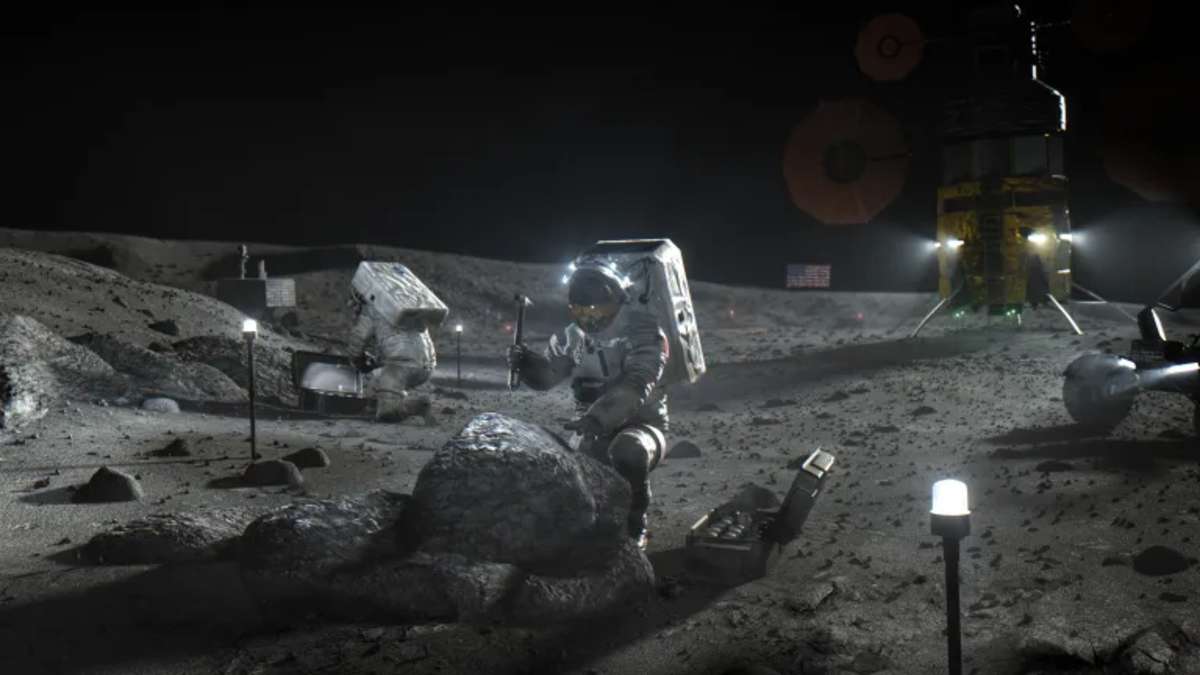
Instead of building an orbital presence around the Moon with the Gateway station, NASA is now going to prioritize building a sustained presence on the surface. For that exact purpose, the White House aims to allocate $175 million, which will be directed to robotic missions that will deploy initial elements of a Moon Base near the lunar South Pole. The White House also seeks to cut NASA's science budget by $3.4 billion by terminating over 40 "low-priority missions." As an example, the document cited the Mars Sample Return mission, the estimated costs for which could have touched $11 billion.
The budget for operations, maintenance, and transportation with relation to the soon-to-be-retired International Space Station could also go down by $1.1 billion. "The Budget reflects the upcoming transition to a more cost-effective commercial approach to human activities in space as the costly to operate and maintain ISS approaches the end of its life cycle," the proposal read. "The Budget prioritizes the rapid development and deployment of commercial space stations, while also keeping the safe de-orbit of the ISS on track for 2030."

Of course, the proposal just marks the beginning of the budget allocation process for the 2027 fiscal year, which begins on October 1. Both houses of Congress will pass their own appropriation bills before coming to an agreement and ultimately sending the final budget to the President for his signature.
More on Starlust
Here's what the Artemis II crew will see when they fly by the Moon's far side on April 6