Artemis II splashdown is scheduled for April 10—here's how NASA will bring the crew home safely
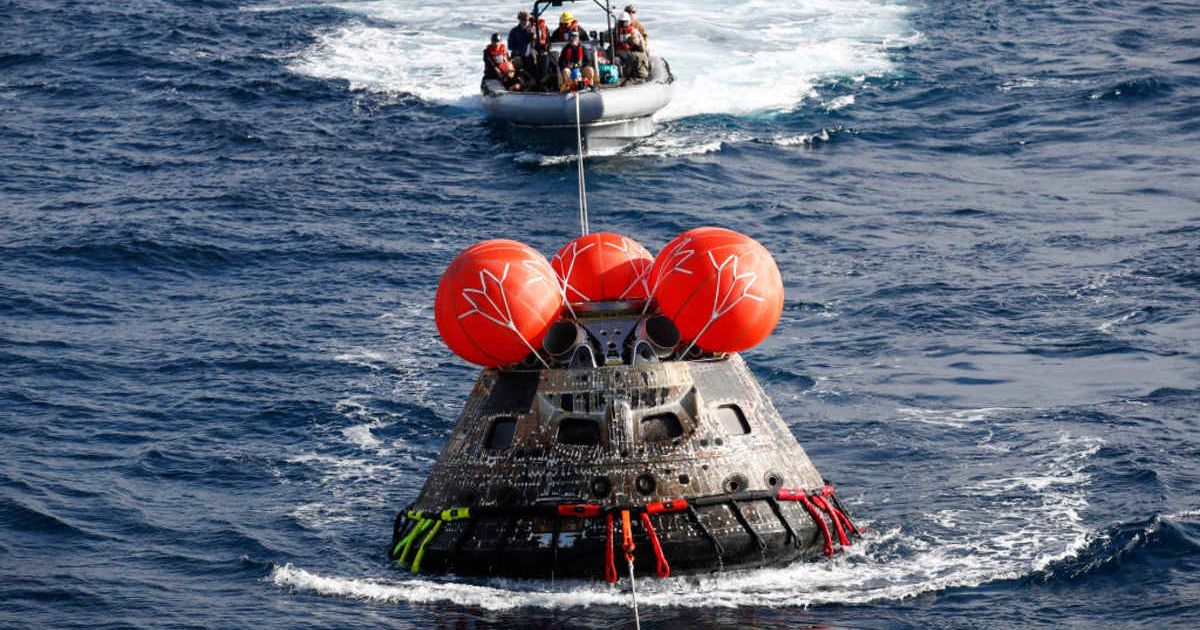
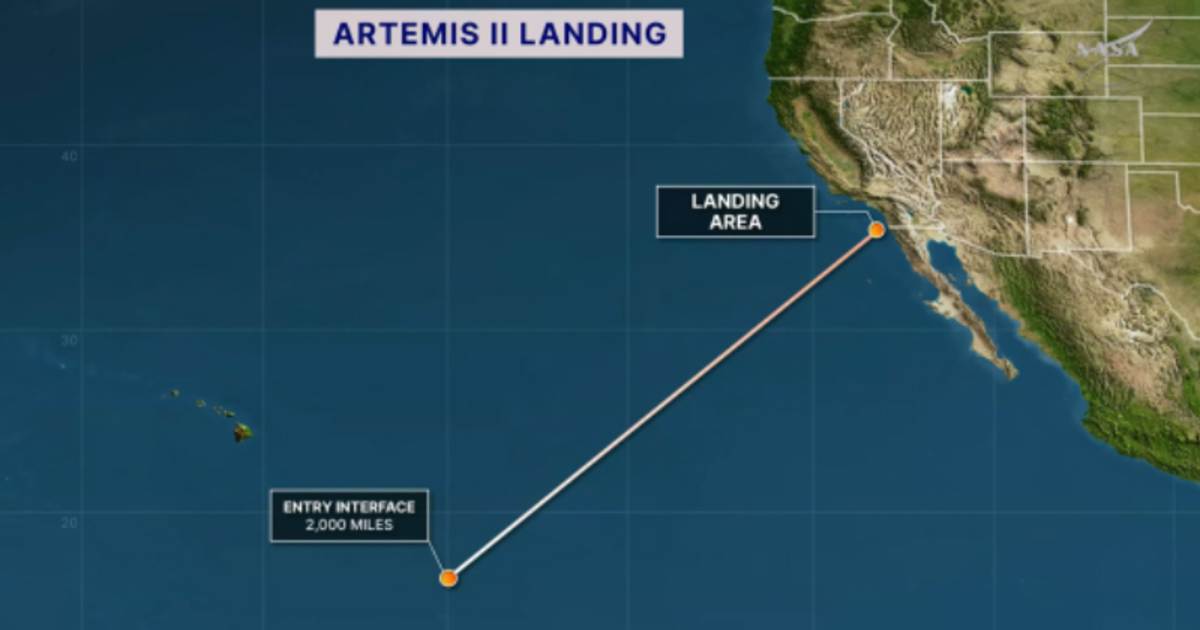
With the crew of Artemis II entering their ninth and last full day in space, the focus of NASA's mission controllers in Houston is beginning to shift towards re-entry. The task of bringing the astronauts back safely is set to conclude with splashdown on April 10, 2026, in the Pacific Ocean off the coast of San Diego. It will be one of the most critical stages of the mission, as it will put this particular Orion spacecraft’s heat shield to the test for the first time. Furthermore, the safety of the crew would be challenged by the extreme deceleration and resulting G-force as the capsule makes its way through the atmosphere.
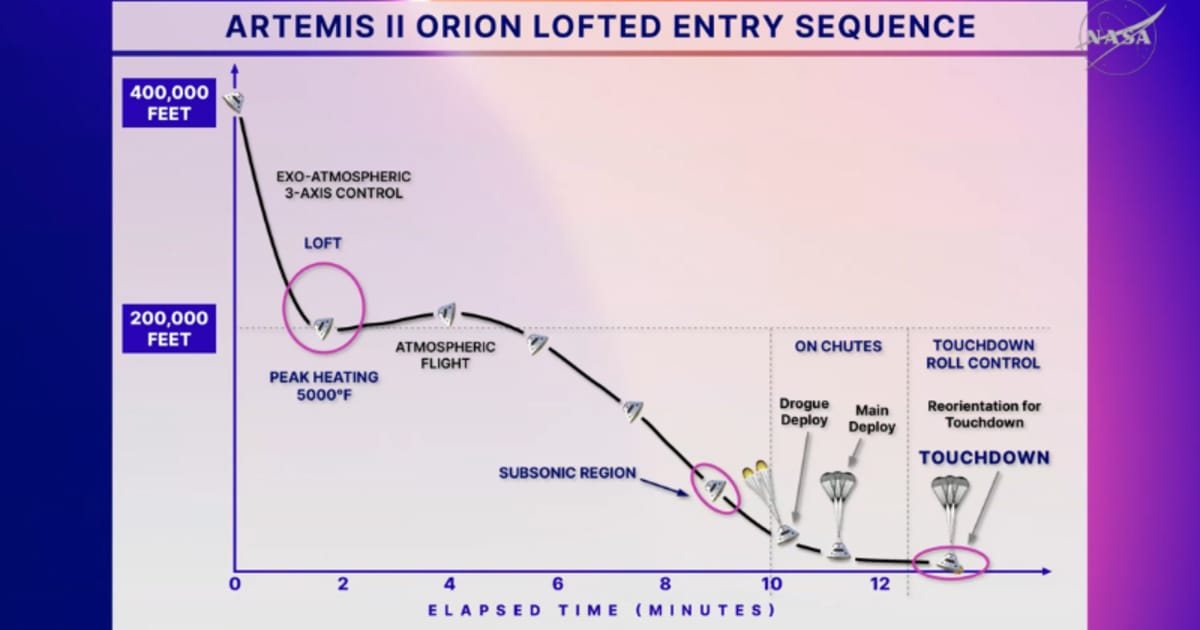
At the news conference held during day 8 of the mission, NASA mission managers outlined the stages in which the re-entry is set to take place. Before re-entry, the flight crew will reconfigure Orion so as to allow themselves to be seated during re-entry and will also get into their Orion Crew Survival Suits. For this mission, NASA has chosen an entry sequence known as lofted entry. While Artemis II will still execute a 'skip off the atmosphere' path like its predecessor, it will be more gradual. This will be done to reduce Orion's exposure to heat during re-entry.
As the spacecraft nears Earth's atmosphere, the European service module will be jettisoned roughly 42 minutes prior to the splashdown. A crew module raise burn will follow, setting up Orion for re-entry. After this, a couple of roll maneuvers will create a safe distance between the crew module and the service module. The latter will be headed for a destructive re-entry through the atmosphere. The crew model, meanwhile, will enter the Earth's atmosphere at 400,000 feet, about 13 minutes prior to splashdown.
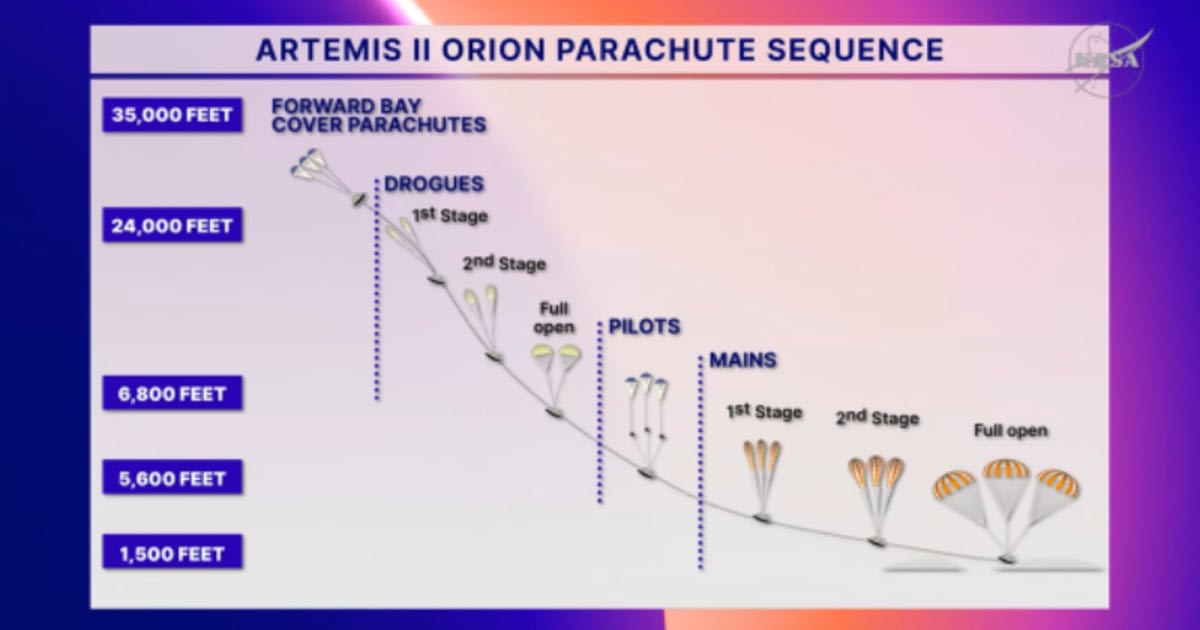
24 seconds after the crew enters the atmosphere, with plasma built around the spacecraft, a communications blackout will kick in. This is expected to last for 6 minutes, after which 2 drogue parachutes will deploy at about 22,000 feet. These will slow the spacecraft down to about 200 miles per hour before the three main parachutes deploy at an altitude of about 6,000 feet. These main parachutes will allow the spacecraft to hit the ocean at a gentle speed of 20 miles per hour. Mission control will then power down the spacecraft 15 minutes later.
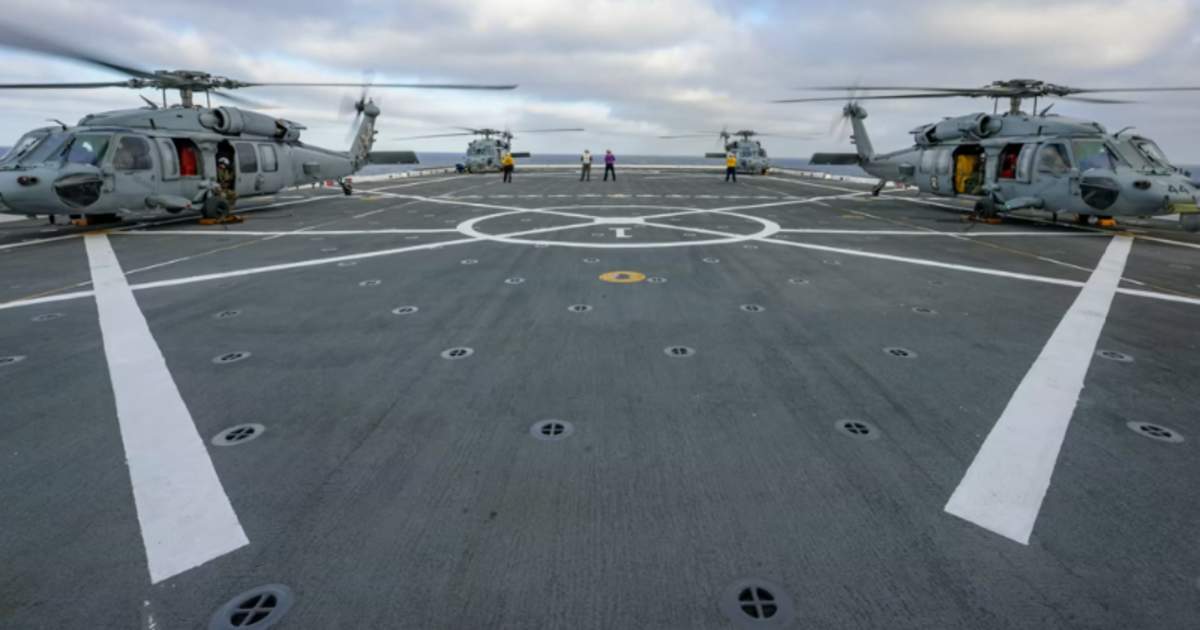
Once the splashdown happens, the astronauts will be rescued by a joint NASA-military team overseen by Liliana Villarreal, Artemis landing and recovery director. Once it is safe to approach Orion after splashdown, a team of divers will head to the capsule to help the astronauts off their seats into a large inflatable raft referred to as the 'front porch.' Once they are on the front porch, the capsule will be towed away. A couple of helicopters will then arrive at the spot to escort the crew members to the USS John P. Murtha, stationed in the landing zone.
More on Starlust
First set of Artemis II lunar flyby photos shows solar eclipse, Earthset, Earthrise and more
Artemis II: Inside the massive dataset delivered by the historic seven-hour lunar flyby